2027 Hyundai SEMA Review, Specs, Dimensions – Pushing limits has always been a key component of Hyundai’s SEMA presence, while this 2027 Hyundai SEMA concept expands on that idea. This project is a rolling statement of Hyundai’s goals for its performance, electrification, and design language over the next ten years, not just another specially designed show car made for visual impact. The 2027 Hyundai SEMA, which combines aggressive styling, cutting-edge powertrains, and track-inspired technologies into a unified exhibition, is what we see as a link between fan culture and future production intent.
Hyundai’s 2027 concept is anticipated to showcase practical advances, in contrast to conventional SEMA builds that concentrate on drastic changes without production relevance. Many of the software fixes, performance enhancements, and design cues presented here are likely to have an impact on future N models and electric performance cars. Hyundai has been outspoken about growing its enthusiast selection, and this SEMA project confidently and clearly reaffirms that commitment.
The 2027 Hyundai SEMA is particularly appealing because of its seemingly well-balanced vision. Carbon fiber panels and raw horsepower are not the only factors. Rather, we witness a meticulously designed idea that combines efficiency, safety, aerodynamics, and everyday utility. This strategy keeps Hyundai accessible to a wide range of drivers and enthusiasts while establishing it as a strong competitor in the performance and advanced mobility market. 2027 Hyundai SEMA Review
2027 Hyundai SEMA Redesign and Update Plan
Exterior & Interior
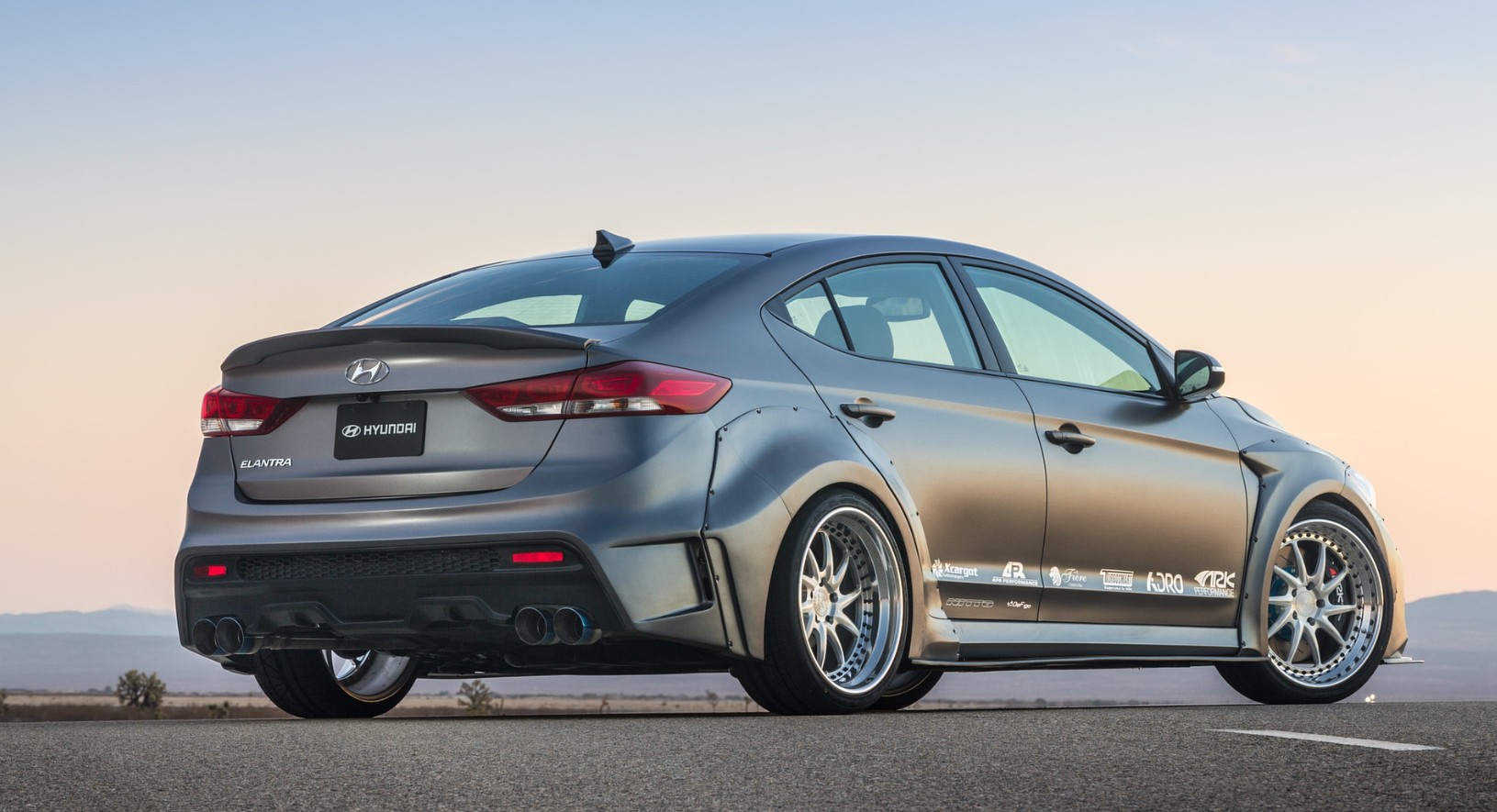
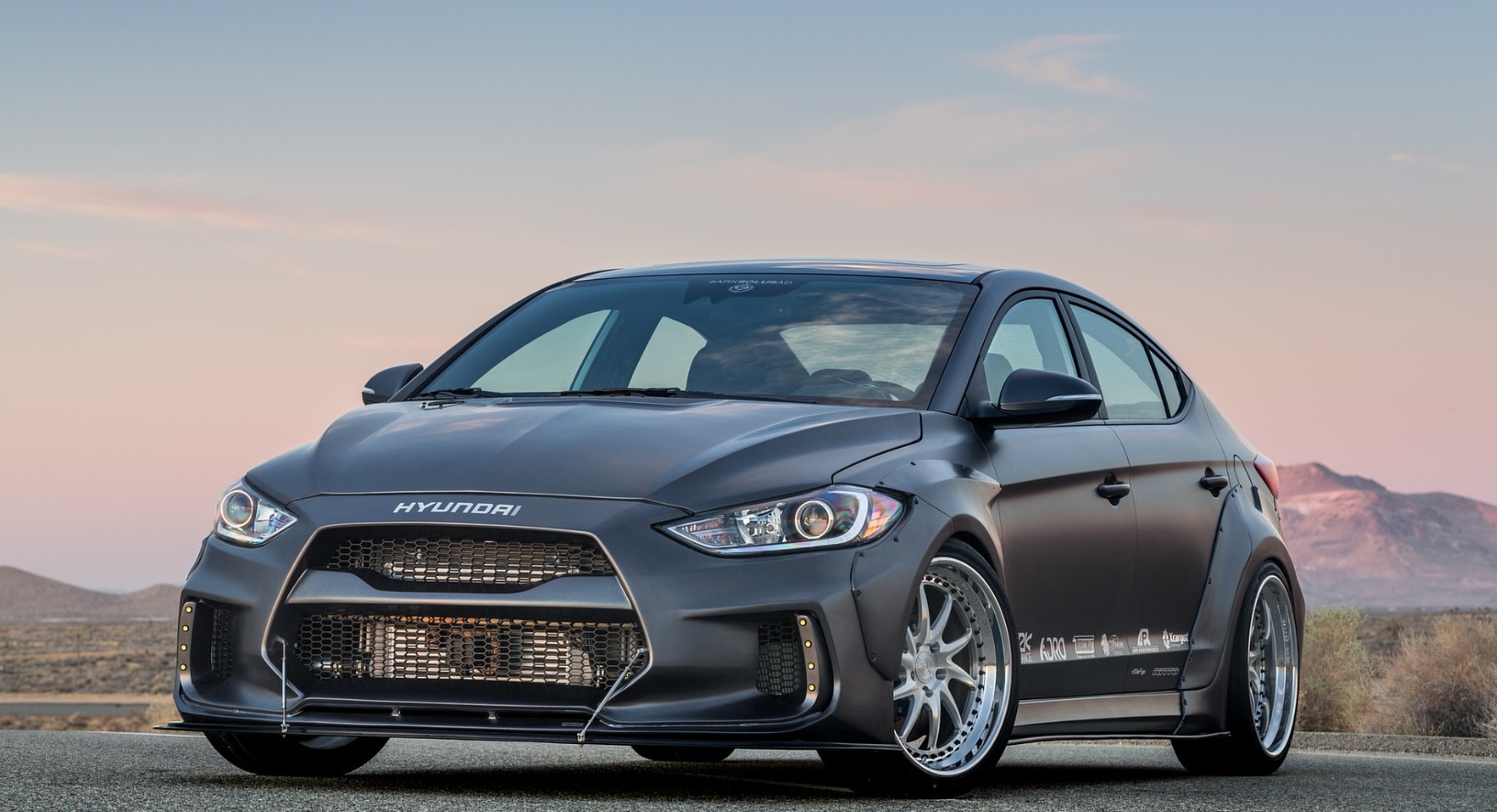
It is anticipated that the 2027 Hyundai SEMA concept would have an aggressive yet disciplined exterior appearance. We expect a lowered posture, flared fenders, and strong body creases that convey performance purpose right away. To minimize weight without sacrificing structural integrity, lightweight materials like aluminum alloys and carbon fiber-reinforced plastic are probably widely utilized. The concept’s track-ready image is further reinforced by large wheels wrapped in high-performance rubber that completely fit the arches.
The external identity will be defined in large part by the lighting. We anticipate cutting-edge LED or micro-LED lighting characteristics, perhaps with programmable components for various driving modes. Aerodynamic elements like a large front splitter, side skirts, and an active rear wing are designed to improve downforce and stability at high speeds, not just for show. Every external component seems to have a function, demonstrating Hyundai’s increasing performance design maturity.
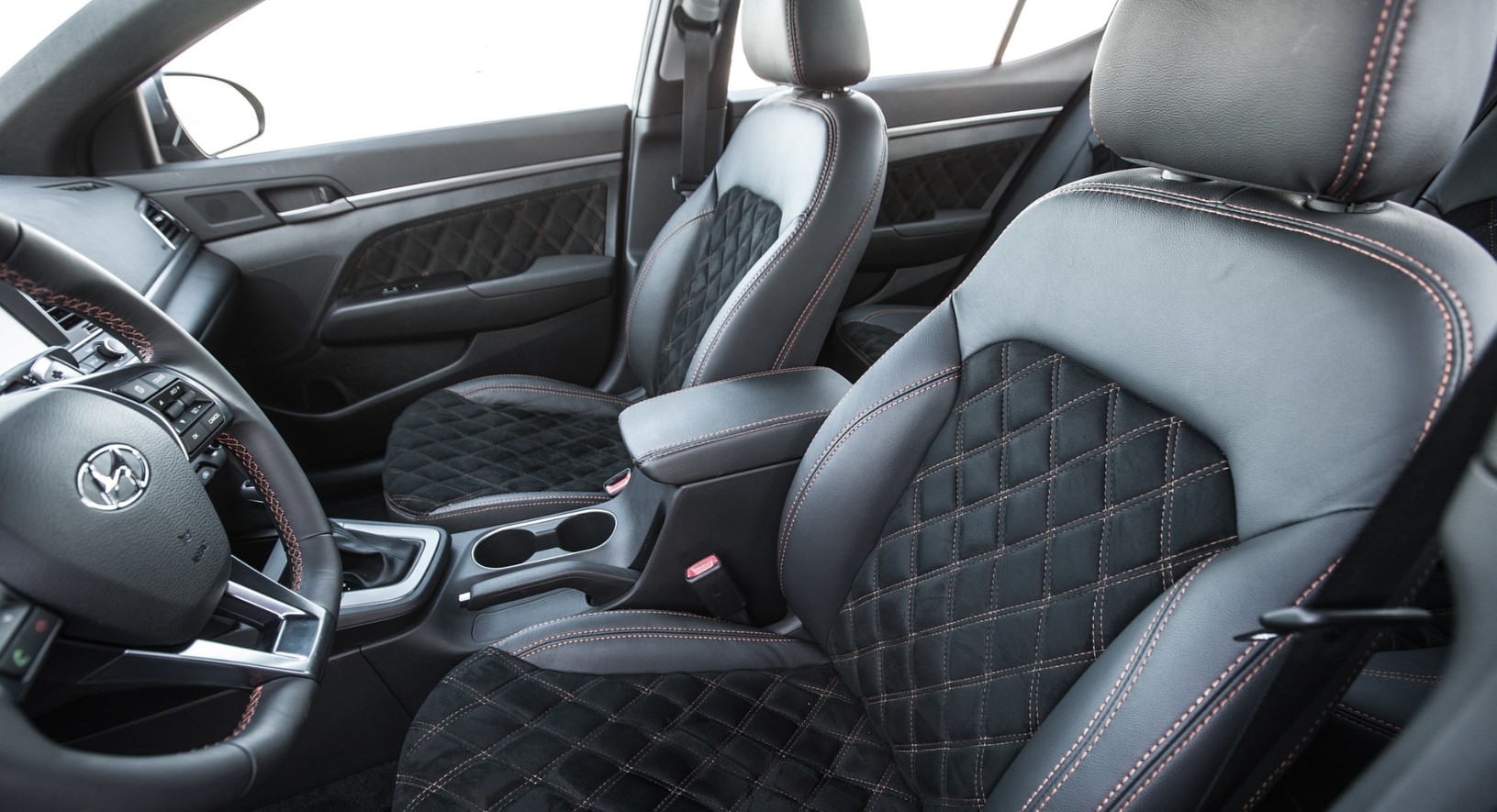
The 2027 Hyundai SEMA concept strikes a blend between future elegance and motorsport inspiration. With fully bolstered seats, a flat-bottom steering wheel, and performance-focused displays, we anticipate a driver-focused cockpit. The cabin may be dominated by materials like Alcantara, recycled composites, and exposed structural components. Digital interfaces, on the other hand, are probably simple and easy to use, with adjustable layouts for everyday usage or track driving, demonstrating that comfort and performance may coexist without sacrificing either.
The 2027 Hyundai SEMA concept’s redesign approach represents a more profound development than a surface-level update. We anticipate that Hyundai will utilize this construct to introduce its next-generation design language, which is probably broader, sharper, and more aerodynamically focused than existing models. It is expected that the proportions will be more grounded and lower, with a focus on managing airflow. Active aero components, functional vents, and a redesigned underbody are probably incorporated to show quantifiable performance improvements rather than for show.
Hyundai’s SEMA concept has always served as a test ground for updates. The business plans to test modular performance enhancements in 2027, which may thereafter be sold as N Performance packages or factory-backed accessories. This could include track-optimized cooling options, improved brake hardware, and suspension systems that can be adjusted. Hyundai’s intention to provide enthusiast-grade parts without compromising warranty coverage or daily dependability is indicated by these improvements.
The remodeling plan seems as grandiose when viewed digitally. We anticipate that over-the-air update capabilities will be a key feature, enabling software to improve drive modes, performance settings, and even aerodynamic tendencies. This strategy fits with Hyundai’s larger shift to software-defined automobiles. Hyundai makes it very evident that future redesigns will be as much about code and data as they are about metal and mechanical components by exhibiting this at SEMA.
2027 Hyundai SEMA Specs
Engine & Performance
The 2027 Hyundai SEMA concept is centered on powertrain innovation. We anticipate either a high-output electrified configuration or a hybrid performance system that combines an enhanced combustion engine with electric assistance, though Hyundai has not confirmed specifics. Instant torque delivery, increased efficiency, and better control over power distribution would all be possible with this arrangement. Hyundai’s experience with the Ioniq 5 N indicates that this concept will heavily rely on electric performance.
Even if they are speculative, performance numbers are probably going to be impressive. We expect output to well surpass 500 horsepower, combined with sophisticated torque vectoring for outstanding cornering accuracy. It is anticipated that the acceleration will be harsh but controlled, demonstrating Hyundai’s ability to adjust power delivery for both stability and excitement. Electronically controlled dampers and adaptive suspension would improve the driving experience in a variety of settings.
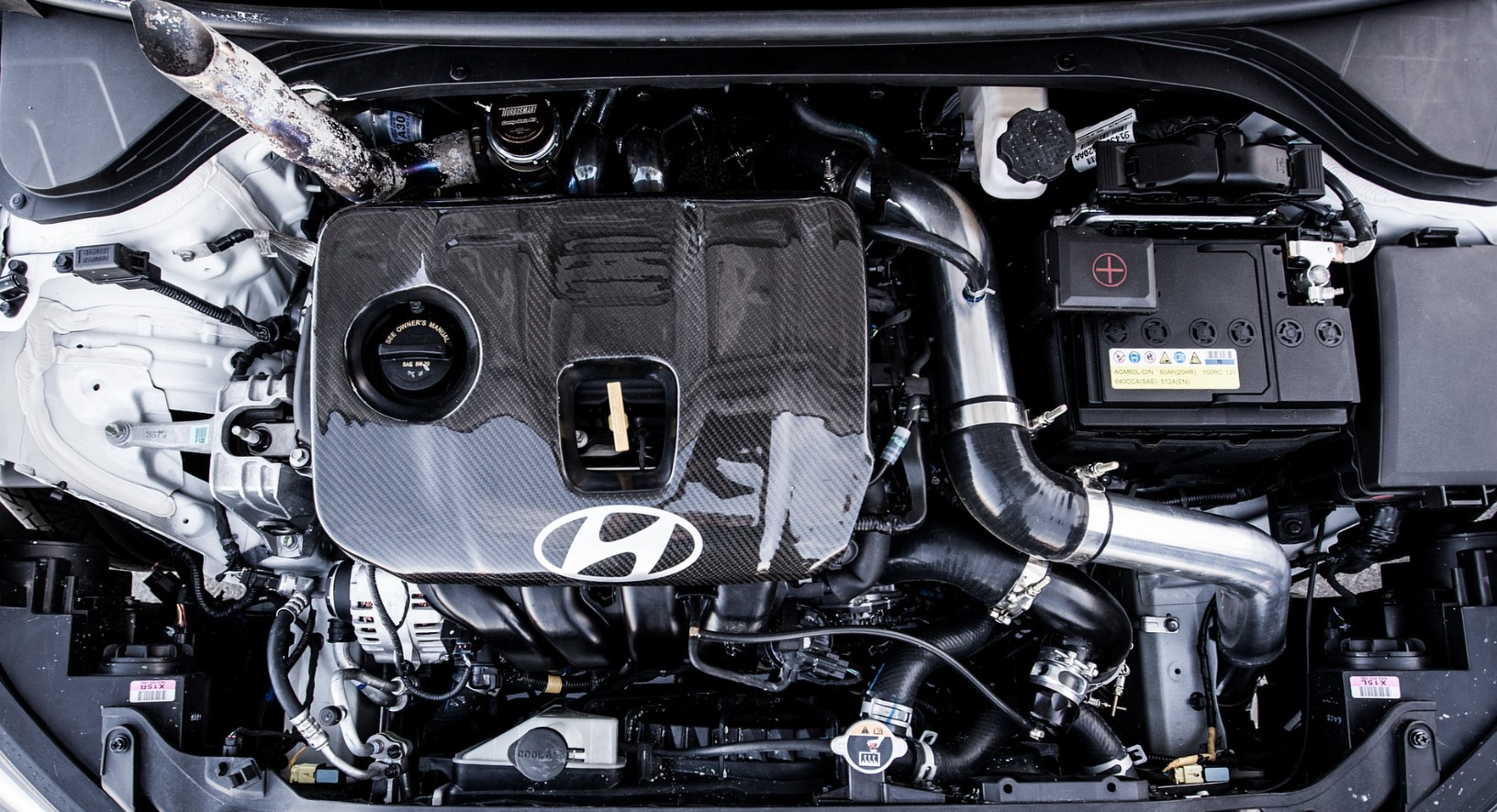
Other important performance aspects are cooling and durability. We anticipate motorsport-grade braking systems, stronger driveline components, and massive intercoolers or battery cooling systems. The SEMA platform is probably being used by Hyundai to show that longevity need not be sacrificed for high performance. This way of thinking enhances brand credibility, particularly with enthusiasts who expect cars to function reliably in harsh environments.
2027 Hyundai SEMA Fuel Economy
Fuel economy and efficiency are still crucial despite their emphasis on performance. The 2027 Hyundai SEMA concept might demonstrate enhanced energy density and regenerative braking features that improve practical economy if it were electrified. We anticipate that enhanced software will intelligently balance power and consumption even in demanding driving modes. This illustrates Hyundai’s capacity to provide exciting performance while being mindful of running expenses and the environment. 2027 Hyundai SEMA Review
2027 Hyundai SEMA Safety Features
It is anticipated that the 2027 Hyundai SEMA concept’s safety system will surpass legal criteria. We expect sophisticated driver-assistance technologies, such as track-aware stability control and adjustable intervention levels, that are specifically calibrated for performance driving. High-strength materials, integrated roll protection components, and structural reinforcements all improve occupant safety without adding needless weight. Hyundai seems to prioritize proactive safety over invasive systems.
2027 Hyundai SEMA Release Date & Price
Since SEMA vehicles are concepts, pricing and release dates are inherently speculative. However, we anticipate that components of this design will have an impact on production models that will be released in late 2026 or early 2027.
Any limited-edition version that draws inspiration from the SEMA concept might fetch a higher price and be positioned above the current N versions. If the performance and technological value proposition is compelling enough, Hyundai is open to experimenting with higher pricing points. 2027 Hyundai SEMA Review
Conclusion
The Hyundai SEMA concept for 2027 is more than just a show-floor showpiece. It conveys Hyundai’s faith in its technical roadmap, performance engineering, and design direction. Hyundai shows that it knows where the enthusiast market is going and is ready to lead rather than follow by combining aggressive styling, cutting-edge powertrains, and innovative software integration.
Note: The details included in this blog post are derived from pre-release material that was accessible when the article was written. If you want the latest information, you should check official sources or call your nearest dealership.
Read Also:
- 2027 Hyundai Ioniq 6 N Redesign, Price, Performance
- 2027 Hyundai Santa Cruz Release Date, Specs, Dimensions
- 2026 Hyundai Crater Specs, Price, Configurations
- 2026 Hyundai Ioniq 6 N Specs, Price, Review
- 2026 Hyundai Crater Release Date, Specs, Price
Gallery :