2027 Subaru Impreza WRX Release Date, Specs, Interior – The 2027 Subaru Impreza WRX is one of those future performance cars that immediately attracts attention because the WRX name carries decades of rally-inspired credibility. There is, however, an important distinction between the Subaru Impreza and the Subaru WRX today: Subaru treats them as separate models, and the current WRX is not officially marketed as an “Impreza WRX.” The Impreza is positioned as a practical compact hatchback, while the WRX is Subaru’s dedicated performance sedan. Therefore, a 2027 model using the keyword Subaru Impreza WRX would represent either a major naming change or a hypothetical return to the earlier formula.
The current WRX provides a strong starting point for imagining such a vehicle. Subaru’s 2025 WRX used a 2.4-liter turbocharged Boxer four-cylinder producing 271 horsepower and 258 lb-ft of torque, with standard Symmetrical All-Wheel Drive. Buyers could choose a six-speed manual transmission or Subaru’s performance-oriented Subaru Performance Transmission, a revised version of its CVT. (subaru.com) That combination gives Subaru a strong foundation for a more sophisticated 2027 performance model.
A future 2027 Impreza WRX could go much further by combining the compact hatchback practicality of the Impreza with the turbocharged performance and AWD capability of the WRX. Such a vehicle would appeal to drivers who want something more versatile than a traditional sports sedan without moving into the heavier crossover category. A five-door body, larger rear cargo opening and folding rear seats could give the WRX an entirely different personality.
Subaru has not officially announced a 2027 Impreza WRX, its specifications, pricing, trims or release date. The information below therefore combines known characteristics of the current Impreza and WRX with reasonable projections for what a future performance hatchback could offer. Any projected figures should be treated as estimates rather than confirmed Subaru specifications. 2027 Subaru Impreza WRX Release Date
2027 Subaru Impreza WRX Redesign and Update Plan
Exterior & Interior
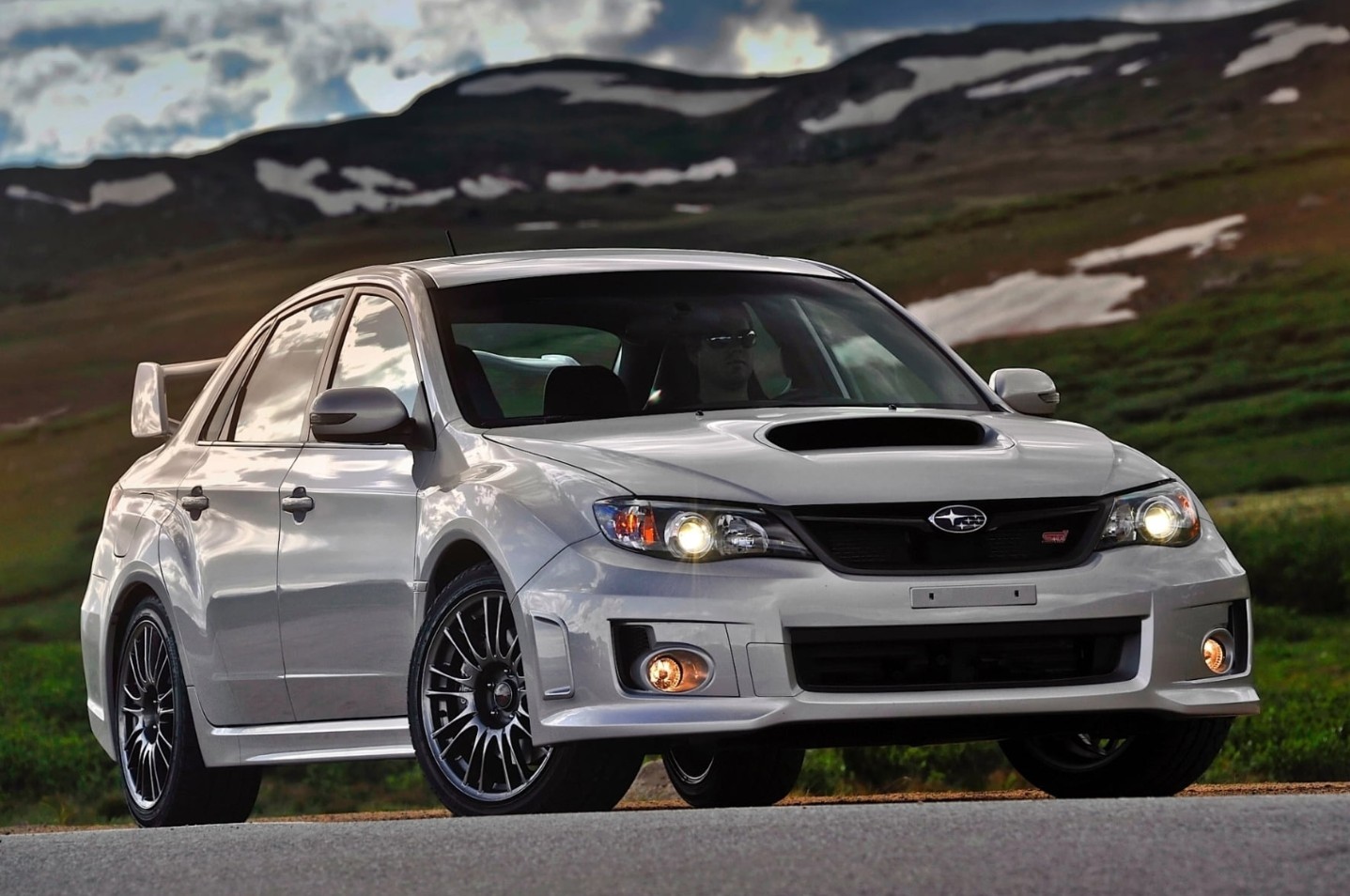
The 2027 Subaru Impreza WRX exterior could become one of the most distinctive compact performance designs on the road. A hatchback body would immediately separate it from the current WRX sedan, while the wider stance would give it a much more aggressive presence. Subaru could retain familiar WRX cues such as the hood scoop and prominent fenders while creating a cleaner overall design.
LED lighting would likely become standard across the lineup. The headlights could use a sharper C-shaped signature, while the taillights could emphasize the width of the rear body. Darkened lighting elements could be reserved for Sport and STI-inspired versions. A functional roof spoiler could be integrated into the hatch rather than attached as a separate visual element.
Wheel design would be critical. An entry-level performance trim could use 18-inch alloy wheels with high-performance all-season tires, while premium versions could move to 19-inch wheels and summer performance tires. A more aggressive wheel-and-tire package would improve grip but could increase road noise and reduce ride comfort, so Subaru could offer multiple configurations.
The color palette could also become more expressive. Subaru has traditionally offered performance-oriented colors such as WR Blue Pearl, and a future model could introduce new metallic finishes, contrasting black roof options and red or bronze exterior accents. A special launch edition could combine a unique paint color with lightweight wheels and distinctive interior stitching.
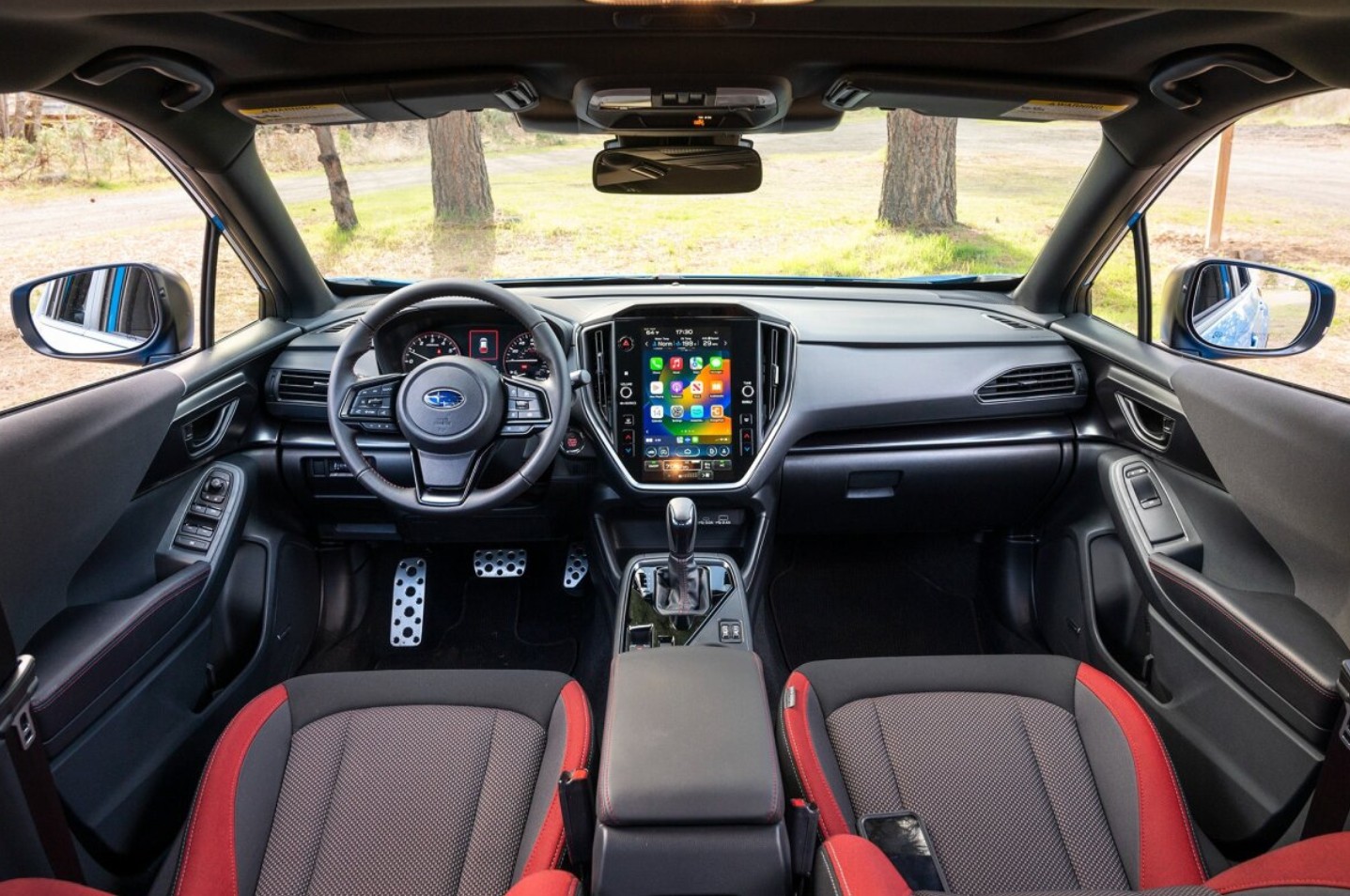
Inside, the 2027 Impreza WRX could combine the practical packaging of the Impreza with the performance-focused character of the WRX. Heavily bolstered front seats would help keep occupants in place during hard cornering, while a flat-bottom steering wheel could provide additional leg clearance.
The dashboard could use a driver-focused layout. Physical controls for frequently used functions would remain preferable to burying everything inside a touchscreen. A large center display could handle navigation, audio and vehicle settings, while a digital instrument cluster could provide customizable performance information.
Material quality could move beyond the current WRX’s functional approach. Soft-touch surfaces, synthetic suede, contrasting stitching and metallic trim could give the cabin a more premium character. Higher trims could feature genuine leather or advanced synthetic upholstery, ventilated front seats and a premium Harman Kardon audio system.
Rear-seat practicality would be a major advantage over many compact performance cars. A hatchback body could provide easier access to the rear seats, while a relatively upright roofline could preserve headroom. Fold the rear seats and the vehicle could become useful for carrying bicycles, camping equipment, luggage or larger shopping loads.
Cargo capacity would likely be significantly more useful than that of a conventional performance sedan. The regular Impreza already emphasizes hatchback practicality, and combining that characteristic with WRX performance could create a unique proposition. A low cargo floor, wide opening and split-folding seats would make the car suitable for daily use rather than weekend driving only.
A 2027 Subaru Impreza WRX redesign would need to create a clear separation from both the regular Impreza and existing WRX sedan. The easiest solution would be a five-door hatchback with a much more aggressive body, wider track and stronger aerodynamic treatment. Instead of simply adding a turbocharger to the regular Impreza, Subaru could develop a performance-specific body with reinforced chassis components and suspension geometry designed around higher cornering loads.
The front fascia could receive a wide lower grille, larger cooling openings and slim LED headlights. Because a turbocharged engine requires greater thermal management, the WRX hatchback could use functional air channels to direct cooling air toward the engine bay and brakes. A hood scoop could remain part of the visual identity, although modern aerodynamic design might allow Subaru to integrate it more cleanly into the hood rather than treating it as a large standalone feature.
The side profile would be noticeably more muscular than the standard Impreza. Wider fenders could accommodate larger wheels and tires, while deeper side skirts would visually lower the car. Subaru could also add functional vents behind the front wheels to reduce pressure around the wheel wells. A hatchback roofline would provide additional practicality without compromising the compact dimensions that make the Impreza easy to maneuver.
At the rear, a roof spoiler would be almost unavoidable. The design could incorporate a larger integrated wing for high-performance versions while maintaining a more subtle spoiler on lower trims. Quad exhaust outlets, a functional diffuser and wider rear fenders could complete the appearance. Subaru would need to avoid excessive decoration and ensure that every major aerodynamic element serves a functional purpose.
The chassis would be another major area of development. The current WRX already uses performance-focused suspension hardware, while the WRX tS adds features such as electronically adjustable dampers and larger brakes. (subaru.com) A 2027 hatchback could expand that technology with electronically controlled damping across more of the lineup.
Weight management would also be important. A hatchback structure can provide excellent practicality, but additional reinforcement and performance hardware can quickly add mass. Subaru could use aluminum body components, lighter seats and redesigned suspension parts to keep curb weight under control. A target around 3,400 to 3,500 pounds would make the vehicle competitive while leaving room for AWD hardware.
The steering system could be retuned for greater precision. The regular WRX already has an electric power-assisted rack-and-pinion steering system, and Subaru could further improve response through revised software and a faster steering ratio. The goal would be to give drivers a sharper connection to the front axle without making everyday commuting tiring.
Interior technology would also receive a substantial upgrade. A future model could use a wide digital instrument cluster alongside a large center display, with dedicated screens for boost pressure, oil temperature, transmission temperature and AWD torque distribution. Performance information could be displayed without forcing drivers to use aftermarket gauges. 2027 Subaru Impreza WRX Release Date
2027 Subaru Impreza WRX Specs
Engine & Performance
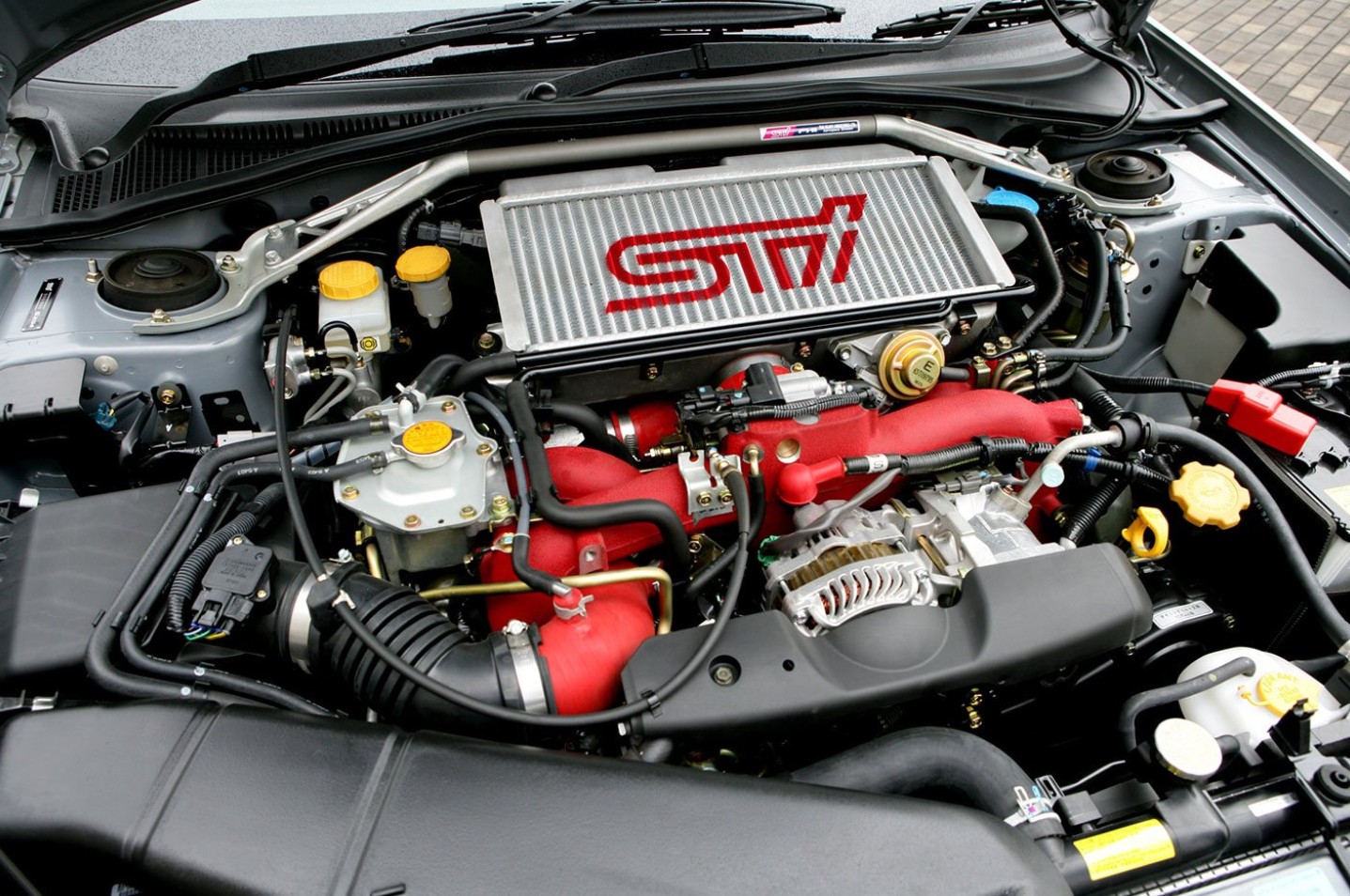
The 2027 Subaru Impreza WRX powertrain would probably revolve around a turbocharged Boxer engine. The current WRX’s 2.4-liter turbocharged four-cylinder produces 271 horsepower and 258 lb-ft of torque. (subaru.com) A future hatchback could use an updated version of this engine with improved cooling, revised turbocharger technology and more efficient fuel injection.
A power increase into the 280-to-300-horsepower range would be a reasonable target for a mainstream performance hatchback. Subaru would not necessarily need to chase 350 or 400 horsepower because the WRX’s greatest advantage is its combination of traction, response and everyday usability. A strong 300-hp target would provide meaningful separation from the regular Impreza while keeping costs and weight under control.
The six-speed manual transmission should remain available. The manual WRX has always appealed to enthusiasts who want direct involvement, and eliminating it would weaken the car’s identity. A future gearbox could receive stronger internals, shorter throws and improved shift quality while retaining a conventional clutch and mechanical connection.
Subaru’s performance transmission could continue serving automatic buyers. The current Subaru Performance Transmission offers eight simulated ratios and includes features such as faster shift response and adaptive control. (subaru.com) A future version could improve shift logic further, particularly during braking and corner exit.
Symmetrical All-Wheel Drive should remain standard. That is perhaps the single most important mechanical feature separating a WRX hatchback from many front-wheel-drive competitors. Subaru could use more sophisticated torque distribution software to shift power between the axles more quickly, improving traction during corner exits and low-grip conditions.
Performance could improve significantly without a huge increase in horsepower. A lighter chassis, improved tires, faster transmission calibration and better torque management could potentially produce a 0-to-60-mph time around five seconds. That figure would be competitive with much more expensive performance vehicles while retaining Subaru’s practical character.
Braking performance would also need to match the increased capability. Larger ventilated rotors, stronger calipers and higher-temperature brake pads could become standard on premium trims. The most aggressive version could receive Brembo brakes, similar to the hardware available on higher-performance WRX configurations.
Suspension tuning would be particularly important for a hatchback. Subaru could offer softer settings on the base performance model and electronically adjustable dampers on the flagship. Drivers could select Comfort, Normal, Sport and Track modes, changing damping, throttle response, steering weight, transmission behavior and AWD calibration.
Fuel economy would remain a consideration. The existing WRX’s EPA ratings vary by transmission and trim, with the 2025 model reaching as high as 19 mpg city and 26 mpg highway for certain configurations. (subaru.com) A 2027 engine with improved combustion and turbocharger efficiency could aim for better highway economy without sacrificing performance.
2027 Subaru Impreza WRX Fuel Economy
Fuel efficiency could improve modestly through engine management and aerodynamic refinement. A more efficient turbocharger, lower-friction engine components and improved transmission calibration could allow the 2027 model to consume less fuel during steady highway driving.
Subaru could also introduce an electrified performance option. A mild-hybrid system could recover energy during braking and provide a small torque boost during acceleration. This would improve low-speed response without adding the substantial weight associated with a large plug-in battery.
A plug-in hybrid WRX hatchback would be even more ambitious. A battery large enough to support meaningful electric driving could transform the vehicle into a performance hatchback capable of silent commuting during the week and AWD turbocharged performance when needed. Such a configuration remains speculative, but it would give Subaru a way to modernize the WRX without abandoning its performance identity.
2027 Subaru Impreza WRX Safety Features
Safety would remain a core part of the 2027 Subaru Impreza WRX package. Subaru has built a strong reputation around its EyeSight driver-assistance technology, and the next generation could use a wider field of view, faster image processing and improved object recognition.
Adaptive cruise control should be standard, especially on automatic-transmission models. A future system could provide smoother acceleration and braking, better recognition of motorcycles and improved responses to vehicles cutting into the lane. Highway driving would become less tiring while preserving the driver’s control over the vehicle.
Lane-centering technology could also become more refined. Performance drivers may not want intrusive steering corrections, so Subaru would need to calibrate the system carefully. The ideal system would remain subtle during normal highway driving while providing strong intervention when an unintended lane departure becomes likely.
Blind-spot monitoring would be particularly useful on a performance hatchback with wide rear pillars and a large spoiler. Higher trims could use radar sensors combined with camera-based warnings to identify vehicles approaching quickly from adjacent lanes.
Automatic emergency braking should also gain better nighttime performance. Improved sensors could help identify pedestrians, cyclists and stopped vehicles with greater accuracy. Intersection collision mitigation could become another important feature, particularly in urban environments where vehicles, pedestrians and bicycles frequently cross the driver’s path.
The cabin could use a driver-monitoring camera to support advanced assistance systems. The technology could detect whether the driver is looking at the road and issue warnings if attention drops. For a high-performance vehicle, this would be particularly valuable because the driver remains responsible for controlling the car even when assistance systems are active. 2027 Subaru Impreza WRX Release Date
2027 Subaru Impreza WRX Release Date & Price
A hypothetical 2027 Subaru Impreza WRX trim lineup could include WRX Base, Premium, Limited, tS and a possible high-performance STI-inspired flagship. The current WRX already uses several of these names, while the WRX tS adds more sophisticated chassis and braking hardware. (subaru.com)
The Base model could focus on delivering maximum performance for the money. Standard equipment would likely include the turbocharged Boxer engine, six-speed manual transmission, Symmetrical All-Wheel Drive, LED headlights, sport seats and a large infotainment display. Subaru could deliberately keep the base trim relatively simple to attract enthusiasts.
Premium would add convenience equipment such as heated seats, upgraded interior materials, larger wheels and additional infotainment features. An automatic transmission could be available for buyers who want everyday convenience without sacrificing AWD performance.
Limited could focus on technology and comfort. Leather or premium synthetic upholstery, premium audio, advanced driver assistance, larger wheels and a more sophisticated digital instrument cluster could make it the ideal daily-driver configuration.
The tS would occupy the performance-focused position. The current WRX tS features electronically adjustable dampers, Brembo brakes, STI-tuned suspension components and other performance upgrades. (subaru.com) A 2027 hatchback tS could expand those features with lighter wheels, performance tires and more aggressive chassis tuning.
An STI-inspired model could sit at the top of the range. If Subaru decides to revive the STI philosophy around the new hatchback, output could potentially rise above 300 horsepower, with stronger brakes, a more advanced AWD system and a manual transmission developed specifically for higher loads. There is no official confirmation that such a model is planned.
Pricing would depend heavily on how extensively Subaru redesigns the vehicle. The 2025 WRX started around the low-$30,000 range, while higher trims moved into the $40,000-plus territory. A 2027 hatchback with additional technology and performance hardware could reasonably begin around $34,000-$36,000, with Premium and Limited versions approaching or exceeding $40,000.
A tS model could move into the mid-$40,000 range, while an STI-inspired flagship could potentially approach $50,000. These figures are projections, not official MSRP figures, and actual pricing would depend on Subaru’s production strategy, equipment levels and powertrain decisions.
The 2027 Subaru Impreza WRX release date is currently unknown. Subaru has not announced a production model under this exact name, so there is no confirmed launch month or dealer arrival schedule. Any online claims providing a precise release date should therefore be treated cautiously unless Subaru itself confirms them.
If Subaru did decide to develop such a model, a late-2026 announcement followed by 2027 availability would be a logical industry timeline. However, that is only a hypothetical scenario. The current WRX remains the relevant Subaru performance model, while the Impreza continues to occupy the practical compact hatchback role.
Conclusion
The 2027 Subaru Impreza WRX could be an exceptionally appealing performance hatchback if Subaru ever decides to combine the Impreza’s practicality with the WRX’s turbocharged AWD character. A five-door body would make the vehicle more versatile than the existing WRX sedan while preserving the mechanical personality that has made Subaru performance cars so distinctive.
The ideal formula would include a 280-to-300-horsepower turbocharged Boxer engine, standard Symmetrical All-Wheel Drive, a six-speed manual transmission, an improved performance automatic option and a sophisticated chassis. Better brakes, sharper steering and electronically adjustable dampers could turn the hatchback into a genuine driver’s car.
Electrification could eventually make the concept even more relevant. A mild-hybrid system would improve efficiency without fundamentally changing the WRX experience, while a more ambitious hybrid could deliver stronger acceleration and better fuel economy. Subaru would have an opportunity to modernize the performance formula without sacrificing AWD traction.
For now, the 2027 Subaru Impreza WRX is not an officially confirmed Subaru model. The current WRX and Impreza remain separate vehicles, and there is no announced production plan, price or release date for a combined Impreza WRX hatchback.
If Subaru eventually revives the concept, however, a turbocharged AWD hatchback could fill a surprisingly empty space in the market: a practical five-door performance car with serious all-weather capability, manual-transmission availability and everyday usability. That combination could make a future 2027 Subaru Impreza WRX one of the most intriguing affordable performance cars of its generation.
Note: The details included in this blog post are derived from pre-release material that was accessible when the article was written. If you want the latest information, you should check official sources or call your nearest dealership.
Frequently Asked Questions
2027 Subaru Impreza WRX Release Date, Specs, Interior - The 2027 Subaru Impreza WRX is one of those future performance cars that immediately attracts attention because the WRX name carries decades of rally-inspired credibility. There is, however, an important distinction between the Subaru Impreza and the Subaru WRX…
The current WRX provides a strong starting point for imagining such a vehicle. Subaru’s 2025 WRX used a 2.4-liter turbocharged Boxer four-cylinder producing 271 horsepower and 258 lb-ft of torque, with standard Symmetrical All-Wheel Drive. Buyers could choose a six-speed manual transmission or Subaru’s performance-oriented Subaru Performance Transmission,…
A future 2027 Impreza WRX could go much further by combining the compact hatchback practicality of the Impreza with the turbocharged performance and AWD capability of the WRX. Such a vehicle would appeal to drivers who want something more versatile than a traditional sports sedan without moving into…
Subaru has not officially announced a 2027 Impreza WRX, its specifications, pricing, trims or release date. The information below therefore combines known characteristics of the current Impreza and WRX with reasonable projections for what a future performance hatchback could offer. Any projected figures should be treated as estimates…
2027 Subaru Impreza WRX Redesign and Update Plan Exterior & Interior The 2027 Subaru Impreza WRX exterior could become one of the most distinctive compact performance designs on the road. A hatchback body would immediately separate it from the current WRX sedan, while the wider stance would give…