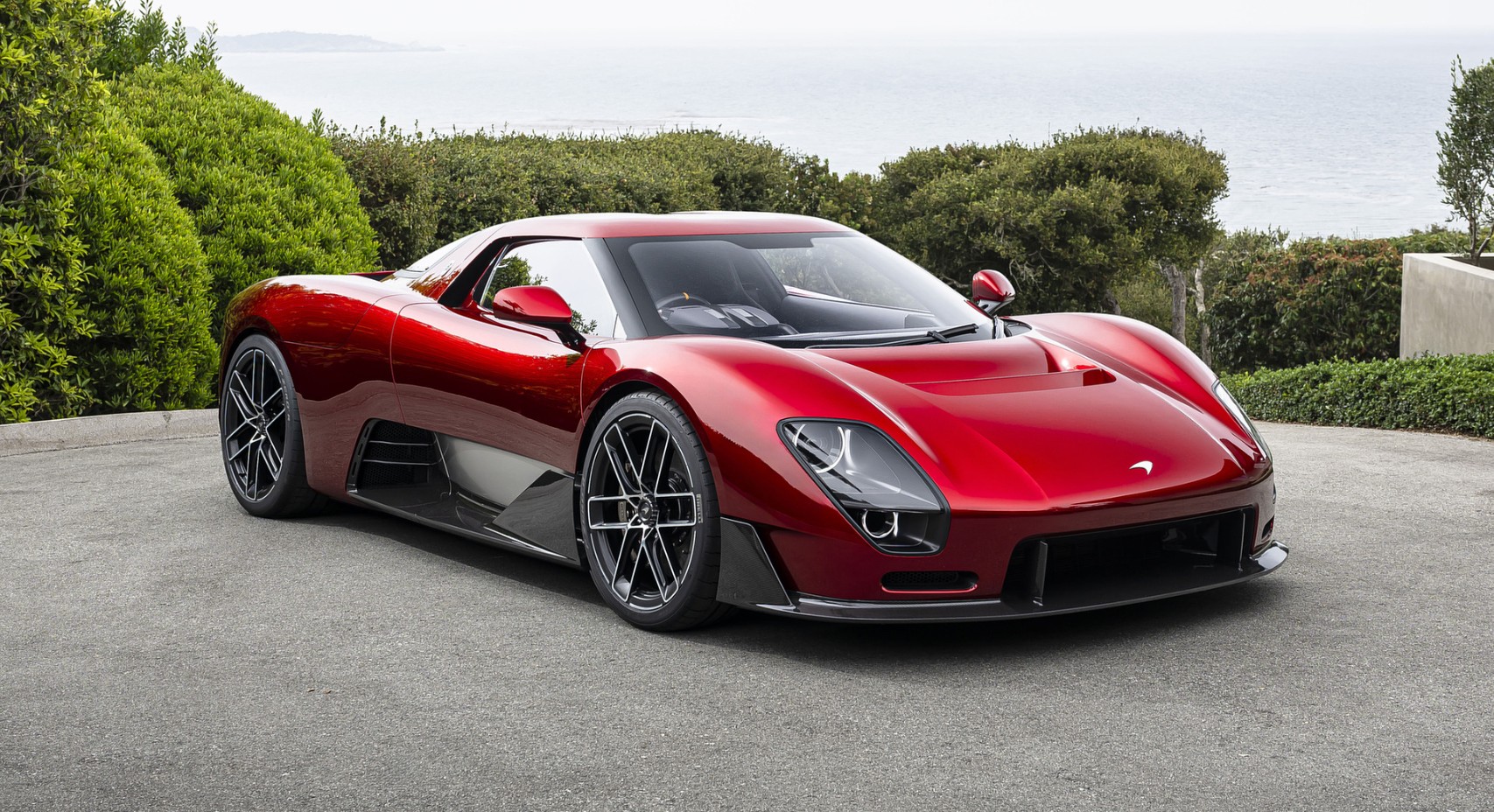
2028 McLaren McL 6GT Review, Price, Configurations – The 2028 McLaren McL 6GT could represent an intriguing new direction for McLaren’s grand touring philosophy, combining the dramatic performance of a mid-engine supercar with the comfort and usability expected from an exclusive luxury GT. McLaren has developed several vehicles that demonstrate this balance, including the 570GT, the McLaren GT, and the later GTS. Each explored the idea that extraordinary acceleration, lightweight construction, and responsive handling could coexist with additional luggage capacity and a more accommodating cabin. A hypothetical McL 6GT could build upon these foundations with sharper aerodynamic styling, updated carbon-fiber engineering, a refined powertrain, and a more sophisticated interior designed for extended journeys.
The McL 6GT name has not been established as an officially announced McLaren production model. McLaren has not published verified specifications, photographs, prices, trim levels, or a launch schedule for a vehicle carrying the 2028 McL 6GT designation. Consequently, this article examines a potential grand touring supercar inspired by McLaren’s established engineering and design principles rather than describing a confirmed production vehicle. The existing McLaren GTS provides a useful benchmark. Introduced as an evolution of the McLaren GT, it features a twin-turbocharged 4.0-liter V8, a carbon-fiber structure, and practical luggage arrangements intended to make long-distance driving more convenient without abandoning the brand’s performance identity.
The appeal of a future McL 6GT would depend on its ability to occupy the space between an uncompromising track-focused supercar and a traditional luxury grand tourer. Drivers considering a McLaren often prioritize acceleration, steering precision, and an engaging relationship with the road, but GT customers also value supportive seating, manageable ride quality, useful storage, and a quiet cabin during highway travel. A hypothetical 2028 model could introduce improved suspension technology, more effective sound insulation, and updated infotainment without adding excessive weight. Its design could also become more aerodynamic, allowing stronger high-speed stability while preserving the elegant proportions that distinguish a grand touring vehicle from a more aggressive circuit-oriented machine.
A successful 2028 McLaren McL 6GT would face demanding competition from established luxury performance cars, including the Ferrari Roma Spider, Aston Martin DB12, and Bentley Continental GT. These vehicles approach grand touring through different combinations of power, refinement, and driving character. McLaren’s distinctive advantage would remain its emphasis on lightweight engineering, mid-engine balance, and exceptionally responsive handling. A future GT could strengthen this identity by introducing more sophisticated electronics and improved everyday convenience while retaining a strong mechanical connection between the driver and the road. Whether McLaren eventually adopts the McL 6GT name remains uncertain, but the concept provides a compelling framework for examining the next evolution of its grand touring ambitions. 2028 McLaren McL 6GT Review
2028 McLaren McL 6GT Redesign and Update Plan
Exterior & Interior
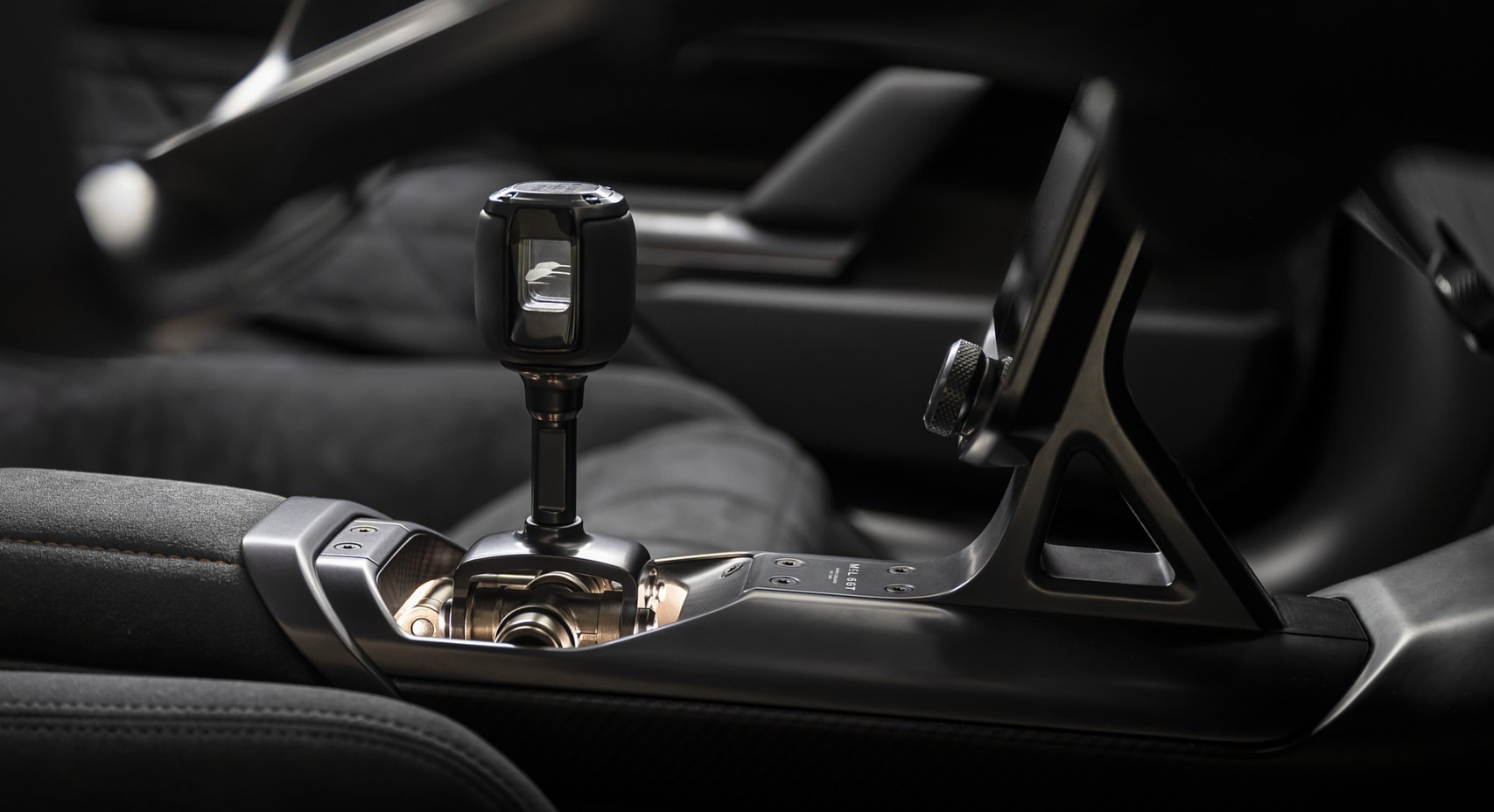
The 2028 McLaren McL 6GT interior could represent a substantial refinement of McLaren’s grand touring cabin philosophy. Unlike a stripped-down track car, a luxury GT must provide comfort during extended journeys while preserving the focused driving position expected from a supercar. A future model might feature a redesigned dashboard with a configurable digital instrument cluster, a larger central infotainment display, and improved physical controls. Premium leather, Alcantara, and exposed carbon-fiber trim could create a sophisticated atmosphere without adding unnecessary visual clutter. McLaren might also refine the center console to provide more accessible storage and improved ergonomics. The strongest interior would feel luxurious while maintaining a clear emphasis on the driving experience.
Seating comfort would be particularly important because the McL 6GT concept would emphasize longer journeys. A hypothetical 2028 model could introduce redesigned sports seats with improved lumbar support, additional adjustment options, and more comfortable cushioning. Higher equipment packages might offer heating, memory settings, and enhanced upholstery choices. McLaren would need to balance these features with its traditional focus on minimizing vehicle weight. Lightweight seat structures and carefully selected materials could provide comfort without excessive mass. A low seating position would preserve the driver’s connection to the chassis, while improved visibility and easier cabin access could make everyday use less demanding. The ideal seats would remain supportive during spirited driving without becoming uncomfortable on extended motorway trips.
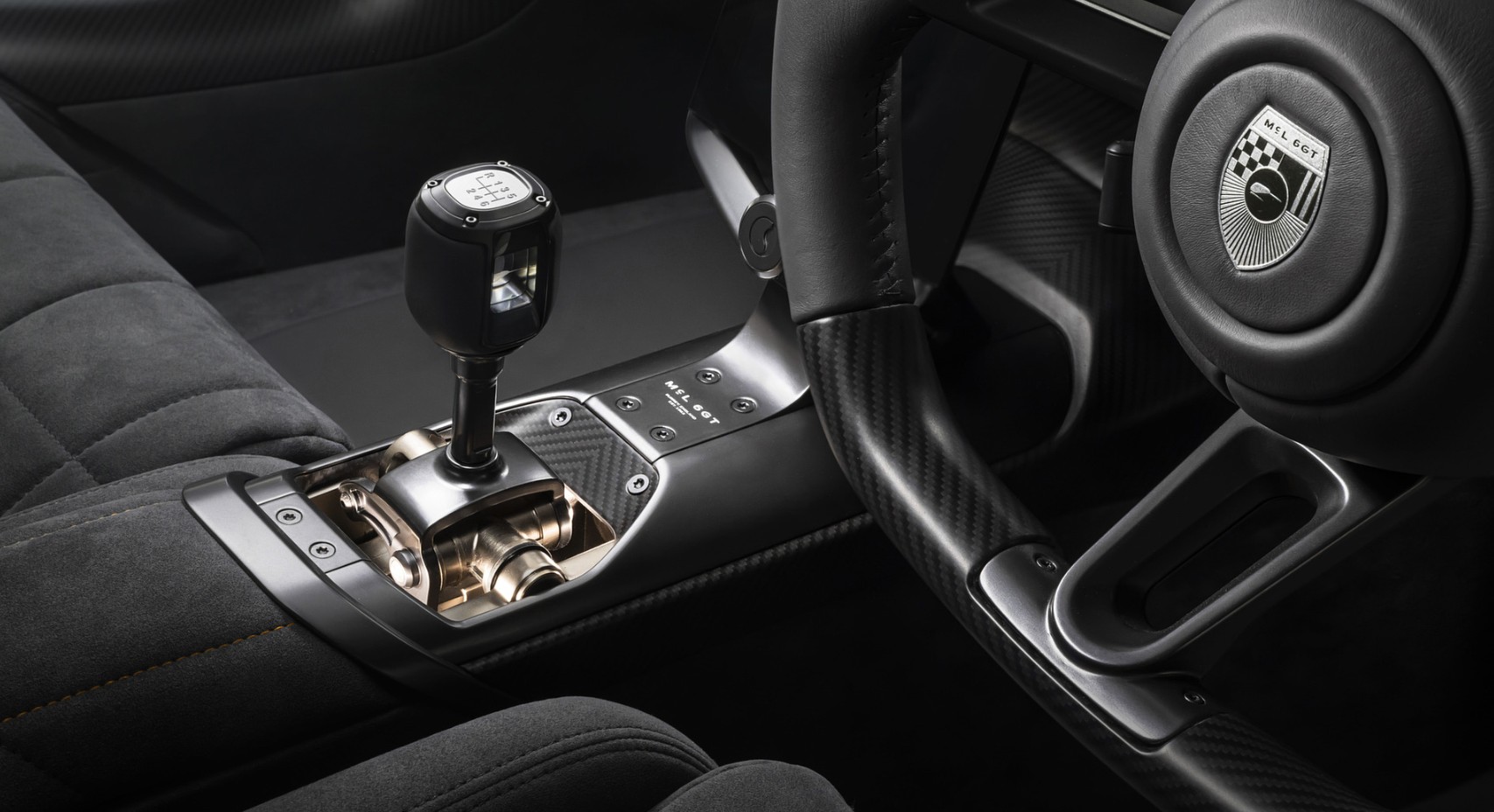
Infotainment technology could receive a major update. A future McL 6GT might feature wireless Apple CarPlay, improved smartphone integration, connected navigation, and a more responsive touchscreen interface. McLaren could also introduce enhanced voice control, allowing drivers to adjust selected settings without removing their hands from the steering wheel. A premium audio system might be available for customers who prioritize entertainment during longer journeys, although speaker placement and system weight would require careful consideration. Additional USB-C ports and wireless charging could improve convenience. The strongest technology package would avoid overwhelming the cabin with unnecessary displays, instead providing intuitive access to navigation, entertainment, climate control, and vehicle information through a carefully organized interface.
Practicality would remain a distinguishing feature of a McLaren grand tourer. The existing McLaren GTS demonstrates that a mid-engine supercar can provide useful luggage capacity through carefully designed storage compartments. A hypothetical 2028 McL 6GT could preserve this approach with a front luggage compartment and additional storage behind the passenger cabin. Improved heat insulation would be essential for protecting luggage stored near the engine. McLaren might also introduce redesigned door pockets, more convenient cupholders, and improved cabin storage for small personal items. Additional acoustic insulation could reduce road and wind noise during highway travel. The ideal 2028 McLaren McL 6GT cabin would make longer journeys more comfortable without compromising the compact dimensions and focused character of a mid-engine supercar.
The 2028 McLaren McL 6GT redesign could combine McLaren’s recognizable supercar proportions with a more sophisticated grand touring appearance. A hypothetical front fascia might feature slimmer LED headlights, a carefully sculpted hood, and aerodynamic openings integrated into the bumper. Rather than relying on oversized spoilers or excessively aggressive bodywork, the design could use carefully shaped surfaces to guide airflow around the vehicle. A low nose and wide stance would preserve the dramatic appearance expected from McLaren, while improved ground clearance management could make everyday driving more convenient. The strongest exterior would communicate high performance without sacrificing the elegance associated with long-distance grand touring, creating a vehicle that looks appropriate outside both luxury hotels and demanding mountain roads.
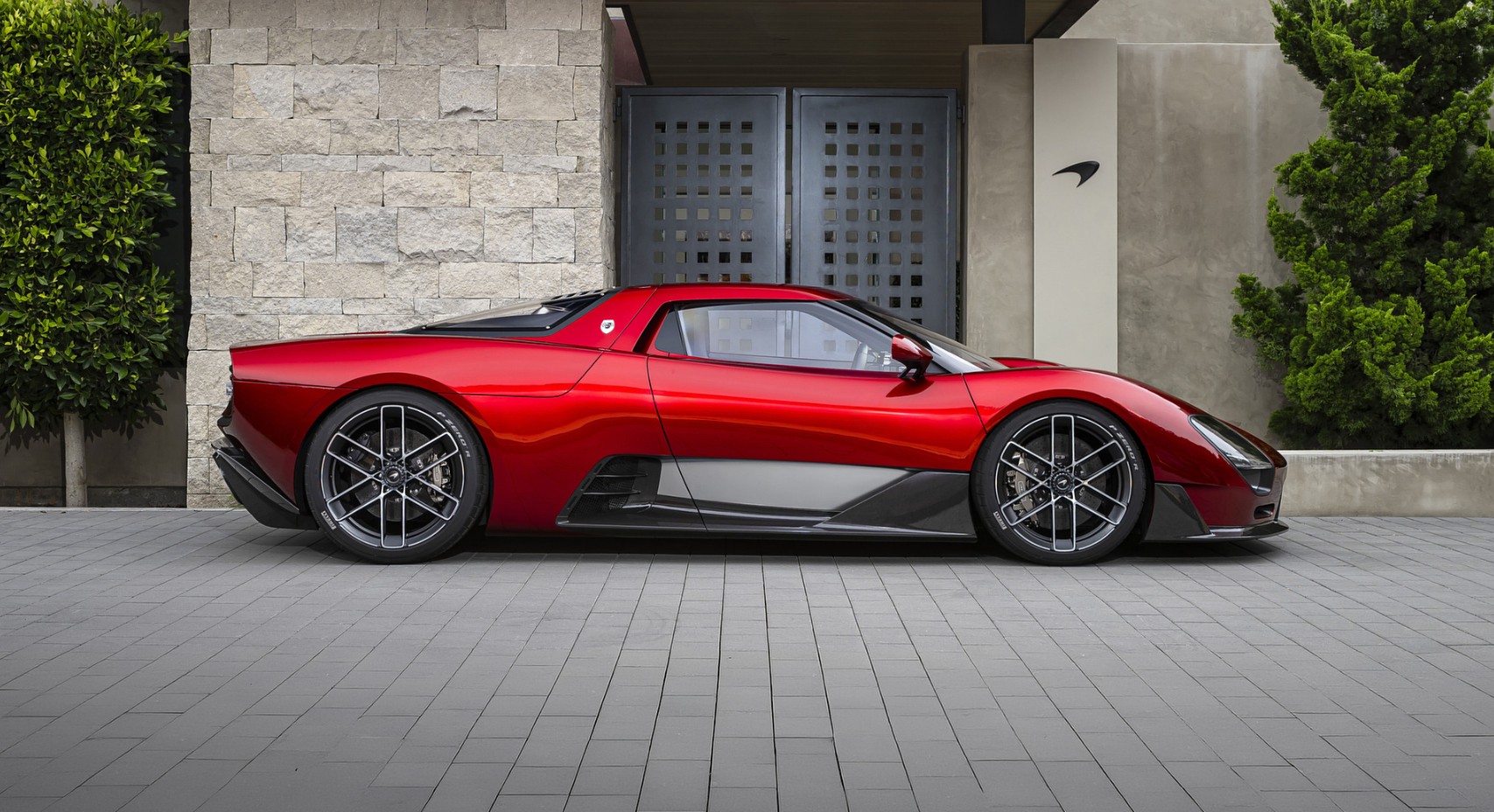
The side profile could emphasize a low roofline, pronounced rear haunches, and sculpted air intakes designed to feed the mid-mounted engine. McLaren’s established design language often uses flowing body surfaces to manage airflow while creating a distinctive visual identity. A hypothetical McL 6GT might introduce revised side channels, flush-mounted door handles, and lightweight aerodynamic mirrors. Wheel sizes around 20 inches at the front and 21 inches at the rear could be conceivable for a future high-performance GT, although McLaren has not confirmed any such specification. Lightweight forged wheels could reduce unsprung mass, improving steering response and suspension control. The strongest proportions would preserve a sense of elegance while making the vehicle immediately recognizable as a modern McLaren.
Aerodynamic development would be central to the McL 6GT’s performance. Engineers could refine the front splitter, underbody panels, rear diffuser, and active aerodynamic components to improve stability at high speeds. A carefully managed airflow system might also support cooling for the engine, transmission, and braking components. McLaren could use computational fluid dynamics and extensive wind-tunnel testing to balance aerodynamic efficiency with downforce generation. A grand touring vehicle would not necessarily require the extreme aerodynamic hardware found on track-focused models, but it would benefit from predictable behavior during sustained high-speed driving. The ideal design would provide strong stability and effective cooling while avoiding excessive drag that could increase fuel consumption and wind noise.
The rear of a hypothetical 2028 McLaren McL 6GT could feature narrow LED taillights, a sculpted engine cover, and a carefully integrated rear diffuser. A subtle active spoiler might adjust according to speed and driving conditions, providing additional aerodynamic support when required. McLaren could also introduce a redesigned rear luggage compartment inspired by the practical storage solutions used in earlier GT models. A lightweight powered tailgate might improve convenience, although its inclusion would depend on packaging and weight targets. Premium exterior finishes, exposed carbon-fiber details, and exclusive paint colors could offer extensive personalization. The strongest rear design would combine unmistakable supercar character with useful everyday functionality, reinforcing the vehicle’s position as a performance-oriented grand tourer. 2028 McLaren McL 6GT Review
2028 McLaren McL 6GT Specs
Engine & Performance
The 2028 McLaren McL 6GT engine could build upon McLaren’s established experience with twin-turbocharged V8 powertrains, although no official engine has been announced for a model carrying this name. The existing McLaren GTS provides a useful reference, featuring a 4.0-liter twin-turbocharged V8 producing 635 PS, equivalent to approximately 626 horsepower, and 630 Nm of torque. This engine is paired with a seven-speed dual-clutch transmission and drives the rear wheels. The configuration delivers strong acceleration while preserving the lightweight character associated with McLaren’s road cars. A future grand tourer might retain an evolved V8 architecture or introduce a different propulsion system depending on emissions requirements and McLaren’s product strategy.
A hypothetical 2028 McL 6GT could target approximately 650 to 750 horsepower if McLaren developed a more powerful version of its established twin-turbocharged V8. This range is an illustrative projection rather than an official manufacturer specification. A future powertrain might incorporate improved turbocharger response, revised engine management, and more sophisticated thermal control to maintain consistent performance during demanding driving. McLaren could also refine the dual-clutch transmission for smoother low-speed operation and faster responses during aggressive acceleration. Hybrid assistance might be technically conceivable, particularly given McLaren’s experience with electrified performance vehicles, but no hybrid system has been confirmed for a McL 6GT. Any electrification would need to balance additional performance against battery weight and packaging complexity.
Acceleration could become one of the vehicle’s strongest selling points. The McLaren GTS has demonstrated that a grand touring model can deliver acceleration comparable with more aggressive supercars, including a manufacturer-quoted 0–100 km/h time of approximately 3.2 seconds. A hypothetical 2028 McL 6GT with increased power and refined traction management might target approximately 2.8 to 3.2 seconds for the same sprint, depending on drivetrain and vehicle weight. These figures are projections rather than confirmed performance claims. McLaren could also improve steering precision, suspension response, and braking performance through revised electronic calibration and lightweight components. The strongest driving experience would combine immediate acceleration with predictable handling and the stability required for comfortable high-speed travel.
2028 McLaren McL 6GT Fuel Economy
The 2028 McLaren McL 6GT fuel economy would depend heavily on its final powertrain, vehicle weight, aerodynamic efficiency, and driving conditions. High-performance twin-turbocharged V8 engines generally consume considerably more fuel than conventional passenger-car powertrains, particularly during aggressive acceleration. A hypothetical gasoline-powered McL 6GT might achieve approximately 15 to 20 mpg combined under a U.S.-style test cycle, although this is not an official EPA estimate. Improved engine management and transmission calibration could contribute to better efficiency during steady highway travel. Hybrid assistance might improve urban consumption if introduced, but it would also increase mechanical complexity. The strongest engineering approach would improve efficiency without compromising the responsiveness and engaging character expected from a McLaren grand tourer.
2028 McLaren McL 6GT Safety Features
The 2028 McLaren McL 6GT safety features could combine advanced structural engineering with modern electronic driver assistance. McLaren’s established use of carbon-fiber passenger structures provides a foundation for strong occupant protection and relatively low vehicle weight. A future grand tourer might incorporate revised crash-management structures, improved airbag systems, and more sophisticated seatbelt technology. Electronic stability control and traction management would remain essential for controlling substantial engine output under different road conditions. McLaren could also refine braking technology to provide consistent stopping performance during repeated high-speed use. The strongest safety package would preserve the vehicle’s responsive driving character while helping drivers manage its considerable performance capabilities.
Driver-assistance technology could become more comprehensive as luxury GT customers increasingly expect convenient electronic support. A hypothetical McL 6GT might offer blind-spot monitoring, rear cross-traffic alert, parking sensors, and an improved surround-view camera system. Adaptive cruise control could provide additional convenience during long motorway journeys, although McLaren has not confirmed such equipment for a future model. A more sophisticated front camera might also support traffic-sign recognition and selected collision-warning functions. These technologies would need careful calibration because supercar steering, braking, and suspension characteristics differ from those of conventional passenger vehicles. The strongest implementation would provide useful assistance without interfering unnecessarily with the direct driving experience that defines the McLaren brand.
Braking and chassis technology would remain central to the vehicle’s active safety performance. A future McL 6GT could feature carbon-ceramic brakes, lightweight suspension components, and electronically controlled dampers designed to balance comfort with precise handling. Advanced traction management might provide different calibration settings for wet roads, normal driving, and more spirited use. McLaren could also refine tire specifications to improve grip and stability across a wider range of temperatures. A carefully engineered suspension system would help maintain predictable handling over uneven surfaces while reducing unnecessary harshness during long journeys. The ideal chassis would deliver confidence at high speeds without sacrificing the comfort required for a genuine grand touring vehicle.
The 2028 McLaren McL 6GT trim levels would depend on whether McLaren positioned the vehicle as a standalone model or developed several equipment configurations. A hypothetical standard GT could emphasize lightweight performance, premium interior materials, and essential convenience features. A Luxury specification might introduce additional leather upholstery, upgraded seating, and enhanced audio equipment. A Performance configuration could feature lightweight wheels, additional carbon-fiber components, and more aggressive chassis settings. McLaren Special Operations could potentially offer extensive personalization through exclusive paint finishes, bespoke interior materials, and unique exterior details. However, no official McL 6GT trim structure has been announced. The strongest lineup would allow customers to tailor the vehicle without compromising its core grand touring identity.
2028 McLaren McL 6GT Release Date & Price
The 2028 McLaren McL 6GT price would depend on whether McLaren develops the proposed model and how it positions the vehicle within its broader supercar lineup. A hypothetical starting MSRP of approximately $250,000 to $300,000 could be conceivable for a future mid-engine grand tourer featuring advanced carbon-fiber construction and a high-output V8. This estimate is not an official McLaren price announcement. A new platform, more sophisticated electronics, and additional luxury equipment could increase manufacturing costs considerably. McLaren would also need to consider the positioning of existing and future models to avoid unnecessary overlap. The strongest value proposition would combine distinctive performance and premium craftsmanship with the practicality expected from a luxury grand touring supercar.
Higher equipment packages and extensive personalization could increase the price substantially. A hypothetical luxury-focused configuration might cost approximately $300,000 to $340,000, while a performance-oriented or heavily customized version could potentially exceed $350,000. These figures are illustrative projections rather than confirmed MSRPs. McLaren Special Operations personalization could add significant costs through exclusive paint finishes, bespoke upholstery, and specialized carbon-fiber components. Buyers would also need to consider insurance, maintenance, tire replacement, and potential depreciation. A high-performance GT requires specialized servicing and expensive consumable components, making ownership costs substantially different from those of conventional luxury vehicles. The strongest configuration would depend on whether the buyer prioritizes comfort, visual exclusivity, or maximum performance.
The 2028 McLaren McL 6GT release date remains entirely unconfirmed because McLaren has not announced a production vehicle carrying this designation. If the company chose to introduce a new grand touring model during the 2028 model year, a hypothetical debut could occur during 2027 or 2028, depending on development and manufacturing schedules. However, there is no verified evidence that such a program is scheduled under the McL 6GT name. McLaren might instead continue evolving its existing grand touring products or introduce a differently named successor. No official reservation program, dealership allocation, production volume, or delivery schedule has been established for a 2028 McL 6GT. Buyers should not treat speculative launch windows as confirmed manufacturer plans.
A future McLaren grand tourer would compete in a demanding luxury performance market where design, exclusivity, driving experience, and craftsmanship strongly influence purchasing decisions. The Aston Martin DB12 emphasizes front-engine grand touring refinement, while the Bentley Continental GT combines substantial performance with an exceptionally luxurious cabin. Ferrari offers another interpretation of high-performance grand touring through its distinctive engineering and design philosophy. McLaren could distinguish a future GT through lightweight carbon-fiber construction, mid-engine balance, and unusually responsive handling. A hypothetical 2028 McLaren McL 6GT could appeal to buyers who want supercar acceleration without abandoning the convenience required for longer journeys. Its success would depend on delivering meaningful improvements in comfort, technology, and everyday usability alongside exceptional performance. 2028 McLaren McL 6GT Review
Conclusion
The 2028 McLaren McL 6GT could represent an exciting interpretation of McLaren’s grand touring philosophy if the company decides to develop a new model under this designation. Its greatest opportunity would be to combine the lightweight construction and precise handling associated with McLaren supercars with the comfort and convenience expected from a premium GT. A carefully developed exterior could introduce improved aerodynamics and distinctive styling, while a redesigned cabin might provide more sophisticated technology and better long-distance comfort. The strongest version would preserve McLaren’s recognizable driving character without requiring owners to sacrifice practical features. Such a vehicle could appeal to enthusiasts seeking exceptional performance in a more accommodating package.
Powertrain development would be central to the vehicle’s potential appeal. McLaren’s established twin-turbocharged V8 technology provides a foundation for strong acceleration, responsive throttle behavior, and high-speed performance. A future model might introduce improved engine calibration, more efficient thermal management, and refined transmission behavior to strengthen everyday usability. However, no official 2028 McL 6GT engine, horsepower rating, acceleration figure, or fuel-economy estimate has been confirmed. Projected specifications should therefore be treated as possibilities rather than guaranteed production details. The strongest powertrain strategy would balance extraordinary performance with smooth low-speed operation and dependable long-distance capability, ensuring that the vehicle remains a genuine grand tourer rather than a track-focused supercar with additional luggage space.
Interior comfort and practical technology would also influence the success of a future McLaren GT. Supportive seats, improved sound insulation, intuitive infotainment, and useful luggage compartments could make extended journeys more enjoyable. McLaren could further strengthen its appeal through carefully organized equipment packages and extensive personalization options. Buyers in this segment expect exceptional materials, distinctive craftsmanship, and a sense of exclusivity that extends beyond acceleration figures. Competitive positioning would remain important because established luxury GT manufacturers offer sophisticated alternatives with different driving characteristics. The strongest McL 6GT would combine modern technology with McLaren’s established engineering philosophy, creating a compelling balance between performance, comfort, exclusivity, and everyday usability.
The 2028 McLaren McL 6GT remains a hypothetical model rather than a confirmed production vehicle, but the concept illustrates how McLaren could further develop its grand touring identity. A successful future GT could combine advanced carbon-fiber engineering, powerful turbocharged performance, refined suspension technology, and a more luxurious cabin. Its greatest strength would lie in delivering the excitement of a mid-engine supercar with enough comfort and practicality for extended road trips. Until McLaren announces official specifications, pricing, trim levels, and a release schedule for a vehicle carrying this name, the final details remain uncertain. The company’s existing grand touring heritage nevertheless provides a compelling foundation for imagining a future model focused on lightweight performance and exceptional driving enjoyment.
Note: The details included in this blog post are derived from pre-release material that was accessible when the article was written. If you want the latest information, you should check official sources or call your nearest dealership.
Read Also:
- 2028 McLaren 570GT Redesign, Specs, Configurations
- 2028 McLaren 720S Review, Specs, Price
- 2028 McLaren 570S Coupe Release Date, Specs, Interior
- 2028 McLaren 570GT Release Date, Specs, Dimensions
- 2027 McLaren Artura Spider MCL39 Championship Edition Specs, Price, Review
Frequently Asked Questions
2028 McLaren McL 6GT Review, Price, Configurations - The 2028 McLaren McL 6GT could represent an intriguing new direction for McLaren's grand touring philosophy, combining the dramatic performance of a mid-engine supercar with the comfort and usability expected from an exclusive luxury GT. McLaren has developed several vehicles…
The McL 6GT name has not been established as an officially announced McLaren production model. McLaren has not published verified specifications, photographs, prices, trim levels, or a launch schedule for a vehicle carrying the 2028 McL 6GT designation. Consequently, this article examines a potential grand touring supercar inspired…
The appeal of a future McL 6GT would depend on its ability to occupy the space between an uncompromising track-focused supercar and a traditional luxury grand tourer. Drivers considering a McLaren often prioritize acceleration, steering precision, and an engaging relationship with the road, but GT customers also value…
A successful 2028 McLaren McL 6GT would face demanding competition from established luxury performance cars, including the Ferrari Roma Spider, Aston Martin DB12, and Bentley Continental GT. These vehicles approach grand touring through different combinations of power, refinement, and driving character. McLaren's distinctive advantage would remain its emphasis…
2028 McLaren McL 6GT Redesign and Update Plan Exterior & Interior The 2028 McLaren McL 6GT interior could represent a substantial refinement of McLaren's grand touring cabin philosophy. Unlike a stripped-down track car, a luxury GT must provide comfort during extended journeys while preserving the focused driving position…