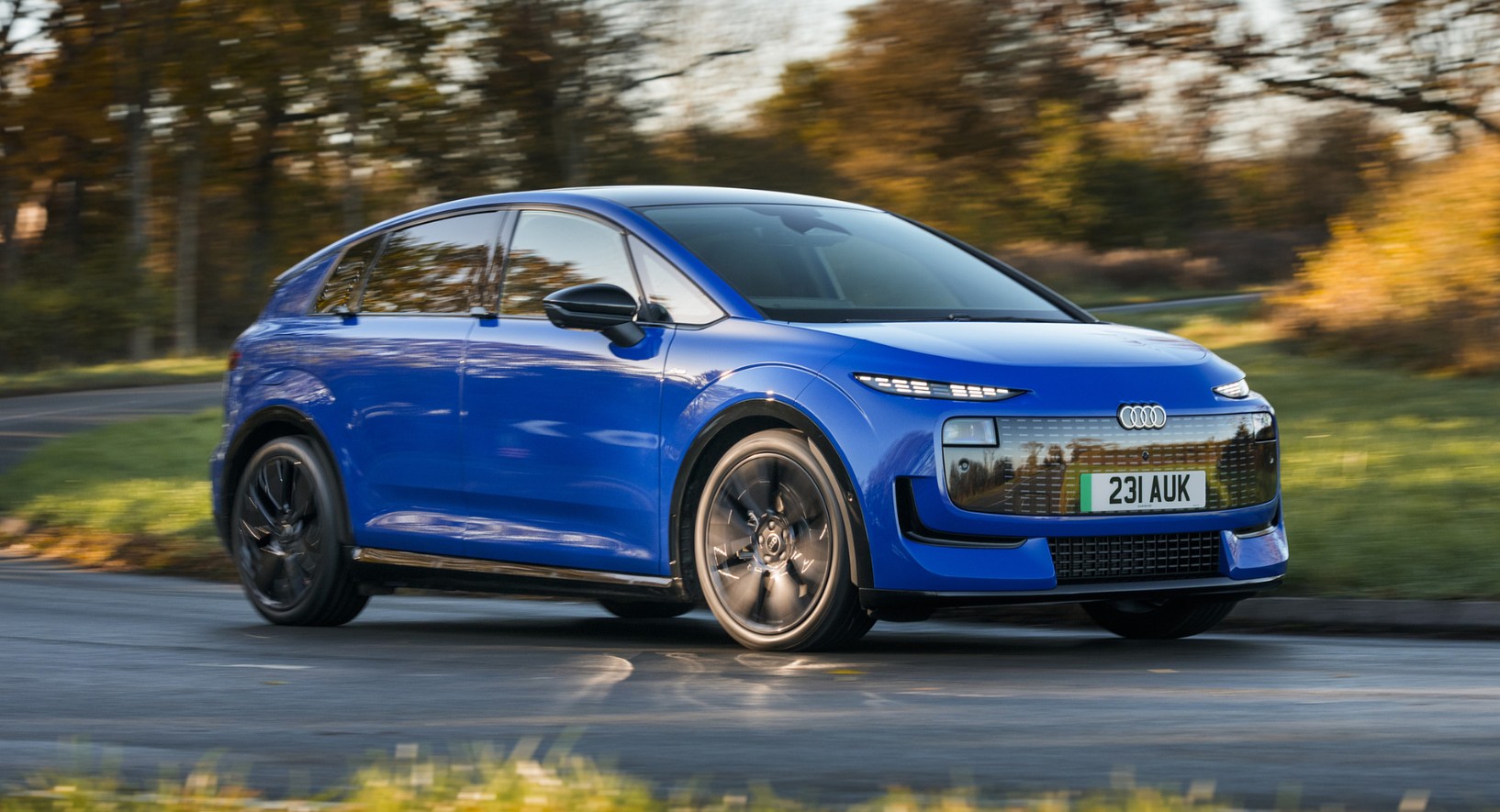
2027 Audi A2 e-tron Redesign, Price, Configurations – The 2027 Audi A2 e-tron is shaping up to be an important addition to Audi’s electric vehicle lineup, bringing premium German engineering, impressive driving efficiency, and everyday practicality into the compact electric car segment. Designed to make electric mobility more accessible, the A2 e-tron combines a distinctive aerodynamic exterior, a technologically advanced cabin, and an electric powertrain engineered to deliver an excellent balance between performance and energy consumption.
Unlike many electric vehicles that rely on increasingly large batteries to achieve longer driving distances, the new Audi A2 e-tron takes a different approach. Its development focuses on reducing energy consumption through improved aerodynamics, optimized electric motors, advanced battery technology, and intelligent vehicle engineering. Audi claims an impressive WLTP driving range of up to 646 kilometers, making this compact electric model an appealing option for drivers who want fewer charging stops without moving into a larger and more expensive vehicle category.
The return of the A2 name also carries historical significance. The original Audi A2 was recognized for its lightweight construction, distinctive design, and innovative approach to efficiency. The new electric generation follows a similar philosophy while introducing modern technology, sophisticated digital features, and the refinement expected from a contemporary Audi. With production based in Ingolstadt, Germany, the 2027 Audi A2 e-tron represents a new direction for the brand’s entry-level electric offerings. 2027 Audi A2 e-tron Redesign
2027 Audi A2 e-tron Redesign and Update Plan
Exterior & Interior
The 2027 Audi A2 e-tron introduces a completely new interpretation of the original A2 concept, combining compact proportions with the aerodynamic requirements of a modern electric vehicle. Rather than simply reproducing the appearance of its predecessor, Audi has developed a more contemporary design that emphasizes clean surfaces, intelligent packaging, and functional details. The rounded front section, flowing roofline, carefully shaped body panels, and distinctive rear profile contribute to a vehicle that looks recognizable as an Audi while establishing its own identity within the expanding e-tron family. Its development also reflects Audi’s intention to make premium electric transportation more accessible without sacrificing its established engineering standards.
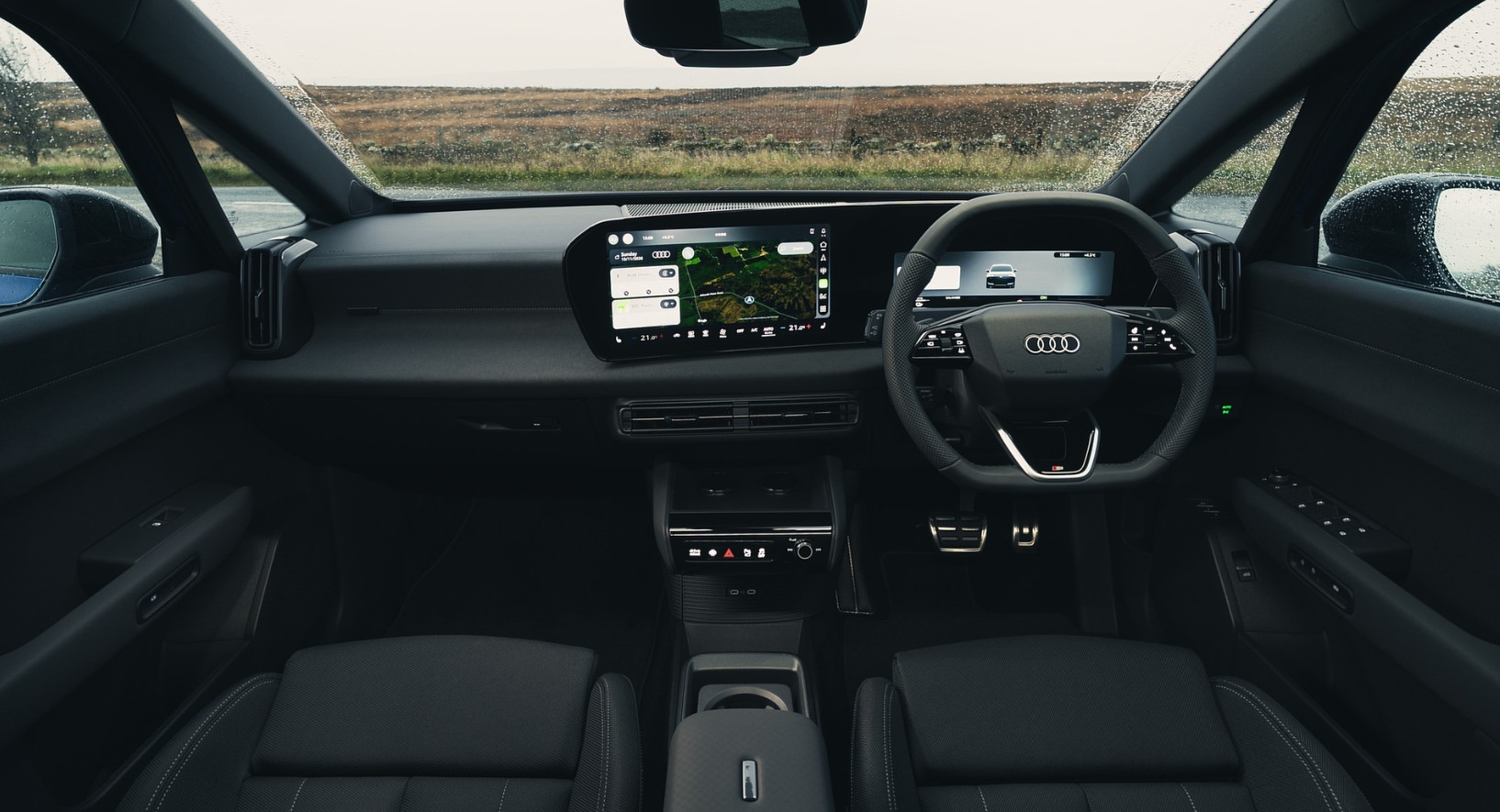
Aerodynamic development is one of the most important parts of the A2 e-tron’s redesign. The vehicle achieves a drag coefficient of just 0.24, an impressive figure for a compact production car. Audi uses several carefully integrated aerodynamic solutions, including an active cooling-air intake, a largely enclosed underbody, specially designed aerodynamic wheels, and components that reduce turbulence around the wheel arches. The wing-shaped electric door handles also contribute to the streamlined appearance by blending into the side profile. These improvements are not simply styling exercises because they help reduce air resistance, improve energy consumption, and increase the distance the vehicle can travel using its available battery capacity.
The rear section introduces another distinctive feature that connects the electric model with the original Audi A2. A sweeping lip spoiler divides the rear window, creating a recognizable visual signature while supporting the vehicle’s aerodynamic development. Slim rear lights give the back end a modern appearance, while carefully finished exterior details reinforce its premium character. The overall design balances practicality with visual sophistication, avoiding unnecessarily aggressive styling that could compromise the car’s efficient proportions. Audi has also focused on making the exterior suitable for everyday urban driving, where compact dimensions, good visibility, and convenient access are important considerations for drivers navigating crowded streets and limited parking spaces.
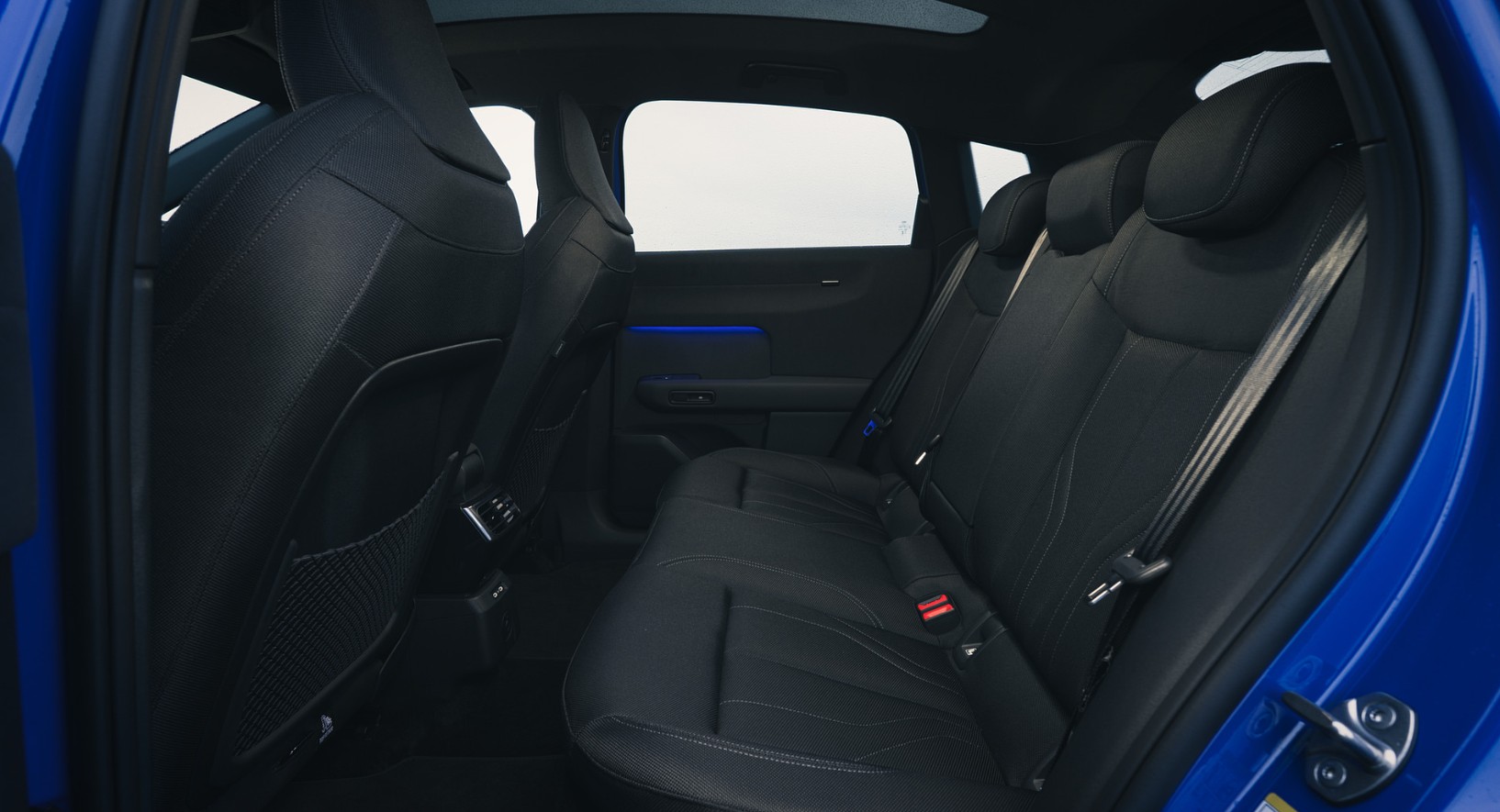
Inside, the 2027 Audi A2 e-tron places particular emphasis on space, comfort, and digital functionality. The cabin uses a design concept called Softwrap, featuring soft fabric-covered surfaces that extend across the dashboard, door panels, and rear interior sections. This treatment creates a welcoming atmosphere while giving the compact cabin a more sophisticated appearance. The dashboard incorporates an MMI panoramic display consisting of an 11.9-inch Audi virtual cockpit plus and a 12.8-inch curved MMI touchscreen. These screens provide access to essential driving information, entertainment, navigation, and vehicle settings through a modern digital interface designed to make everyday operation more convenient.
Passenger comfort is supported by an interior layout that makes intelligent use of the vehicle’s compact footprint. Audi offers an optional panoramic glass roof measuring approximately 1.6 square meters, allowing natural light to enter the cabin and creating a more open feeling for occupants. Its special coating is designed to protect passengers from ultraviolet radiation. Another interesting feature is the integrated Fidlock fastening system, which uses magnetic attachments to support modular storage solutions. Drivers can attach compatible accessories such as cupholders and charging-cable bags to designated mounting points in the center console and luggage compartment. Combined with digital connectivity features, including Microsoft Outlook, Microsoft Teams, and an AI-based work assistant, the cabin is designed to support both personal transportation and modern working routines.
2027 Audi A2 e-tron Specs
Engine & Performance
The 2027 Audi A2 e-tron is powered by permanent-magnet synchronous electric motors developed around the Volkswagen Group’s Modular Electric Drive Matrix architecture. Audi has concentrated on improving the efficiency of the electric drive system rather than focusing exclusively on maximum horsepower. Improvements to the power electronics, motor construction, and transmission help reduce unnecessary energy losses while maintaining responsive acceleration and smooth power delivery. The vehicle offers four power levels, starting at 125 kW and extending to 240 kW, giving customers the opportunity to choose between an efficiency-oriented configuration and a more powerful performance-focused version. This range makes the A2 e-tron suitable for drivers with different expectations regarding daily commuting and highway performance.
The entry-level powertrain produces 125 kW, equivalent to approximately 170 horsepower, with 350 Nm of torque. The next configuration delivers 140 kW, or around 190 horsepower, while maintaining the same maximum torque figure. Moving further up the lineup, the 170 kW version produces approximately 231 horsepower and 350 Nm of torque. At the top of the range, the 240 kW model generates approximately 326 horsepower and 545 Nm of torque. These figures give the compact Audi a substantial performance range, particularly considering its intended role as an accessible electric model. The strongest configuration can accelerate from zero to 62 mph in approximately 5.7 seconds, demonstrating that efficiency does not necessarily require sacrificing driving excitement.
The A2 e-tron’s rear-wheel-drive configuration contributes to its balanced driving characteristics, while electric power delivery provides immediate torque when accelerating from a standstill. Unlike conventional gasoline engines, the electric motor does not require multiple gear changes to deliver strong initial acceleration. This creates a smooth and predictable response in urban traffic, where frequent stopping and starting are common. The vehicle also incorporates four levels of regenerative braking, allowing drivers to adjust how strongly the electric motor recovers energy when slowing down. One-pedal driving is available through the B position on the selector, making it possible to manage much of everyday acceleration and deceleration using the accelerator pedal.
Audi has also improved the electric drive system to reduce mechanical and electrical losses. The upgraded APP350 motor uses a revised rotor and stator arrangement, while silicon carbide semiconductors in the power electronics help improve efficiency during everyday driving. The transmission uses a long 10.2:1 gear ratio and specially selected low-viscosity oil to reduce friction. These engineering improvements are particularly relevant during partial-load operation, such as driving through towns or traveling along ordinary country roads. Noise reduction is another development priority, with measures designed to reduce unwanted motor vibrations and high-frequency sounds. The result is a more refined driving experience that complements the A2 e-tron’s premium positioning. 2027 Audi A2 e-tron Redesign
2027 Audi A2 e-tron Fuel Economy
Although the Audi A2 e-tron does not use conventional gasoline or diesel fuel, its electricity consumption is one of its most important specifications. Audi has developed this model around the principle that reducing energy consumption can be just as valuable as increasing battery capacity. The most efficient configuration, the 140 kW version equipped with the optional efficiency package, achieves a preliminary WLTP consumption figure of just 12.8 kWh per 100 kilometers. This makes it the most energy-efficient series-production Audi announced in the company’s history. Such a result is particularly attractive for customers who want to reduce the cost of everyday electric driving while maintaining enough range for longer journeys.
Battery selection plays an important role in determining the driving range and charging characteristics. The A2 e-tron is available with three gross battery capacities: 52 kWh, 61 kWh, and 84 kWh. The smaller battery is designed for customers who primarily drive in urban environments and want a more accessible purchase price. The 61 kWh option provides a stronger balance between capacity, weight, and everyday usability, while the larger 84 kWh battery is intended for drivers who regularly travel longer distances. Depending on the powertrain and equipment configuration, Audi quotes WLTP driving ranges of up to approximately 646 kilometers, making the compact electric vehicle particularly competitive in its segment.
Charging performance is another important consideration, especially for customers who intend to use the A2 e-tron for regular highway travel. The 84 kWh battery supports DC fast charging at up to 183 kW, allowing the battery to charge from 10 to 80 percent in approximately 29 minutes under suitable conditions. The 52 kWh battery supports charging at up to 100 kW and requires approximately 24 minutes for the same charging interval. The 61 kWh battery offers a maximum DC charging rate of up to 105 kW, with a charging time of approximately 25 to 26 minutes depending on the published specification and market configuration. These charging capabilities help make longer journeys more manageable by reducing the amount of time spent at charging stations.
The A2 e-tron also introduces useful bidirectional charging functionality, expanding the role of the vehicle beyond ordinary transportation. Vehicle-to-Load technology allows the high-voltage battery to supply electricity to compatible external equipment, including e-bikes, laptops, and other portable devices. This feature can be particularly useful during outdoor activities, road trips, and situations where access to a conventional electrical outlet is limited. Vehicle-to-Home technology can also allow the car to supply stored electricity back to a household through a compatible DC wallbox in supported markets. Together, these functions make the A2 e-tron a more flexible energy resource, although actual availability depends on the market, charging equipment, and local regulations.
2027 Audi A2 e-tron Safety Features
Safety is an important part of the 2027 Audi A2 e-tron’s development, particularly because the vehicle is designed to operate in busy urban environments as well as on faster roads. Audi equips the compact electric model with a comprehensive collection of driver assistance technologies, bringing several features normally associated with larger premium vehicles into a smaller segment. Standard equipment includes front emergency brake assist, swerve assist, attention assist, adaptive cruise control, parking system plus, and a reversing camera. These technologies are designed to support the driver in different traffic situations, reduce the possibility of certain collisions, and make everyday driving less stressful.
The front emergency brake assist system is designed to recognize potential frontal collision situations involving vehicles or pedestrians and automatically apply the brakes when necessary. Audi states that the system can intervene at speeds of up to approximately 52 mph, depending on operating conditions. Swerve assist provides additional support when a driver needs to steer around an obstacle, operating within a specified speed range. Attention assist also monitors driver activity and can identify signs of reduced attention. These systems are particularly valuable during long journeys, where fatigue, unexpected traffic movements, and sudden obstacles can increase the difficulty of maintaining a safe driving environment.
The A2 e-tron also incorporates emergency assistance technology that can respond when the driver becomes inactive. If the system detects that the driver is not responding, it provides visual, audible, and haptic warnings intended to encourage the driver to regain control. If there is still no response, the system can initiate an emergency stop and place an emergency call. When equipped with the optional Tech Pro package, additional functionality can support an emergency maneuver toward the roadside. Optional safety equipment includes surround-view cameras with three-dimensional visualization, rear emergency braking, advanced parking assistance, and a proactive occupant protection system. The latter can prepare the cabin for certain detected hazards by tightening seat belts, closing windows, and activating warnings.
Technology inside the cabin also contributes to the overall driving experience. The standard Audi assistant incorporates artificial intelligence to provide a more interactive way of accessing selected vehicle functions and digital services. The integrated e-tron route planner helps drivers organize electric journeys by considering charging requirements and navigation information. The panoramic MMI display keeps essential driving information and infotainment controls within easy reach, while connected services expand the vehicle’s digital capabilities. Adaptive cruise control can support speed and distance management in appropriate traffic conditions, although driver supervision remains essential. Taken together, these systems position the A2 e-tron as a technologically advanced compact electric vehicle with a strong emphasis on driver assistance and everyday convenience. 2027 Audi A2 e-tron Redesign
2027 Audi A2 e-tron Release Date & Price
The 2027 Audi A2 e-tron lineup is built around different powertrain and battery combinations rather than relying exclusively on cosmetic trim distinctions. Audi offers four main power outputs: 125 kW, 140 kW, 170 kW, and 240 kW. These configurations provide a broad selection for customers with different priorities, ranging from affordable everyday transportation to stronger acceleration and longer-distance capability. Battery capacities of 52 kWh, 61 kWh, and 84 kWh further expand the available combinations. This approach allows buyers to select a vehicle according to their driving habits, charging access, and performance expectations instead of paying for capabilities they may rarely use.
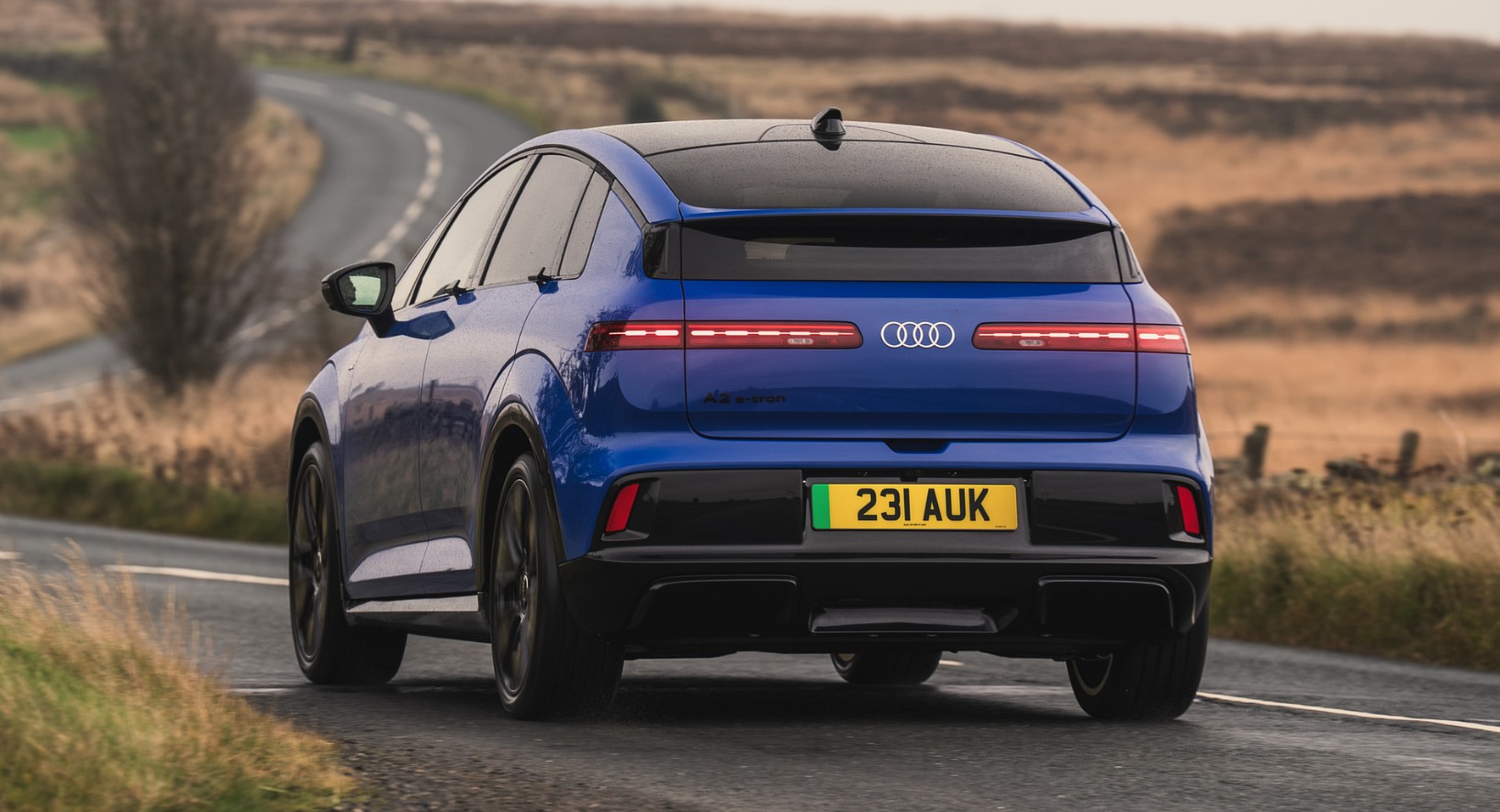
In terms of equipment and appearance, the S line and Edition 1 versions provide additional opportunities for personalization in markets where these specifications are offered. The S line configuration includes sports seats finished in cloth and microfibre, giving the interior a more dynamic character. Edition 1 adds distinctive microfibre upholstery with red stitching, along with electrically adjustable front seats featuring memory functionality. These versions build on the standard cabin equipment while introducing more distinctive design details and additional comfort features. Buyers should check their local Audi configurator because the exact equipment combinations, available packages, and trim designations can differ between countries.
Pricing varies according to battery capacity, motor output, and national market requirements. In Germany, Audi announced a starting price of €38,200 for the 125 kW version equipped with the 52 kWh battery. The 61 kWh configuration starts at €41,900, while the 170 kW version with the 84 kWh battery is priced from €48,900. The range-topping 240 kW model starts at €51,200. In the United Kingdom, the announced starting price is £32,200 on the road. These figures provide a useful indication of the A2 e-tron’s positioning, although optional equipment, taxes, dealer charges, and local specifications can affect the final purchase price. Buyers outside Europe should not assume that these European prices will translate directly into their domestic markets.
The Audi A2 e-tron made its official debut in September 2026, with production taking place at Audi’s main facility in Ingolstadt, Germany. European orders opened on September 10, 2026, and the first European deliveries were scheduled to begin in December 2026. In the United Kingdom, orders opened in October 2026, with customer deliveries expected in early 2027. Consequently, the 2027 model-year designation is particularly relevant to markets receiving their first customer vehicles during 2027. Audi’s decision to manufacture the model in Ingolstadt also reinforces the importance of its German production network. International availability, including potential introductions in Asian markets, will depend on Audi’s individual market plans rather than a single worldwide release schedule.
Conclusion
The 2027 Audi A2 e-tron represents a significant development in the company’s compact electric vehicle strategy. Its combination of aerodynamic engineering, efficient electric motors, multiple battery options, and practical interior packaging gives it a clear purpose within the premium electric car market. The maximum WLTP range of approximately 646 kilometers, low energy consumption of 12.8 kWh per 100 kilometers in the most efficient configuration, and DC fast-charging capability of up to 183 kW make it particularly interesting for drivers who want an electric vehicle capable of handling more than short urban journeys.
Its strongest qualities extend beyond battery performance. The digital panoramic cockpit, intelligent driver assistance systems, modular storage solutions, panoramic roof availability, and bidirectional charging technology give the compact Audi a broader range of everyday capabilities. Meanwhile, the more powerful 240 kW configuration demonstrates that an efficiency-focused electric vehicle can still deliver entertaining acceleration. The return of the A2 name also gives the model a distinctive identity, connecting Audi’s earlier commitment to lightweight efficiency with the demands of contemporary electric mobility.
For buyers considering a premium compact electric car, the A2 e-tron deserves attention because it combines practical dimensions with technology and efficiency normally associated with more expensive vehicles. Its final appeal will depend on local pricing, equipment availability, charging infrastructure, and real-world driving conditions. Nevertheless, Audi has established a compelling foundation with a model that prioritizes intelligent engineering rather than relying solely on larger batteries or excessive power. The 2027 Audi A2 e-tron could become an important choice for customers seeking an efficient, technologically advanced, and versatile German electric vehicle.
Note: The details included in this blog post are derived from pre-release material that was accessible when the article was written. If you want the latest information, you should check official sources or call your nearest dealership.
Read Also:
- 2028 Audi RS 7 Performance Release Date, Specs, Interior
- 2028 Audi Q8 e-tron Dakar Edition Review, Specs, Dimensions
- 2027 Audi Q2 Specs, Price, Configurations
- 2027 Audi E Concept Review, Performance, Features
- 2027 Audi Q8 Redesign, Price, Specs
Frequently Asked Questions
2027 Audi A2 e-tron Redesign, Price, Configurations - The 2027 Audi A2 e-tron is shaping up to be an important addition to Audi's electric vehicle lineup, bringing premium German engineering, impressive driving efficiency, and everyday practicality into the compact electric car segment. Designed to make electric mobility more…
Unlike many electric vehicles that rely on increasingly large batteries to achieve longer driving distances, the new Audi A2 e-tron takes a different approach. Its development focuses on reducing energy consumption through improved aerodynamics, optimized electric motors, advanced battery technology, and intelligent vehicle engineering. Audi claims an impressive…
The return of the A2 name also carries historical significance. The original Audi A2 was recognized for its lightweight construction, distinctive design, and innovative approach to efficiency. The new electric generation follows a similar philosophy while introducing modern technology, sophisticated digital features, and the refinement expected from a…
2027 Audi A2 e-tron Redesign and Update Plan Exterior & Interior The 2027 Audi A2 e-tron introduces a completely new interpretation of the original A2 concept, combining compact proportions with the aerodynamic requirements of a modern electric vehicle. Rather than simply reproducing the appearance of its predecessor, Audi…
Aerodynamic development is one of the most important parts of the A2 e-tron's redesign. The vehicle achieves a drag coefficient of just 0.24, an impressive figure for a compact production car. Audi uses several carefully integrated aerodynamic solutions, including an active cooling-air intake, a largely enclosed underbody, specially…