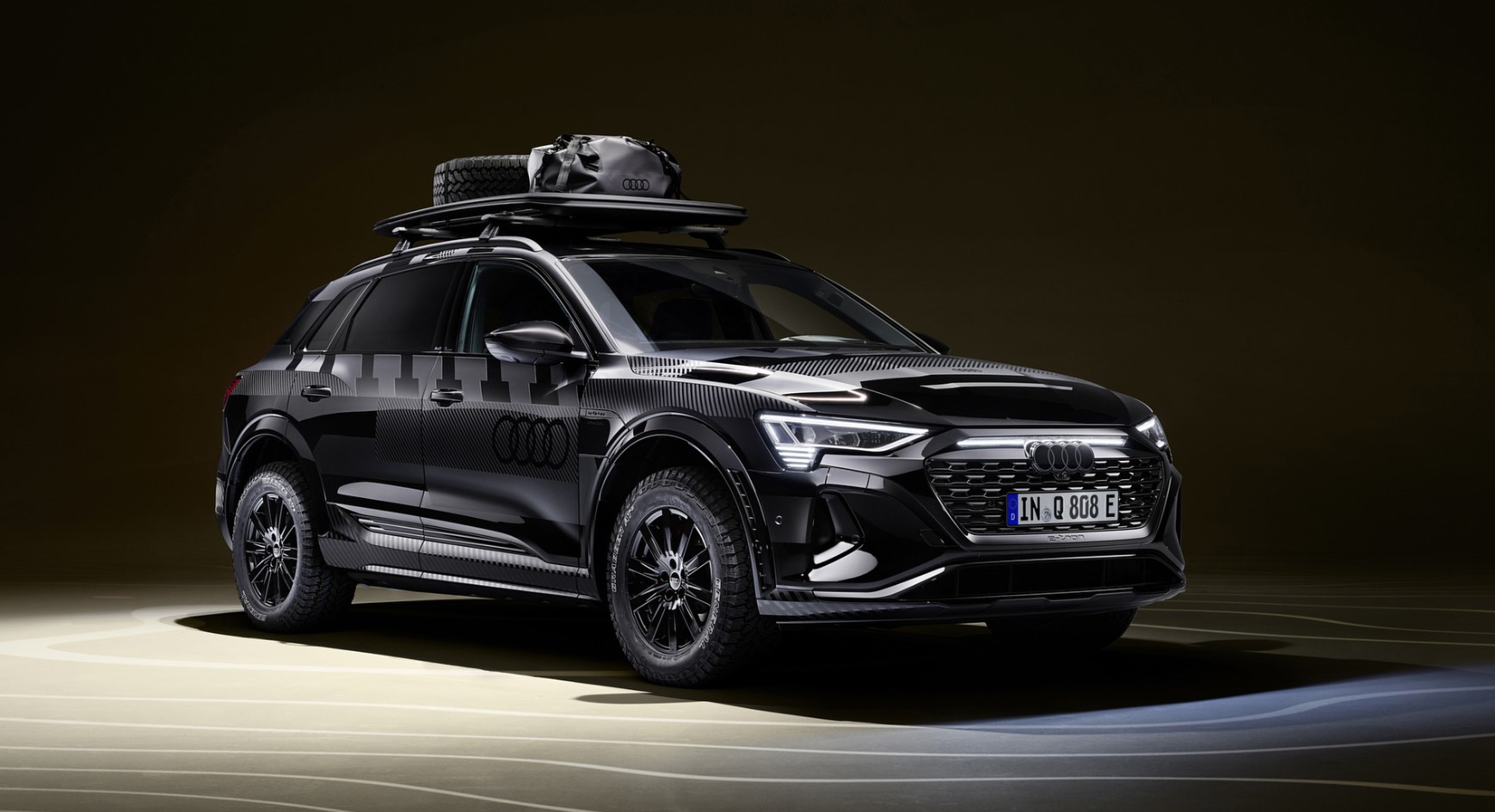
2028 Audi Q8 e-tron Dakar Edition Review, Specs, Dimensions – The 2028 Audi Q8 e-tron Dakar Edition would be an intriguing return to one of Audi’s most unusual electric SUV ideas: taking a premium battery-electric crossover and giving it the hardware, stance and attitude of an off-road machine. The concept is not without precedent. Audi introduced the Q8 e-tron edition Dakar for the 2024 model year, inspired by the RS Q e-tron rally program and equipped with raised suspension, aggressive tires, distinctive bodywork and a 114-kWh gross battery. However, the original Q8 e-tron family was discontinued in 2025, making any 2028 Dakar Edition a future product rather than a currently confirmed production model. That distinction matters because Audi has not officially announced a 2028 Q8 e-tron Dakar Edition, pricing, specifications or release date.
The original edition Dakar showed exactly how Audi could transform an electric luxury SUV without turning it into a conventional hardcore off-roader. Based on the Q8 55 e-tron quattro, the Dakar model combined dual electric motors with quattro all-wheel drive, adaptive air suspension and special all-terrain tires. Audi increased ground clearance, widened the visual stance and added equipment intended to make the vehicle more capable away from paved roads. The result was not designed to replace a dedicated rock-crawling SUV, but it demonstrated that a premium EV could be adapted for dirt, gravel, sand and rough trails while retaining long-distance road capability. A future 2028 version could take that philosophy considerably further.
The timing would also make sense from a product-development perspective. Audi has been transitioning toward a new generation of electric vehicles built on newer architectures, while the original Q8 e-tron platform belongs to an earlier phase of the company’s EV strategy. A hypothetical 2028 Dakar Edition would therefore be unlikely to simply return with the old battery and motors unchanged. If Audi revived the name, a new model could combine a newer battery-electric platform, improved charging technology, more sophisticated torque management and stronger off-road software. The Dakar branding could then become a performance-oriented derivative rather than merely a special appearance package.
For buyers researching the 2028 Audi Q8 e-tron Dakar Edition price, the most important fact is that no official MSRP exists today. The previous Q8 e-tron edition Dakar launched in Germany at €120,000 before applicable local costs and options, while the standard Q8 55 e-tron on which it was based had substantially lower pricing. That historical figure is useful for understanding positioning, but it should not be presented as a 2028 price. A future Audi electric Dakar model could cost considerably more depending on battery capacity, platform technology, production volume and market positioning. The following specifications therefore separate confirmed historical information from forward-looking expectations. 2028 Audi Q8 e-tron Dakar Edition Review
2028 Audi Q8 e-tron Dakar Edition Redesign and Update Plan
Exterior & Interior
A future 2028 Audi Q8 e-tron Dakar Edition would need a significantly more purposeful exterior than a regular luxury EV. The original Dakar model already demonstrated the visual formula, with a body raised by 31 millimeters compared with the standard Q8 e-tron and additional ground clearance made possible by the adaptive air suspension. Audi fitted specially developed General Grabber AT3 all-terrain tires, sized 255/55 R18, and used wheel-arch extensions to accommodate the more aggressive setup. The vehicle also received distinctive decals, a roof basket and auxiliary lighting elements that visually connected it with Audi’s Dakar rally program. Those elements could provide the foundation for a new 2028 design.
For a genuine next-generation version, Audi could go further with functional aerodynamic and protective equipment. A raised front bumper could improve approach clearance, while reinforced lower body panels and more substantial wheel-arch protection would help shield the vehicle on gravel and rocky surfaces. A redesigned underbody could protect the battery pack, which is particularly important for an electric off-road vehicle because the high-voltage battery is one of the most expensive and structurally important components beneath the floor. Audi could also integrate recovery points, stronger side protection and a roof system capable of carrying additional equipment. Such changes would make the Dakar identity more than a cosmetic exercise.
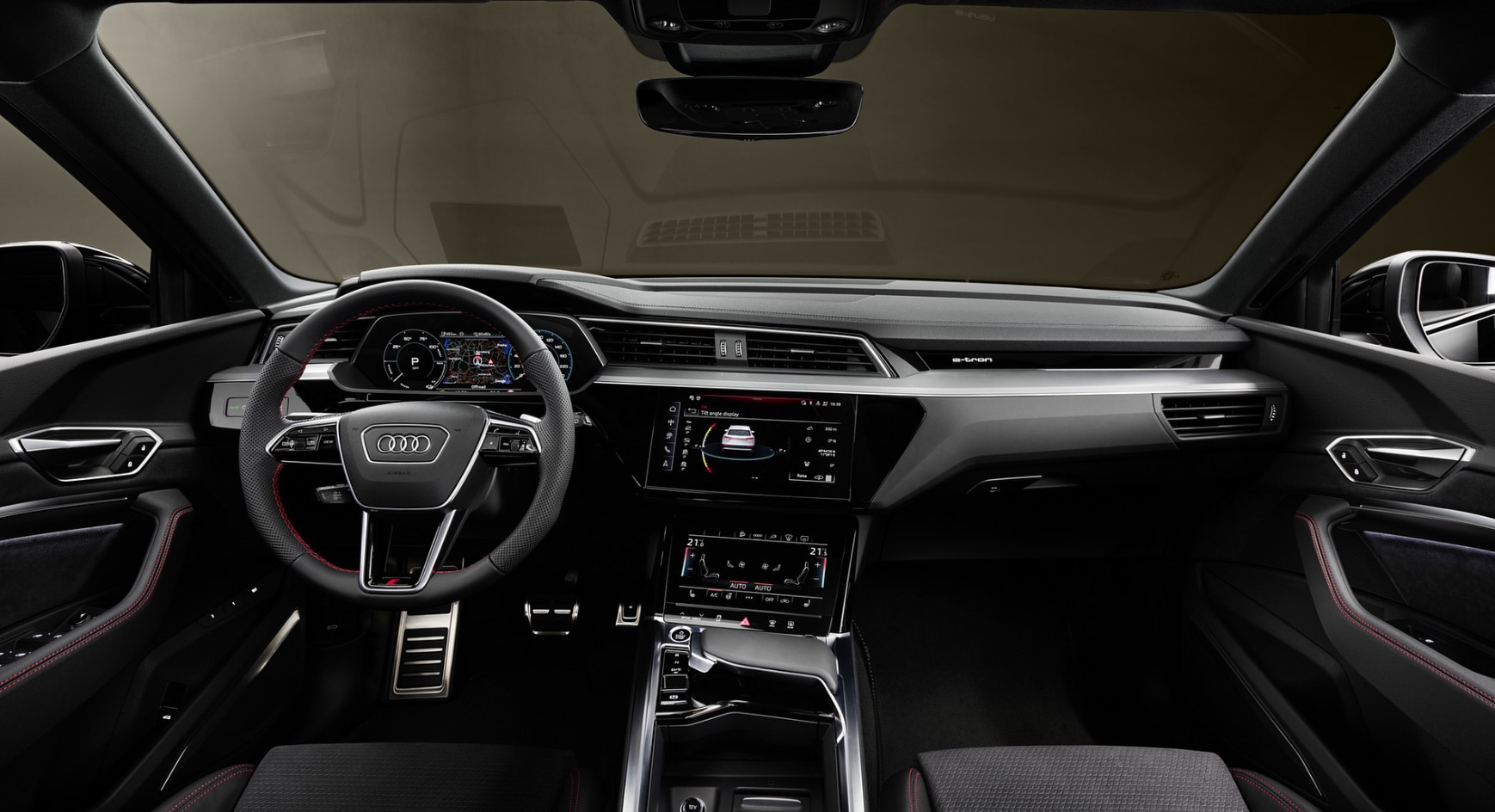
The cabin would likely retain Audi’s premium approach while adding equipment designed for outdoor use. The previous Dakar Edition featured dark interior treatment, contrast stitching and durable surfaces that suited its adventurous character. A future model could introduce water-resistant upholstery, rubberized floor surfaces and additional storage for equipment without sacrificing the digital cockpit expected from a modern Audi. A large central touchscreen, configurable digital instrument cluster and head-up display could provide navigation and vehicle information, while dedicated off-road pages could show battery temperature, wheel slip, pitch, roll, elevation and energy consumption. That combination would make the cabin feel more like a sophisticated expedition vehicle.
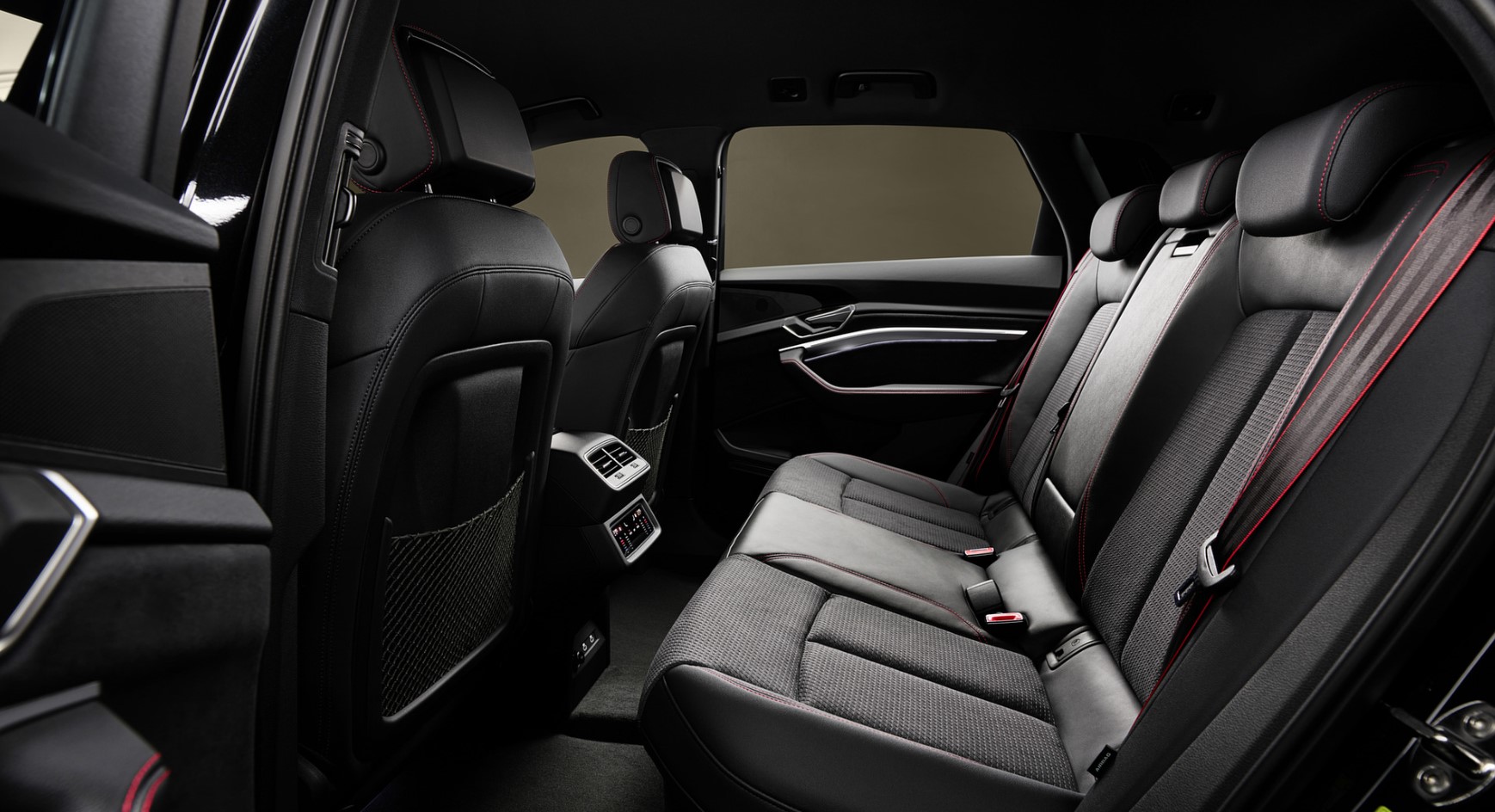
The seating position would remain important because the Dakar Edition needs to work on highways as well as trails. Supportive sport seats could hold occupants securely during uneven driving, while adjustable heating and ventilation would preserve long-distance comfort. Audi could also offer special trim elements inspired by the RS Q e-tron rally car, although the production SUV would remain far more luxurious and practical. Cargo flexibility would be another selling point. A future Dakar model could use a roof-mounted spare wheel or recovery equipment while preserving the rear cargo area for luggage. The result would be a vehicle positioned between a luxury electric SUV and an expedition-oriented performance machine.
2028 Audi Q8 e-tron Dakar Edition Specs
Engine & Performance
The original Q8 e-tron edition Dakar used two electric motors and Audi’s quattro electric all-wheel-drive system. Its combined output reached 300 kW in boost mode, while maximum system torque was 664 Nm. That gave the vehicle a claimed 0–100 km/h time of five seconds. For an SUV equipped with all-terrain tires and increased ride height, those numbers were significant. Electric propulsion also provided an advantage away from pavement because torque can be controlled extremely quickly and independently across the axles. A future 2028 Dakar Edition could exploit that characteristic with even more sophisticated software.
Audi’s next-generation electric architecture could make the biggest difference. A hypothetical 2028 model could employ more powerful permanent-magnet motors, a larger energy-dense battery and a higher-voltage electrical system. Faster DC charging would be particularly valuable for an adventure-focused EV because long-distance trail access often means traveling substantial distances between charging locations. Improved thermal management would also allow the vehicle to sustain performance for longer periods. These are logical technical directions, but they remain potential developments rather than confirmed specifications for a 2028 Q8 e-tron Dakar Edition.
Off-road performance would depend on much more than horsepower. The original Dakar Edition used specially calibrated drive modes and an adaptive air suspension system capable of raising the vehicle significantly above its normal road position. Audi specifically developed the suspension settings for surfaces such as gravel, snow and sand. A future version could add even more sophisticated terrain recognition, allowing the software to alter accelerator response, brake intervention, torque distribution and traction-control thresholds automatically. An electric SUV can theoretically make very precise adjustments to wheel torque, giving Audi an opportunity to develop a highly controlled off-road driving experience.
Range would be another critical factor. The previous Dakar Edition had a 114-kWh gross battery, with 106 kWh available for driving, and Audi quoted a WLTP range of approximately 381 kilometers. That figure was lower than some conventional Q8 e-tron configurations, partly because the Dakar’s aggressive all-terrain tires and elevated ride height create additional aerodynamic and rolling resistance. A future 2028 model would need a significantly more efficient battery and drivetrain if Audi wanted to maintain strong highway range without making the battery excessively large. Efficient motors, improved aerodynamics and advanced thermal management could therefore be just as important as increasing battery capacity. 2028 Audi Q8 e-tron Dakar Edition Review
2028 Audi Q8 e-tron Dakar Edition Fuel Economy
Energy efficiency would be more difficult to optimize than on a normal road-focused Q8 e-tron. All-terrain tires typically create more rolling resistance, while increased ride height and roof-mounted equipment can negatively affect aerodynamic efficiency. The original Dakar Edition illustrated this trade-off with a lower WLTP range than some standard Q8 e-tron variants. A 2028 version could compensate with improved battery density and motor efficiency. Regenerative braking could also play an important role, particularly on steep descents where controlled energy recovery can help maintain speed while returning some energy to the battery. Exact 2028 efficiency ratings, however, will depend on hardware that Audi has not yet announced.
Charging capability could become one of the biggest improvements over the earlier vehicle. The previous Q8 e-tron family used an 800-volt-capable successor platform strategy? No—the original Q8 e-tron was based on Audi’s older PPE-derived architecture? Again, accuracy matters: the production Q8 e-tron used the Volkswagen Group’s MLB evo-based architecture and its charging system was rated up to 170 kW DC. A future 2028 replacement could potentially move to a newer high-voltage architecture, but that should not be assumed. If Audi revives the Dakar concept on a newer platform, faster charging could dramatically improve its usefulness for long-distance travel, particularly when reaching remote destinations requires frequent high-speed charging stops.
2028 Audi Q8 e-tron Dakar Edition Safety Features
Safety would remain central to a premium electric SUV designed for both urban driving and remote travel. A future 2028 Dakar Edition could be equipped with Audi’s latest generation of driver-assistance technology, including adaptive cruise control, lane assistance, traffic-sign recognition, blind-spot monitoring, cross-traffic warning and automated emergency braking. The vehicle could also use cameras and sensors to create a detailed view around the body, which would be particularly useful when navigating narrow trails. Off-road camera views could display the area directly ahead of the front bumper, helping the driver identify rocks, ruts and obstacles that are difficult to see from the cabin.
Battery protection would be an especially important safety consideration. The original Q8 e-tron platform located its battery pack low in the chassis, contributing to a low center of gravity, but an off-road model must account for impacts from rocks and uneven surfaces. A future Dakar Edition could use a reinforced battery enclosure with additional shielding underneath the vehicle. Software could also monitor battery temperature, cell condition and impact events more closely during demanding driving. If Audi builds the vehicle around a new platform, structural integration of the battery could provide additional rigidity while allowing more sophisticated protection around the high-voltage system.
2028 Audi Q8 e-tron Dakar Edition Release Date & Price
The 2028 Audi Q8 e-tron Dakar Edition release date remains unconfirmed. Audi’s original Q8 e-tron edition Dakar was announced for production as a limited model, but the Q8 e-tron family subsequently ended production in 2025. There is currently no official Audi announcement establishing a 2028 successor carrying the same name. Consequently, there is no reliable month or quarter that can be presented as the official launch date.
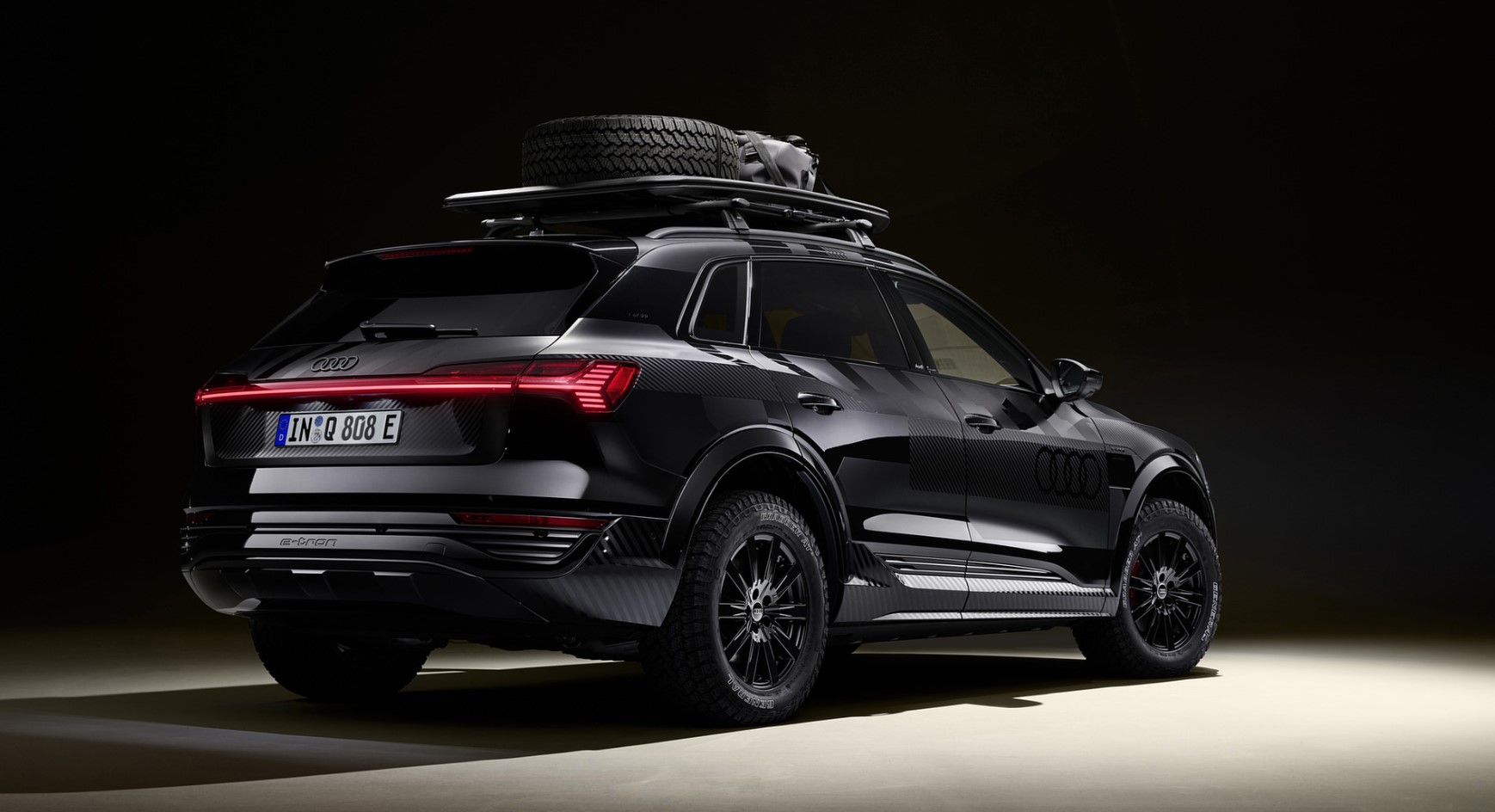
If Audi does revive the Dakar concept, the vehicle would likely be introduced as part of its expanding electric portfolio rather than as a simple continuation of the old Q8 e-tron. That could mean a new model name, a different platform or a revised interpretation of the Dakar branding. Audi’s rally success with the RS Q e-tron provides a strong thematic foundation, but racing technology should not be confused with production-car specifications. The final vehicle would still need to satisfy road-car requirements for safety, durability, charging infrastructure and everyday usability.
For potential buyers, the most important distinction is therefore between confirmed historical specifications and future expectations. The original Q8 e-tron edition Dakar provides verified evidence that Audi was willing to combine luxury EV technology with serious off-road hardware. It does not prove that the 2028 model will have the same battery, motors, tires, range or suspension. A future vehicle could be significantly more advanced, particularly if Audi bases it on one of its newer electric architectures.
The name itself remains commercially interesting because it connects Audi’s production EV strategy with the RS Q e-tron Dakar program. A 2028 model could use that connection to create a high-margin performance SUV with a limited production run and extensive personalization. Whether Audi chooses to revive the exact Q8 e-tron name or introduces the Dakar concept under a successor name will ultimately determine how this vehicle fits into the company’s electric lineup.
The original Dakar Edition was positioned as a limited-production special model rather than a conventional trim that sat alongside every Q8 e-tron configuration. Audi announced it with a starting price of €120,000 in Germany, before additional options and applicable charges. The vehicle was based on the Q8 55 e-tron quattro but received substantial mechanical and visual changes. That historical pricing suggests that a future Dakar-branded Audi EV would likely command a significant premium over the equivalent mainstream electric SUV. However, the 2028 model could use a completely different platform and therefore cannot responsibly be assigned a precise price today.
A future range could potentially include a single highly equipped Dakar Edition rather than several conventional trims. Audi could offer an entry specification focused on off-road hardware and a more expensive Performance or Exclusive configuration with larger battery capacity, upgraded brakes, premium interior materials and additional expedition equipment. Another possibility would be a limited-run model with fixed equipment and a high base price, reducing manufacturing complexity. Audi’s previous Dakar strategy supports this type of positioning because the original vehicle was a specialized derivative rather than a mass-market trim.
If Audi uses the Dakar name again, pricing would likely depend heavily on battery capacity and power output. A larger battery would raise manufacturing costs but could make the vehicle significantly more useful for long-distance travel. More powerful motors and higher-performance suspension would also increase the price. Premium features such as Bang & Olufsen audio, advanced driver assistance, panoramic glass, ventilated seats and special paint could push the transaction price considerably higher than the base MSRP. Buyers should therefore distinguish between the eventual advertised starting price and the real-world price of a heavily optioned vehicle.
There is currently no confirmed 2028 Audi Q8 e-tron Dakar Edition release date. The original Q8 e-tron family ended production in 2025, and Audi has not announced that the Q8 e-tron name will return for 2028 in Dakar form. If a successor eventually receives Dakar branding, Audi could reveal it several months before production, potentially following the company’s normal concept-to-production process. Until an official announcement appears, claims about a specific month, dealership arrival date or U.S. launch should be treated as speculation rather than confirmed product information. 2028 Audi Q8 e-tron Dakar Edition Review
Conclusion
The 2028 Audi Q8 e-tron Dakar Edition is not currently a confirmed production vehicle, but the original model provides a clear technical foundation for understanding what a future version could become. Audi has already demonstrated that an electric luxury SUV can be transformed with increased ground clearance, all-terrain tires, specialized suspension tuning, electric quattro all-wheel drive and aggressive exterior hardware. The original model combined 300 kW of power with 664 Nm of torque and a 114-kWh gross battery, proving that the Dakar concept could deliver both performance and genuine off-road capability.
A future 2028 model would have the opportunity to go considerably further. Newer battery technology could improve range, while faster charging and more sophisticated thermal management could address some of the limitations associated with long-distance electric travel. A more advanced AWD control system could also make the vehicle more capable on sand, gravel, snow and uneven terrain. At the same time, premium Audi interior materials, advanced driver assistance and sophisticated connectivity could preserve the luxury experience expected from the brand.
The biggest unknown is whether Audi will actually revive the Q8 e-tron Dakar name. The original Q8 e-tron family has already ended production, and Audi has not announced a 2028 Dakar successor. Until official information arrives, the original edition remains the best factual reference, while battery capacity, horsepower, range, MSRP, trim structure and release timing for a hypothetical 2028 model remain open questions.
Note: The details included in this blog post are derived from pre-release material that was accessible when the article was written. If you want the latest information, you should check official sources or call your nearest dealership.
Read Also:
- 2027 Audi Q2 Specs, Price, Configurations
- 2027 Audi E Concept Review, Performance, Features
- 2027 Audi Q8 Redesign, Price, Specs
- 2027 Audi A6 55 TFSI e quattro Release Date, Specs, Interior
- 2027 Audi S3 Redesign, Price, Configurations
Frequently Asked Questions
2028 Audi Q8 e-tron Dakar Edition Review, Specs, Dimensions - The 2028 Audi Q8 e-tron Dakar Edition would be an intriguing return to one of Audi's most unusual electric SUV ideas: taking a premium battery-electric crossover and giving it the hardware, stance and attitude of an off-road machine.…
The original edition Dakar showed exactly how Audi could transform an electric luxury SUV without turning it into a conventional hardcore off-roader. Based on the Q8 55 e-tron quattro, the Dakar model combined dual electric motors with quattro all-wheel drive, adaptive air suspension and special all-terrain tires. Audi…
The timing would also make sense from a product-development perspective. Audi has been transitioning toward a new generation of electric vehicles built on newer architectures, while the original Q8 e-tron platform belongs to an earlier phase of the company's EV strategy. A hypothetical 2028 Dakar Edition would therefore…
For buyers researching the 2028 Audi Q8 e-tron Dakar Edition price, the most important fact is that no official MSRP exists today. The previous Q8 e-tron edition Dakar launched in Germany at €120,000 before applicable local costs and options, while the standard Q8 55 e-tron on which it…
2028 Audi Q8 e-tron Dakar Edition Redesign and Update Plan Exterior & Interior A future 2028 Audi Q8 e-tron Dakar Edition would need a significantly more purposeful exterior than a regular luxury EV. The original Dakar model already demonstrated the visual formula, with a body raised by 31…