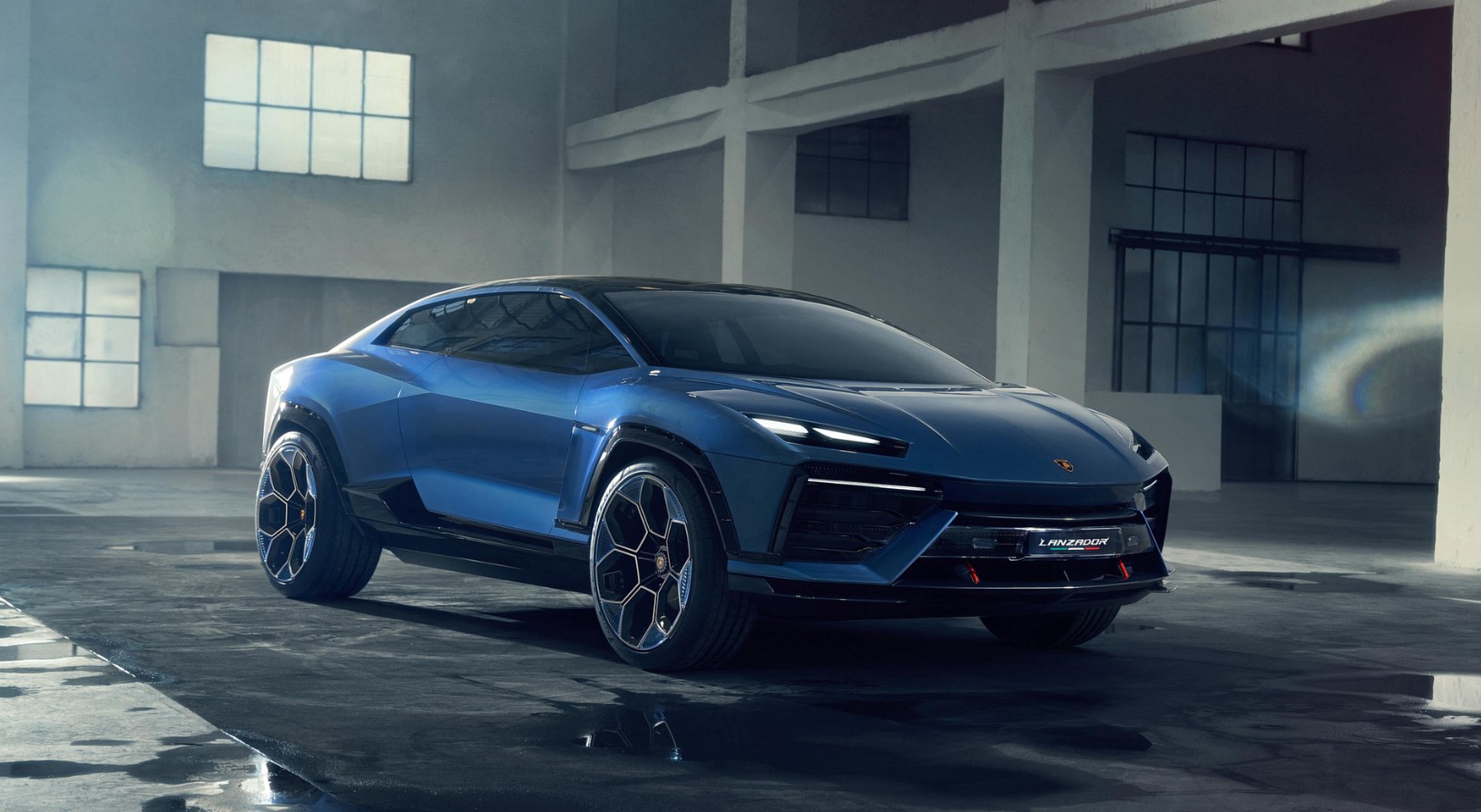
2028 Lamborghini Lanzador Redesign, Specs, Price – The 2028 Lamborghini Lanzador represents an exciting new chapter in the Italian automaker’s history, introducing a distinctive grand touring concept designed to bridge the gap between traditional supercars and high-performance luxury vehicles. Originally unveiled as an all-electric concept in August 2023, the Lanzador attracted worldwide attention with its futuristic styling, elevated driving position, innovative cabin, and ambitious performance targets. Lamborghini initially envisioned the vehicle as its fourth production model, positioned between the company’s legendary supercars and the popular Urus SUV. However, changing market conditions and customer expectations have influenced the development strategy, making the production version particularly interesting for enthusiasts following the future of Lamborghini.
Unlike conventional grand touring vehicles, the Lanzador aims to combine everyday usability with the dramatic character expected from an exotic Italian performance machine. Its original 2+2 configuration provides seating for four occupants, while the elevated ground clearance introduces additional practicality without sacrificing its aggressive proportions. This combination creates a distinctive identity within Lamborghini’s lineup, appealing to customers who appreciate the excitement of a supercar but want greater comfort and versatility for longer journeys. The concept also demonstrated the company’s willingness to experiment with new vehicle categories rather than simply producing another conventional SUV or two-seat sports car.
One of the biggest developments surrounding the 2028 Lamborghini Lanzador is the evolution of its powertrain strategy. Although the original concept was designed around a fully electric architecture, Lamborghini subsequently reconsidered its first EV production plans. By 2026, company executives had indicated that the fourth model would instead adopt plug-in hybrid technology, reflecting the brand’s commitment to retaining combustion-engine character alongside electrification. This change makes the upcoming vehicle especially significant because it could combine modern electric assistance with the mechanical personality, sound, and performance associated with Lamborghini. The final production vehicle is expected to differ from the original electric concept in several important technical and design areas.
The Lanzador is therefore more than another addition to an already exclusive luxury lineup. It represents Lamborghini’s attempt to create a new type of performance grand tourer for customers who want dramatic styling, advanced technology, premium materials, and genuine long-distance capability. Its expected position below the Urus and alongside the company’s supercars could attract a different audience, particularly buyers seeking something more distinctive than a traditional luxury SUV. Although final specifications, equipment packages, and pricing remain unconfirmed, the Lanzador has the potential to become one of the most interesting additions to the Lamborghini family toward the end of this decade. 2028 Lamborghini Lanzador Redesign
2028 Lamborghini Lanzador Redesign and Update Plan
Exterior & Interior
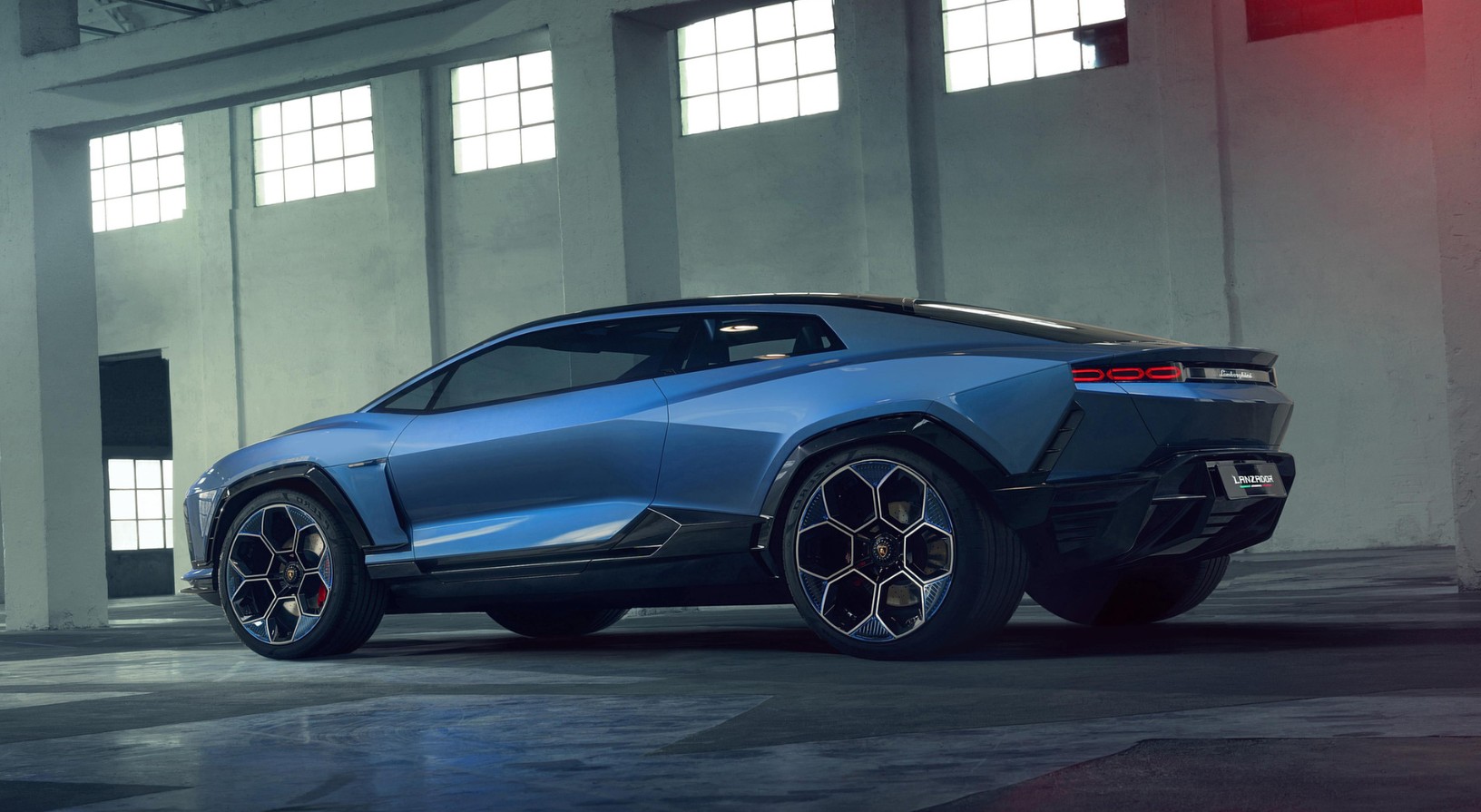
The production-oriented 2028 Lamborghini Lanzador is expected to preserve several important design characteristics introduced by the original concept while incorporating changes required for manufacturing, passenger comfort, and regulatory compliance. Lamborghini’s design philosophy typically combines sharp geometric surfaces, dramatic proportions, and aerodynamic detailing, and the Lanzador follows the same visual language. Its original concept features a low, wide body, muscular wheel arches, a distinctive front section, and a raised stance that separates it from traditional low-slung supercars. The production vehicle could retain this recognizable silhouette while introducing more practical body panels, conventional lighting assemblies, and improved visibility for everyday driving.
At the front, the Lanzador concept features an aggressive interpretation of Lamborghini’s signature design language. Its angular headlights, sculpted hood, large air channels, and sharply defined bumper create an unmistakably futuristic appearance. The front section also demonstrates how aerodynamic engineering can influence styling without making the vehicle look overly complicated. For production, the design could receive revised cooling openings and additional aerodynamic components suited to its final hybrid powertrain. A carefully developed front fascia would also help distinguish the Lanzador from the Revuelto, Temerario, and Urus, giving Lamborghini’s fourth model its own visual identity within the increasingly diverse luxury performance market.
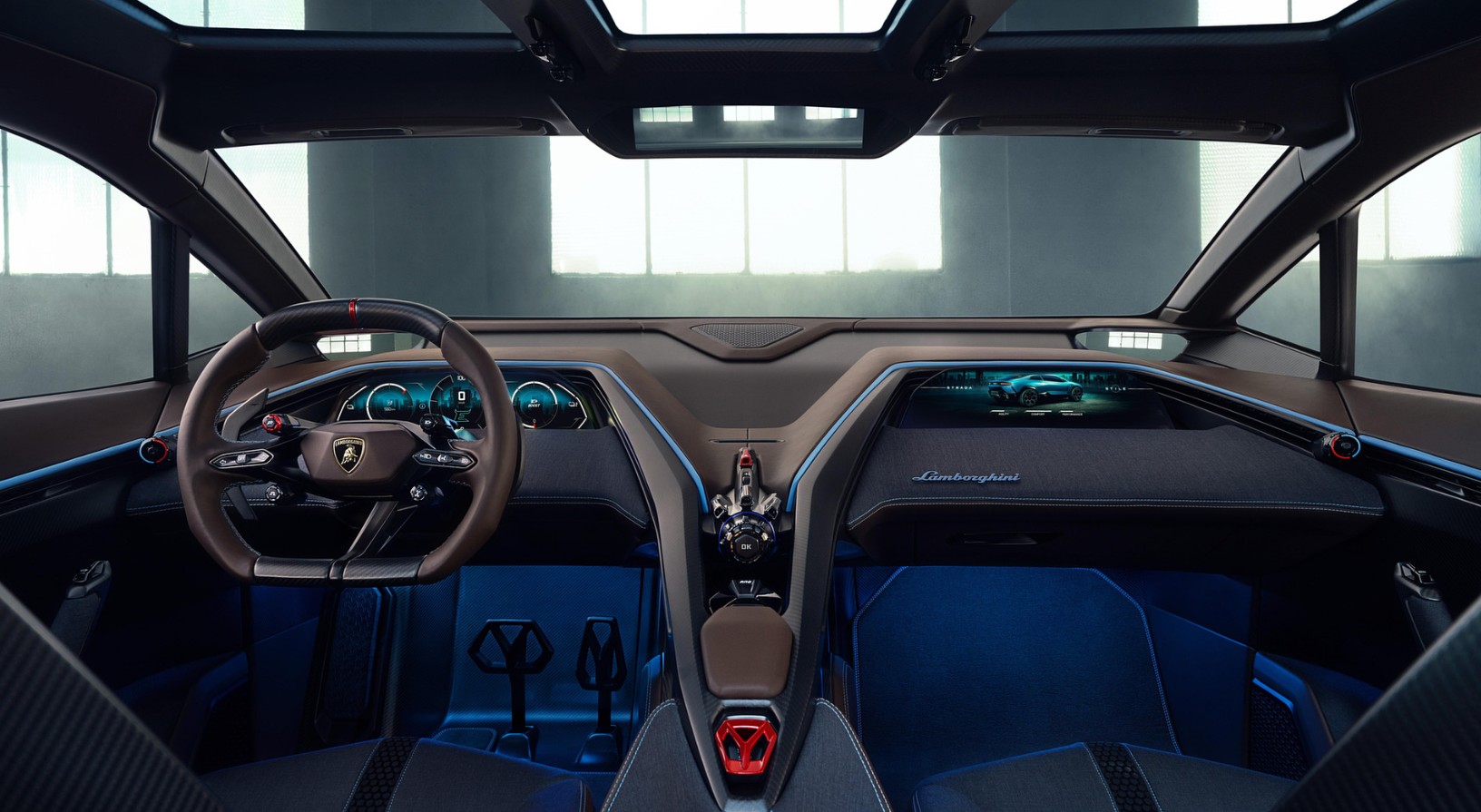
The cabin is another area where the Lanzador concept introduced an interesting direction for Lamborghini. Rather than following the traditional two-seat supercar layout, the original design incorporates a 2+2 arrangement with individual front seats and smaller rear seating positions. The dashboard emphasizes a driver-focused environment, with a distinctive center console, digital displays, and carefully positioned controls. Lamborghini’s concept also demonstrated the use of sustainable materials, including recycled and renewable components, without abandoning the premium craftsmanship expected from an exotic luxury automobile. The production interior is likely to receive more conventional equipment, improved storage solutions, and upgraded infotainment functionality while retaining the concept’s aviation-inspired atmosphere.
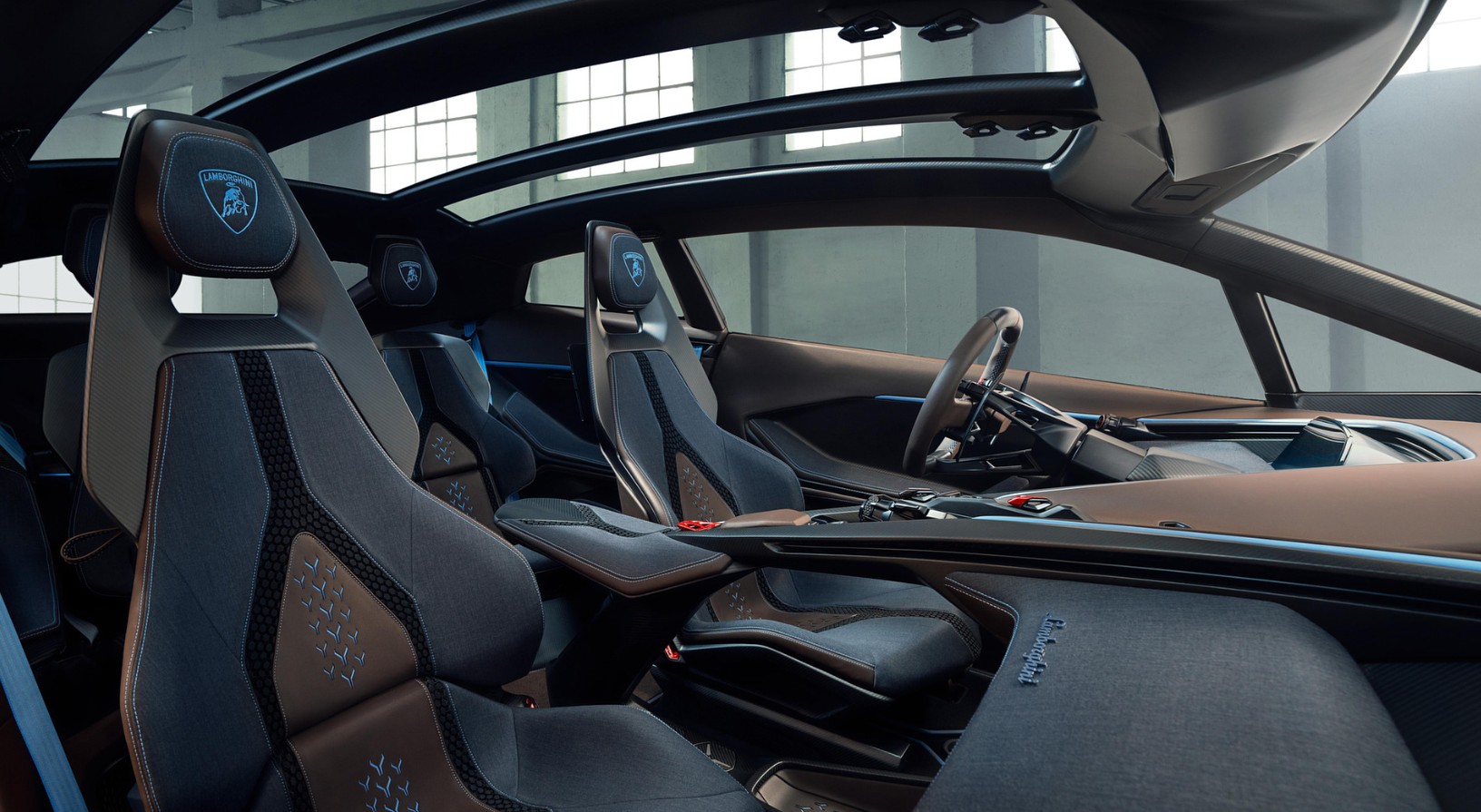
Passenger comfort and everyday usability should play important roles in the final redesign. A grand touring Lamborghini must provide more than spectacular acceleration and dramatic styling; it also needs a cabin suitable for extended journeys. The production Lanzador could introduce improved seat cushioning, additional adjustment functions, more refined climate control, and better sound insulation. Rear passengers may still experience the limitations associated with a compact 2+2 configuration, but the layout should offer additional flexibility compared with a traditional two-seat supercar. High-quality leather, Alcantara, carbon-fiber detailing, aluminum trim, and customizable interior finishes would also be consistent with Lamborghini’s established approach to luxury personalization.
2028 Lamborghini Lanzador Specs
Engine & Performance
The powertrain story is arguably the most important part of the Lanzador’s development. Lamborghini originally introduced the concept with a fully electric drivetrain featuring two electric motors, one powering each axle. The proposed arrangement delivered all-wheel-drive capability and showcased an ambitious approach to torque distribution, traction management, and performance control. The company also discussed a system output of more than 1 megawatt, equivalent to approximately 1,360 metric horsepower. However, these figures described the original electric concept rather than confirmed specifications for the production vehicle. The subsequent decision to move toward plug-in hybrid technology means those original performance figures should not be treated as final production targets.
The revised production strategy is expected to combine an internal-combustion engine with electric assistance. Lamborghini’s existing plug-in hybrid experience provides a useful indication of the technology that could influence the new model. The Urus SE already demonstrates how a twin-turbocharged 4.0-liter V8 can work alongside an electric motor and battery system to deliver substantial combined performance. A related architecture could provide the Lanzador with strong acceleration, responsive power delivery, and the ability to operate using electric energy for selected driving situations. Nevertheless, Lamborghini has not confirmed the final engine configuration, electric motor arrangement, battery capacity, or combined horsepower for the production Lanzador.
Performance engineering will likely focus on delivering the distinctive driving experience expected from the brand rather than simply maximizing headline horsepower. A sophisticated all-wheel-drive system could distribute torque between the front and rear axles, helping the vehicle maintain traction during aggressive acceleration and high-speed cornering. Advanced torque-vectoring technology could also improve stability and responsiveness by adjusting power delivery according to steering input, road conditions, and driving mode. The production vehicle may incorporate adaptive suspension, electronically controlled dampers, and multiple performance settings. These systems would help balance comfortable highway cruising with the sharper handling characteristics required for enthusiastic driving.
The hybrid powertrain could also make the Lanzador a more versatile performance vehicle than a conventional electric grand tourer. Electric assistance can provide immediate torque at low engine speeds, reducing hesitation and improving acceleration response. Meanwhile, a combustion engine would deliver the sound, mechanical feedback, and sustained driving character that many Lamborghini customers associate with the brand. Different driving modes could prioritize electric operation, combined hybrid performance, or maximum power delivery, depending on battery charge and driving conditions. Until official technical specifications become available, acceleration times, top speed, and total system output remain estimates rather than confirmed figures. 2028 Lamborghini Lanzador Redesign
2028 Lamborghini Lanzador Fuel Economy
Fuel economy figures for the production Lanzador remain unavailable because Lamborghini has not published its final hybrid specifications or official certification results. Nevertheless, plug-in hybrid technology could provide meaningful efficiency benefits compared with a conventional high-performance V8 grand tourer. The electric motor may support low-speed driving, reduce engine workload during selected conditions, and recover energy through regenerative braking. Drivers who regularly recharge the battery could potentially complete shorter journeys using electric power, depending on the final electric range and operating conditions. Actual fuel consumption will depend on battery capacity, vehicle weight, engine calibration, driving style, road conditions, and the frequency of external charging.
2028 Lamborghini Lanzador Safety Features
Safety technology will be an important consideration for a vehicle intended to combine supercar performance with grand touring practicality. The production 2028 Lamborghini Lanzador is expected to incorporate a comprehensive collection of active and passive safety systems, although the final equipment list has not yet been announced. Potential features include adaptive cruise control, automatic emergency braking, forward collision warning, blind-spot monitoring, lane departure assistance, and rear cross-traffic alerts. These technologies could help drivers manage traffic more confidently, particularly during long-distance journeys and daily commuting. Advanced parking sensors and surround-view cameras would also be useful for maneuvering a wide, expensive performance vehicle through crowded urban environments.
The vehicle’s structural engineering should provide another important layer of protection. A strong passenger safety cell, strategically positioned crumple zones, multiple airbags, and advanced restraint systems would be expected in a modern luxury performance car. The hybrid architecture will also require carefully engineered protection for its high-voltage electrical components and battery system. Thermal management, electrical isolation, and reinforced battery protection are particularly important considerations for plug-in hybrid vehicles. Lamborghini will need to balance these safety requirements with the vehicle’s performance objectives, ensuring that additional structural protection does not unnecessarily compromise handling, weight distribution, or driving dynamics.
2028 Lamborghini Lanzador Release Date & Price
The 2028 Lamborghini Lanzador is expected to occupy an important position within the manufacturer’s future model range, but its final retail price has not been officially announced. Considering Lamborghini’s current pricing structure, its premium grand touring positioning, and the sophisticated hybrid technology expected to feature in the production vehicle, a substantial starting price should be anticipated. An estimated starting range of $250,000 to $350,000 could provide a preliminary reference for market discussions, although this is an independent projection rather than an official manufacturer’s estimate. Depending on the market, taxes, optional equipment, personalization choices, and delivery charges could increase the final purchase price considerably.
Optional equipment will probably play an important role in determining the final cost. Lamborghini customers frequently choose exclusive exterior colors, custom interior materials, lightweight performance components, and specialized carbon-fiber accessories. These options can transform an already expensive vehicle into a highly personalized luxury purchase. The Lanzador could offer similar opportunities, especially for customers who want their grand tourer to stand out from other examples. Premium sound systems, upgraded driver assistance technology, distinctive wheel designs, and performance-focused packages may also contribute to the final price. Buyers should therefore expect a significant difference between the base configuration and a fully customized example.
The release timeline requires particular attention because the original 2028 production target has evolved. When Lamborghini introduced the Lanzador concept in August 2023, the company described it as a preview of a fourth production model planned for 2028. However, the original fully electric production strategy was subsequently reconsidered. By 2026, Lamborghini had indicated that its future fourth model would use plug-in hybrid technology rather than the originally planned all-electric configuration. More recent industry reporting has pointed toward a launch around 2029, although the exact public unveiling, production commencement, and first customer deliveries remain subject to official confirmation. Consequently, 2028 should be treated as the original target associated with the concept, not a guaranteed showroom arrival date.
From a market perspective, the Lanzador could compete in a distinctive category of high-priced performance grand tourers rather than directly challenging conventional luxury SUVs. Its elevated stance, potential 2+2 seating arrangement, hybrid performance, and unmistakable Lamborghini styling could make it attractive to buyers who want something more unusual than an Urus or a conventional sports car. It may also appeal to customers considering exclusive alternatives from Ferrari, Bentley, Aston Martin, and other high-end manufacturers. Ultimately, the production Lanzador’s success will depend on how effectively Lamborghini combines performance, comfort, practicality, and emotional appeal. If the final vehicle delivers on those expectations, it could become a significant addition to the brand’s next generation of luxury performance automobiles.
Lamborghini has not announced official trim levels for the production Lanzador, so a traditional entry-level, midrange, and flagship hierarchy cannot yet be confirmed. However, the brand’s established personalization program provides a reasonable indication of how customers could configure the vehicle. A standard specification would likely include extensive luxury equipment, advanced digital technology, performance-oriented seating, and distinctive exterior detailing. Optional packages could introduce more aggressive aerodynamic components, lightweight wheels, upgraded braking systems, exclusive paint finishes, and additional carbon-fiber elements. A high-performance configuration might focus on sharper chassis tuning and more specialized interior materials. Lamborghini’s Ad Personam personalization program could also allow buyers to select individual colors, upholstery combinations, stitching patterns, and bespoke details. 2028 Lamborghini Lanzador Redesign
Conclusion
The 2028 Lamborghini Lanzador represents an important turning point in Lamborghini’s evolution, combining the original concept’s futuristic design direction with a revised approach to electrified performance. Although the planned all-electric powertrain has given way to a plug-in hybrid strategy, the vehicle’s central ambition remains the same: delivering a distinctive grand touring experience with the excitement and exclusivity of an Italian supercar. Its anticipated combination of dramatic styling, advanced technology, premium craftsmanship, and improved everyday usability could establish an entirely new identity within Lamborghini’s lineup. Official production specifications, pricing, trim levels, and final launch dates are still awaited, but the Lanzador remains one of the most anticipated future Lamborghini models.
Note: The details included in this blog post are derived from pre-release material that was accessible when the article was written. If you want the latest information, you should check official sources or call your nearest dealership.
Read Also:
- 2028 Lamborghini Invencible Redesign, Specs, Interior
- 2028 Lamborghini Urus SE Release Date, Specs, Price
- 2027 Lamborghini Urus SE Price, Release Date, Performance
- 2027 Lamborghini Fenomeno Release Date, Specs, Dimensions
- 2027 NOVITEC TORADO Lamborghini Huracan Price, Specs, Performance
Frequently Asked Questions
2028 Lamborghini Lanzador Redesign, Specs, Price - The 2028 Lamborghini Lanzador represents an exciting new chapter in the Italian automaker's history, introducing a distinctive grand touring concept designed to bridge the gap between traditional supercars and high-performance luxury vehicles. Originally unveiled as an all-electric concept in August 2023,…
Unlike conventional grand touring vehicles, the Lanzador aims to combine everyday usability with the dramatic character expected from an exotic Italian performance machine. Its original 2+2 configuration provides seating for four occupants, while the elevated ground clearance introduces additional practicality without sacrificing its aggressive proportions. This combination creates…
One of the biggest developments surrounding the 2028 Lamborghini Lanzador is the evolution of its powertrain strategy. Although the original concept was designed around a fully electric architecture, Lamborghini subsequently reconsidered its first EV production plans. By 2026, company executives had indicated that the fourth model would instead…
The Lanzador is therefore more than another addition to an already exclusive luxury lineup. It represents Lamborghini's attempt to create a new type of performance grand tourer for customers who want dramatic styling, advanced technology, premium materials, and genuine long-distance capability. Its expected position below the Urus and…
2028 Lamborghini Lanzador Redesign and Update Plan Exterior & Interior The production-oriented 2028 Lamborghini Lanzador is expected to preserve several important design characteristics introduced by the original concept while incorporating changes required for manufacturing, passenger comfort, and regulatory compliance. Lamborghini's design philosophy typically combines sharp geometric surfaces, dramatic…