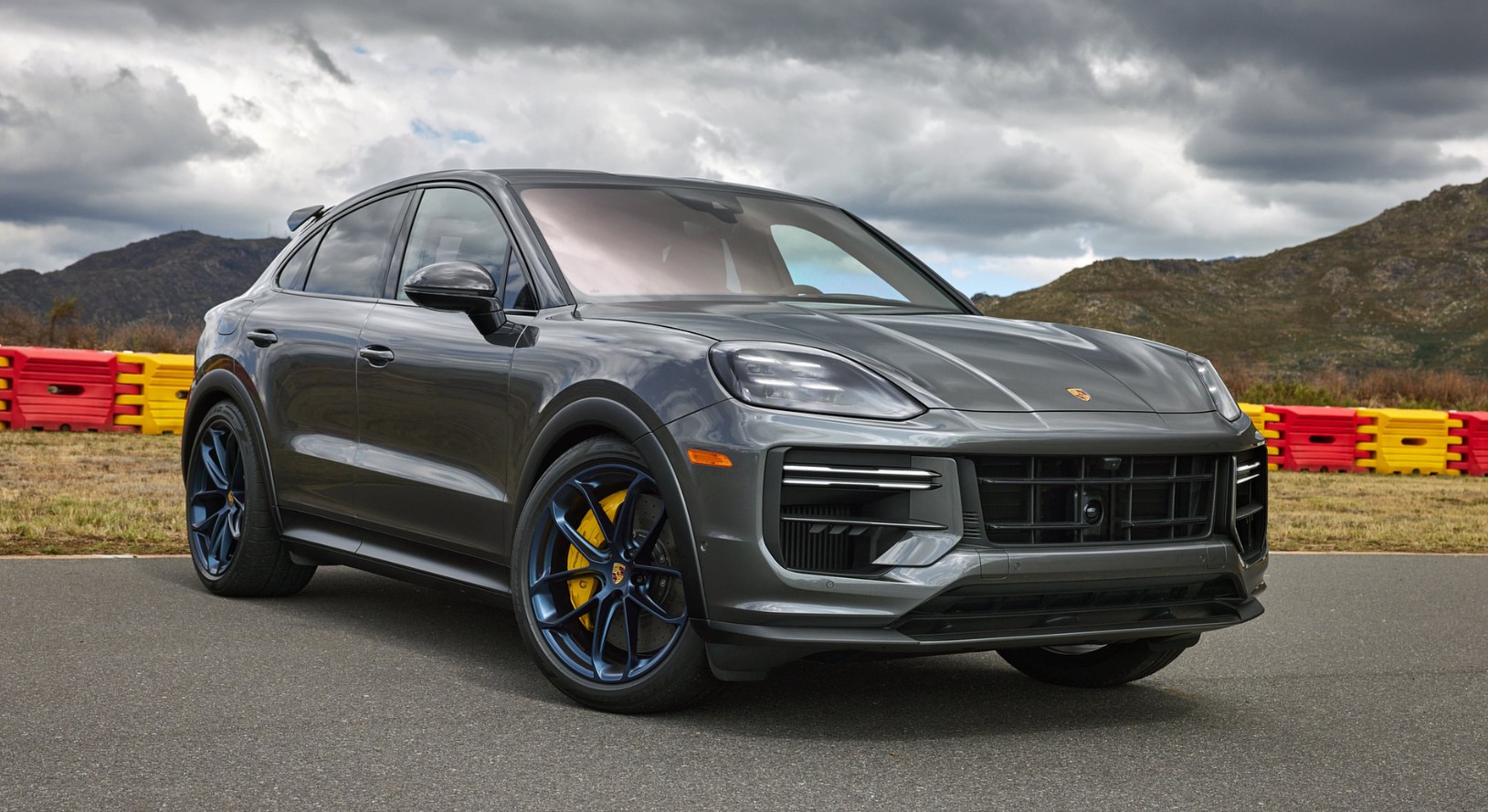
2028 Porsche Cayenne Turbo GT Review, Specs, Features – The 2028 Porsche Cayenne Turbo GT is expected to remain one of the most exciting performance luxury SUVs in the automotive world, combining exceptional sports car capabilities with the comfort, practicality, and versatility of a premium family vehicle. The Cayenne Turbo GT has established a strong reputation for delivering extraordinary acceleration, precise handling, and impressive high-speed stability without sacrificing the everyday usability expected from a luxury SUV.
For 2028, expectations are particularly high as Porsche continues developing its Cayenne lineup around advanced combustion engines, hybrid technology, and fully electric powertrains. Although the manufacturer has not officially confirmed a dedicated 2028 Cayenne Turbo GT specification, the existing model provides a strong indication of the performance direction Porsche could pursue.
The current Cayenne Turbo GT already demonstrates how far Porsche can push a large luxury SUV. Its 4.0-liter twin-turbocharged V8 produces 659 PS, equivalent to approximately 650 horsepower, while its acceleration from 0 to 100 km/h takes just 3.3 seconds when equipped with the Sport Chrono Package. A top speed of 305 km/h places it among the fastest production SUVs available. These impressive figures establish a demanding benchmark for the next model year. Rather than completely changing the vehicle’s identity, Porsche is expected to concentrate on improving power delivery, chassis responsiveness, aerodynamic efficiency, digital technology, and passenger comfort.
The broader Cayenne strategy will also influence the development of the 2028 performance flagship. Porsche has committed to maintaining combustion-engine, plug-in hybrid, and electric Cayenne models alongside one another, giving customers more flexibility when choosing their preferred powertrain. The fourth-generation Cayenne is electric, but combustion-engine and hybrid versions are continuing as part of the wider product family. This approach makes the future of the Turbo GT particularly interesting because the nameplate has traditionally represented the most aggressive petrol-powered interpretation of the Cayenne. Buyers should therefore distinguish between the Cayenne Turbo GT and the separate Cayenne Turbo Electric rather than automatically assuming they will share the same mechanical configuration.
For performance enthusiasts, the most important expectation is that the 2028 Porsche Cayenne Turbo GT will continue prioritizing driving excitement over ordinary SUV characteristics. Its mission is to deliver immediate acceleration, strong braking performance, exceptional cornering ability, and dependable stability during demanding driving conditions. At the same time, the vehicle must remain comfortable enough for commuting, highway travel, and longer family journeys. Porsche’s engineering philosophy has always emphasized balancing these different requirements. If the next model builds on the strengths of the existing Turbo GT while incorporating more advanced technology, it could become an even more compelling option for buyers seeking a high-performance SUV with genuine luxury credentials. 2028 Porsche Cayenne Turbo GT Review
2028 Porsche Cayenne Turbo GT Redesign and Update Plan
Exterior & Interior
The exterior design of the 2028 Porsche Cayenne Turbo GT is expected to retain the recognizable proportions of the Cayenne Coupe while introducing carefully developed aerodynamic and styling improvements. The sloping roofline, muscular rear shoulders, wide front stance, and sculpted body panels give the Turbo GT a distinctive appearance compared with conventional luxury SUVs. Porsche is unlikely to abandon these familiar design characteristics because they are central to the model’s identity. Instead, potential updates could focus on revised front air intakes, more detailed bumper treatments, redesigned lighting graphics, and improved airflow management. Any future changes should ideally deliver functional aerodynamic benefits rather than simply adding decorative styling elements.
At the front, the next Cayenne Turbo GT could feature a more aggressive interpretation of Porsche’s latest lighting design, accompanied by redesigned air openings and a sharper bumper profile. Large cooling passages are particularly important for a high-performance SUV because the engine, transmission, brakes, and other mechanical components generate substantial heat during spirited driving. A carefully optimized front fascia could help improve cooling efficiency while reducing unnecessary aerodynamic resistance. The hood may retain its sculpted appearance, while subtle changes to the front splitter and surrounding bodywork could create a more purposeful stance. These details would help distinguish the Turbo GT from less powerful Cayenne versions without making its appearance excessively complicated.
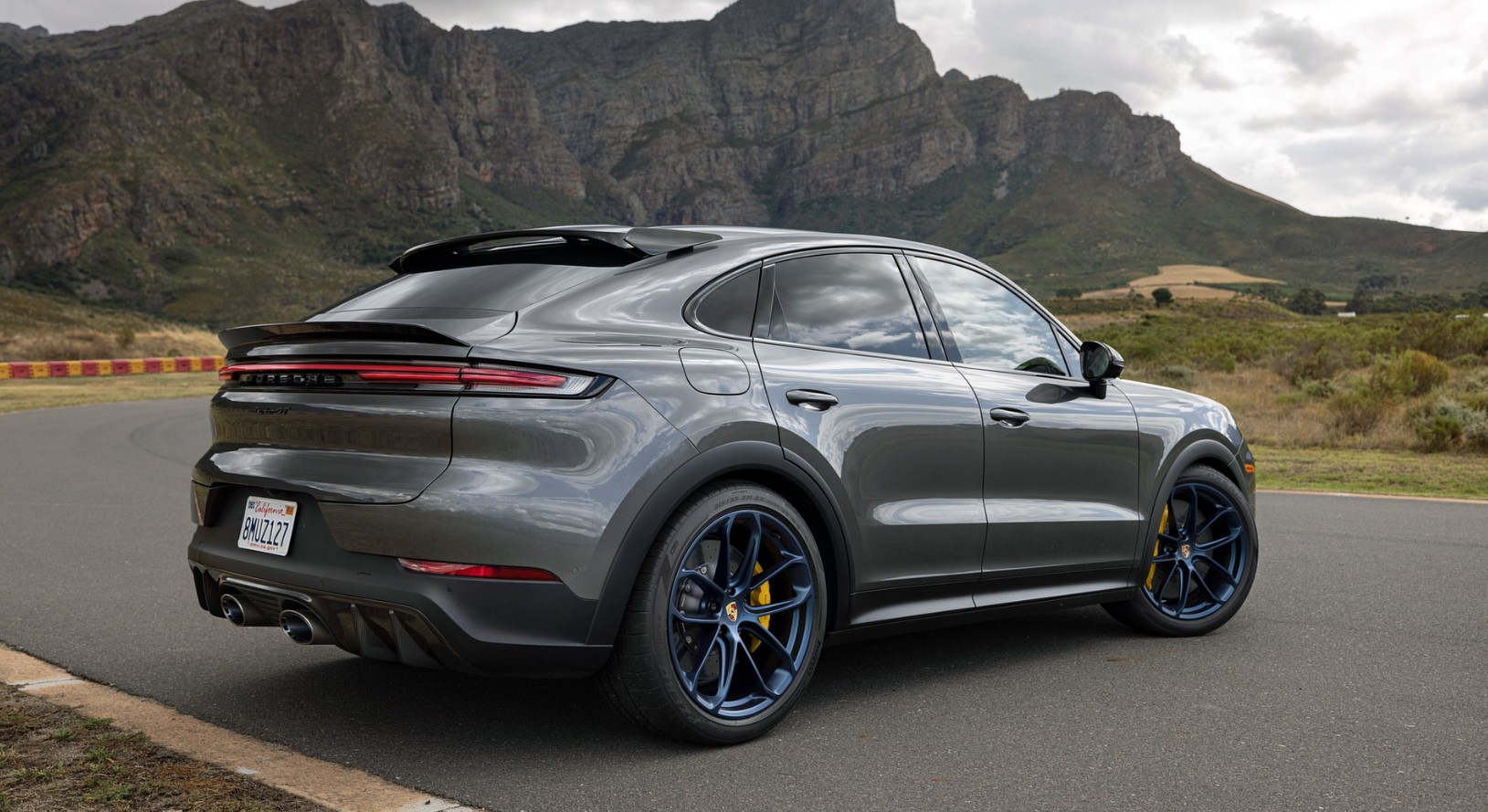
The side profile should continue emphasizing athletic proportions, with large alloy wheels, pronounced wheel arches, performance-oriented tires, and carefully integrated aerodynamic elements. Carbon-fiber components could remain an important part of the Turbo GT identity, particularly around the roof, exterior mirror housings, and rear aerodynamic equipment, depending on the final configuration. Porsche may also expand its exterior personalization choices through additional paint finishes, wheel designs, and exclusive styling packages. At the rear, a prominent roof spoiler, a performance-focused diffuser, and centrally positioned titanium sports exhaust outlets would be consistent with the current petrol-powered model’s character. These features are important because they communicate the Turbo GT’s performance-focused engineering even when the vehicle is stationary.
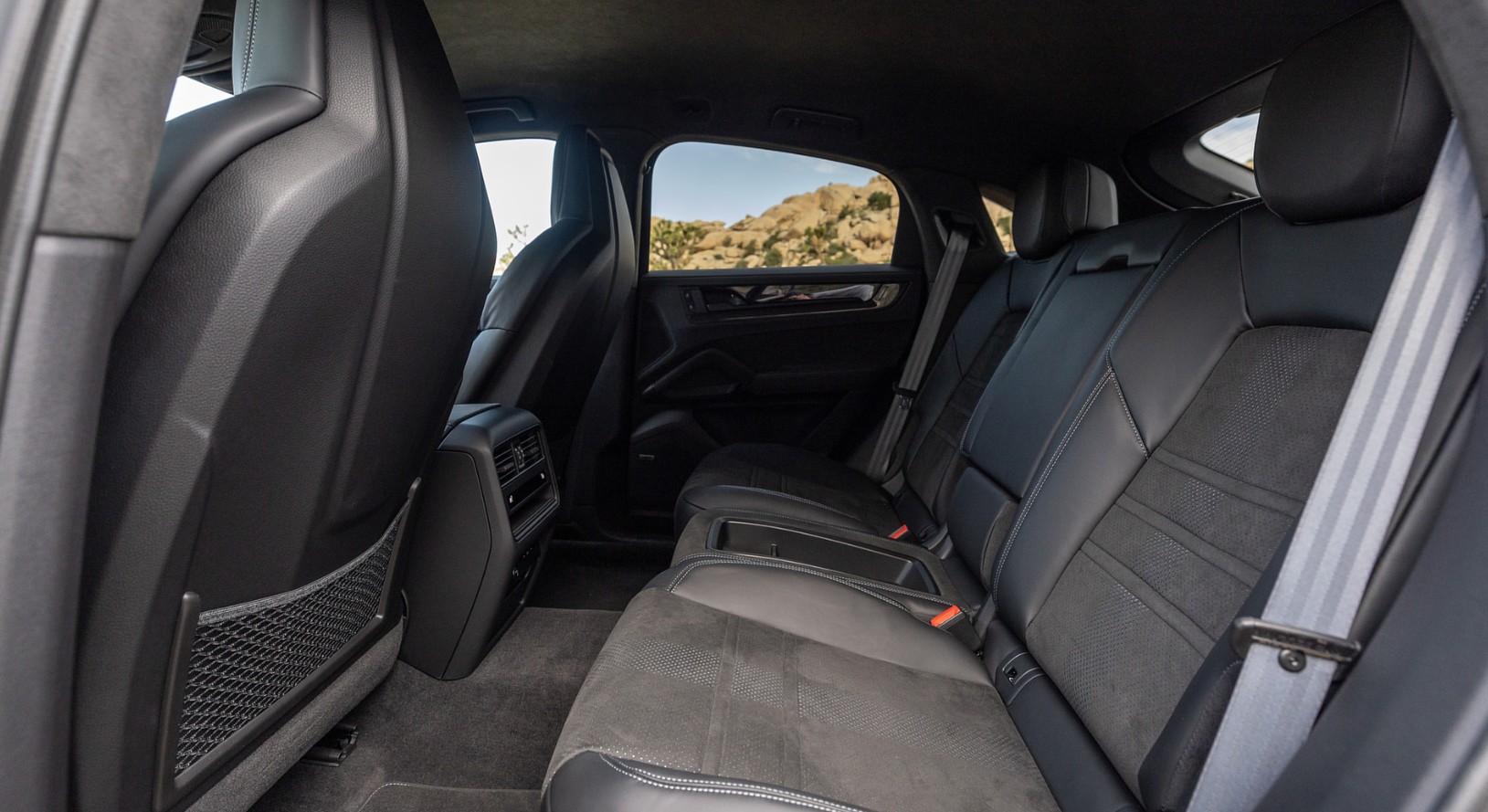
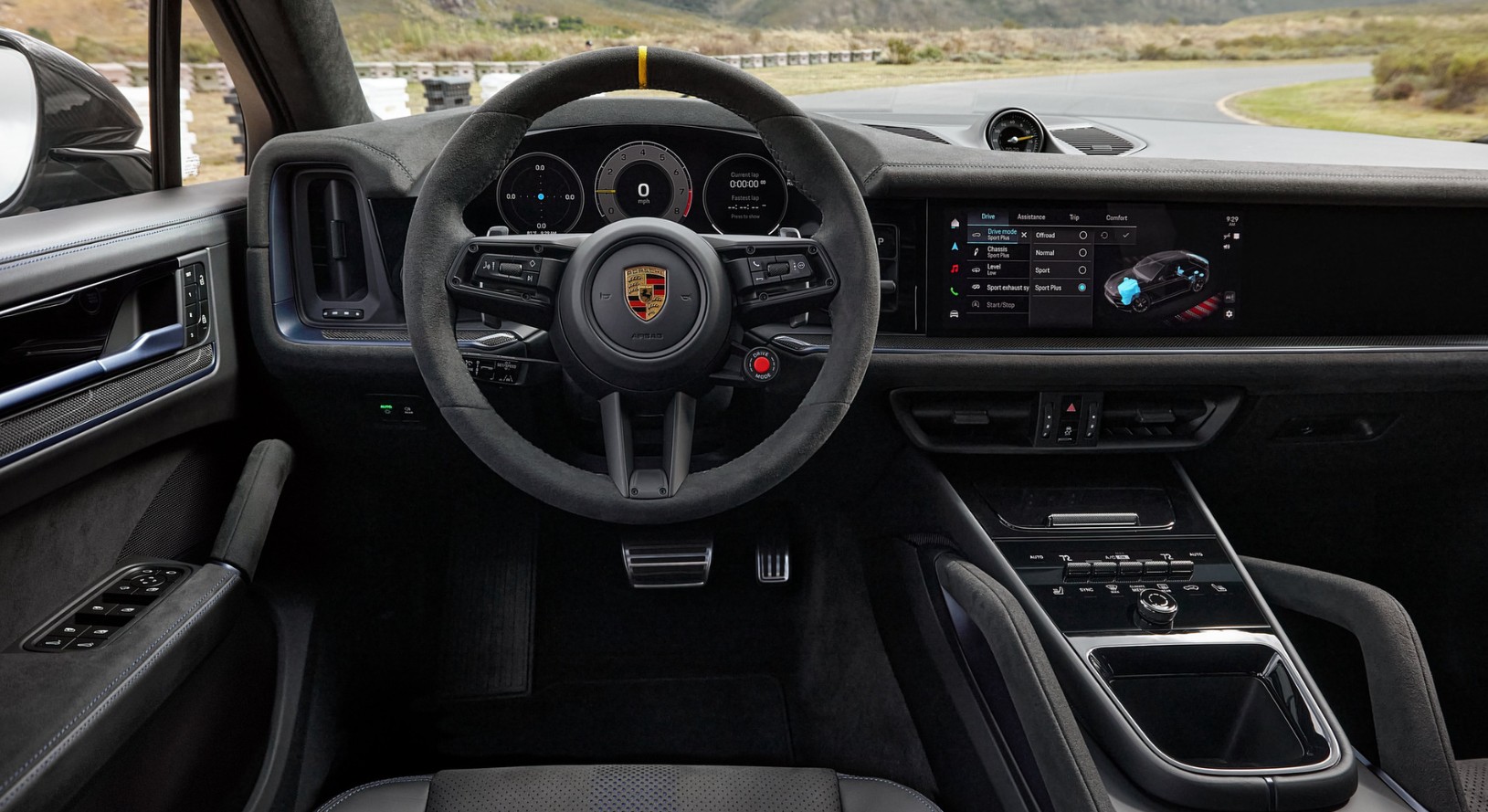
Inside, the 2028 Porsche Cayenne Turbo GT is expected to offer an environment that combines premium craftsmanship with a driver-focused digital cockpit. The current Cayenne generation already provides advanced displays, high-quality materials, and extensive connectivity features, giving Porsche a strong foundation for further improvements. A future interior could introduce updated infotainment software, faster processing, improved voice recognition, and more sophisticated smartphone integration. High-quality leather, Race-Tex upholstery, contrast stitching, carbon-fiber trim, and supportive sports seats would help preserve the distinctive character of the Turbo GT. The driving position should remain relatively low and commanding for an SUV, allowing the driver to enjoy better control and visibility during everyday journeys.
2028 Porsche Cayenne Turbo GT Specs
Engine & Performance
The powertrain will be one of the most important aspects of the 2028 Porsche Cayenne Turbo GT. The current petrol-powered model uses a 4.0-liter twin-turbocharged V8 engine producing 485 kW, or 659 PS, with maximum performance supported by an advanced automatic transmission and all-wheel-drive system. This combination allows the SUV to accelerate from 0 to 100 km/h in approximately 3.3 seconds and achieve a maximum speed of 305 km/h. For the 2028 model year, Porsche could further refine the existing engine through improvements to combustion efficiency, turbocharger response, thermal management, and electronic engine control. However, no official power increase or new engine specification has been announced for the 2028 Turbo GT.
A refined twin-turbocharged V8 would make considerable sense for a future petrol-powered Turbo GT because this engine configuration provides the character that performance enthusiasts expect from the nameplate. Its strong low-speed torque helps the vehicle accelerate confidently from traffic lights, while the twin-turbo arrangement supports powerful performance at higher engine speeds. Improved turbocharger control could potentially reduce response delays and deliver more consistent acceleration across different driving conditions. Porsche may also explore updated engine cooling systems and more efficient exhaust technology to maintain performance during repeated high-load operation. Such developments would be particularly valuable for drivers who occasionally use their Cayenne Turbo GT on demanding mountain roads or closed racing circuits.
The transmission and all-wheel-drive systems will also play a major role in determining how effectively the engine’s power reaches the road. Porsche’s automatic transmission technology is designed to deliver rapid gear changes while maintaining smooth operation during normal driving. A future version could benefit from more refined shift programming, improved launch-control calibration, and more intelligent torque distribution. The electronically controlled all-wheel-drive system should continue helping the SUV maintain traction when accelerating out of corners or driving on wet surfaces. Combined with rear-axle steering, active suspension technology, and advanced chassis controls, these systems could make the next Turbo GT feel more responsive despite its substantial dimensions and weight.
Handling performance is another area where Porsche is expected to maintain its engineering priorities. The Cayenne Turbo GT is not simply designed to accelerate quickly in a straight line; it must also deliver predictable cornering behavior and strong braking performance. Advanced adaptive suspension, Porsche Active Suspension Management, and sophisticated stability-control systems can help manage body movements during aggressive driving.
Porsche could introduce additional calibration improvements to make the suspension more comfortable on uneven roads while maintaining a firm and controlled response during high-speed cornering. High-performance brakes, potentially including optional Porsche Ceramic Composite Brakes, would provide additional confidence when repeatedly slowing the vehicle from high speeds. The result should be an SUV capable of delivering engaging driving dynamics without becoming impractical for everyday use. 2028 Porsche Cayenne Turbo GT Review
2028 Porsche Cayenne Turbo GT Fuel Economy
Fuel economy is likely to remain one of the more challenging considerations for anyone purchasing a V8-powered Cayenne Turbo GT. The current 4.0-liter twin-turbocharged engine prioritizes performance, and its fuel consumption reflects the demands of producing substantial horsepower from a large luxury SUV. Actual efficiency depends on driving style, traffic conditions, road gradients, tire selection, vehicle load, and the use of performance driving modes. Gentle acceleration and steady highway cruising can help reduce consumption, while frequent hard acceleration and high-speed driving will naturally increase fuel requirements. Buyers should not expect the petrol-powered Turbo GT to deliver the running costs of a conventional hybrid or fully electric SUV.
For the 2028 model year, Porsche could pursue improvements in engine management, transmission calibration, and thermal efficiency to help optimize fuel consumption without significantly reducing performance. Any mild-hybrid assistance or additional electrification would depend on the manufacturer’s final powertrain strategy and has not been confirmed for this particular model. It is also important to distinguish fuel economy from electric driving range. The Cayenne Turbo GT’s petrol engine requires conventional fuel, whereas the separate Cayenne Turbo Electric uses a large battery and electric motors. The electric model demonstrates Porsche’s ability to deliver exceptional performance with zero tailpipe emissions, but its efficiency figures cannot be applied to the petrol-powered Turbo GT.
2028 Porsche Cayenne Turbo GT Safety Features
Safety technology will remain an essential part of the 2028 Porsche Cayenne Turbo GT package, especially because a high-performance SUV must manage substantial power while protecting its occupants in different driving environments. Porsche is expected to continue developing its electronic stability management, traction control, anti-lock braking, and advanced braking assistance systems. These technologies work together to help maintain vehicle control during emergency maneuvers, sudden braking, and challenging road conditions. A strong body structure, strategically positioned airbags, and carefully engineered crumple zones should also remain central to occupant protection. The exact safety equipment and crash-test ratings for the 2028 model will depend on its final specification and the regulations of individual markets.
Modern driver-assistance technology should also play a larger role in improving convenience and reducing the driver’s workload. Depending on market availability and equipment configuration, the next Cayenne Turbo GT could offer adaptive cruise control, lane-keeping assistance, lane-change assistance, blind-spot monitoring, and advanced parking support. Surround-view camera technology would be especially useful when maneuvering such a large vehicle through narrow streets or crowded parking areas. Front and rear parking sensors, traffic-sign recognition, and collision-warning systems could further improve everyday usability. These systems should complement the driving experience rather than replace driver attention, particularly when operating a powerful vehicle capable of reaching very high speeds.
2028 Porsche Cayenne Turbo GT Release Date & Price
The 2028 Porsche Cayenne Turbo GT is expected to occupy the upper end of the Cayenne performance lineup rather than being offered in numerous conventional trim levels. Porsche generally differentiates its high-performance vehicles through standard equipment, optional packages, exterior finishes, interior materials, and individual customization choices. If the Turbo GT continues its established position, buyers could expect a highly equipped performance configuration featuring a powerful engine, sports exhaust system, performance suspension calibration, distinctive alloy wheels, and exclusive interior details. Additional personalization may be available through Porsche Exclusive Manufaktur, allowing customers to select special paint colors, upholstery combinations, decorative trim, and other premium features. Final equipment availability will depend on the production specification and market.
Pricing for the 2028 Porsche Cayenne Turbo GT has not been officially announced. Nevertheless, the model should be positioned above conventional Cayenne versions because of its specialized engine, performance engineering, exclusive equipment, and premium status. The final price will likely vary considerably between countries due to import duties, taxes, exchange rates, dealer charges, and optional equipment.
Buyers in the United States, Europe, and Southeast Asian markets should therefore avoid treating a projected international starting price as a confirmed local retail price. In Indonesia, additional import-related costs could make the final purchase price significantly different from the vehicle’s advertised price in major European or North American markets. Optional carbon-fiber components, ceramic brakes, exclusive paint finishes, and personalized interior packages could further increase the total cost.
The official release date for the 2028 Porsche Cayenne Turbo GT has not yet been confirmed. Porsche has not published a dedicated launch announcement, final technical specifications, or a complete ordering schedule for this model year. If the vehicle follows the usual automotive product-cycle pattern, additional information could emerge during 2027, with availability potentially beginning around the 2027–2028 transition. However, this should be considered an expectation rather than a confirmed launch timetable.
Customers interested in purchasing the next Turbo GT should monitor official Porsche announcements and contact authorized dealerships for information about production allocations, market-specific configurations, and ordering opportunities. The availability of the petrol-powered version may also differ between countries because of emissions regulations and local homologation requirements. 2028 Porsche Cayenne Turbo GT Review
Conclusion
The 2028 Porsche Cayenne Turbo GT has the potential to remain an outstanding choice for buyers who want the performance of a sports car combined with the space and practicality of a luxury SUV. Its established 659 PS V8 powertrain provides an impressive foundation, while possible refinements to its exterior design, cabin technology, suspension, braking systems, and driver assistance features could make the next version even more appealing. Nevertheless, buyers should separate confirmed specifications from future expectations because Porsche has not yet officially revealed the complete 2028 model.
If the company continues developing the Turbo GT around powerful combustion-engine performance and sophisticated chassis engineering, the next generation could preserve everything that makes this SUV special while adapting it to the changing demands of the premium performance market.
Note: The details included in this blog post are derived from pre-release material that was accessible when the article was written. If you want the latest information, you should check official sources or call your nearest dealership.
Read Also:
- 2028 Mansory Porsche 911 Turbo S Review, Specs, Price
- 2028 Porsche 911 Carrera T Redesign, Specs, Performance
- 2028 Porsche Taycan Black Edition Review, Specs, Interior
- 2027 Porsche Cayenne Turbo E-Hybrid Coupe Price, Specs, Interior
- 2027 Porsche Taycan Release Date, Specs, Price
Frequently Asked Questions
2028 Porsche Cayenne Turbo GT Review, Specs, Features - The 2028 Porsche Cayenne Turbo GT is expected to remain one of the most exciting performance luxury SUVs in the automotive world, combining exceptional sports car capabilities with the comfort, practicality, and versatility of a premium family vehicle. The…
For 2028, expectations are particularly high as Porsche continues developing its Cayenne lineup around advanced combustion engines, hybrid technology, and fully electric powertrains. Although the manufacturer has not officially confirmed a dedicated 2028 Cayenne Turbo GT specification, the existing model provides a strong indication of the performance direction…
The current Cayenne Turbo GT already demonstrates how far Porsche can push a large luxury SUV. Its 4.0-liter twin-turbocharged V8 produces 659 PS, equivalent to approximately 650 horsepower, while its acceleration from 0 to 100 km/h takes just 3.3 seconds when equipped with the Sport Chrono Package. A…
The broader Cayenne strategy will also influence the development of the 2028 performance flagship. Porsche has committed to maintaining combustion-engine, plug-in hybrid, and electric Cayenne models alongside one another, giving customers more flexibility when choosing their preferred powertrain. The fourth-generation Cayenne is electric, but combustion-engine and hybrid versions…
For performance enthusiasts, the most important expectation is that the 2028 Porsche Cayenne Turbo GT will continue prioritizing driving excitement over ordinary SUV characteristics. Its mission is to deliver immediate acceleration, strong braking performance, exceptional cornering ability, and dependable stability during demanding driving conditions. At the same time,…