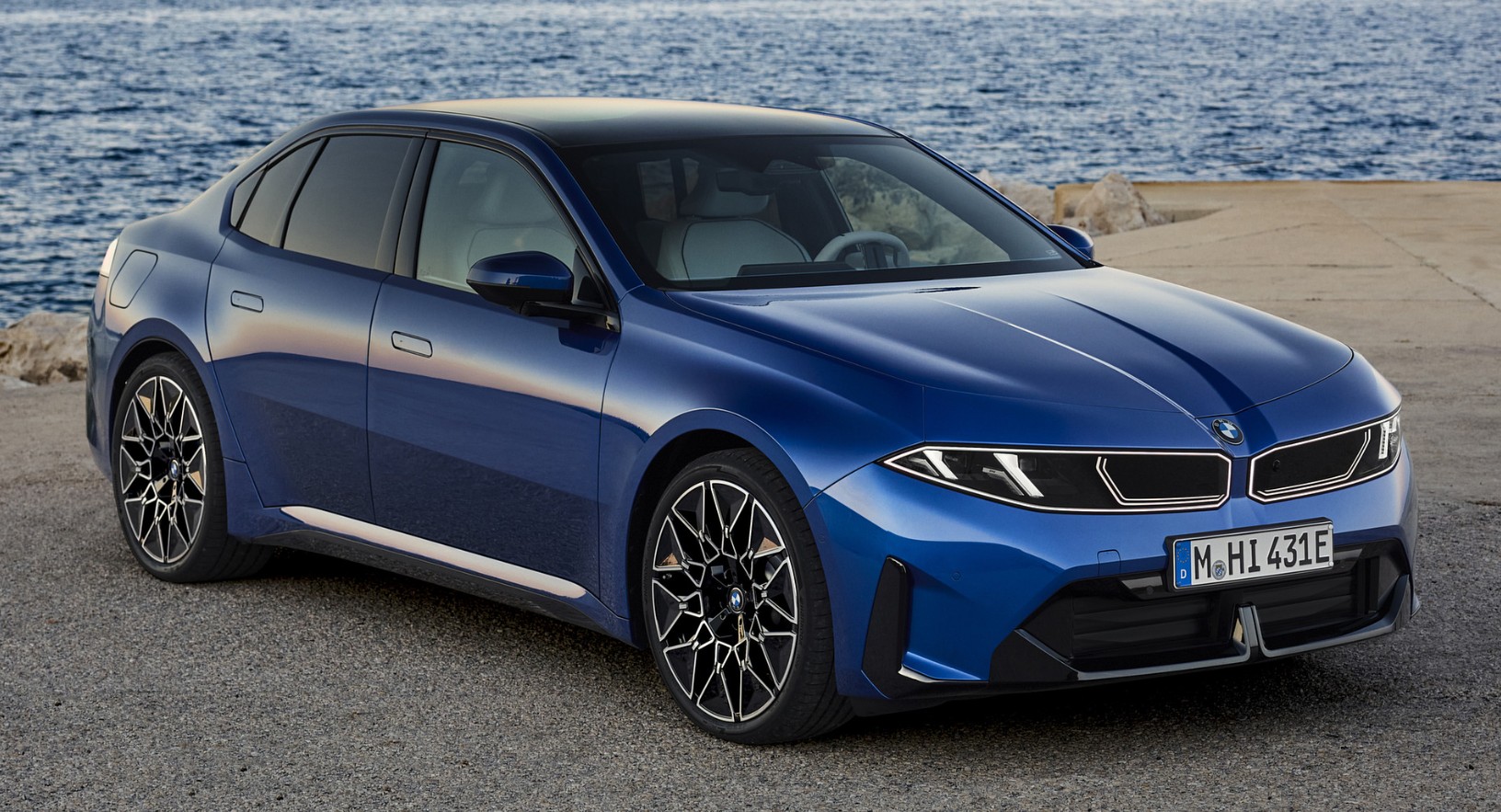
2028 BMW i3 Redesign, Specs, Interior – The 2028 BMW i3 is expected to represent one of the most important developments in BMW’s electric vehicle strategy, bringing the next generation of Neue Klasse technology into a premium electric sedan. Unlike the original BMW i3, which introduced an unconventional electric city car with distinctive styling and a lightweight construction, the new-generation i3 is expected to embrace a more traditional sedan format while delivering considerably greater driving range, advanced digital technology, improved charging capabilities, and a more sophisticated driving experience. It is designed to appeal to drivers who appreciate the character of a conventional BMW but want the advantages of a fully electric powertrain. With electrification becoming increasingly important throughout the luxury automotive market, the upcoming i3 could become a serious competitor in the premium electric sedan segment.
BMW’s Neue Klasse platform provides the foundation for this transformation. Developed specifically for the company’s next generation of electric vehicles, the architecture introduces new battery technology, advanced electric motors, updated electronics, and a redesigned software environment. The new BMW i3 is closely associated with this technological direction and is expected to benefit from developments introduced by the Neue Klasse vehicle family. The objective is not simply to replace an existing electric sedan with a newer model, but to establish a more integrated electric driving experience. Battery efficiency, intelligent energy management, improved performance, and advanced driver assistance systems are expected to work together rather than operate as separate upgrades.
The new i3 also carries an important historical name. BMW originally used the i3 badge on a compact electric hatchback that became recognizable for its unusual exterior proportions, sustainable interior materials, and innovative construction. The upcoming sedan takes a different approach, using the same electric identity for a vehicle intended to serve a broader premium audience. This distinction matters because the 2028 model should not be confused with the discontinued first-generation i3. The new vehicle belongs to a different generation of BMW engineering and is expected to offer a larger body, a more conventional luxury sedan layout, and a substantially different driving experience.
Although several specifications remain subject to official confirmation, the direction of the 2028 BMW i3 is becoming increasingly clear through BMW’s Neue Klasse development program. Buyers can reasonably expect a modern electric sedan with a strong emphasis on driving dynamics, long-distance usability, premium comfort, and intelligent technology. However, final battery capacities, EPA-estimated range, acceleration figures, trim designations, and market-specific prices should be treated as unconfirmed until BMW publishes the production specifications. This article examines the expected redesign, exterior and interior, powertrain, safety technology, efficiency, potential trim levels, pricing, and anticipated release schedule. 2028 BMW i3 Redesign
2028 BMW i3 Redesign and Update Plan
Exterior & Interior
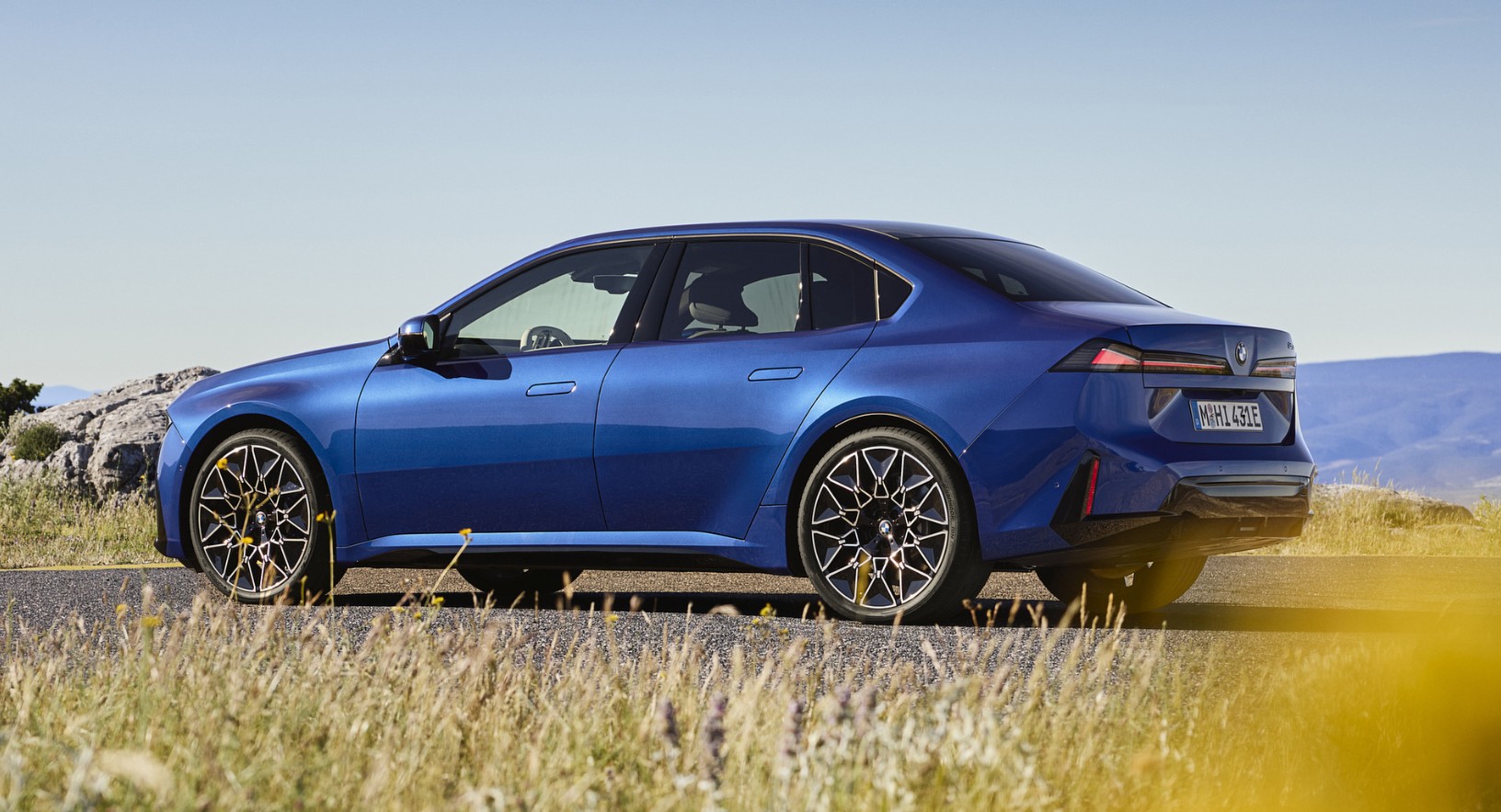
The 2028 BMW i3 is expected to introduce a comprehensive redesign based on the Neue Klasse design philosophy. Its exterior should move away from the unusual proportions of the original i3 and adopt the balanced silhouette of a modern luxury sedan. A long-looking wheelbase, short overhangs, sculpted body surfaces, and a low visual stance are expected to give the vehicle a more athletic appearance. BMW’s design direction emphasizes simplicity and recognizable proportions instead of excessive decorative elements. As a result, the new i3 should look cleaner and more contemporary while retaining visual characteristics associated with the brand’s premium sedan lineup. Its body proportions are also expected to support aerodynamic efficiency, which is particularly important for an electric vehicle intended for everyday commuting and longer highway journeys.
The front fascia is likely to become one of the most recognizable elements of the new model. BMW’s Neue Klasse styling introduces a reinterpretation of the traditional kidney grille, integrating lighting and design elements into a more streamlined front-end arrangement. Rather than relying on a conventional large grille opening for engine cooling, the electric i3 can use a more enclosed front design with carefully managed air channels. Slim LED lighting, a distinctive illuminated front signature, and a sculpted bumper could create a recognizable appearance during both daytime and nighttime driving. The overall design should communicate its electric identity without abandoning BMW’s established visual language. Aerodynamic wheel designs, carefully shaped side surfaces, and an efficient rear profile are also expected to contribute to its modern appearance.
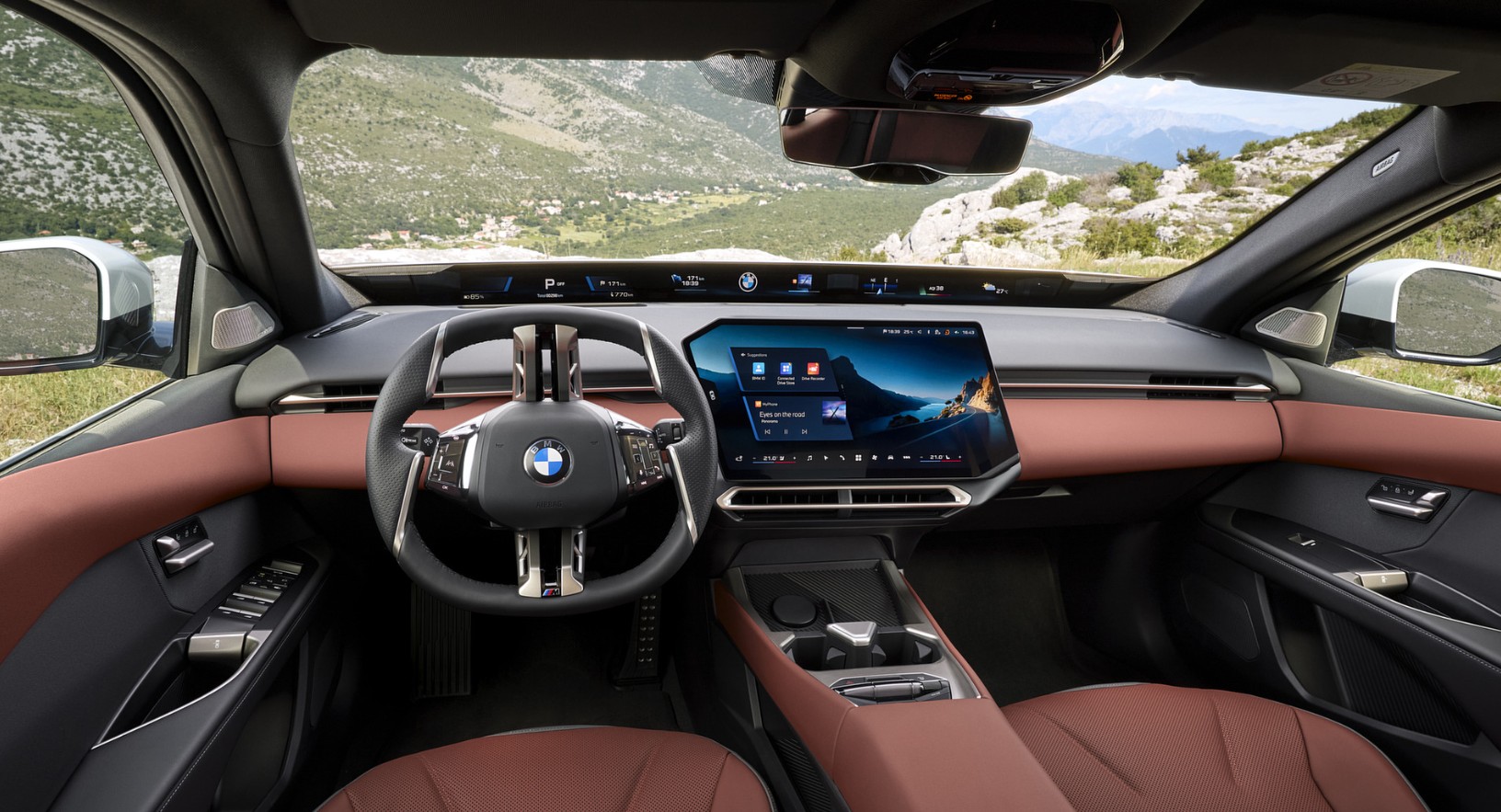
Inside, the 2028 BMW i3 is expected to deliver a significantly different cabin experience through a combination of minimalist design and advanced digital technology. The Neue Klasse interior direction places considerable attention on the driver’s visibility, intuitive controls, and a cleaner dashboard layout. One of the most important expected features is BMW Panoramic Vision, a display concept that projects important vehicle information across the lower portion of the windshield. This approach allows essential driving information to remain within the driver’s natural field of vision, reducing the need to look down toward a conventional instrument cluster. A central touchscreen is also expected to handle navigation, entertainment, vehicle settings, and connected services, while the overall dashboard design should maintain a premium and uncluttered appearance.
Passenger comfort should remain an important part of the new i3’s development. A dedicated electric platform can provide packaging advantages by reducing the space traditionally occupied by an internal combustion engine and transmission. Depending on the final body dimensions, this could create more useful cabin space, particularly for rear passengers. BMW is also expected to use carefully selected upholstery, sustainable materials, refined surface finishes, and improved ambient lighting to establish a premium atmosphere. Comfortable seating, multiple storage compartments, practical charging connections, and advanced climate controls should help make the vehicle suitable for daily use. The combination of modern materials and digital convenience could give the 2028 BMW i3 a more sophisticated character than its predecessor while maintaining the driver-focused environment expected from a BMW sedan.
2028 BMW i3 Specs
Engine & Performance
The powertrain is expected to be one of the strongest selling points of the 2028 BMW i3. Built around the Neue Klasse electric architecture, the new sedan is expected to use BMW’s sixth-generation eDrive technology, known as Gen6. This generation introduces significant changes to electric motors, battery cells, and energy management. BMW has emphasized improvements in efficiency, power density, charging performance, and overall system integration. The company has also introduced a new cylindrical battery-cell format for its Gen6 technology, representing an important departure from the prismatic cells used in previous battery generations. These developments should help the i3 deliver a more advanced combination of performance and everyday efficiency.
Rear-wheel drive is expected to play an important role in the driving character of the new BMW i3. A rear-mounted electric motor would provide the traditional BMW balance that enthusiasts associate with the brand’s sports sedans. Electric motors can deliver maximum torque almost immediately, allowing the vehicle to accelerate smoothly from a standstill and respond quickly during overtaking maneuvers. Depending on the final configuration, BMW may also introduce dual-motor all-wheel-drive versions with additional traction and stronger performance. Such a setup would be particularly useful for drivers who regularly encounter wet roads, challenging weather conditions, or demanding acceleration requirements. However, official motor outputs, horsepower ratings, torque figures, and acceleration times should not be assumed until the production model is fully announced.
Battery technology will determine much of the new i3’s long-distance capability. BMW’s sixth-generation battery system is expected to provide higher energy density and improved packaging efficiency compared with earlier electric vehicle technology. The cylindrical cells are designed to support a more integrated battery structure while helping reduce energy losses throughout the vehicle. BMW has also highlighted the potential for substantially faster charging and improved overall vehicle efficiency with its Neue Klasse architecture. For customers, these changes could translate into fewer charging stops, more convenient long-distance travel, and better energy consumption during everyday driving. Final battery capacity and usable energy figures will depend on the production specification and the particular version selected.
Driving dynamics should remain a major priority even as BMW moves further into electrification. The low-mounted battery pack can help lower the vehicle’s center of gravity, improving stability through corners and reducing body movement during direction changes. Precise steering calibration, carefully tuned suspension components, and sophisticated traction management should contribute to a controlled and responsive driving experience. Electric power delivery also offers an opportunity to create smooth acceleration without the gear changes associated with traditional combustion engines. BMW is expected to combine these advantages with software-controlled chassis systems to deliver a driving character that feels familiar to existing BMW customers while taking advantage of electric propulsion. The result should be a premium sedan designed for both comfortable commuting and more engaging driving on winding roads. 2028 BMW i3 Redesign
2028 BMW i3 Fuel Economy
Fuel economy is not measured in the traditional sense for the fully electric 2028 BMW i3. Instead, its efficiency will be evaluated through electricity consumption, generally expressed in kilowatt-hours per 100 miles or miles per kilowatt-hour. The Neue Klasse platform is expected to improve efficiency through advanced battery cells, optimized electric motors, aerodynamic engineering, and more sophisticated energy management. A streamlined body can reduce air resistance at highway speeds, while regenerative braking can recover some energy during deceleration. The amount of energy recovered will depend on driving conditions, vehicle speed, road gradients, and the selected driving mode. These factors will influence the actual distance owners can travel between charging sessions.
Charging convenience could become another major advantage of the new i3. BMW’s Gen6 technology is intended to support improved charging performance compared with earlier generations, although the final charging rate and charging time will depend on the production battery, charger, temperature, and available electrical infrastructure. DC fast charging should make longer journeys more manageable by allowing drivers to replenish a meaningful amount of battery energy during a short stop. Home charging through an appropriate AC wallbox should remain the most convenient option for regular overnight charging. Intelligent route planning could also help drivers identify compatible charging stations and estimate charging stops during longer journeys. These developments should make the 2028 BMW i3 more practical for customers transitioning from gasoline-powered vehicles to electric mobility.
2028 BMW i3 Safety Features
Safety technology is expected to be a central part of the 2028 BMW i3 package. Modern BMW vehicles increasingly combine cameras, radar sensors, intelligent software, and driver assistance systems to help drivers manage different road situations. The new electric sedan should benefit from the Neue Klasse electronic architecture, which is designed to support more advanced computing and vehicle control functions. Expected driver assistance features could include forward collision warning, automatic emergency braking, lane departure warning, lane keeping assistance, blind-spot monitoring, and adaptive cruise control. These technologies can help identify potential hazards and provide warnings or corrective assistance when appropriate. Their final availability will depend on the vehicle’s market, equipment package, and regulatory requirements.
Parking and low-speed maneuvering should also benefit from improved technology. A premium electric sedan with a relatively long wheelbase needs effective assistance when navigating narrow parking spaces, crowded urban streets, and underground garages. BMW could offer a combination of parking sensors, surround-view cameras, automated parking assistance, and intelligent parking guidance. These systems can help drivers understand the vehicle’s surroundings and reduce the difficulty of maneuvering in restricted spaces. Additional connected functions may allow drivers to monitor selected vehicle information through a smartphone application. Features such as remote locking, charging status monitoring, climate preconditioning, and digital vehicle access could further improve everyday convenience, although the exact equipment list remains unconfirmed.
2028 BMW i3 Release Date & Price
BMW has not confirmed the final trim-level structure or complete market-specific equipment lineup for the 2028 i3. Nevertheless, the company could follow its established strategy of offering multiple configurations based on powertrain, equipment, and performance. A rear-wheel-drive entry version would make sense as a starting point for customers prioritizing efficiency, everyday comfort, and competitive pricing. Higher specifications could introduce additional power, upgraded interior materials, larger wheels, enhanced audio systems, and more comprehensive driver assistance equipment. An all-wheel-drive version could also attract customers seeking stronger acceleration and additional traction. These are reasonable possibilities based on BMW’s product strategy, not confirmed production trim names or specifications.
A more performance-oriented model could eventually expand the i3 range. BMW has a long history of developing high-performance sedan variants, and the Neue Klasse platform creates opportunities for additional electric performance models. A future M Performance version could potentially deliver stronger motor output, more aggressive chassis tuning, upgraded brakes, distinctive exterior styling, and a sportier cabin. A full BMW M electric sedan would represent another level of development, potentially using more advanced motor configurations and performance-focused software. However, an M-badged i3 should not be presented as an established 2028 production trim without an official announcement. For now, the most realistic expectation is a range of conventional electric sedan configurations with different equipment and drivetrain options.
Pricing will be an important factor in determining how competitive the 2028 BMW i3 becomes. BMW has not published an official starting MSRP for the production vehicle, and any specific price circulating before confirmation should be treated as an estimate. The final price will depend on battery configuration, motor output, standard equipment, optional packages, taxes, and the market where the vehicle is sold. As a next-generation premium electric sedan, the i3 is expected to occupy a position that reflects its Neue Klasse technology and BMW branding. Entry configurations could appeal to buyers comparing premium electric sedans, while higher-specification models would likely carry a noticeable price increase for additional performance and luxury equipment.
The release schedule is another important consideration for prospective buyers. BMW’s Neue Klasse development program includes the new iX3 and the next-generation electric 3 Series sedan, commonly associated with the new i3 name. BMW has publicly identified 2026 as the starting point for its Neue Klasse production rollout, with additional models expected to follow. This provides the broader context for the anticipated arrival of the 2028 BMW i3 model year. However, the precise market launch, order-book opening, first customer deliveries, and availability in individual countries may differ. Buyers should also distinguish between the vehicle’s production introduction and its arrival as a 2028 model-year product in markets such as the United States. Final timing will depend on BMW’s official regional announcements.
Conclusion
The 2028 BMW i3 represents a major step forward for BMW’s electric sedan ambitions. Its Neue Klasse foundation brings together sixth-generation eDrive technology, advanced cylindrical battery cells, an 800-volt electrical architecture, and a new digital cockpit designed around the driver. The combination of a sporty sedan design, dual-motor all-wheel drive, rapid charging, and an impressive projected driving range gives the i3 the potential to become one of the most appealing electric vehicles in its category. Rather than simply offering another battery-powered alternative, BMW is using this model to introduce a new generation of engineering across its core sedan lineup.
Performance is another reason the new i3 deserves attention. The 40 xDrive and 50 xDrive configurations provide different levels of power and range, giving customers the opportunity to prioritize affordability or stronger performance. The announced figures for the 50 xDrive, including 469 horsepower, a 4.7-second acceleration time from 0 to 62 mph, and up to 912 kilometers of WLTP range, demonstrate the capabilities of the new platform. Meanwhile, the 40 xDrive offers a compelling alternative with 374 horsepower and a maximum WLTP range of up to 710 kilometers. Both versions benefit from BMW’s latest battery and charging technology.
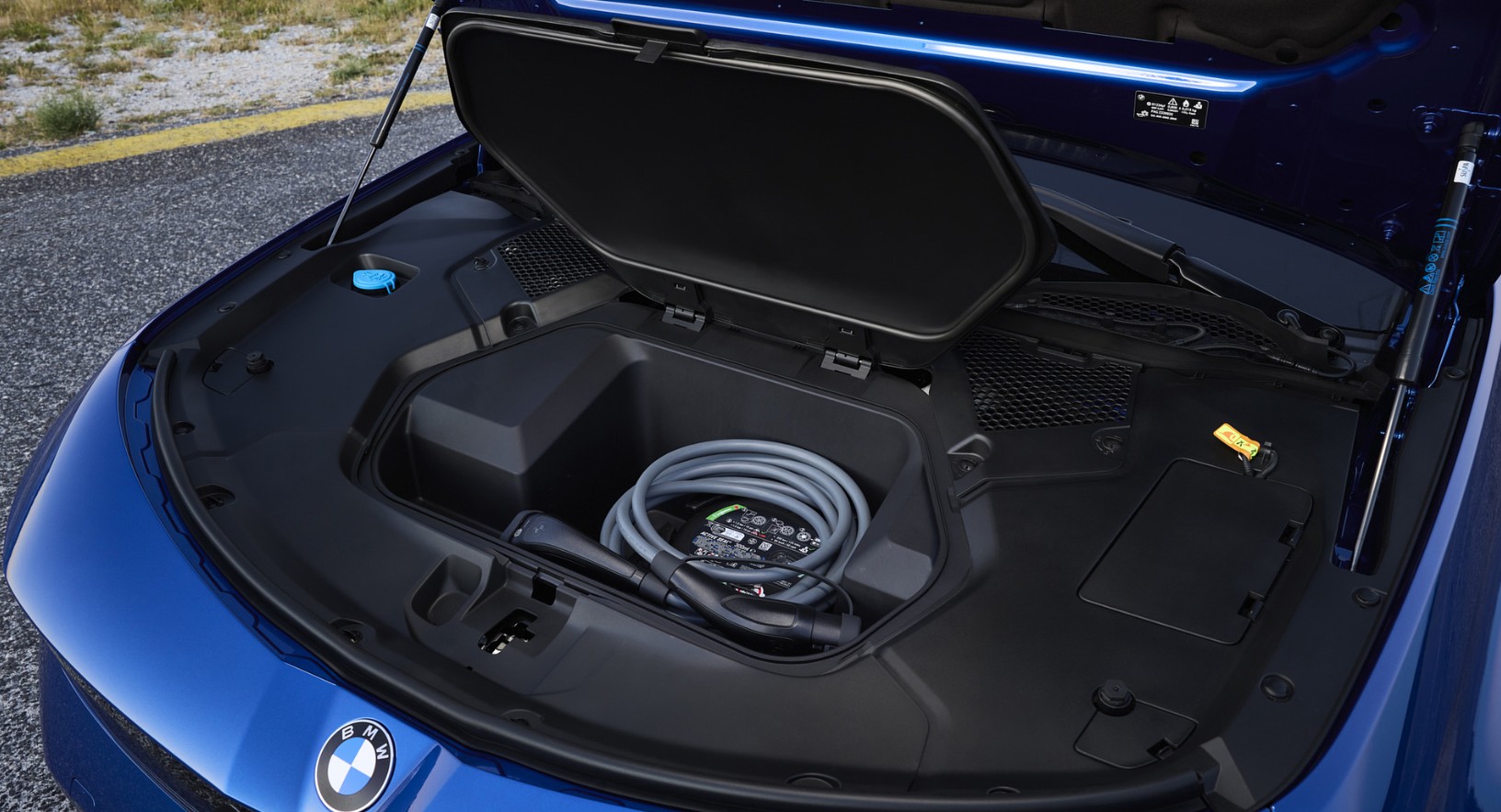
The redesigned cabin and advanced safety systems also strengthen the vehicle’s appeal. BMW Panoramic iDrive, the large central touchscreen, intelligent voice assistance, and updated driver assistance technology create a more connected driving environment. Practical features such as the front storage compartment, flexible rear seating, and generous electric vehicle packaging should make the sedan suitable for more than occasional weekend driving. The combination of premium comfort and efficient electric performance is particularly important for buyers who need a vehicle that can handle daily commuting, business travel, and longer road trips.
Overall, the 2028 BMW i3 deserves consideration from anyone searching for a premium electric sedan with modern technology and genuine driving character. Its final appeal will depend on regional pricing, equipment availability, real-world efficiency, and the development of BMW’s electric performance lineup. Nevertheless, the Neue Klasse platform gives the model a strong foundation, while the introduction of the M60 xDrive could provide even greater performance appeal. For customers interested in the future of the BMW 3 Series, the new i3 is not simply another electric vehicle; it is an important new chapter in the evolution of one of BMW’s most recognizable sedan families.
Note: The details included in this blog post are derived from pre-release material that was accessible when the article was written. If you want the latest information, you should check official sources or call your nearest dealership.
Read Also:
- 2028 BMW M5 Release Date, Price, Dimensions
- 2028 BMW i4 Redesign, Price, Specs
- 2028 BMW iX4 Release Date, Specs, Interior
- 2028 BMW i5 Release Date, Price, Specs
- 2028 BMW i7 M70 Specs, Price, Release Date
Frequently Asked Questions
2028 BMW i3 Redesign, Specs, Interior - The 2028 BMW i3 is expected to represent one of the most important developments in BMW's electric vehicle strategy, bringing the next generation of Neue Klasse technology into a premium electric sedan. Unlike the original BMW i3, which introduced an unconventional…
BMW's Neue Klasse platform provides the foundation for this transformation. Developed specifically for the company's next generation of electric vehicles, the architecture introduces new battery technology, advanced electric motors, updated electronics, and a redesigned software environment. The new BMW i3 is closely associated with this technological direction and…
The new i3 also carries an important historical name. BMW originally used the i3 badge on a compact electric hatchback that became recognizable for its unusual exterior proportions, sustainable interior materials, and innovative construction. The upcoming sedan takes a different approach, using the same electric identity for a…
Although several specifications remain subject to official confirmation, the direction of the 2028 BMW i3 is becoming increasingly clear through BMW's Neue Klasse development program. Buyers can reasonably expect a modern electric sedan with a strong emphasis on driving dynamics, long-distance usability, premium comfort, and intelligent technology. However,…
2028 BMW i3 Redesign and Update Plan Exterior & Interior The 2028 BMW i3 is expected to introduce a comprehensive redesign based on the Neue Klasse design philosophy. Its exterior should move away from the unusual proportions of the original i3 and adopt the balanced silhouette of a…