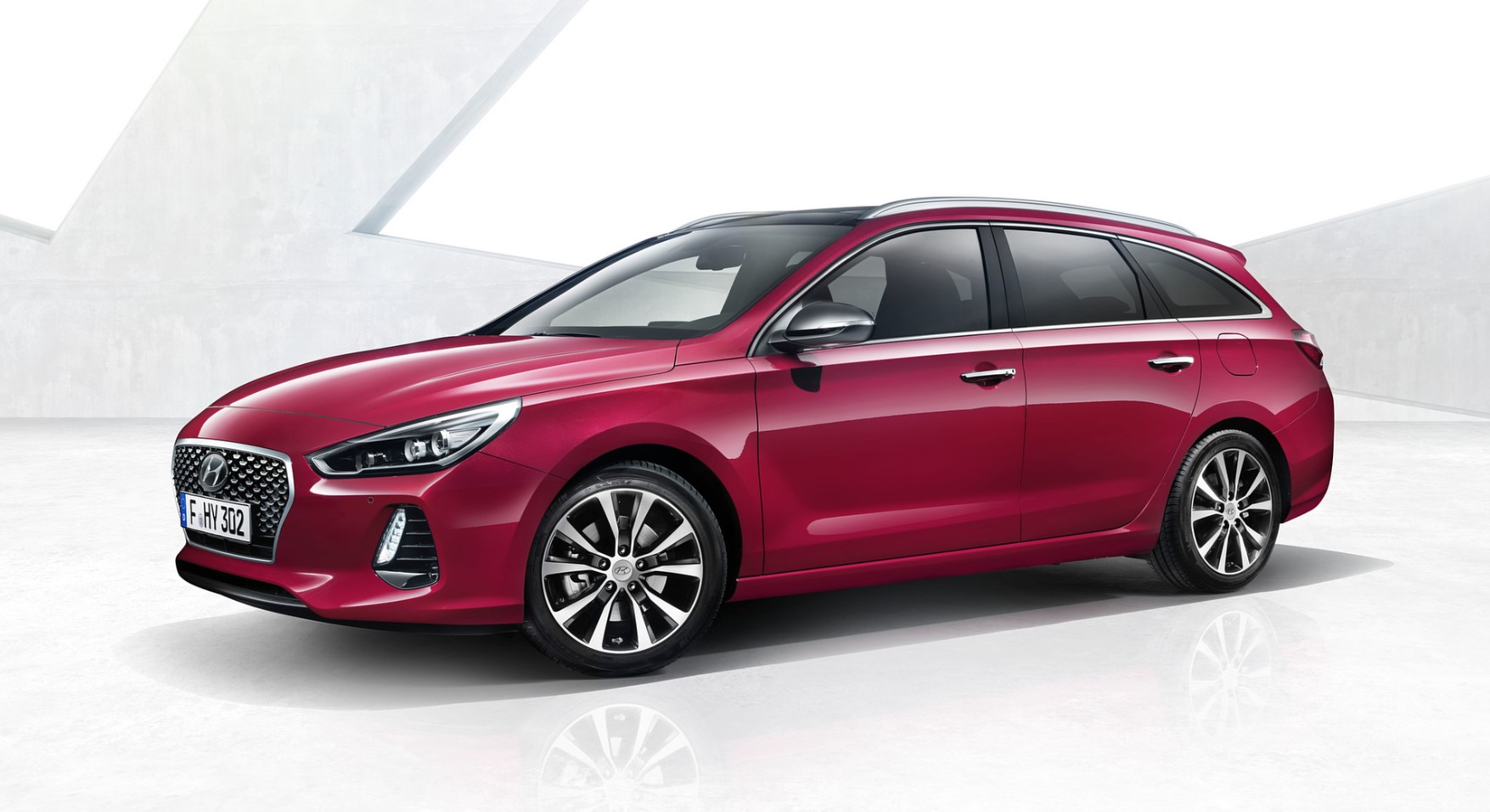
2027 Hyundai i30 Tourer Redesign, Price, Specs – The 2027 Hyundai i30 Tourer could become one of the most interesting affordable family wagons in the European market if Hyundai continues developing the i30 formula around practicality, efficient turbocharged engines, modern connectivity, and increasingly sophisticated driver assistance. The current i30 Wagon already offers a substantial 602-liter luggage compartment, expanding to 1,650 liters with the rear seats folded, while the latest European range combines a 1.0-liter T-GDi with 115 PS and a 1.6-liter T-GDi producing 150 PS.
For 2027, the biggest attraction is unlikely to be a radical transformation into an expensive premium estate. Instead, the next evolution should focus on making the i30 Tourer more competitive against compact wagons and crossover alternatives through sharper styling, better cabin technology, improved efficiency, and a stronger standard equipment package. Hyundai has already demonstrated that strategy with recent i30 updates, including revised exterior styling, LED lighting, upgraded connectivity, and additional safety technology.
The Tourer name also fits an increasingly important part of the market. Buyers who need more cargo room than a hatchback provides do not necessarily want the higher running costs, bulkier dimensions, and elevated driving position of an SUV. A well-engineered wagon can offer excellent highway stability, useful rear-seat space, a large cargo area, and relatively efficient engines while remaining easier to park and maneuver in European cities.
At this stage, Hyundai has not officially confirmed every detail of a 2027-model-year i30 Tourer. Therefore, projected specifications should not be mistaken for final factory figures. What can be assessed with much greater confidence is the direction of the existing i30 Wagon and the features Hyundai is already emphasizing. The result points toward a practical, technology-focused family car with enough style to attract buyers who have no interest in driving a conventional SUV. 2027 Hyundai i30 Tourer Redesign
2027 Hyundai i30 Tourer Redesign and Update Plan
Exterior & Interior
The exterior design should remain one of the strongest reasons to choose the 2027 Hyundai i30 Tourer. Unlike many practical wagons that prioritize cargo capacity at the expense of visual appeal, the i30 Tourer has traditionally used a relatively sleek profile. The current Wagon measures 4,585 mm in length, 1,795 mm in width, and 1,465 mm in height, with a 2,650-mm wheelbase. Those proportions give Hyundai enough room for a genuinely useful cargo compartment without making the vehicle excessively large for European roads.
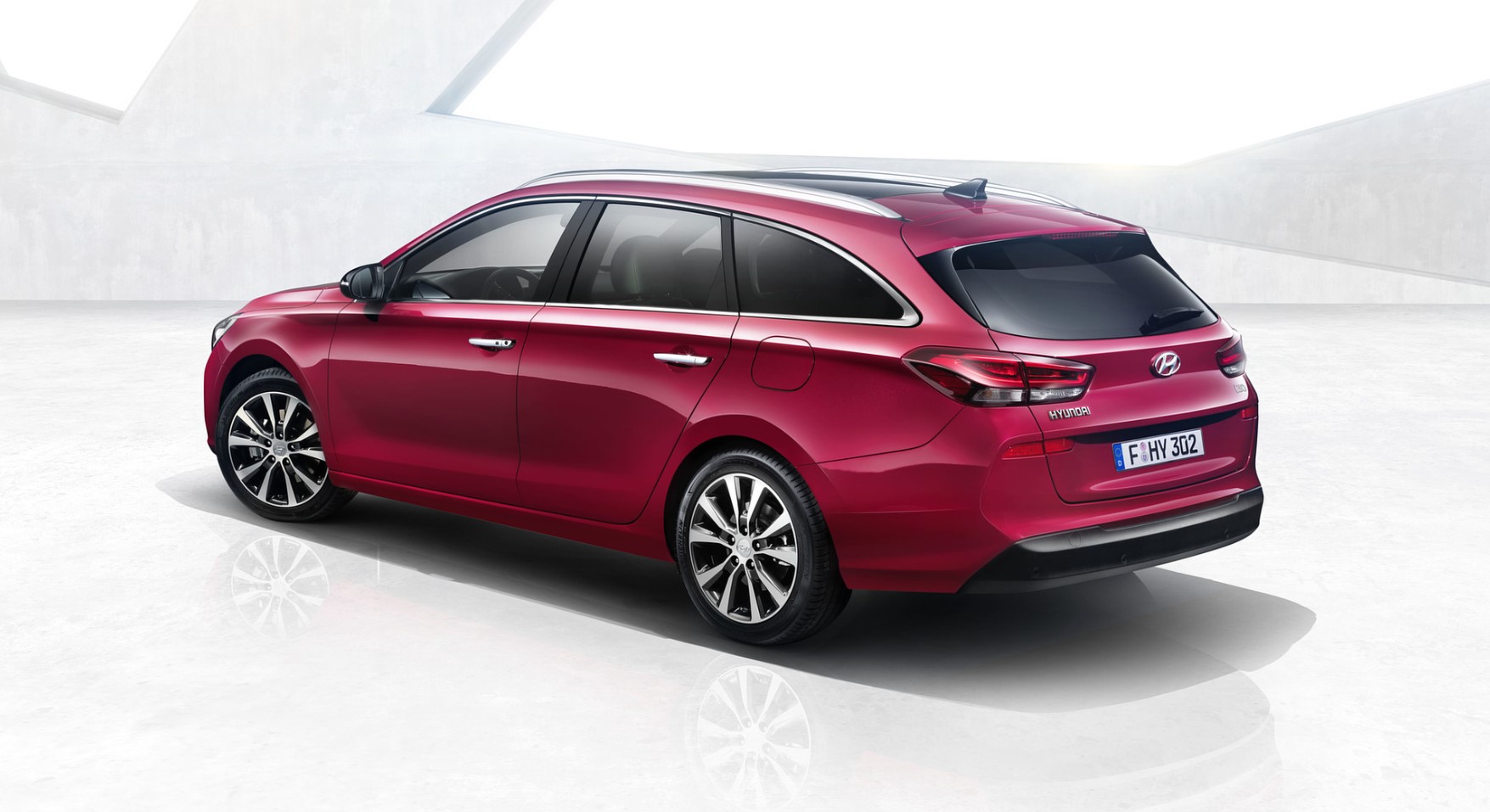
At the front, a 2027 version could introduce a more precise interpretation of Hyundai’s current design language. Slimmer LED headlamps, a wider-looking grille, sharper bumper detailing, and a stronger lower-air-intake treatment would give the Tourer a more expensive appearance. The current i30 facelift already uses slimmer lamps and V-shaped LED daytime running lights, while standard LED headlamps and taillights are part of the updated model’s design strategy. New wheel designs could further differentiate entry models from sportier versions.
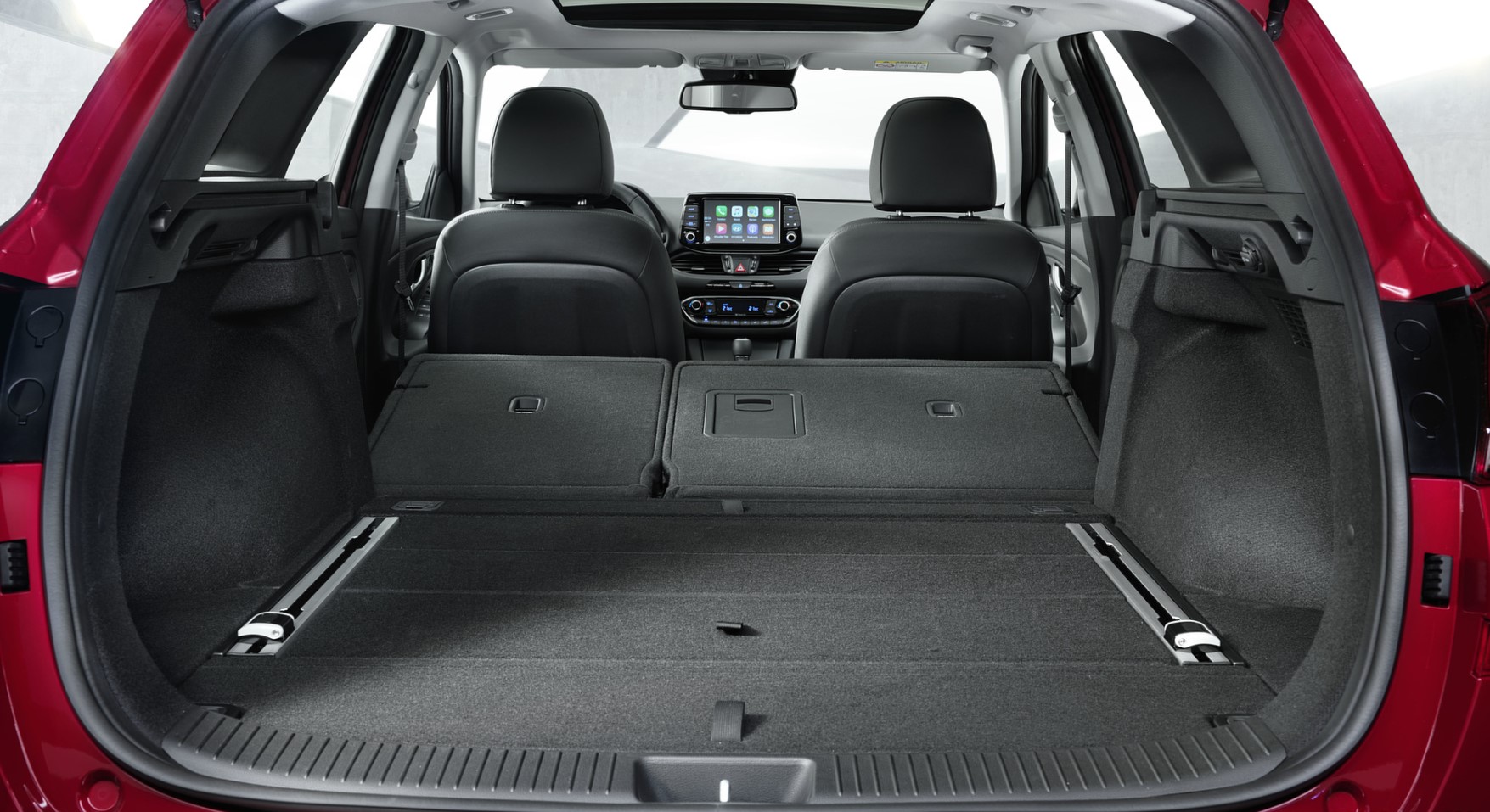
The side profile should remain relatively conservative because practicality is fundamental to the Tourer’s identity. A long roof, large rear doors, a low loading height, and a carefully shaped rear section are more valuable than aggressive bodywork. The existing wagon already provides 602 liters of luggage capacity behind the rear seats and 1,650 liters when they are folded, giving it a significant advantage over many compact hatchbacks. Hyundai could further improve usability with revised storage compartments, easier cargo-area access, additional tie-down points, and a more flexible rear-seat folding arrangement.
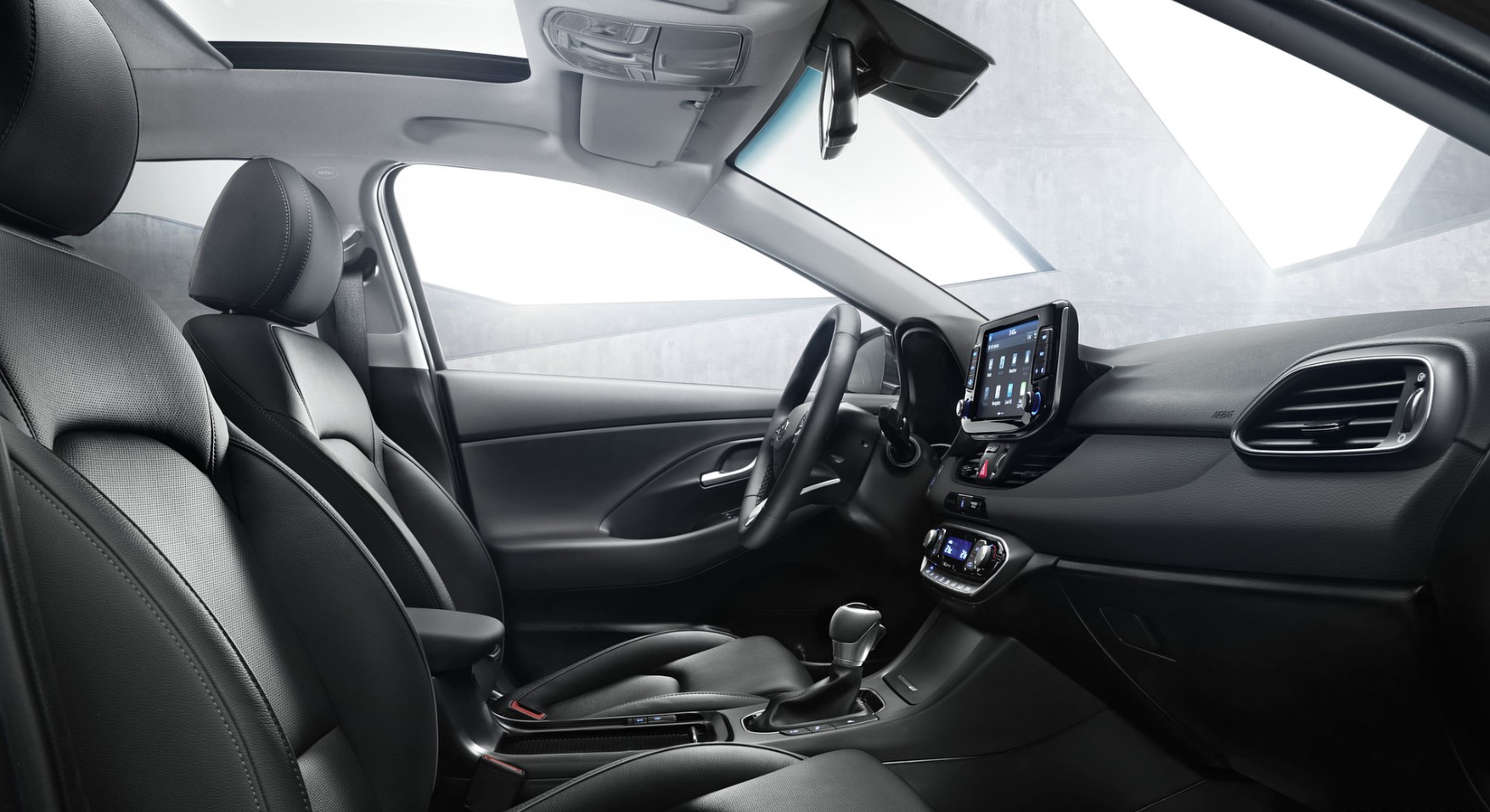
The cabin should continue emphasizing usable technology rather than turning the dashboard into a screen-heavy novelty. The current i30 Wagon offers a 10.25-inch multimedia touchscreen, smartphone integration through Android Auto and Apple CarPlay, Bluelink connected services, and a digital cockpit on higher equipment levels. For 2027, upgraded graphics, faster menus, wireless smartphone connectivity, USB-C charging throughout the cabin, improved navigation, and a larger or more configurable digital instrument display would make the Tourer feel substantially more contemporary without sacrificing physical controls for essential functions.
The 2027 Hyundai i30 Tourer is expected to build on the current generation rather than completely abandon the established formula. Hyundai has already invested heavily in the third-generation i30, and the latest updates brought a more distinctive front fascia, slimmer lighting elements, revised bumpers, new wheel designs, updated colors, improved connectivity, and additional safety equipment. A future model-year update therefore makes more sense as a carefully targeted evolution than an expensive clean-sheet redesign.
The exterior could receive subtle aerodynamic and visual improvements designed to keep the wagon looking fresh against newer European competitors. A revised grille, sharper LED daytime running lights, redesigned bumpers, and new alloy-wheel patterns would be relatively straightforward ways to modernize the car. Hyundai could also use a more distinctive lighting signature to separate the Tourer from the increasingly crowded SUV lineup. The current i30 already uses a broad, modern front design, so the next step would likely be refinement rather than excessive styling.
Inside, the 2027 update could concentrate on digital displays, wireless connectivity, smartphone integration, improved charging, and upgraded materials. The current European i30 Wagon already offers a 10.25-inch touchscreen, while certain versions add a 10.25-inch digital instrument cluster. A future Tourer could push the technology further with a more integrated dashboard layout, faster infotainment software, improved voice controls, and expanded connected-car functions. Hyundai’s existing Bluelink ecosystem also gives the company a strong foundation for remote vehicle functions and live travel information.
A more important update could happen underneath the skin. The current 2026 European i30 Wagon already benefits from increased engine output, with the 1.0 T-GDi rated at 115 PS and the 1.6 T-GDi at 150 PS in markets such as the Netherlands. For 2027, further calibration could improve throttle response, transmission behavior, emissions performance, and low-speed refinement. The suspension could also receive minor tuning changes to balance comfort with body control, particularly because wagon buyers often use their cars for long-distance family travel with heavier loads. 2027 Hyundai i30 Tourer Redesign
2027 Hyundai i30 Tourer Specs
Engine & Performance
The powertrain lineup is likely to remain centered on efficient turbocharged gasoline engines unless Hyundai announces a major electrification strategy for the i30. The latest European i30 Wagon currently offers a 1.0-liter T-GDi petrol engine producing 115 PS with a six-speed manual transmission and a 1.6-liter T-GDi petrol engine producing 150 PS with a seven-speed dual-clutch transmission. That combination gives the range a sensible split between affordability and stronger performance, with the smaller engine aimed at everyday efficiency and the larger unit offering more confident acceleration.
For normal urban driving, the 1.0 T-GDi should remain the logical entry point. Its 115 PS output is sufficient for commuting and mixed driving, while the six-speed manual provides straightforward control and avoids the additional complexity and cost of a larger automatic drivetrain. The engine’s turbocharged character should also provide more useful mid-range torque than a naturally aspirated engine of similar displacement. For buyers carrying passengers and luggage regularly, however, the 1.6 T-GDi is likely to remain the more attractive option because its 150 PS output provides a larger performance margin.
The 1.6 T-GDi paired with the seven-speed DCT should be the preferred setup for long-distance drivers. A dual-clutch transmission can deliver quick gear changes while keeping highway cruising relaxed, and Hyundai already uses this configuration in the current i30 Wagon. The latest European specifications also show that the 1.6-liter engine’s maximum towing capacity can reach 1,410 kg in the Netherlands, while the 1.0-liter version is rated at 1,010 kg there. Such capability reinforces the Tourer’s role as a practical family vehicle.
Driving dynamics should remain balanced rather than aggressively sporty. The long-wheelbase wagon format naturally favors stability, particularly at highway speeds, while Hyundai can use suspension tuning and steering calibration to preserve agility on winding roads. An N Line-inspired version could provide sportier bumpers, larger wheels, darker exterior details, and a more supportive interior without requiring the full performance focus of an i30 N. The current i30 Wagon already offers an N Line trim with 17- or 18-inch wheels, sportier bumpers, black exterior mirrors, privacy glass, and metal pedals.
2027 Hyundai i30 Tourer Fuel Economy
Fuel economy should remain competitive because the current engine range is relatively modest in displacement. Hyundai Germany lists the current 115-PS 1.0 T-GDi i30 at 5.9 L/100 km combined under WLTP, while the 150-PS 1.6 T-GDi is listed at 6.3 L/100 km in the N Line configuration and 6.5 L/100 km in N Line X specification. Final 2027 figures could change because of emissions regulations, equipment, wheel sizes, tires, and drivetrain calibration, so these numbers should be treated as a current reference rather than confirmed 2027 ratings.
For the future model, aerodynamic optimization and revised engine software could provide small efficiency improvements without dramatically changing the driving experience. A longer final-drive ratio, lower rolling-resistance tires, improved start-stop behavior, and more efficient thermal management are all plausible engineering developments. A hybrid-assisted version would make the lineup even more competitive if Hyundai decides to invest in further electrification, although no complete 2027 i30 Tourer hybrid specification has been officially confirmed. The most realistic expectation is therefore continued focus on efficient turbocharged gasoline engines until Hyundai announces otherwise.
2027 Hyundai i30 Tourer Safety Features
Safety should remain a major selling point for the 2027 Hyundai i30 Tourer. The current model already includes technologies such as Forward Collision-Avoidance Assist, Intelligent Speed Limit Assist, Lane Following Assist, Rear Occupant Alert, parking sensors, and a rear-view camera, depending on specification. Hyundai has also emphasized that the updated i30 gained additional Advanced Driver Assistance Systems, including technologies designed to help protect pedestrians, cyclists, and rear-seat occupants.
Higher trims could bring a significantly more comprehensive driver-assistance package. Features such as blind-spot monitoring, rear cross-traffic assistance, adaptive cruise control with stop-and-go capability, highway driving assistance, and enhanced forward collision avoidance are already available in higher-specification versions of the European i30. Hyundai Germany’s current N Line X specification, for example, includes Blind-Spot Collision-Avoidance Assist, Rear Cross-Traffic Collision-Avoidance Assist, adaptive cruise control with stop function, Highway Driving Assist 1.5, and upgraded Forward Collision-Avoidance Assist. 2027 Hyundai i30 Tourer Redesign
2027 Hyundai i30 Tourer Release Date & Price
The 2027 Hyundai i30 Tourer should continue using a tiered trim strategy designed to cover both value-oriented buyers and customers looking for a more premium specification. Current European versions demonstrate a structure that can range from practical entry equipment to sportier N Line models. Hyundai Europe’s Wagon trim information currently identifies GL, GLS, and N Line specifications in one market, while Germany uses Trend, N Line, and N Line X naming. The exact trim names for 2027 will depend on the individual European market.
An entry-level 2027 Tourer should focus on affordability without becoming stripped down. A realistic package would include LED lighting, a touchscreen infotainment system, smartphone connectivity, rear parking sensors, a reversing camera, automatic emergency braking, lane assistance, and air conditioning. Mid-level versions could add larger alloy wheels, a digital instrument cluster, automatic climate control, upgraded interior materials, wireless smartphone charging, and additional convenience equipment. That structure would allow buyers to obtain most desirable features without paying for a premium performance package.
N Line should remain the appearance-focused flagship for buyers who want a sportier look without the running costs of a dedicated high-performance model. Current N Line equipment already includes distinctive bumpers, black mirrors, privacy glass, larger wheels, lumbar support, a driver’s cushion extension, and metal pedals. A 2027 N Line could build on that formula with redesigned seats, a sport steering wheel, darker trim, unique exterior detailing, and an expanded technology package. A more luxurious top trim could then prioritize comfort and advanced driver assistance instead.
Pricing is more difficult to predict because Hyundai has not published official 2027 Tourer pricing. As a useful current reference, Hyundai Germany lists the i30 Wagon from €29,650, while its 115-PS Trend version is associated with a €29,650 starting MSRP before applicable delivery costs and options. A reasonable projection would place a 2027 Hyundai i30 Tourer in roughly the €30,000–€38,000 range, depending heavily on engine, transmission, trim, market taxes, and equipment. The model could arrive through European markets during 2027, but Hyundai has not yet announced a definitive 2027 Tourer launch date. Any exact release date circulating before an official Hyundai announcement should therefore be treated cautiously.
Conclusion
The 2027 Hyundai i30 Tourer has the ingredients to remain a compelling alternative to the growing number of compact SUVs. Its greatest advantage is not outright performance or luxury, but the combination of usable dimensions, generous cargo capacity, efficient turbocharged engines, modern safety technology, and a practical low-slung wagon design. The current i30 Wagon already demonstrates the formula with 602 liters of luggage capacity, 1,650 liters with the rear seats folded, 115-PS and 150-PS turbocharged gasoline engines, modern infotainment, and a broad range of driver-assistance features.
For 2027, the strongest path would be an evolutionary update that sharpens the exterior, modernizes the cabin, improves connectivity, strengthens safety equipment, and maintains competitive fuel consumption. An expanded N Line package could give the Tourer additional visual appeal, while a well-equipped mid-range model would likely offer the best balance between purchase price, technology, comfort, and practicality.
The biggest unanswered questions remain official pricing, exact specifications, powertrain availability, and launch timing. Until Hyundai releases those details, the latest i30 Wagon provides the clearest indication of what the next Tourer could become. If Hyundai preserves the model’s exceptional cargo versatility while adding smarter technology and carefully targeted design improvements, the 2027 Hyundai i30 Tourer could remain one of Europe’s most sensible alternatives to an SUV without feeling like a compromise.
Note: The details included in this blog post are derived from pre-release material that was accessible when the article was written. If you want the latest information, you should check official sources or call your nearest dealership.
Read Also:
- 2027 Hyundai Santa Fe XRT Review, Price, Specs
- 2027 Hyundai Ioniq 5 N Specs, Performance, Review
- 2027 Hyundai Palisade Hybrid Calligraphy Black Ink Edition Review, Specs, Price
- 2027 Hyundai Kona Specs, Price, Performance
- 2027 Hyundai i30 Fastback N Performance, Changes, Specs
Frequently Asked Questions
2027 Hyundai i30 Tourer Redesign, Price, Specs - The 2027 Hyundai i30 Tourer could become one of the most interesting affordable family wagons in the European market if Hyundai continues developing the i30 formula around practicality, efficient turbocharged engines, modern connectivity, and increasingly sophisticated driver assistance. The current…
For 2027, the biggest attraction is unlikely to be a radical transformation into an expensive premium estate. Instead, the next evolution should focus on making the i30 Tourer more competitive against compact wagons and crossover alternatives through sharper styling, better cabin technology, improved efficiency, and a stronger standard…
The Tourer name also fits an increasingly important part of the market. Buyers who need more cargo room than a hatchback provides do not necessarily want the higher running costs, bulkier dimensions, and elevated driving position of an SUV. A well-engineered wagon can offer excellent highway stability, useful…
At this stage, Hyundai has not officially confirmed every detail of a 2027-model-year i30 Tourer. Therefore, projected specifications should not be mistaken for final factory figures. What can be assessed with much greater confidence is the direction of the existing i30 Wagon and the features Hyundai is already…
Fuel economy should remain competitive because the current engine range is relatively modest in displacement. Hyundai Germany lists the current 115-PS 1.0 T-GDi i30 at 5.9 L/100 km combined under WLTP, while the 150-PS 1.6 T-GDi is listed at 6.3 L/100 km in the N Line configuration and 6.5 L/100 km in N Line X specification. Final 2027 figures could change because of emissions regulations, equipment, wheel sizes, tires, and drivetrain calibration, so these numbers should be treated as a current reference rather than confirmed 2027 ratings.