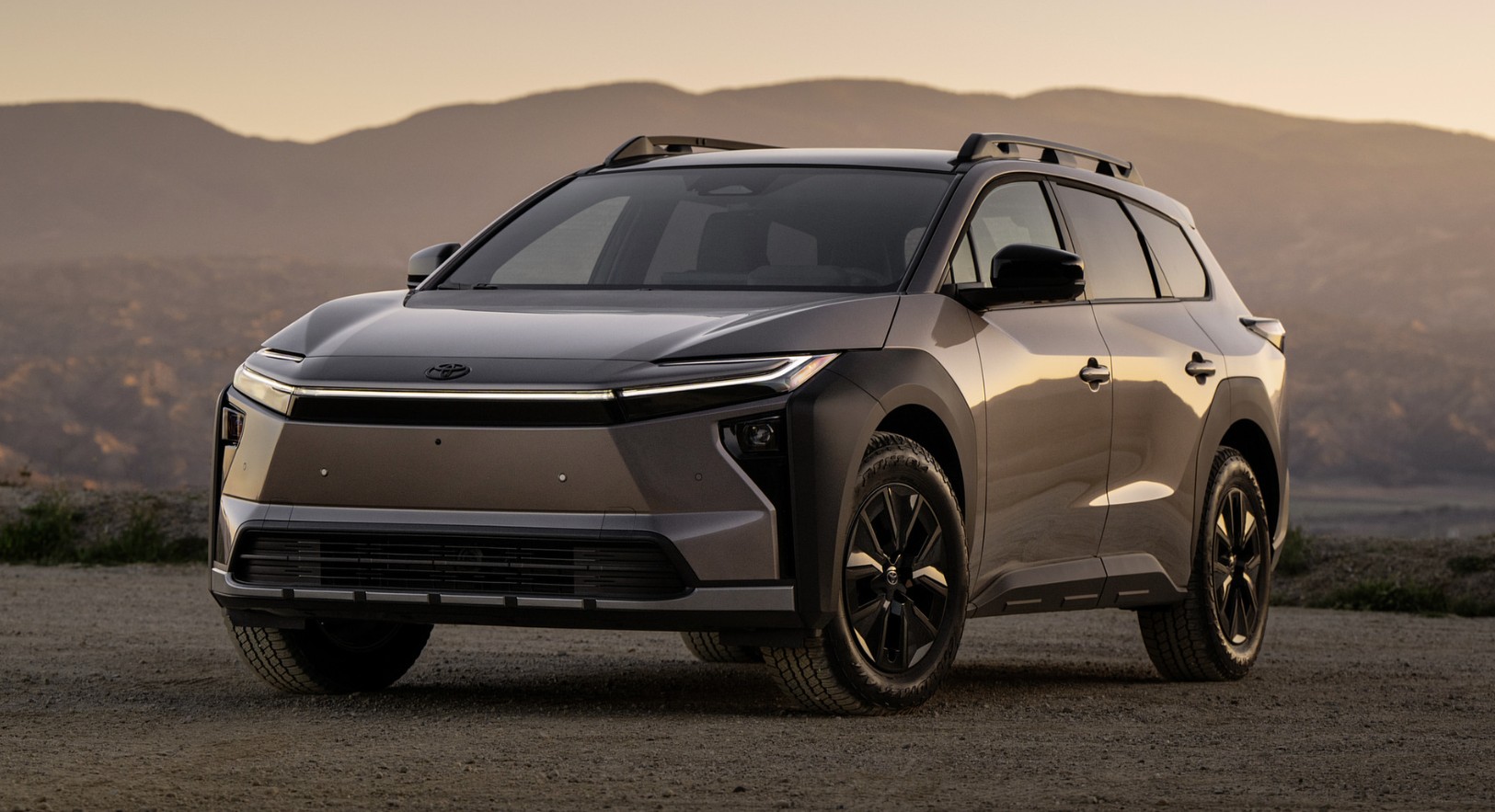
2028 Toyota bZ Woodland Redesign, Specs, Interior – The 2028 Toyota bZ Woodland could attract drivers looking for an all-electric SUV that combines outdoor-inspired styling, practical cargo space, all-wheel-drive capability, and the convenience of zero-tailpipe-emission driving. Building on Toyota’s expanding battery-electric vehicle lineup, a future bZ Woodland would appeal to families, commuters, and outdoor enthusiasts who want an electric vehicle that feels ready for more than a daily trip through the city. Its potential combination of a rugged appearance, modern connectivity, and electric performance could make it an interesting alternative to conventional gasoline SUVs and other electric crossovers. However, Toyota has not confirmed a 2028 model with this exact name, so its specifications, pricing, and release date must be treated as unannounced rather than established facts.
The Woodland name has particular relevance to Toyota’s growing range of vehicles designed around outdoor recreation. Toyota has already announced the 2026 bZ Woodland, an all-electric SUV with standard all-wheel drive, increased ground clearance compared with the regular bZ, and a more adventure-oriented design. This existing model provides a meaningful reference point for considering what a future 2028 version might offer. If Toyota continues the nameplate, the next iteration could retain its focus on traction, storage versatility, and everyday usability while receiving improvements to battery technology, charging convenience, software, or cabin equipment. Any such changes remain possibilities until Toyota publishes official information for the 2028 model year.
Electric SUVs are becoming increasingly relevant to buyers who want to reduce their dependence on gasoline without giving up the practicality of a family vehicle. An electric powertrain can deliver immediate torque, quiet acceleration, and smooth operation in stop-and-go traffic. Home charging can also be convenient for owners who have access to suitable parking and electrical infrastructure, allowing much of their routine charging to take place overnight. For drivers who frequently travel beyond urban areas, however, driving range, public charging availability, charging speed, weather conditions, and the distance between destinations remain important considerations. A future Toyota bZ Woodland would need to address these everyday concerns while preserving the utility expected from an outdoor-oriented SUV.
The central question surrounding the 2028 Toyota bZ Woodland is whether Toyota will refine an already distinctive electric SUV or introduce more substantial technical and design changes. Buyers may reasonably hope for competitive driving range, dependable charging performance, responsive all-wheel drive, a user-friendly infotainment system, and durable interior materials. Families would also benefit from comfortable seating, useful storage compartments, and advanced driver-assistance technology. Yet it is important to separate these expectations from confirmed product information. The 2026 bZ Woodland establishes the current direction of the nameplate, while the 2028 version remains unconfirmed. Until Toyota announces its plans, the most accurate approach is to evaluate the existing model and identify the upgrades that would make a future version more compelling. 2028 Toyota bZ Woodland Redesign
2028 Toyota bZ Woodland Redesign and Update Plan
Exterior & Interior
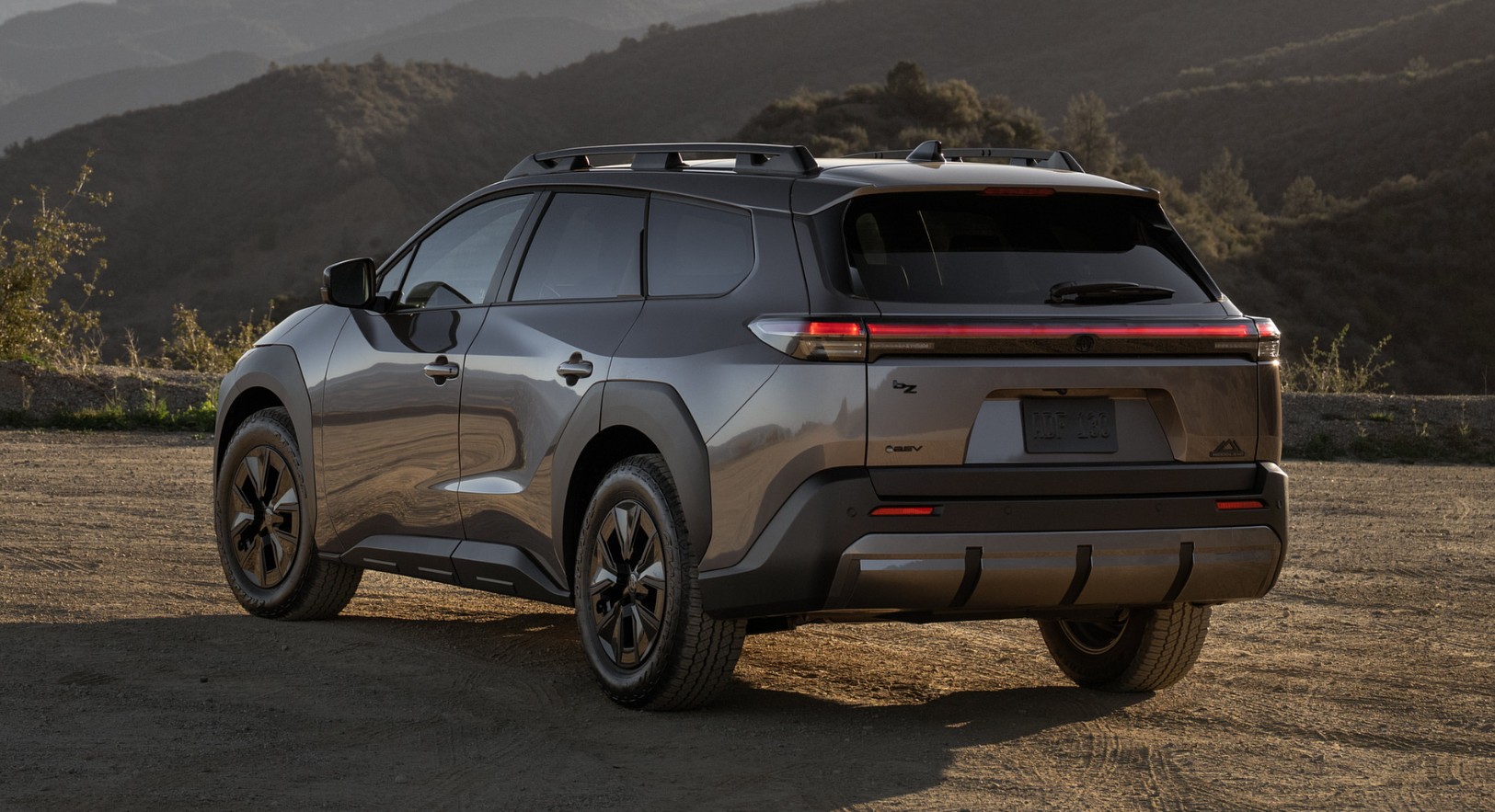
The exterior design of the Toyota bZ Woodland distinguishes it from more conventional electric crossovers through its adventure-focused appearance. The 2026 model features a longer body than the standard bZ, a more substantial rear cargo area, distinctive body cladding, and styling details intended to communicate durability. If Toyota carries the Woodland identity into 2028, these elements could remain central to its visual character. A broad stance, sculpted bodywork, and carefully integrated lighting would help the SUV look contemporary without relying entirely on aggressive styling. The challenge would be maintaining an outdoors-inspired appearance while keeping aerodynamic drag under control, since aerodynamic efficiency directly influences how much energy an electric vehicle needs at highway speeds.
Wheel and tire selection would be especially important for a future bZ Woodland. Larger wheels can create a more assertive appearance, while tires designed for mixed road surfaces may provide advantages on gravel or other less predictable terrain. However, wheel size, tire construction, tread pattern, and rolling resistance all affect ride quality and energy consumption. Toyota would need to choose a setup that supports the vehicle’s intended use without unnecessarily reducing driving range. Additional lower-body cladding and protective-looking trim could help reinforce the Woodland identity, while roof-rail compatibility or available cargo accessories would appeal to owners who carry bicycles, outdoor equipment, or travel gear. The exact wheel designs, exterior colors, accessory packages, and body dimensions of a 2028 version have not been announced.
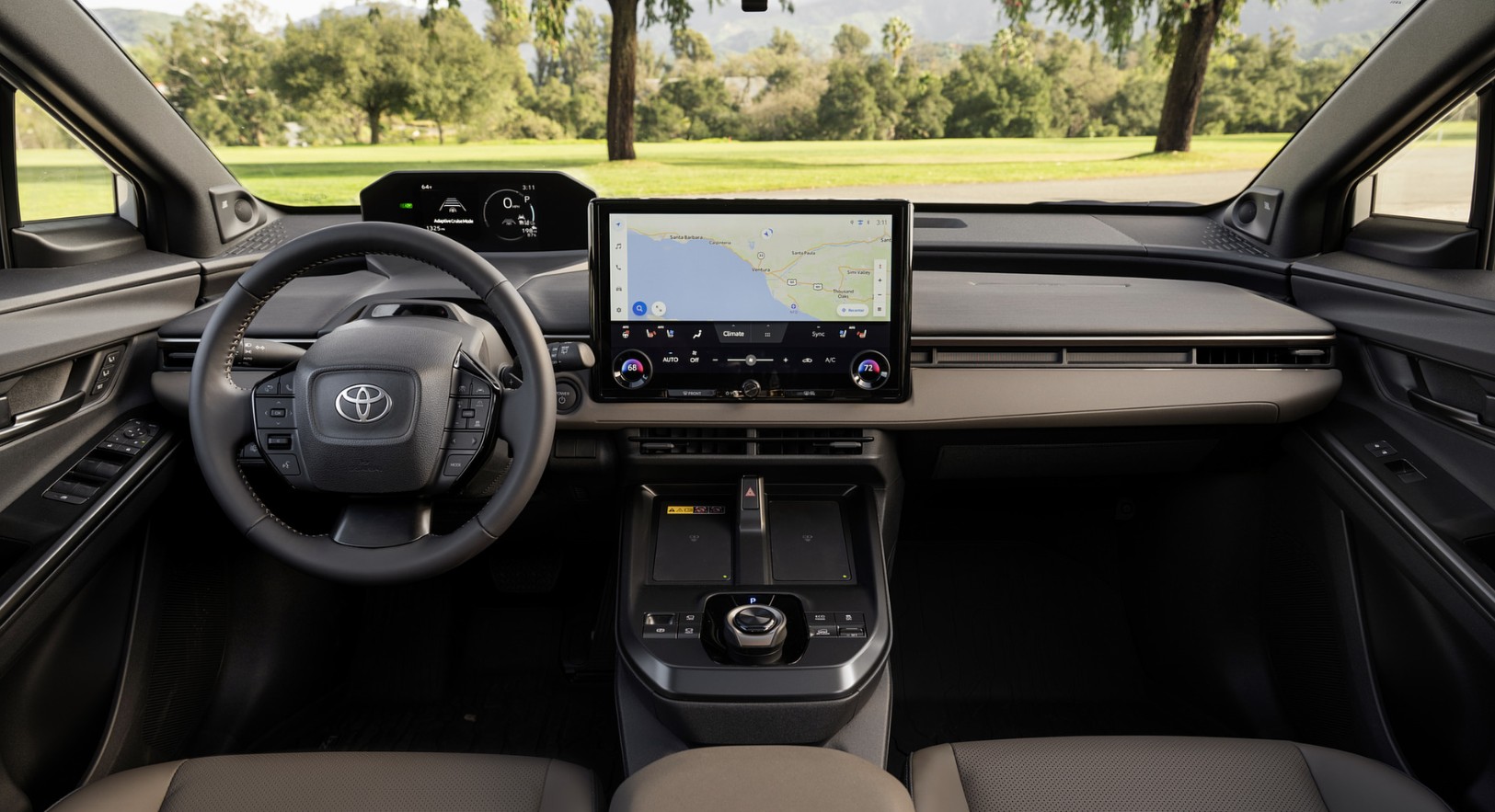
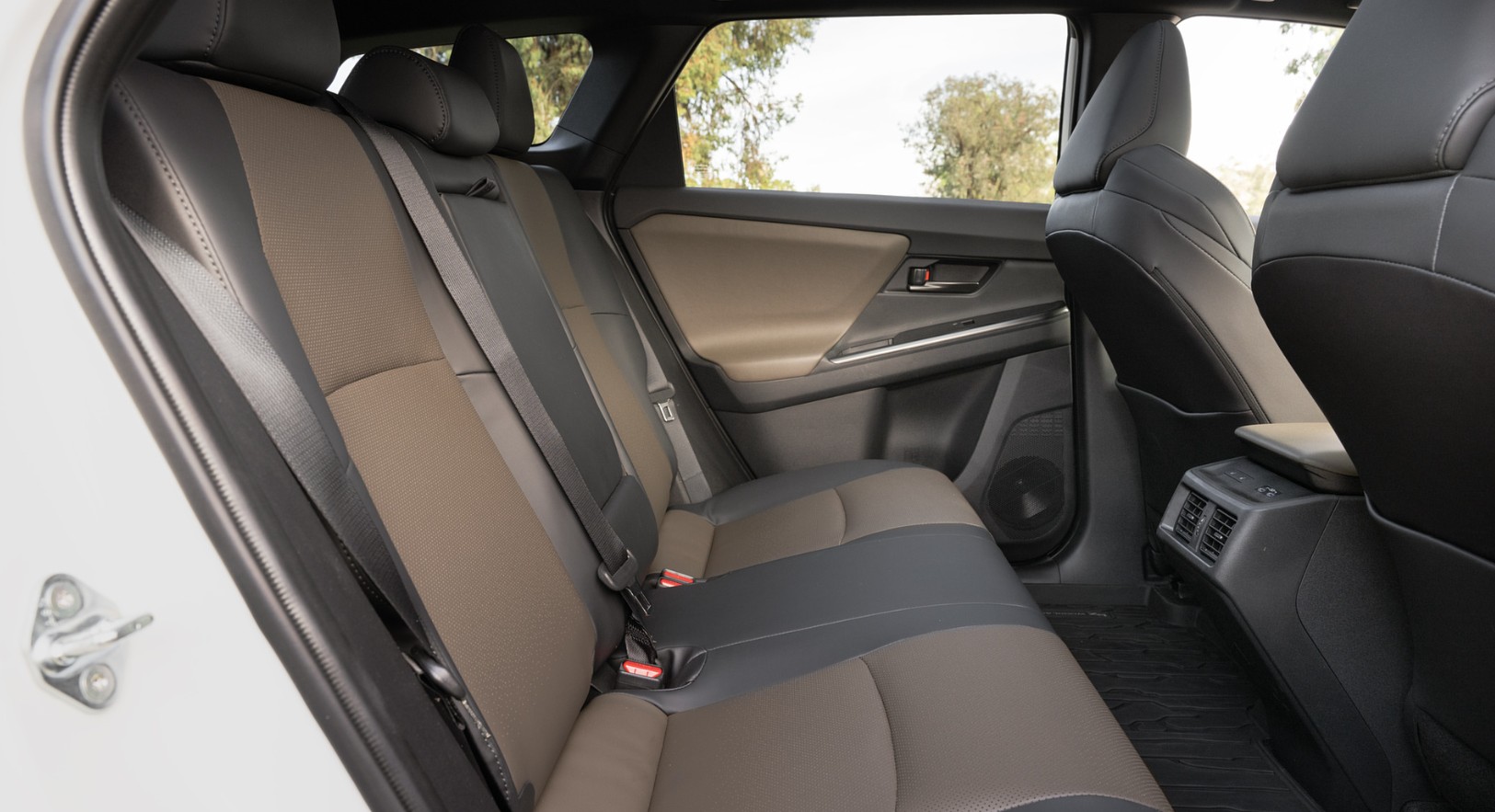
Inside, a future Toyota bZ Woodland would need to combine modern electric-vehicle technology with the practical layout expected from a versatile SUV. The cabin should provide comfortable front seats, useful rear-seat space, accessible storage, and a driving position that offers good visibility. A well-organized dashboard would help drivers monitor navigation, battery charge, estimated remaining range, and energy consumption without unnecessary distraction. Toyota could also refine seat materials, introduce Woodland-specific decorative details, or offer more durable surfaces suited to outdoor activities. The current model provides the basis for evaluating the concept, but no official interior photographs or equipment list for the 2028 version are available. Buyers should therefore avoid assuming that a particular upholstery color, display arrangement, or seating feature will be carried over.
Cargo flexibility could be one of the Woodland’s strongest practical advantages. Electric SUVs can benefit from packaging that places major battery components beneath the floor, although the exact shape and usefulness of the cargo area depend on the vehicle’s architecture. A future bZ Woodland could be well suited to carrying camping equipment, groceries, sports bags, luggage, and everyday family essentials. A broad rear opening, a low and usable loading area, flexible rear-seat folding, and well-positioned storage compartments would make the vehicle easier to live with. Interior power outlets, if offered, could also be useful for charging small devices during trips. Roof-mounted accessories and cargo carriers might expand its usefulness further, but their compatibility, weight limits, and effect on driving range would need to be checked against Toyota’s official guidance.
A potential redesign for the 2028 Toyota bZ Woodland could focus on improving the existing SUV rather than replacing its fundamental identity. The current Woodland formula combines an electric platform with styling and equipment intended to support a more adventurous lifestyle. Toyota could preserve that approach while refining the exterior, updating the cabin, and improving the software that manages the vehicle’s infotainment and charging functions. A future model-year update might also include changes to battery management, thermal control, or energy efficiency. These areas can make a meaningful difference to electric-vehicle ownership even when the vehicle’s overall shape and dimensions remain familiar. No comprehensive redesign or specific engineering update has been confirmed for the 2028 model.
Battery technology would be one of the most significant areas to watch. Improvements in usable battery capacity, power electronics, thermal management, and drivetrain efficiency can increase driving range without requiring a dramatic change in exterior dimensions. Toyota could also explore more effective battery preconditioning, helping prepare the battery for fast charging when a compatible navigation system and charging station are used. Better route planning and clearer charging information could make longer journeys easier to organize. However, a newer model year does not automatically guarantee a larger battery, longer range, or faster charging. Any expected improvements must be measured against the specifications Toyota eventually publishes, including battery capacity, estimated range, charging power, and the conditions under which those figures are achieved.
Technology updates could be just as important as mechanical improvements. Drivers increasingly expect electric SUVs to offer straightforward navigation, wireless smartphone integration where supported, dependable voice controls, and software that makes charging information easy to understand. A future bZ Woodland could receive updated multimedia software, improved digital displays, revised connected services, or additional over-the-air update capabilities. These features would help the vehicle remain useful as charging networks and digital services evolve. Toyota could also refine the interface for energy consumption, regenerative braking, and charging schedules so that owners can better understand how driving style affects range. Nevertheless, no particular screen size, operating system, software package, or connectivity feature has been confirmed for a 2028 Woodland model.
The chassis and suspension could also receive attention if Toyota decides to develop the Woodland concept further. The existing model’s higher ground clearance and all-wheel-drive configuration support its outdoor-oriented positioning, but a future update could focus on improving ride comfort, handling stability, or traction management on loose surfaces. Engineers would need to balance these priorities against road noise, aerodynamic efficiency, tire resistance, and battery consumption. More aggressive tires or heavier protective equipment can affect range, so any added capability would need to be considered alongside efficiency. A more advanced traction-control calibration might also help the SUV respond smoothly to changes in grip. These are reasonable development opportunities, not evidence that Toyota has committed to a redesigned suspension or additional off-road hardware for 2028. 2028 Toyota bZ Woodland Redesign
2028 Toyota bZ Woodland Specs
Engine & Performance
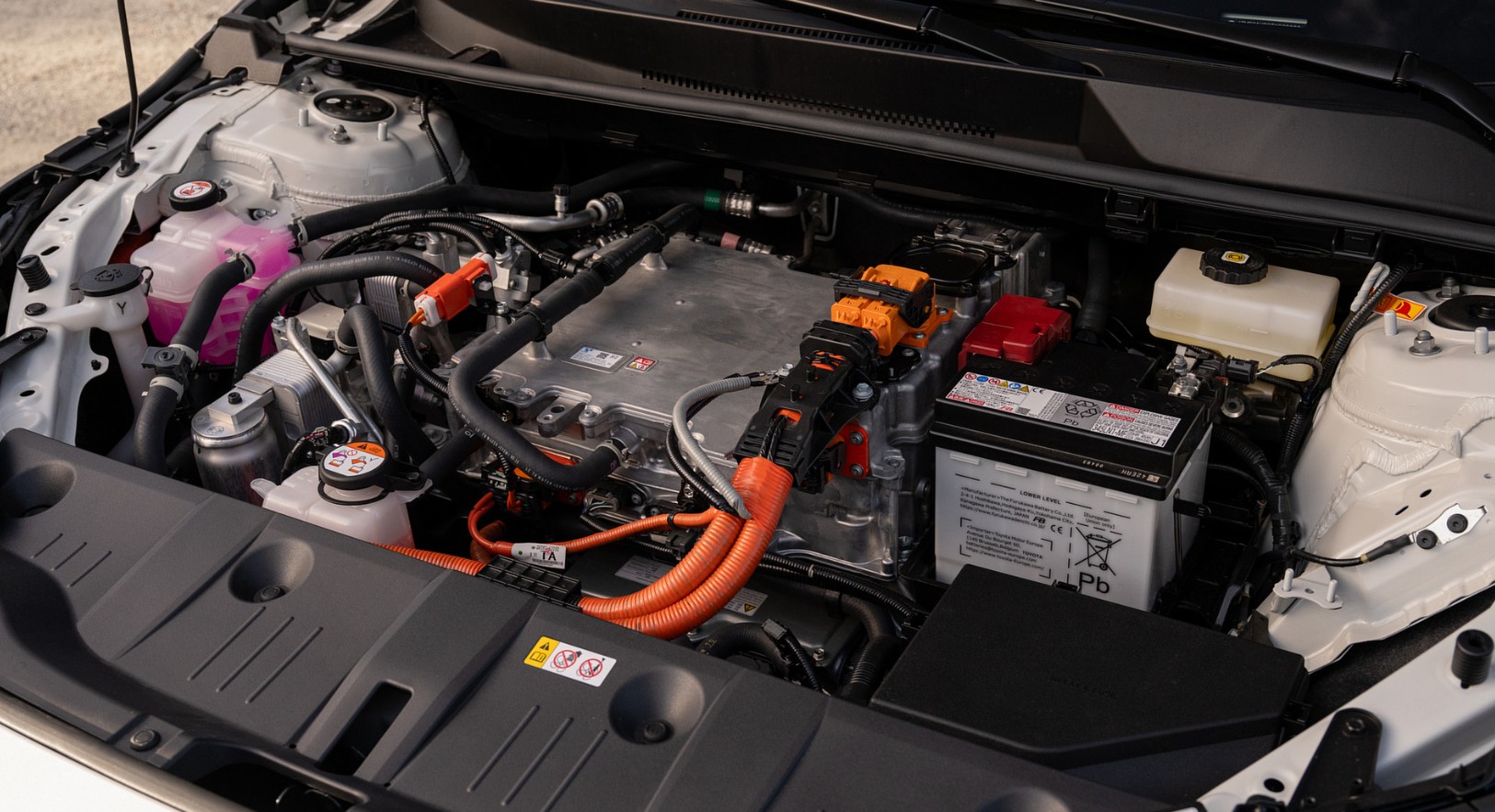
The powertrain would determine whether the 2028 Toyota bZ Woodland could deliver the combination of responsiveness and efficiency that electric SUV buyers expect. The existing 2026 bZ Woodland uses a dual-motor electric powertrain with standard all-wheel drive, giving it an advantage over front-wheel-drive configurations when traction becomes limited. Electric motors can deliver torque almost immediately, allowing the vehicle to accelerate smoothly from a stop and respond quickly when merging into traffic. A future model could retain this dual-motor arrangement while benefiting from refinements to power delivery, energy management, and traction control. However, Toyota has not confirmed the motor specifications, total output, or acceleration figures for a 2028 version, and current-model performance should not be presented as a guarantee of future specifications.
All-wheel drive would remain particularly relevant to the Woodland’s outdoor-oriented identity. By distributing power between the front and rear axles, a dual-motor system can help the SUV maintain traction on wet pavement, slippery roads, and suitable unpaved surfaces. The ability to regulate power delivery electronically can also make acceleration feel controlled when grip varies between the wheels. This capability is useful for drivers who encounter rain, gravel driveways, or maintained access roads leading to outdoor destinations. Nevertheless, all-wheel drive is not a substitute for appropriate tires, adequate ground clearance, or specialized off-road equipment. A bZ Woodland would still be an electric crossover rather than a dedicated rock-crawling vehicle, and drivers should consider water depth, loose terrain, obstacles, and manufacturer operating limits before attempting difficult routes.
2028 Toyota bZ Woodland Fuel Economy
Battery capacity and charging performance would be equally important to the ownership experience. The current bZ Woodland provides a reference point for Toyota’s electric SUV strategy, but the usable battery capacity and charging specifications of a hypothetical 2028 version remain unknown. A larger battery could provide more driving range, although it could also add weight and increase charging time if charging power did not improve. Alternatively, better battery chemistry, more efficient motors, reduced energy losses, or improved aerodynamics could extend range without a substantial increase in battery size. Charging performance should be assessed by considering the complete charging curve rather than the peak kilowatt figure alone. Battery temperature, initial state of charge, charger capability, and power sharing at a charging station can all affect the time needed to add useful range.
Driving range and energy consumption will ultimately determine how convenient the 2028 Toyota bZ Woodland is for different households. Toyota has not published an EPA range rating for a 2028 model, so an exact mileage claim would be speculative. The range achieved by any future version will depend on battery capacity, drivetrain configuration, wheel and tire selection, ambient temperature, speed, terrain, and the use of heating or air conditioning. Highway driving generally consumes more energy than slower urban driving because aerodynamic resistance increases with speed. Cold weather can also reduce available range and make battery conditioning more important. For longer trips, drivers should plan around realistic driving conditions, charging-station availability, and a suitable reserve rather than relying entirely on the maximum advertised range.
2028 Toyota bZ Woodland Safety Features
Safety technology will be another important consideration for a future Woodland model. Toyota’s existing bZ vehicles offer a range of driver-assistance and active safety systems, with the precise equipment depending on model year and configuration. A 2028 bZ Woodland could continue to offer features such as a pre-collision system, lane-departure assistance, adaptive cruise control, and automatic high beams, subject to the final specification. Blind-spot monitoring and rear cross-traffic alerts would also be useful in a vehicle designed for families and frequent road trips. These systems can help drivers recognize hazards and manage certain driving situations, but they are not a replacement for attention or responsible vehicle control. Buyers should verify the exact system names, operating limitations, and standard-versus-optional equipment before purchasing. 2028 Toyota bZ Woodland Redesign
2028 Toyota bZ Woodland Release Date & Price
The trim-level strategy for the 2028 Toyota bZ Woodland has not been announced, and it remains unclear whether Toyota will offer the Woodland as a single well-equipped configuration or introduce multiple versions. The existing Woodland concept emphasizes a combination of all-wheel-drive performance, outdoor-inspired styling, practical cargo capacity, and electric driving. If the nameplate continues into 2028, Toyota could maintain a relatively focused equipment package rather than creating numerous versions with substantially different purposes. Such a strategy could make the vehicle easier to understand, especially for buyers who prefer a defined combination of capability and convenience. However, any discussion of future trim names, standard equipment, or option packages must remain provisional until official ordering information becomes available.
Equipment differences could determine how the 2028 bZ Woodland compares with other electric SUVs. A higher-specification version, if offered, might include upgraded seating materials, a premium audio system, additional camera functions, enhanced parking assistance, or more extensive comfort features. Buyers interested in outdoor recreation might instead prioritize roof accessories, cargo organizers, all-weather mats, and equipment that makes cleaning the cabin easier. Charging cables, adapters, and charging-related accessories also deserve attention because compatibility can affect everyday convenience. Some items may be sold separately rather than included in the vehicle’s MSRP. The final comparison should therefore consider the actual equipment list and the cost of useful accessories instead of relying solely on a trim name or advertised starting price.
Pricing remains entirely unconfirmed for the 2028 Toyota bZ Woodland. The most useful benchmark is the existing bZ Woodland, whose pricing should be checked against Toyota’s current official model information when comparing potential alternatives. A future model could cost more if it receives a larger battery, additional technology, or more extensive standard equipment, while incentives and changes in electric-vehicle production costs could influence the final transaction price. Buyers should distinguish MSRP from the actual purchase price, which may be affected by dealer-installed accessories, delivery charges, local taxes, registration, financing costs, and available incentives. Federal, state, or regional electric-vehicle benefits can also change over time and may depend on eligibility requirements. No specific 2028 starting price should be treated as reliable until Toyota publishes one.
The release date is another open question. Toyota has not officially confirmed when a 2028 bZ Woodland would be unveiled, enter production, or reach dealerships. A future model-year vehicle could arrive with incremental updates, a more substantial refresh, or a different timetable depending on Toyota’s broader product strategy. Buyers who need an electric SUV soon should evaluate currently available vehicles instead of delaying a purchase solely because a 2028 version is anticipated. Those who can wait should monitor Toyota’s official newsroom, the bZ model page, and dealership announcements for confirmed information. The most useful announcement will include not only a launch window but also battery specifications, estimated driving range, charging details, standard equipment, warranty coverage, and final pricing.
Before making a purchasing decision, prospective owners should also consider the charging arrangements available at home and along their usual routes. A household with reliable overnight charging may find an electric SUV more convenient than a driver who depends entirely on public charging stations. Long-distance travelers should map compatible fast chargers and understand how often they may need to stop. Insurance premiums, tire replacement costs, electricity rates, battery warranty terms, and local service availability can all affect the total cost of ownership. A Woodland-style electric SUV may be appealing on paper, but its practical value depends on how well its range, charging access, cabin layout, and equipment match the owner’s actual driving habits.
Conclusion
The 2028 Toyota bZ Woodland could be an interesting electric SUV for drivers who want all-wheel-drive traction, an outdoors-inspired appearance, practical cargo space, and the quiet performance associated with battery-electric vehicles. Its potential appeal lies in combining the everyday usability of a family crossover with features that suit weekend trips, outdoor equipment, and changing road conditions. Improvements to battery efficiency, charging convenience, infotainment, and driver-assistance technology would make a future version even more attractive, particularly for households planning to use an electric SUV as their primary vehicle.
The most important consideration is that the 2028 Toyota bZ Woodland has not been officially confirmed. The 2026 bZ Woodland offers a real reference point for Toyota’s current approach, but it does not establish the specifications, price, range, or launch schedule of a future model. Buyers should therefore avoid relying on unverified claims about battery capacity, horsepower, driving range, trim levels, or release dates. Once Toyota publishes official details, the vehicle can be assessed against competing electric SUVs using confirmed specifications and real ownership costs. Until then, the bZ Woodland remains a promising possibility for drivers who want an electric SUV with a practical cabin and an adventurous character, rather than a confirmed 2028 purchase option.
Note: The details included in this blog post are derived from pre-release material that was accessible when the article was written. If you want the latest information, you should check official sources or call your nearest dealership.
Read Also:
- 2028 Toyota Grand Highlander Woodland Edition Release Date, Specs, Configurations
- 2028 Toyota Tundra Capstone Grade Price, Specs, Dimensions
- 2028 Toyota Prius Prime Release Date, Specs, Interior
- 2027 Toyota RAV4 GR Sport Review, Specs, Dimensions
- 2027 Toyota Land Cruiser 300 Series Review, Specs, Dimensions
Frequently Asked Questions
2028 Toyota bZ Woodland Redesign, Specs, Interior - The 2028 Toyota bZ Woodland could attract drivers looking for an all-electric SUV that combines outdoor-inspired styling, practical cargo space, all-wheel-drive capability, and the convenience of zero-tailpipe-emission driving. Building on Toyota's expanding battery-electric vehicle lineup, a future bZ Woodland would…
The Woodland name has particular relevance to Toyota's growing range of vehicles designed around outdoor recreation. Toyota has already announced the 2026 bZ Woodland, an all-electric SUV with standard all-wheel drive, increased ground clearance compared with the regular bZ, and a more adventure-oriented design. This existing model provides…
Electric SUVs are becoming increasingly relevant to buyers who want to reduce their dependence on gasoline without giving up the practicality of a family vehicle. An electric powertrain can deliver immediate torque, quiet acceleration, and smooth operation in stop-and-go traffic. Home charging can also be convenient for owners…
The central question surrounding the 2028 Toyota bZ Woodland is whether Toyota will refine an already distinctive electric SUV or introduce more substantial technical and design changes. Buyers may reasonably hope for competitive driving range, dependable charging performance, responsive all-wheel drive, a user-friendly infotainment system, and durable interior…
2028 Toyota bZ Woodland Redesign and Update Plan Exterior & Interior The exterior design of the Toyota bZ Woodland distinguishes it from more conventional electric crossovers through its adventure-focused appearance. The 2026 model features a longer body than the standard bZ, a more substantial rear cargo area, distinctive…