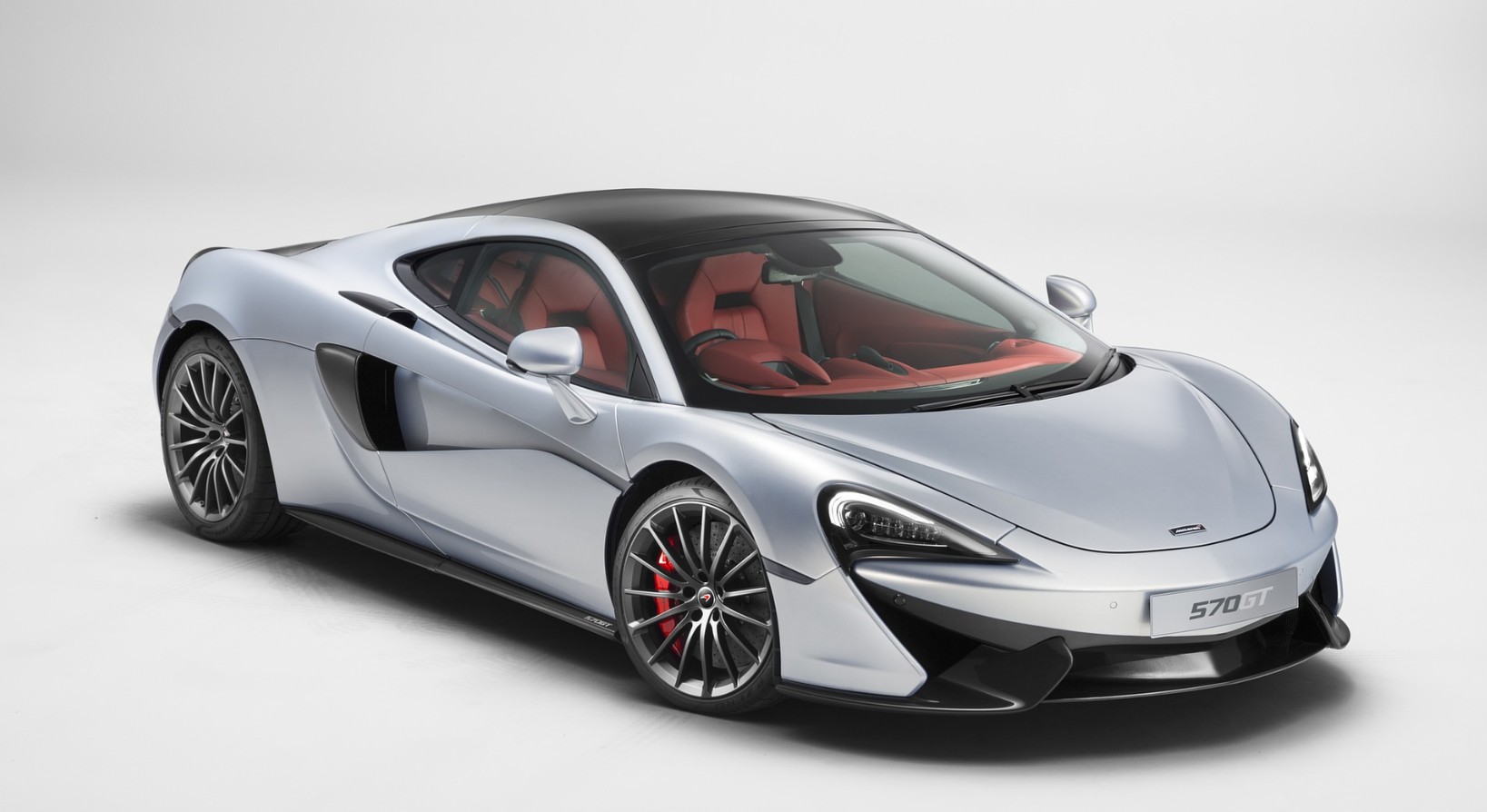
2028 McLaren 570GT Release Date, Specs, Dimensions – The 2028 McLaren 570GT could become one of the most intriguing names in McLaren’s modern history if the British manufacturer decides to revive the badge for a new generation of high-performance grand tourer. The original 570GT occupied a distinctive position within the McLaren range, combining the lightweight engineering and sharp dynamics associated with the Sports Series with a greater emphasis on long-distance comfort and practicality. McLaren itself described the 570GT as a sports car designed for longer journeys, featuring a more refined cabin, panoramic glass roof, heated seats and additional luggage flexibility. For 2028, a revived 570GT would have an opportunity to reinterpret that formula around newer lightweight architecture, modern electronics, advanced aerodynamics and potentially electrified propulsion.
There is an important distinction between the historical 570GT and a hypothetical 2028 successor. McLaren has not announced a production 2028 570GT, and the company’s current road-car portfolio is centered around models such as the 750S, Artura and GTS, while the GTS replaced the earlier McLaren GT in the grand-touring category. That means specifications such as horsepower, pricing, dimensions and release timing for a 2028 570GT remain unconfirmed. Any future model would therefore be expected to borrow the original 570GT’s philosophy rather than simply reproduce its old mechanical package. The result could be a lower, lighter and considerably more technologically advanced grand tourer positioned beneath McLaren’s most extreme supercars.
The redesign could also represent a major departure from the original Sports Series appearance. The first 570GT used the familiar McLaren teardrop cockpit, dramatic dihedral doors, sculpted side intakes and low aerodynamic nose, but a 2028 interpretation could integrate more sophisticated airflow management without losing the clean visual identity that made the original recognizable. McLaren’s latest engineering work provides clues about the direction. The W1 uses an advanced carbon-fibre monocoque and Formula 1-inspired structural and aerodynamic thinking, while the company continues to emphasize lightweight construction as a central engineering principle. A future 570GT could apply a less extreme version of that philosophy to create a comfortable road car that still feels unmistakably McLaren.
The update plan would likely focus on three priorities: lower mass, greater efficiency and broader usability. The original 570GT already demonstrated that McLaren could create a more comfortable car without abandoning supercar performance. Its noise-reducing tire technology, extended leather interior, panoramic roof and touring-oriented layout were deliberate attempts to make long-distance travel easier. A 2028 successor could expand that concept with improved cabin insulation, smarter adaptive suspension, more sophisticated driver assistance, upgraded connectivity and potentially a hybrid powertrain. Rather than turning the car into a conventional luxury coupe, the objective would be to preserve the lightweight, driver-focused character while making the car significantly easier to use every day. 2028 McLaren 570GT Release Date
2028 McLaren 570GT Redesign and Update Plan
Exterior & Interior
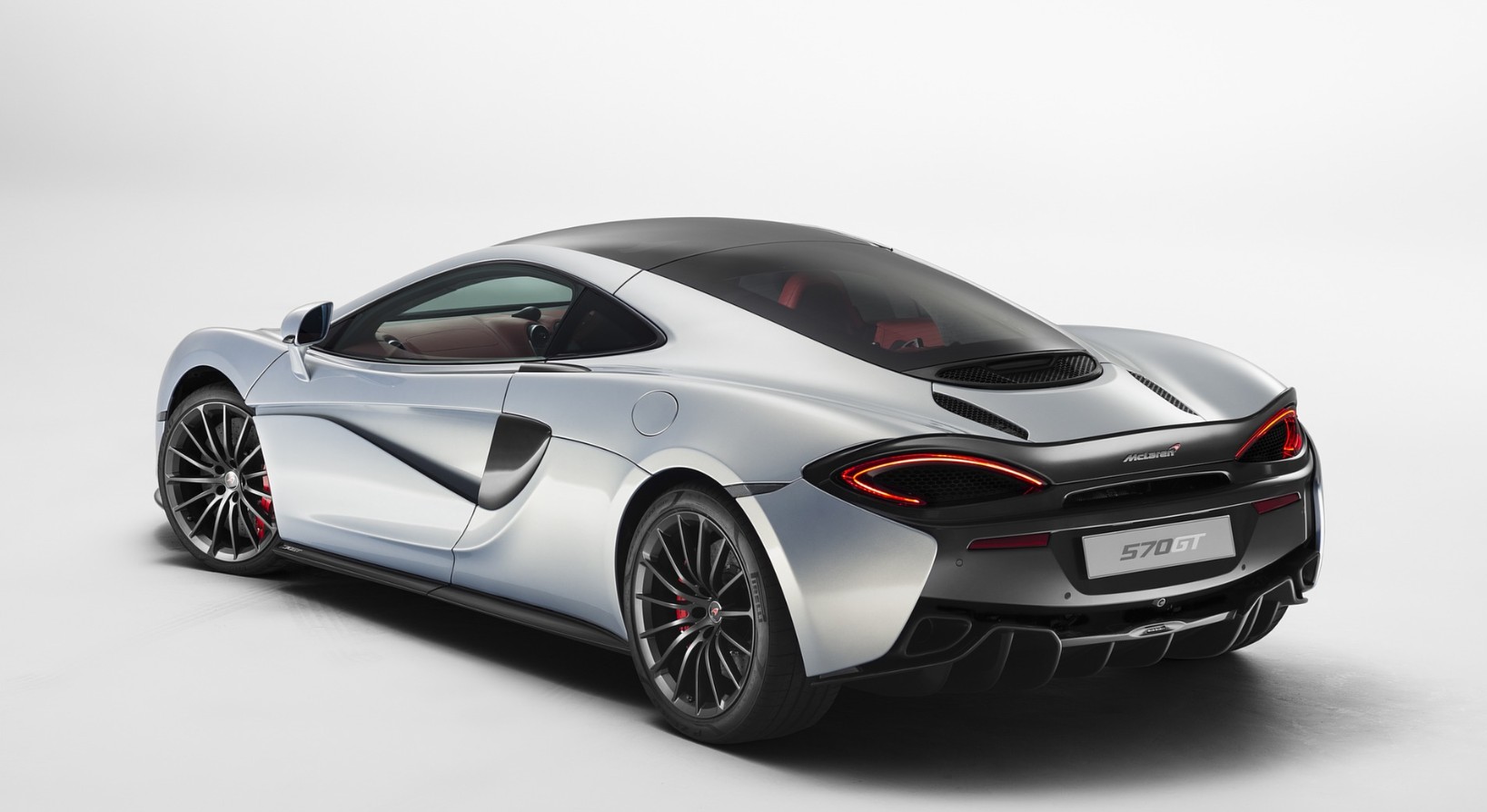
The exterior of a potential 2028 McLaren 570GT would likely retain the low-slung proportions that defined the original while adopting a more contemporary interpretation of McLaren’s aerodynamic language. A narrow front section, compact headlights, deep side channels and a carefully shaped rear deck would help maintain the visual connection with the brand’s supercar family. The original 570GT already benefited from a low front end and mid-mounted engine arrangement that helped reduce drag and improve forward visibility. A new generation could push this concept further with active aerodynamic elements, cleaner body surfaces and more efficient airflow around the front wheels and rear diffuser.
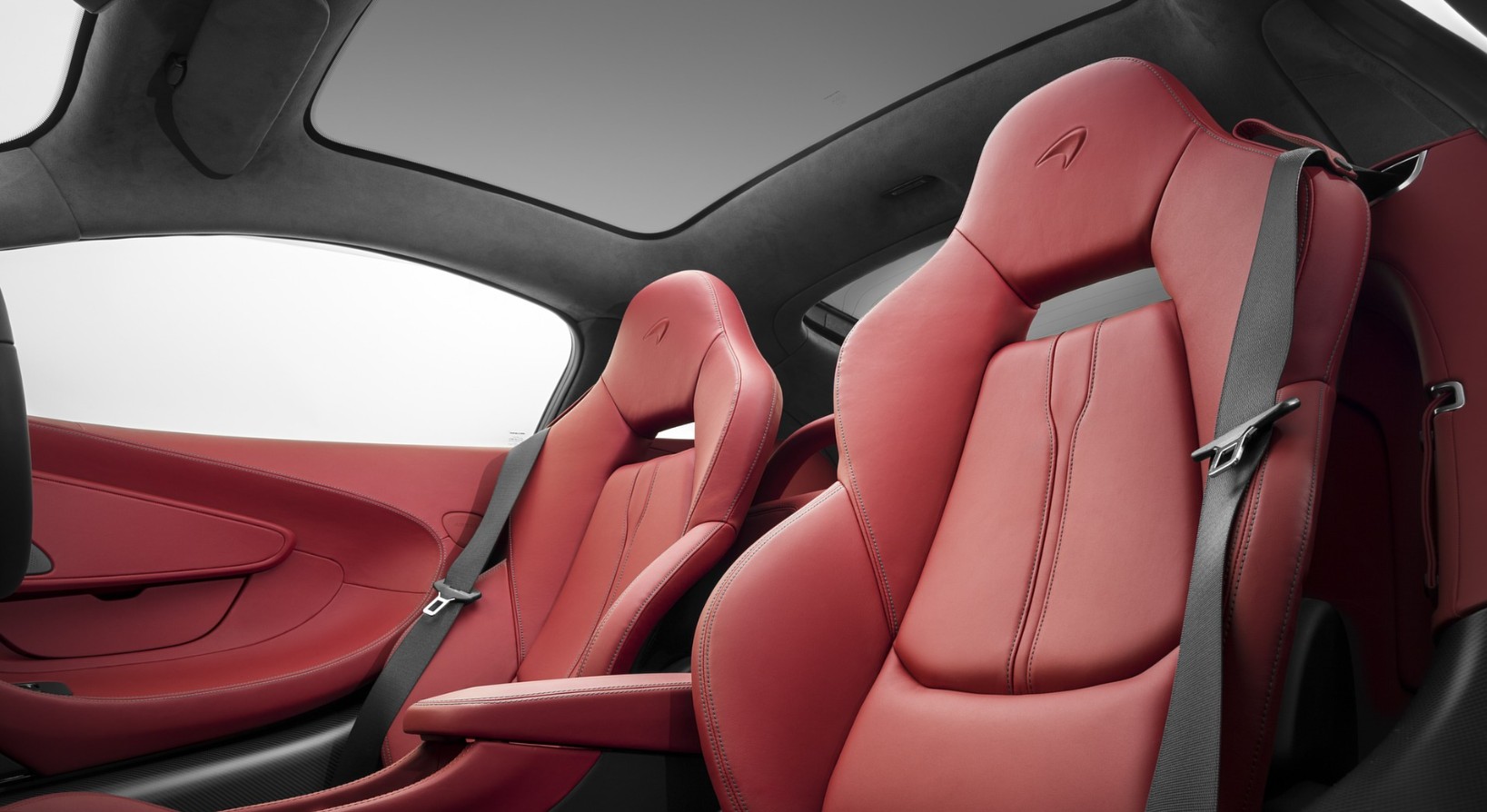
The side profile could become one of the defining characteristics of the new model. The original 570GT featured an elongated roof and distinctive rear glass area designed to increase practicality while giving passengers a brighter cabin. Its panoramic roof extended farther rearward than the standard 570S, reinforcing the car’s touring mission. A future version could reinterpret that feature with a lightweight panoramic glass roof, electrochromic technology and improved thermal insulation. The rear section could also incorporate a larger aerodynamic spoiler or an electronically controlled active aero element that adjusts according to speed, braking and driving mode. Lightweight forged wheels and carbon-fibre components would further emphasize performance without creating an unnecessarily aggressive appearance.
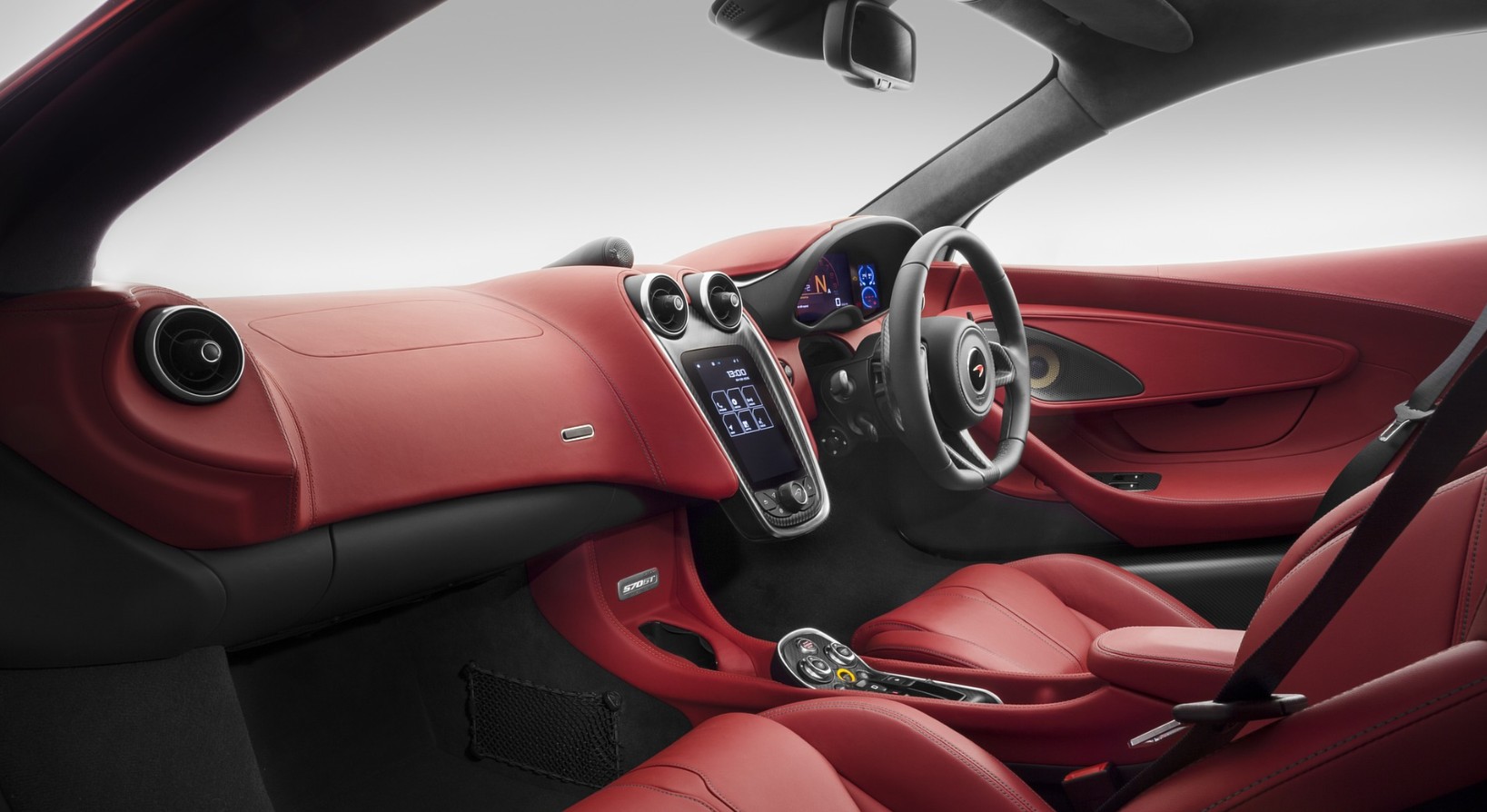
Inside, the 2028 570GT could combine McLaren’s minimalist driver-focused layout with significantly more advanced digital technology. The original cabin used an uncluttered architecture, floating center console, infotainment system, extended leather trim and heated seats, giving the car a more luxurious character than the harder-edged 570S. A modern interpretation could introduce a larger configurable driver display, a high-resolution central touchscreen, improved navigation, wireless smartphone connectivity and a more advanced voice-control system. At the same time, McLaren would likely avoid filling the dashboard with unnecessary controls. A thin, lightweight dashboard and carefully positioned physical switches would suit the company’s performance-oriented philosophy.
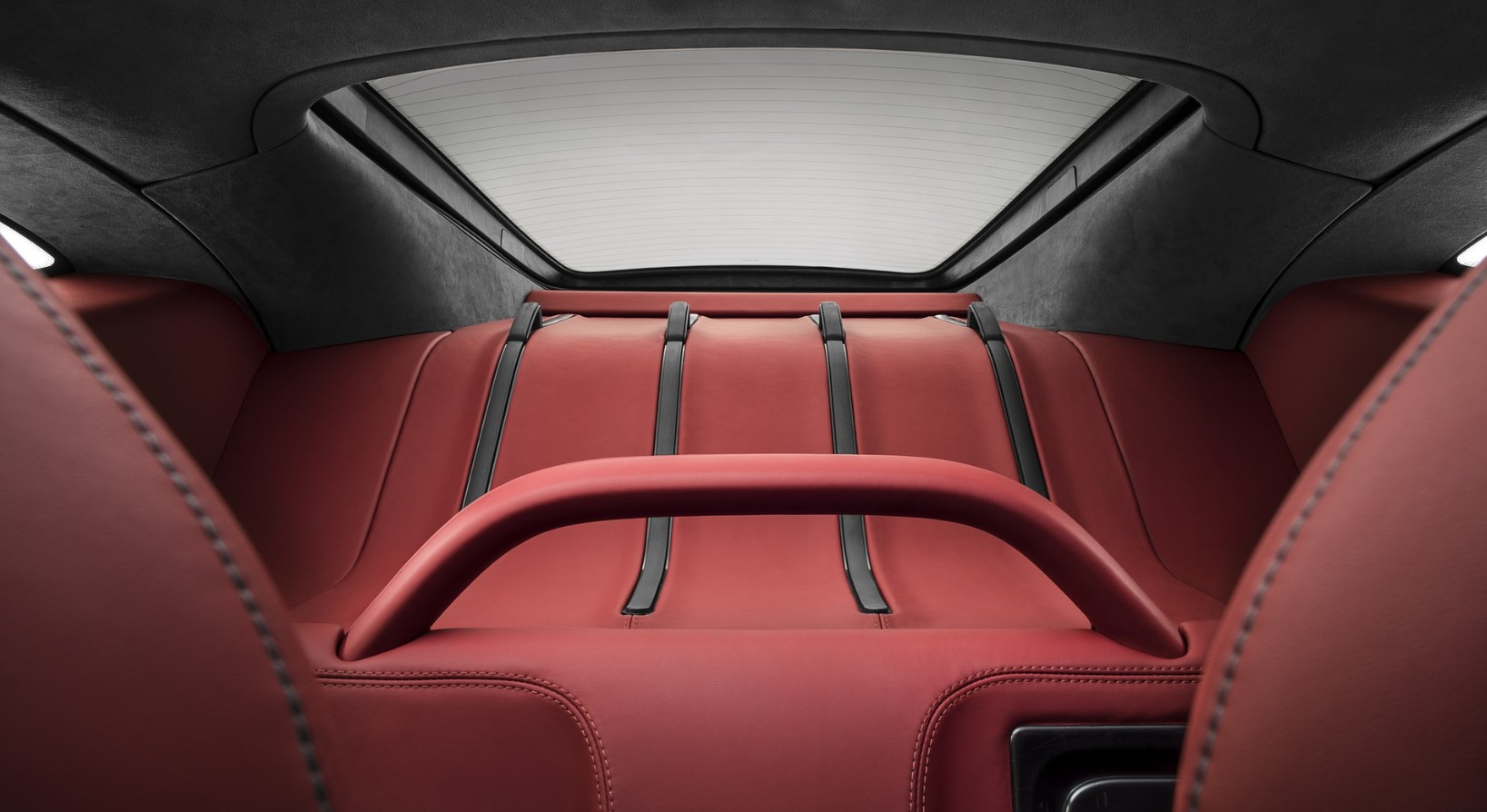
Practicality would remain one of the strongest reasons to revive the 570GT name instead of creating another conventional supercar. The original model was designed around longer journeys, and its touring-oriented body provided greater luggage flexibility than the standard 570S. A 2028 version could improve that formula with intelligently shaped storage behind the seats, a useful front luggage compartment and a redesigned rear cargo area. High-quality leather, Alcantara or technical textiles could be combined with exposed carbon fibre and aluminum trim. McLaren Special Operations could then offer extensive personalization, ranging from bespoke paint and carbon-fibre finishes to custom upholstery and unique interior stitching. MSO already specializes in highly personalized McLaren vehicles and bespoke themes.
2028 McLaren 570GT Specs
Engine & Performance
Powertrain technology would be the biggest question surrounding a hypothetical 2028 McLaren 570GT. The original car used a 3.8-liter twin-turbocharged V8 producing 570 PS, equivalent to 562 bhp, and 600 Nm of torque. McLaren’s published specifications listed a seven-speed Seamless Shift Gearbox, rear-wheel drive architecture and a carbon-fibre MonoCell II chassis. The 570GT itself was capable of 0–62 mph in 3.1 seconds and had a top speed of 204 mph according to McLaren’s published specifications. Those numbers remain impressive, but a 2028 successor would need a fundamentally different technical strategy to meet future performance and efficiency expectations.
One possibility would be an evolution of McLaren’s hybrid philosophy. The Artura demonstrated the company’s move toward high-performance electrification, while the W1 takes hybrid performance much further with a high-output V8 and electric module. The W1’s powertrain produces 1,275 PS, but that system belongs to McLaren’s ultimate-performance category and would not be appropriate as a direct 570GT replacement. A future 570GT could instead use a smaller-output hybrid system designed around instantaneous electric torque, improved low-speed response and reduced fuel consumption. Such a setup could provide substantially more performance than the old 570GT without requiring an enormous engine.
A non-hybrid V8 remains another theoretical possibility, especially if McLaren wanted the 570GT to become a lighter and more traditional grand tourer. The company’s 750S demonstrates that McLaren continues to develop high-output twin-turbocharged V8 propulsion, with the current 750S producing 750 PS and 800 Nm and reaching 0–100 km/h in 2.8 seconds. A revived 570GT would almost certainly sit below that level, perhaps emphasizing usable torque, smoother power delivery and touring comfort instead of maximum track performance. Any exact horsepower target, engine displacement or acceleration figure, however, remains speculation until McLaren announces the vehicle.
Chassis engineering could ultimately matter more than the headline power number. The original 570S platform used a carbon-fibre MonoCell II structure, double-wishbone suspension with adaptive dampers and McLaren’s Brake Steer technology. A 2028 570GT could use a newer carbon architecture with increased torsional rigidity and lower mass, combined with electronically controlled damping and advanced stability systems. The car would likely remain rear-wheel drive if McLaren wanted to preserve its traditional steering and throttle characteristics. Carbon-ceramic brakes, lightweight wheels and high-performance tires would provide the stopping power needed for a car potentially capable of more than 200 mph, while multiple drive modes could allow the same vehicle to transition from comfortable highway cruiser to sharp back-road machine. 2028 McLaren 570GT Release Date
2028 McLaren 570GT Fuel Economy
Fuel economy is impossible to quote accurately for a future 2028 model without an official powertrain and certification data. The original 570GT was a high-performance gasoline car, and McLaren’s published figures for the Sports Series illustrate the trade-off involved. The closely related 570S was listed at 12.2 liters per 100 km under the cited EU WLTP efficiency data, while older NEDC figures varied by test cycle. A future hybrid 570GT could improve efficiency substantially during urban and low-load driving because electric assistance can reduce the amount of time the combustion engine operates inefficiently. However, high-speed driving and repeated acceleration would still result in considerable energy consumption.
The technology package could be one of the most significant differences between the original and a potential 2028 model. Modern McLaren buyers would expect faster connectivity, improved navigation, smartphone integration, configurable displays and a sophisticated audio system without allowing technology to dominate the cabin. The car could also use over-the-air software updates for infotainment and vehicle-control functions. Driver-selectable modes might adjust throttle mapping, transmission behavior, steering weight, suspension calibration and active aerodynamic settings. McLaren’s current engineering direction shows an increasing integration of sophisticated chassis and aerodynamic systems, particularly on its latest supercars.
2028 McLaren 570GT Safety Features
Safety technology would need to become considerably more advanced than it was in the original 570GT. A modern 2028 grand tourer would be expected to feature a comprehensive electronic safety package, potentially including forward collision warning, automatic emergency braking, lane-departure assistance, blind-spot monitoring, rear cross-traffic warning and adaptive cruise control. Exact equipment cannot be confirmed because McLaren has not announced a 2028 570GT. The likely engineering priority would be to add driver assistance without compromising the direct steering, pedal response and visibility expected from a McLaren. The company could also use cameras and radar more extensively while keeping their hardware discreetly integrated into the bodywork.
Braking performance would remain central to the car’s safety engineering. The historical 570S specification used carbon-ceramic brakes with six-piston aluminum front calipers and four-piston rear calipers, demonstrating how seriously McLaren approached stopping performance even in its Sports Series. A new 570GT could use an upgraded carbon-ceramic system with sophisticated brake-by-wire control if the powertrain becomes hybridized. Electronic torque management could also provide greater stability during hard acceleration and braking. The objective would not simply be to make the car easier to drive quickly; modern chassis electronics could make high-speed driving more predictable in changing road conditions.
2028 McLaren 570GT Release Date & Price
If McLaren revived the 570GT name for 2028, a simple trim strategy would make sense because the company traditionally places significant emphasis on factory customization and MSO personalization rather than creating a long list of conventional equipment grades. A theoretical range could include a standard 570GT, a higher-spec 570GT Performance and an MSO-enhanced edition. These names are illustrative rather than confirmed McLaren trim levels. The standard version could prioritize touring comfort, while the Performance specification could add lighter wheels, upgraded brakes, sportier suspension calibration and additional carbon-fibre components. MSO could then provide bespoke exterior colors, interiors and carbon packages.
Pricing would naturally place a revived 570GT above mainstream luxury performance coupes but below McLaren’s most exclusive Ultimate models. There is no official 2028 McLaren 570GT MSRP. McLaren’s own investor materials have historically positioned its GT products within a premium range while placing the Artura, 750S and Ultimate cars at progressively higher levels. If a new 570GT were developed, pricing would depend heavily on its architecture, powertrain, production volume and standard equipment. A carbon-intensive hybrid vehicle could carry a considerably higher price than the original 570GT, particularly if it incorporated advanced battery technology and extensive active aerodynamics.
The release date is equally uncertain. McLaren has not announced a production timetable for a 2028 570GT, and the company’s current portfolio already includes the GTS as its modern grand-touring model. Therefore, a specific launch month or dealership arrival date should not be treated as confirmed. If McLaren eventually decides to revive the name, a reveal during the 2027 calendar year followed by 2028 deliveries would be a logical industry pattern, but that is only a potential scenario. Production timing would depend on engineering development, certification, manufacturing capacity and McLaren’s broader product strategy.
The most interesting possibility is that the 570GT name could return not as a direct continuation of the old car, but as a new interpretation of the grand-tourer concept. McLaren has already demonstrated that its current product strategy can combine supercar performance with long-distance usability. The GTS was introduced as the replacement for the GT with more power, lower weight, greater speed and enhanced standard specification. At the same time, McLaren’s latest investment and product plans point toward an expanding portfolio, including a future performance SUV and continued development of new road-car technologies. If the 570GT badge returns, its strongest selling point would be a combination of genuine McLaren dynamics, everyday usability, advanced technology and a distinctive touring identity. 2028 McLaren 570GT Release Date
Conclusion
The 2028 McLaren 570GT remains an unconfirmed future model rather than an officially announced production car, but the name has a strong foundation in McLaren’s history. The original 570GT proved that a lightweight McLaren could offer more comfort and practicality without abandoning supercar performance. Its 3.8-liter twin-turbo V8, 562-bhp output, 600-Nm torque, 204-mph top speed and touring-focused cabin established a clear formula.
A future 570GT would need to move beyond that formula rather than simply reproduce it. Modern carbon-fibre construction, hybrid assistance, advanced active aerodynamics, stronger digital connectivity, sophisticated safety systems and greater interior refinement could transform the concept into a new-generation grand tourer. The biggest question is not whether McLaren has the technology to build such a car; its current 750S, Artura, GTS and W1 demonstrate the breadth of the company’s engineering capabilities.
For now, the 2028 McLaren 570GT should be viewed as a forward-looking possibility rather than a confirmed vehicle with official specifications. No production price, engine output, trim lineup or release date has been announced. That distinction matters, particularly for buyers searching for confirmed model-year information. If McLaren eventually brings the 570GT badge back, the most compelling version would likely preserve the original’s central idea: a genuine McLaren supercar that is fast enough for the track but comfortable, practical and refined enough to cross continents.
Note: The details included in this blog post are derived from pre-release material that was accessible when the article was written. If you want the latest information, you should check official sources or call your nearest dealership.
Frequently Asked Questions
2028 McLaren 570GT Release Date, Specs, Dimensions - The 2028 McLaren 570GT could become one of the most intriguing names in McLaren's modern history if the British manufacturer decides to revive the badge for a new generation of high-performance grand tourer. The original 570GT occupied a distinctive position…
There is an important distinction between the historical 570GT and a hypothetical 2028 successor. McLaren has not announced a production 2028 570GT, and the company’s current road-car portfolio is centered around models such as the 750S, Artura and GTS, while the GTS replaced the earlier McLaren GT in…
The redesign could also represent a major departure from the original Sports Series appearance. The first 570GT used the familiar McLaren teardrop cockpit, dramatic dihedral doors, sculpted side intakes and low aerodynamic nose, but a 2028 interpretation could integrate more sophisticated airflow management without losing the clean visual…
The update plan would likely focus on three priorities: lower mass, greater efficiency and broader usability. The original 570GT already demonstrated that McLaren could create a more comfortable car without abandoning supercar performance. Its noise-reducing tire technology, extended leather interior, panoramic roof and touring-oriented layout were deliberate attempts…
2028 McLaren 570GT Redesign and Update Plan Exterior & Interior The exterior of a potential 2028 McLaren 570GT would likely retain the low-slung proportions that defined the original while adopting a more contemporary interpretation of McLaren's aerodynamic language. A narrow front section, compact headlights, deep side channels and…