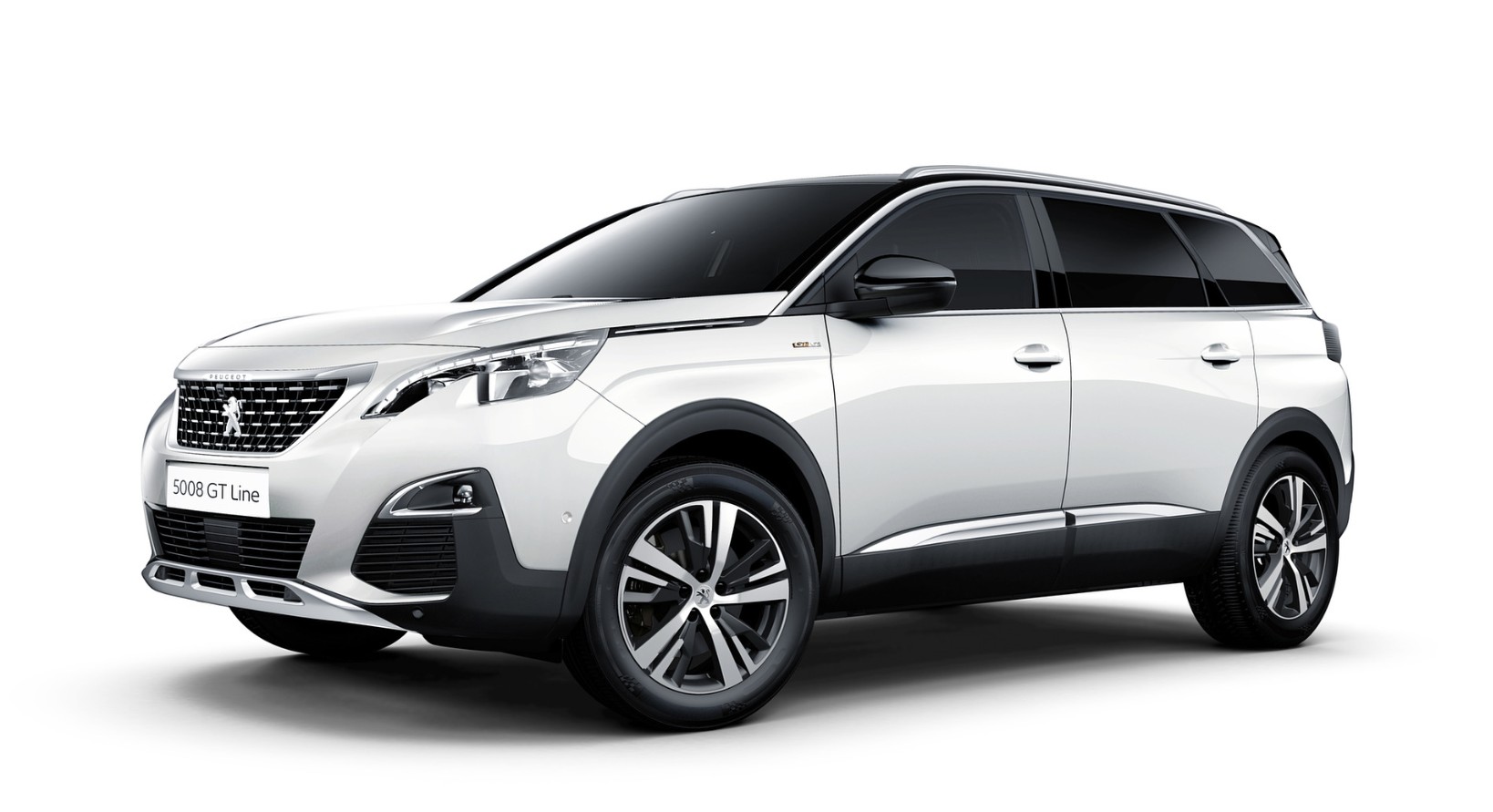
2028 Peugeot 5008 GT Review, Specs, Configurations – The 2028 Peugeot 5008 GT could become one of the most interesting versions of Peugeot’s large family SUV if the brand continues developing the current 5008 with more electrification, stronger technology, and a sharper premium identity. The 5008 already occupies an important position in Peugeot’s European lineup, combining seven-seat practicality with the distinctive styling and cockpit design associated with the modern brand. However, the 2028 model year remains in the future, and Peugeot has not officially published a complete 2028 5008 GT specification. For that reason, the most credible outlook is based on the current-generation 5008 and Peugeot’s documented electrification strategy rather than treating unannounced specifications as confirmed facts.
The current Peugeot 5008 represents a significant change from the previous generation because it moved onto Stellantis’ STLA Medium platform and was designed from the beginning to support multiple powertrain technologies. Peugeot offers the latest 5008 with electric power, hybrid technology, and plug-in-hybrid capability depending on market and version. The E-5008 Long Range can reach a WLTP range of up to 668 km, while the current Hybrid 145 uses a 48-volt hybrid system paired with a 1.2-liter turbocharged engine. This multi-energy architecture gives Peugeot considerable flexibility for future development and makes an eventual 2028 GT version particularly interesting.
The GT badge also has an important role within Peugeot’s modern product range. It is generally associated with a richer specification, stronger visual treatment, larger wheels, enhanced technology, and a more sophisticated cabin rather than simply adding maximum engine output. On the current 5008, GT equipment can include features such as the panoramic Peugeot Panoramic i-Cockpit, Pixel LED headlights, distinctive exterior details, larger wheels, and upgraded interior equipment depending on market. A 2028 GT could build on that formula with a more advanced infotainment system, improved driver assistance, better charging performance, and an even stronger distinction from lower trims.
For buyers searching for a premium seven-seat SUV without stepping into the dimensions and pricing of a traditional luxury model, the 2028 Peugeot 5008 GT could therefore offer an appealing combination of space, style, and electrified performance. The most likely development would not be a completely different vehicle, but a carefully evolved 5008 with updated exterior details, a more sophisticated cabin, improved software, and more efficient powertrains. If Peugeot retains the current model’s practical three-row layout while making the GT more technologically advanced, the 2028 version could become a particularly compelling flagship within the mainstream Peugeot SUV range. 2028 Peugeot 5008 GT Review
2028 Peugeot 5008 GT Redesign and Update Plan
Exterior & Interior
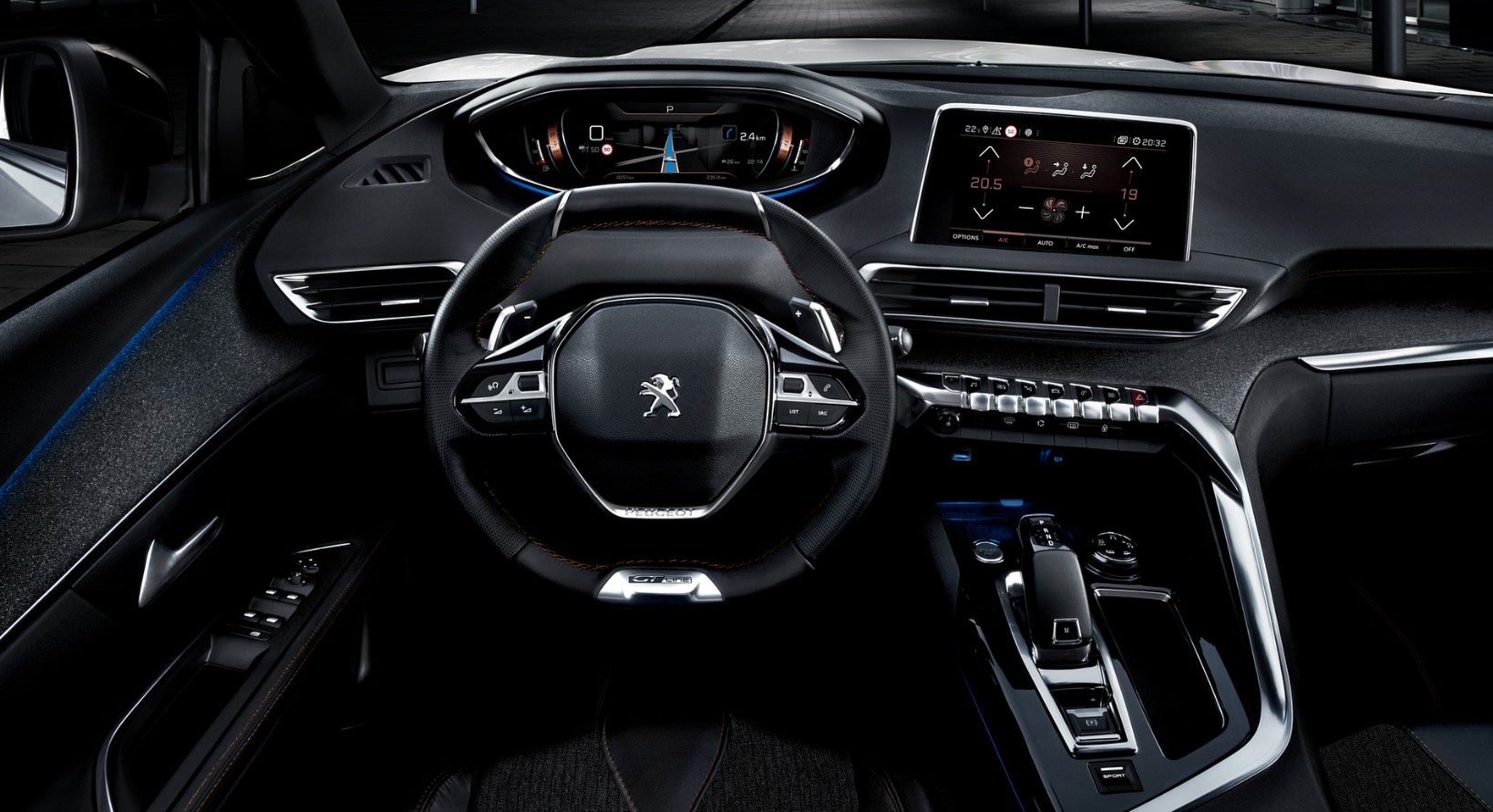
The interior is likely to be the most important part of a 2028 Peugeot 5008 GT update. The current-generation model introduced Peugeot’s Panoramic i-Cockpit, combining a large panoramic curved display with a compact steering wheel and a high-mounted driver information area. In the GT, this cabin concept creates a more sophisticated atmosphere than the previous 5008. A future version could use higher-resolution screens, faster processors, improved voice recognition, expanded smartphone integration, and a more customizable interface. The objective would be to make the cabin feel technologically advanced without turning every common function into a complicated touchscreen procedure.
Material quality could also receive attention. A future GT would likely continue using a mixture of premium synthetic upholstery, soft-touch surfaces, metallic accents, ambient lighting, and carefully integrated trim. Peugeot could introduce new upholstery colors and textures to create a stronger separation from Allure versions. Heated and ventilated front seats, massage functions, memory settings, and an upgraded audio system would make sense for a top-level seven-seat model. The driver’s environment could also gain additional physical controls for frequently used functions, helping balance the increasingly digital nature of the vehicle with practical everyday usability.
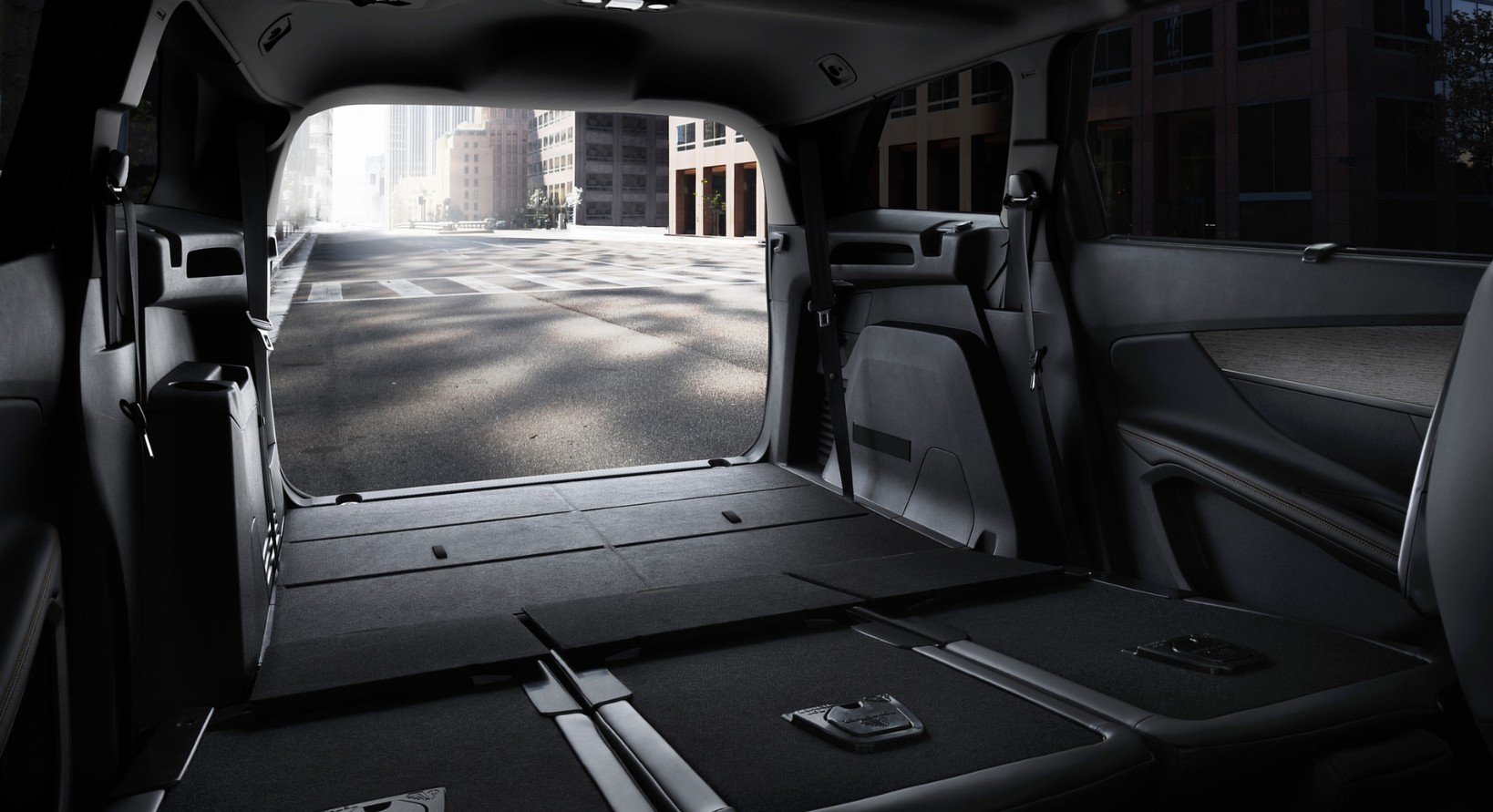
Second-row flexibility should remain a major priority. A three-seat second row allows the 5008 to transport families more effectively than many SUVs that sacrifice the center position for individual captain’s chairs. Depending on configuration and market, the second row can slide and fold to provide access to the third row. A future GT could improve this system with easier one-touch folding, longer seat travel, improved cushioning, and more convenient controls. Rear passengers could also receive additional USB-C charging points, climate-control access, storage compartments, and improved ventilation. These details would make the difference between a seven-seat SUV that technically accommodates seven people and one that works well for everyday family use.
The third row should receive equal attention. Peugeot designed the current 5008 around genuine passenger flexibility, and a 2028 update could improve rear-seat comfort through better seat padding, revised head restraints, additional storage, and improved visibility. When the third row is folded, the cargo area should remain capable of carrying luggage, sports equipment, or large shopping loads. Electric versions also benefit from clever packaging because the battery sits beneath the floor rather than occupying conventional cargo space. A well-executed 2028 GT could therefore offer a rare combination: an attractive SUV exterior, premium front-seat technology, and practical seating for seven.
A future 2028 Peugeot 5008 GT would likely receive a visual update rather than abandoning the current generation’s overall architecture. The present 5008 already uses a distinctive front-end design featuring Peugeot’s modern frameless grille treatment, three-claw daytime running-light signature, slim LED lighting, and a broad stance. The GT could take those elements further with a more technical front fascia, revised lower air openings, updated lighting graphics, and additional body-color or gloss-black detailing. Peugeot has increasingly emphasized a cleaner and more contemporary design language, so a future facelift could make the 5008 look wider and more planted without relying on excessive decorative elements.
The headlights could become one of the most noticeable areas of change. The current GT can use Peugeot’s Pixel LED technology, which adapts the light distribution according to surrounding traffic conditions. A 2028 version could introduce a newer-generation lighting system with improved automatic high-beam control, sharper LED graphics, and greater integration between the lighting signature and the vehicle’s driver-assistance sensors. The three-claw daytime running lights are already a recognizable Peugeot design feature, so future changes would probably refine rather than eliminate them. A redesigned front bumper and grille could also improve aerodynamic performance, which becomes increasingly important for an electric SUV where drag directly affects highway energy consumption.
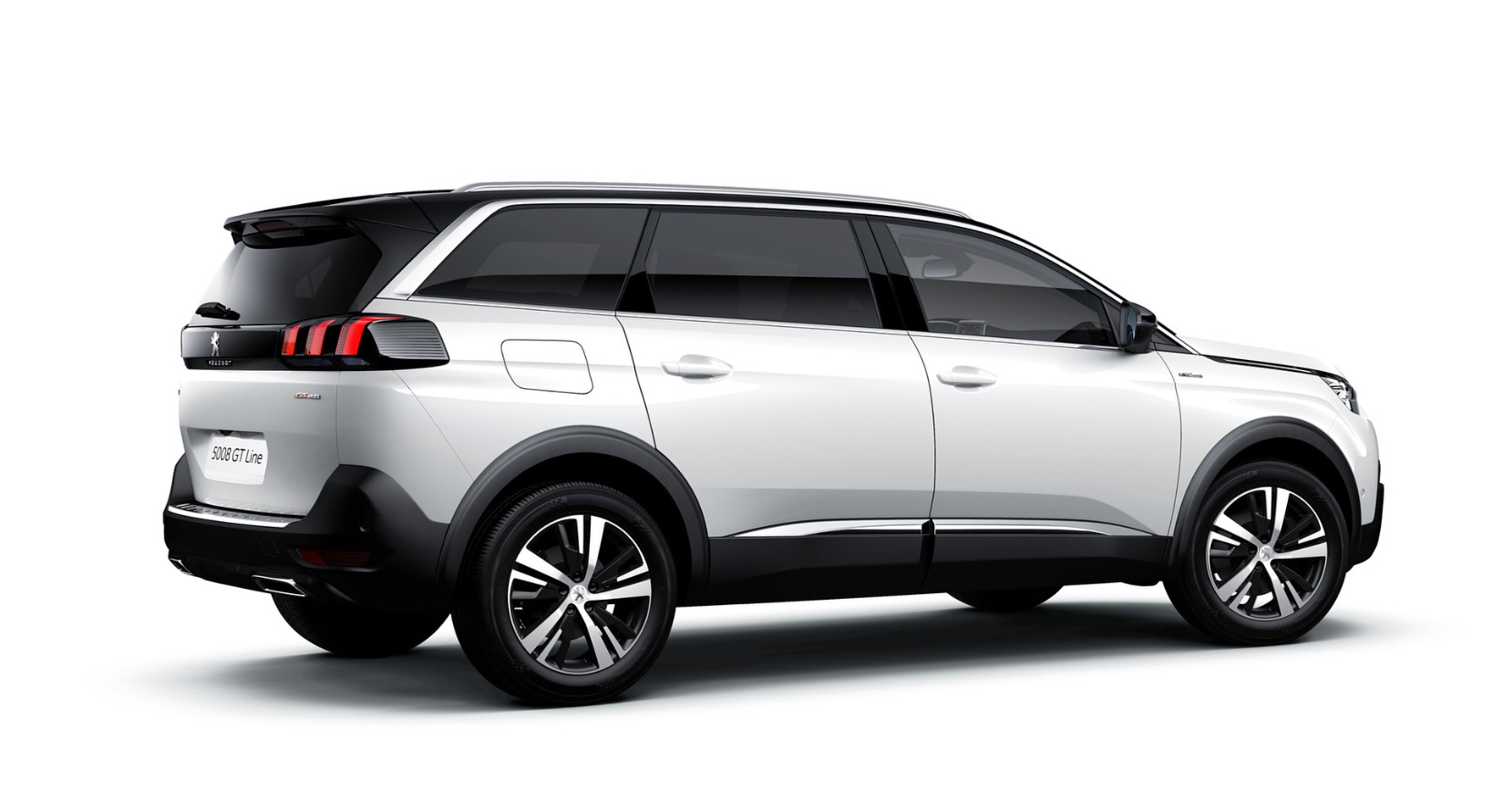
The side profile should remain relatively long because the 5008’s seven-seat mission requires substantial cabin space. The current-generation model uses a more aerodynamic fastback-inspired SUV shape than the boxier previous 5008, while still providing practical rear seating. For 2028, Peugeot could introduce new alloy-wheel designs with different aerodynamic characteristics, updated exterior trim, and revised rocker-panel details for GT models. Larger wheels could reinforce the sporty appearance, although buyers prioritizing electric range would likely benefit from more efficient wheel and tire combinations. A refined roof spoiler and smoother underbody could also help reduce aerodynamic losses at higher speeds.
At the rear, the 2028 5008 GT could receive redesigned LED taillamps, a cleaner tailgate treatment, and a more sculpted bumper. The current 5008 already has a strong horizontal visual character, and Peugeot could enhance this with a full-width lighting effect or updated three-claw graphics. The rear hatch should remain electrically operated on higher grades, especially because accessibility is important for a seven-seat vehicle. Practicality should not be sacrificed for styling. The 5008’s large rear opening, folding third row, and flexible cargo configuration are fundamental to its appeal, so any redesign would need to preserve easy loading and usable space behind the third row. 2028 Peugeot 5008 GT Review
2028 Peugeot 5008 GT Specs
Engine & Performance
The powertrain strategy will determine much of the 2028 Peugeot 5008 GT’s character. The current generation is built around a multi-energy approach, including the E-5008 battery-electric models and hybrid versions. Peugeot’s E-5008 Long Range is particularly relevant because its 96.9-kWh usable battery can deliver up to 668 km of WLTP range in the appropriate configuration. The standard E-5008 also demonstrates the practicality of a large electric family SUV, using a 73-kWh battery and a 210-hp electric motor in its single-motor configuration. These technologies provide a clear foundation for future development.
A 2028 GT could potentially use a higher-output electric motor or dual-motor all-wheel-drive configuration. Peugeot already offers a 320-hp dual-motor powertrain on the E-3008, using separate electric motors on the front and rear axles. The same STLA Medium platform family provides the technical flexibility needed for multiple powertrain configurations. A future 5008 GT could therefore become more performance-oriented without requiring a large combustion engine. An estimated output above 300 horsepower would give the large SUV strong acceleration, while instant electric torque would make merging and overtaking particularly easy with a full passenger load.
2028 Peugeot 5008 GT Fuel Economy
The Long Range battery could also evolve. Higher energy density, improved thermal management, and software optimization could increase usable range without dramatically increasing battery weight. A future GT would benefit from carefully tuned regenerative braking that provides smooth deceleration while recovering energy efficiently. Multiple drive modes could allow the driver to prioritize comfort, normal operation, sportier response, or efficiency. All-wheel drive would add traction on wet roads and slippery surfaces while also providing more consistent power delivery. Exact 2028 figures remain unconfirmed, but the technology trajectory already visible in Peugeot’s current electric models suggests that range and charging performance should continue improving.
Hybrid power should not be ignored either. Not every European customer is ready to switch to a fully electric seven-seat SUV, particularly where charging infrastructure remains inconsistent. The current 5008 Hybrid 145 uses a 48-volt hybrid system combining a 1.2-liter turbocharged three-cylinder gasoline engine with an electric motor integrated into the dual-clutch transmission. Peugeot has positioned this system as a way to reduce fuel consumption while preserving familiar refueling convenience. A 2028 GT could receive a more efficient version of this architecture or potentially a stronger plug-in-hybrid system, depending on Peugeot’s broader Stellantis powertrain strategy. The important point is flexibility: electric, hybrid, and potentially plug-in technology could serve different buyers.
2028 Peugeot 5008 GT Safety Features
Safety technology should remain one of the strongest areas of the 2028 Peugeot 5008 GT. The current 5008 is equipped with a broad collection of driver-assistance features, with higher versions offering technologies such as adaptive cruise control, lane positioning assistance, blind-spot monitoring, rear cross-traffic assistance, automatic emergency braking, traffic-sign recognition, and other systems depending on market specification. A future GT could bring improved sensor processing and more precise intervention. Highway assistance could become smoother, especially when maintaining lane position through curves or adjusting speed based on surrounding traffic.
The next stage could include more advanced assisted-driving functions while keeping the driver responsible for the vehicle. Peugeot could improve automatic lane changes, traffic-jam assistance, intersection monitoring, parking assistance, and rear pedestrian detection. Camera resolution and radar processing could also improve the system’s ability to identify motorcycles, cyclists, pedestrians, and vehicles at greater distances. A 360-degree camera system would be especially useful on a large seven-seat SUV. The GT could also use enhanced parking automation that recognizes suitable spaces and manages steering, braking, and acceleration under driver supervision. These improvements would make the 5008 easier to handle in urban environments without changing its basic driving character. 2028 Peugeot 5008 GT Review
2028 Peugeot 5008 GT Release Date & Price
The 2028 Peugeot 5008 GT price has not been announced, and any precise figure today would be speculative. The current 5008 lineup provides the best starting point for understanding the likely position of the GT. Because GT models sit near the top of Peugeot’s conventional hierarchy and add equipment such as upgraded lighting, larger wheels, premium interior details, and advanced technology, the 2028 GT would probably command a significant premium over entry-level versions. A reasonable forward-looking estimate could place an electric GT somewhere in the €55,000–€65,000 region depending on battery size and drivetrain, while a high-output dual-motor version could move beyond that range. Actual pricing will depend on market, taxes, incentives, and final equipment.
Release timing remains equally uncertain. Peugeot has not officially announced a 2028 5008 GT specification or a precise launch date, so the vehicle should not be treated as a confirmed 2028 production configuration. If the current product cycle continues normally, Peugeot could reveal a refreshed version before the 2028 model year, potentially with revised styling, software, powertrain improvements, and updated equipment. Production and availability would vary between European and other international markets. For buyers watching this model, the most meaningful confirmation will come when Peugeot publishes official specifications, pricing, ordering information, and homologated efficiency figures.
Conclusion
The 2028 Peugeot 5008 GT could evolve into a particularly sophisticated seven-seat SUV by combining the strongest characteristics of the current 5008 with Peugeot’s rapidly developing electric technology. The foundation is already convincing: STLA Medium architecture, multiple powertrain choices, a spacious three-row cabin, Panoramic i-Cockpit technology, distinctive exterior styling, and long-range electric capability. A future GT does not need to reinvent the concept. Instead, sharper styling, richer materials, faster software, improved driver assistance, more efficient batteries, stronger electric performance, and better charging technology could transform an already versatile family SUV into a more premium and desirable flagship.
For buyers who need genuine seven-seat practicality but still want modern design and electrified performance, the potential 2028 Peugeot 5008 GT occupies an interesting position. A high-output electric version could deliver quiet acceleration and all-weather traction, while an improved hybrid could remain attractive to customers who prefer conventional refueling. The final specifications, pricing, trims, and release date remain unconfirmed, but Peugeot’s current product strategy gives the future 5008 GT a credible path toward becoming one of the brand’s most advanced family SUVs.
Note: The details included in this blog post are derived from pre-release material that was accessible when the article was written. If you want the latest information, you should check official sources or call your nearest dealership.
Read Also:
- 2028 Peugeot Instinct Redesign, Dimensions, Specs
- 2027 Peugeot e-Legend Release Date, Price, Specs
- 2027 Peugeot 3008 Release Date, Specs, Configurations
- 2027 Peugeot e-2008 Release Date, Price, Configurations
- 2027 Peugeot e-2008 Specs, Price, Release Date
Frequently Asked Questions
2028 Peugeot 5008 GT Review, Specs, Configurations - The 2028 Peugeot 5008 GT could become one of the most interesting versions of Peugeot's large family SUV if the brand continues developing the current 5008 with more electrification, stronger technology, and a sharper premium identity. The 5008 already occupies…
The current Peugeot 5008 represents a significant change from the previous generation because it moved onto Stellantis' STLA Medium platform and was designed from the beginning to support multiple powertrain technologies. Peugeot offers the latest 5008 with electric power, hybrid technology, and plug-in-hybrid capability depending on market and…
The GT badge also has an important role within Peugeot's modern product range. It is generally associated with a richer specification, stronger visual treatment, larger wheels, enhanced technology, and a more sophisticated cabin rather than simply adding maximum engine output. On the current 5008, GT equipment can include…
For buyers searching for a premium seven-seat SUV without stepping into the dimensions and pricing of a traditional luxury model, the 2028 Peugeot 5008 GT could therefore offer an appealing combination of space, style, and electrified performance. The most likely development would not be a completely different vehicle,…
2028 Peugeot 5008 GT Redesign and Update Plan Exterior & Interior The interior is likely to be the most important part of a 2028 Peugeot 5008 GT update. The current-generation model introduced Peugeot's Panoramic i-Cockpit, combining a large panoramic curved display with a compact steering wheel and a…