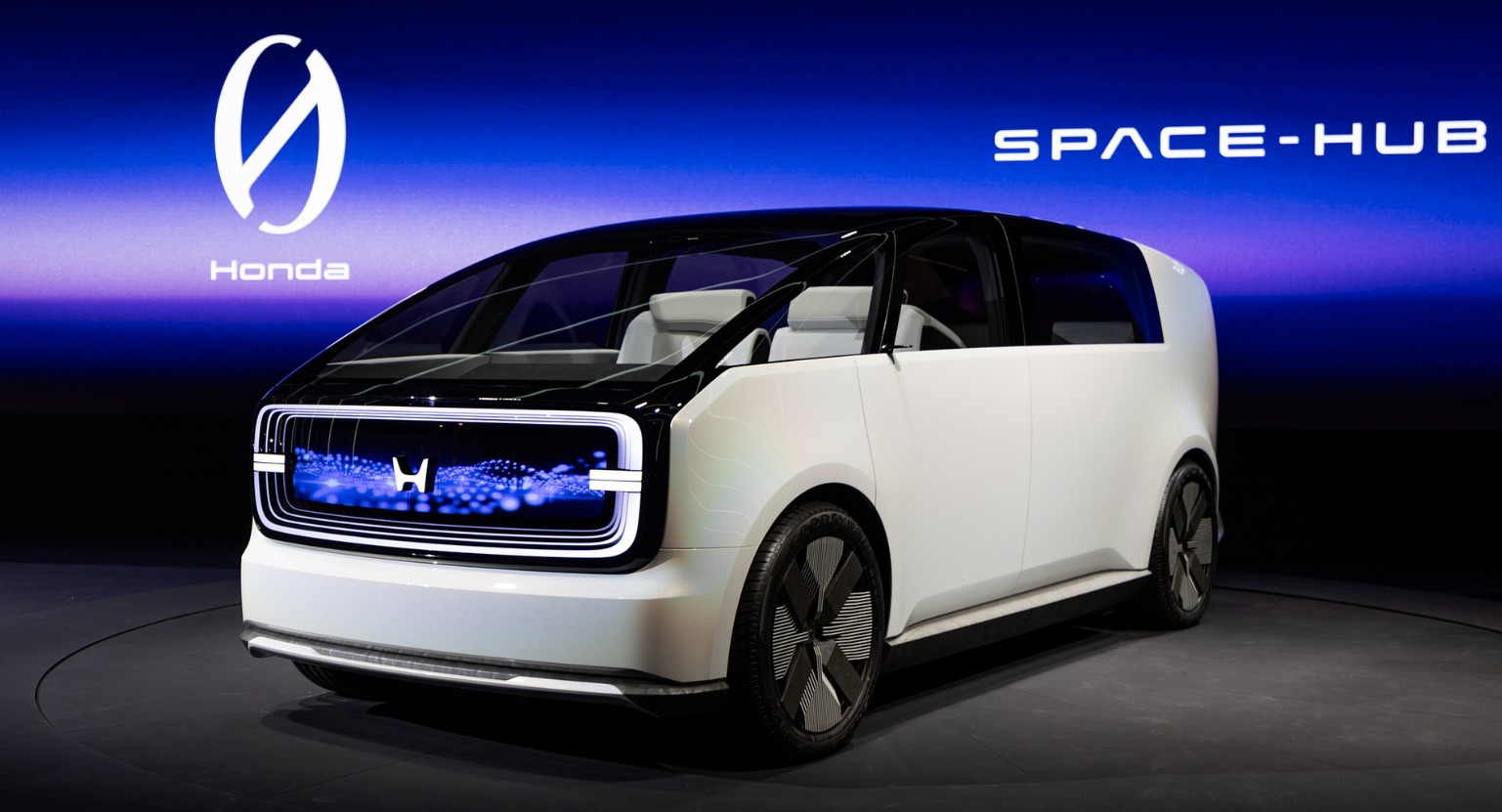
2028 Honda 0 EV Review, Specs, Dimensions – The 2028 Honda 0 EV could represent an important step in Honda’s transition toward a new generation of software-defined electric vehicles. Unlike conventional electric models adapted from existing gasoline-powered platforms, the Honda 0 Series was conceived around a dedicated development philosophy emphasizing lightweight construction, aerodynamic efficiency, intelligent technology, and an engaging driving experience.
Honda introduced the 0 Series concept at CES 2024 and expanded its vision with the Honda 0 Saloon and Honda 0 SUV prototypes at CES 2025. These vehicles demonstrated a distinctive approach to electric mobility, featuring unconventional exterior proportions, spacious interiors, and sophisticated digital systems. A future 2028 model could translate these ideas into a more mature electric vehicle designed for everyday ownership.
The Honda 0 Series is not a single vehicle with one established specification. It is a broader family of electric vehicles intended to introduce Honda’s next-generation design and engineering philosophy. The company has described its development approach through the principles of Thin, Light, and Wise, emphasizing efficient packaging, reduced vehicle weight, and intelligent software integration. The original Saloon concept featured a dramatically low profile and futuristic body design, while the SUV prototype demonstrated how the same philosophy could support a more practical family-oriented vehicle. These different body styles are important because a hypothetical 2028 Honda 0 EV could refer to an evolved sedan, an SUV, or another vehicle within the broader series.
The 2028 Honda 0 EV has not received a complete official model-year specification announcement. Honda’s earlier public development plans identified the 0 Series as a major electric vehicle program, but those plans should not be treated as confirmation of a specific 2028 model’s production details. Final battery capacity, horsepower, driving range, trim levels, pricing, and release dates remain dependent on the particular vehicle and market. Honda’s electric vehicle strategy and product schedules may also change as manufacturing conditions, technology costs, and customer demand evolve. For that reason, the projected figures discussed here are clearly distinguished from established Honda announcements. The goal is to examine how the 0 Series’ documented technology and design direction could influence a future 2028 vehicle.
A successful 2028 Honda 0 EV would need to deliver more than futuristic styling. Buyers increasingly expect dependable charging, competitive range, comfortable seating, intuitive software, and comprehensive safety technology. Honda could strengthen the appeal of its next-generation electric vehicles by combining efficient battery management with responsive electric motors and a sophisticated digital cockpit. Lightweight engineering could also help improve handling and reduce energy consumption without relying entirely on larger battery packs. Competition from Tesla, Hyundai, Kia, Toyota, and other manufacturers would make pricing and ownership convenience especially important. The strongest Honda 0 EV would offer a distinctive driving experience while maintaining the everyday usability and engineering quality associated with the Honda brand.
2028 Honda 0 EV Redesign and Update Plan
Exterior & Interior
The 2028 Honda 0 EV interior could become one of the vehicle’s defining features through a combination of minimalist design, advanced software, and efficient packaging. Honda has introduced ASIMO OS as a central element of its 0 Series software strategy, drawing upon the company’s experience in robotics and intelligent mobility technology. A future production model could use this operating system to coordinate infotainment, vehicle functions, and selected driver-assistance capabilities. A wide digital display arrangement might provide navigation, entertainment, and vehicle information through a configurable interface. The strongest interior would reduce unnecessary physical clutter while retaining intuitive controls for essential functions. Technology would need to support the driver rather than create additional distraction.
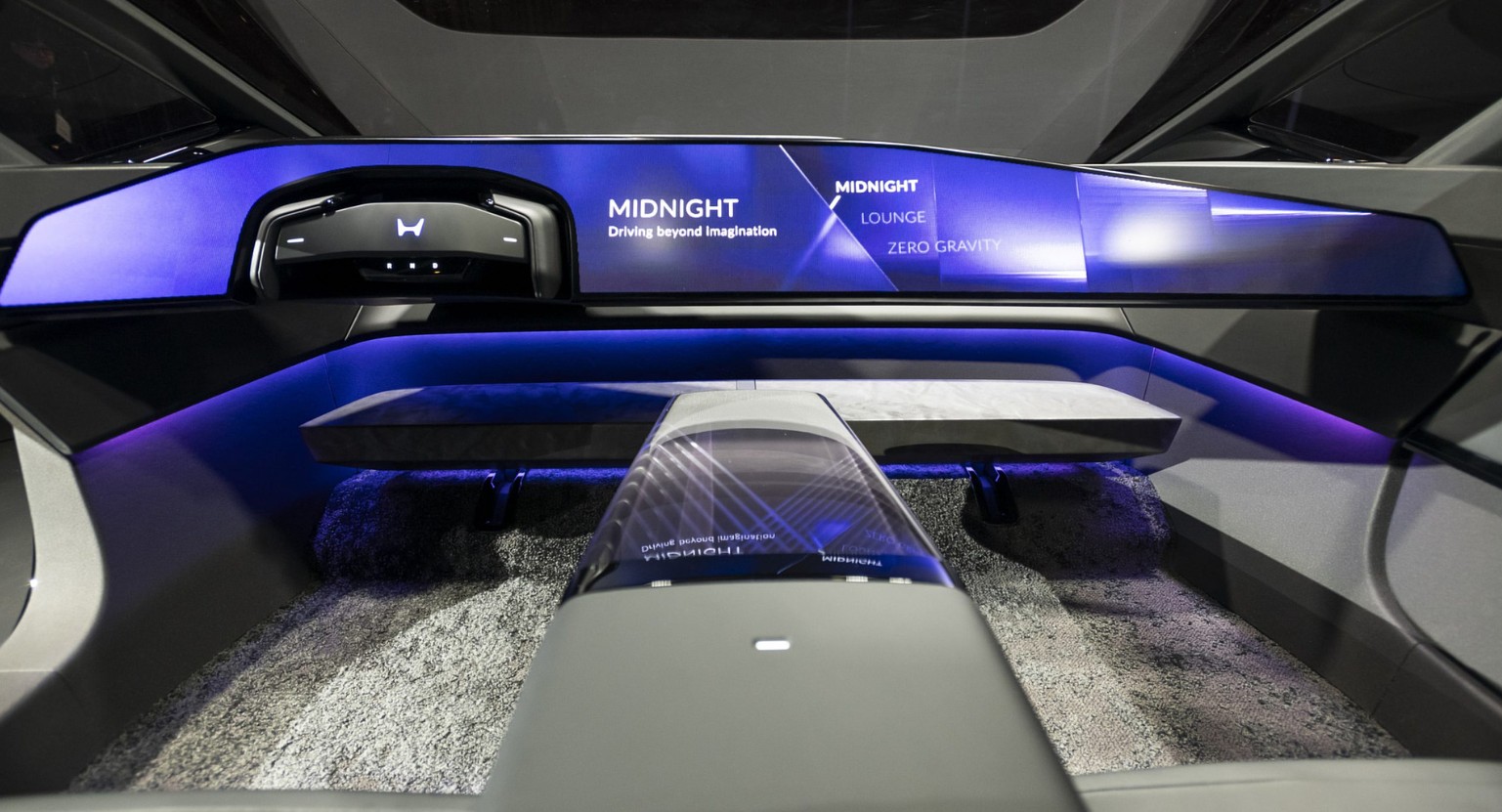
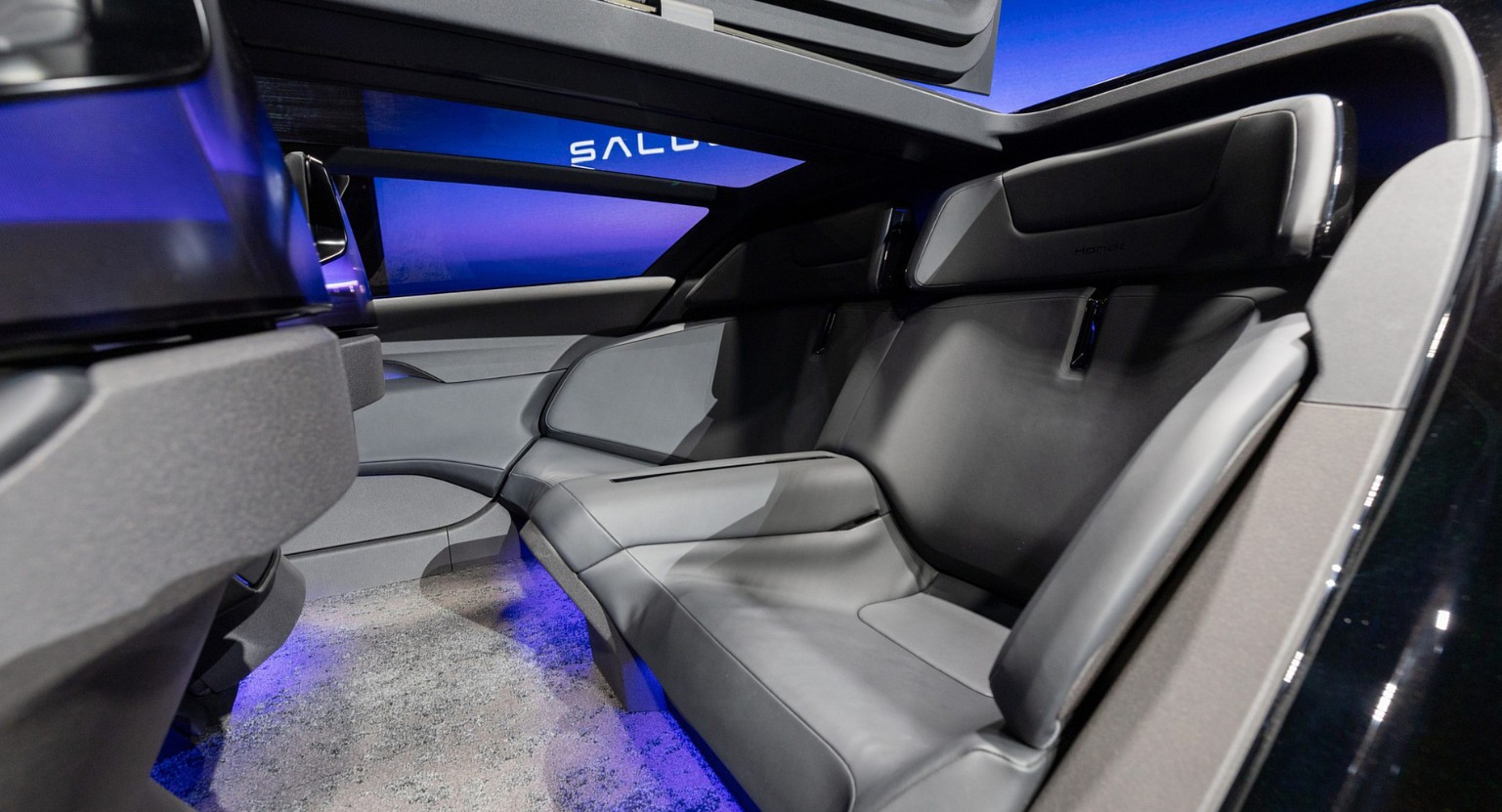
Passenger space could benefit from Honda’s emphasis on thin structural packaging and efficient use of the vehicle’s dimensions. A hypothetical 2028 Honda 0 sedan might provide a relatively open cabin with supportive front seats and generous rear legroom, while an SUV could offer additional headroom and more flexible cargo arrangements. Honda might introduce slim seat structures, carefully positioned battery components, and a flat floor to improve usable interior space. Premium upholstery could include recycled textiles and durable synthetic materials, depending on trim. Heated and ventilated front seats might be available on higher configurations. The strongest seating arrangement would combine comfort with long-term durability, ensuring that futuristic design does not compromise the practical requirements of commuting and family transportation.
Digital connectivity could extend beyond conventional smartphone integration. A future Honda 0 EV might offer personalized driver profiles, improved voice interaction, wireless smartphone connectivity, and over-the-air software updates. ASIMO OS could potentially support more sophisticated coordination between navigation, energy management, and driver-assistance systems, although final production capabilities remain unconfirmed. Honda might also introduce intelligent route planning that considers charging stops, battery condition, and expected energy consumption. A premium audio system and multiple USB-C ports could provide additional convenience. The strongest technology package would prioritize software stability, transparent privacy controls, and long-term support. Drivers should be able to access important vehicle functions without navigating unnecessarily complicated menus.
Cargo practicality would depend on the specific Honda 0 body style. A sedan could offer a separate luggage compartment or a fastback-style opening, while an SUV would likely provide a larger rear cargo area and folding rear seats. Honda might introduce underfloor storage, configurable cargo organizers, and additional charging outlets for portable devices.
A flat interior floor could improve passenger comfort and make the cabin easier to organize. Improved sound insulation and carefully tuned suspension components could also create a quieter environment during highway travel. The ideal 2028 Honda 0 EV cabin would combine modern digital technology with practical storage, comfortable seating, and dependable everyday functionality. Its greatest advantage would come from making advanced features feel natural rather than experimental.
The 2028 Honda 0 EV redesign could build upon the dramatic design philosophy demonstrated by the original Honda 0 Saloon and 0 SUV prototypes. Honda’s Saloon concept featured a low, wedge-like silhouette with an unconventional front-end treatment and an emphasis on aerodynamic efficiency. A future production interpretation might retain slim LED lighting, smooth body surfaces, and carefully integrated air openings while introducing more practical proportions.
The SUV version could emphasize a taller cabin, more conventional passenger access, and additional cargo space without abandoning the series’ futuristic identity. Honda would need to balance experimental styling with visibility, pedestrian protection, manufacturing costs, and everyday durability. The strongest exterior would preserve the 0 Series’ recognizable character while making it practical for regular driving.
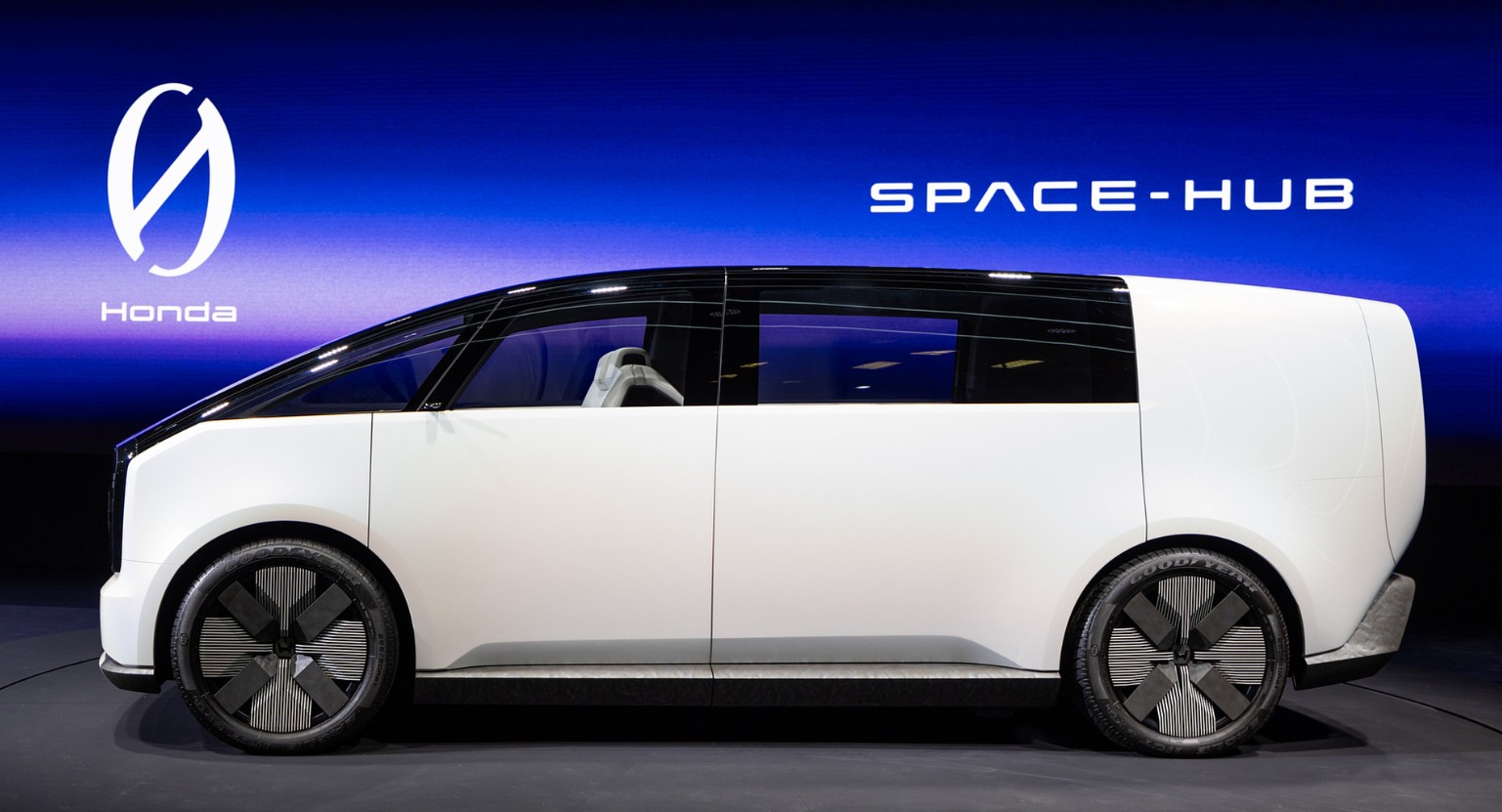
The side profile could become one of the vehicle’s most distinctive features. Honda’s Thin, Light, and Wise philosophy suggests an emphasis on efficient packaging, potentially allowing a relatively low floor and generous interior space. A hypothetical 2028 sedan might feature a long wheelbase, low roofline, and carefully sculpted doors, while an SUV could combine a more upright passenger compartment with a streamlined silhouette. Flush or semi-flush door handles might reduce aerodynamic drag, although their design would need to remain reliable in different weather conditions. Wheel sizes could vary from approximately 18 to 21 inches, depending on vehicle type and equipment. Smaller aerodynamic wheels might prioritize range and comfort, while larger designs could emphasize premium styling.
Aerodynamic engineering would be especially important because highway efficiency strongly influences electric vehicle range. Honda could refine the front bumper, wheel openings, underbody panels, and rear roofline to reduce drag while maintaining sufficient cooling for battery and power electronics. The original 0 Series design philosophy placed considerable emphasis on reducing unnecessary vehicle mass and improving energy efficiency. A future production model might use lightweight structural components and carefully optimized body panels to support those goals. However, additional safety equipment, larger displays, and premium comfort features could increase weight. The strongest engineering approach would balance these competing requirements, delivering meaningful efficiency improvements without sacrificing crash protection, cabin refinement, or manufacturing durability.
At the rear, the 2028 Honda 0 EV exterior could introduce a distinctive full-width lighting signature, a carefully integrated aerodynamic spoiler, and clean body surfaces. A sedan interpretation might feature a fastback-style rear profile, while an SUV could offer a more upright tailgate and practical cargo opening. Honda could also introduce advanced lighting functions designed to communicate selected vehicle status information, subject to regional regulations.
Premium paint finishes and contrasting roof treatments might further distinguish different trims. A production model would need to provide convenient access to luggage space and reliable weather sealing, particularly if it retained unconventional concept-inspired body proportions. The ideal rear design would combine aerodynamic efficiency with the everyday practicality expected from a modern electric passenger vehicle.
2028 Honda 0 EV Specs
Engine & Performance
The 2028 Honda 0 EV powertrain would depend on the specific vehicle developed within the 0 Series family. Honda has previously described plans for efficient electric drive units, lightweight vehicle construction, and advanced battery technology as part of its next-generation EV strategy. A future model could offer a single-motor configuration for efficiency-focused buyers and a dual-motor all-wheel-drive version for drivers seeking additional traction and acceleration. However, Honda has not confirmed the exact 2028 motor outputs or drivetrain combinations. The strongest electric powertrain would deliver immediate torque response, smooth acceleration, and predictable handling while maintaining competitive energy consumption. A carefully calibrated regenerative braking system could also improve efficiency during urban driving.
A hypothetical single-motor Honda 0 EV might produce approximately 220 to 300 horsepower, while a dual-motor configuration could potentially deliver 320 to 450 combined horsepower, depending on vehicle size and performance targets. These figures are illustrative projections rather than official Honda specifications. A lightweight sedan could emphasize responsive handling and efficient acceleration, while a larger SUV might prioritize traction and confident performance with passengers and luggage aboard. Honda could also refine electric motor control to provide more natural throttle response and smoother transitions between acceleration and regenerative braking. The strongest configuration would balance power with efficiency rather than pursuing maximum output at the expense of range, battery life, or ride comfort.
Battery technology could become one of the most important factors influencing the 0 Series’ competitiveness. Honda has previously discussed ambitious efficiency and battery-development goals for its next-generation electric vehicles, including efforts to reduce battery degradation and improve charging performance. A hypothetical 2028 Honda 0 EV might use a battery pack with approximately 70 to 100 kWh of usable capacity, depending on body style and drivetrain. An illustrative driving range of 280 to 380 miles could be conceivable under favorable engineering assumptions, although these figures are not official EPA estimates. Actual range would depend on vehicle weight, aerodynamics, temperature, driving speed, wheel selection, and battery efficiency. A larger battery would increase potential range but could also raise cost and mass.
2028 Honda 0 EV Fuel Economy
The 2028 Honda 0 EV charging speed would depend on its battery architecture, thermal management system, and charging hardware. Honda has previously outlined ambitious fast-charging objectives for its next-generation EV development, but those targets should not be treated as confirmed specifications for a particular 2028 model. A future vehicle might support DC fast charging capable of replenishing a substantial portion of battery capacity during a highway stop. Home AC charging would remain important for owners who can install compatible charging equipment. Battery preconditioning could help improve charging consistency in cold weather or during long-distance travel. The strongest charging package would combine dependable real-world performance with accurate route planning and convenient access to compatible public charging networks.
2028 Honda 0 EV Safety Features
The 2028 Honda 0 EV safety features could build upon Honda’s established driver-assistance technology while introducing more sophisticated automated driving capabilities. Honda has emphasized intelligent driving systems as an important part of its 0 Series development philosophy. A future production model might include enhanced automatic emergency braking, adaptive cruise control, lane-centering assistance, traffic-sign recognition, and improved pedestrian detection. More advanced camera and radar processing could help identify potential hazards in complicated traffic environments. Honda might also introduce more sophisticated driver monitoring to support safe interaction with automated functions. The strongest safety package would combine accurate hazard detection with clear warnings and predictable intervention, helping drivers remain attentive and confident.
Automated driving technology could become an important differentiator for the Honda 0 Series. Honda has previously discussed the development of advanced automated driving systems, including ambitions to expand capabilities beyond conventional highway assistance. A hypothetical 2028 model might introduce more sophisticated hands-free driving functions in suitable conditions, depending on engineering validation and regulatory approval. However, no specific automation level or unrestricted self-driving capability has been confirmed for a 2028 Honda 0 EV. Advanced driver assistance should not be confused with full autonomy because operating conditions and driver responsibilities can vary considerably between systems. The strongest implementation would clearly communicate its limitations and provide dependable support within approved environments.
Passive safety would remain essential despite the vehicle’s emphasis on software and advanced technology. A future Honda 0 EV could incorporate carefully engineered crash structures, high-strength materials, and comprehensive occupant protection systems. Battery protection would require particular attention because high-voltage components must remain isolated during collisions. Honda might also refine side-impact protection, seatbelt technology, and airbag coverage to support different occupant sizes and seating positions. Electronic stability control, anti-lock braking, and traction management would continue supporting predictable handling during emergency maneuvers. The strongest safety strategy would combine structural engineering with preventive technologies, ensuring that futuristic design and lightweight construction do not compromise occupant protection or everyday driving confidence.
The 2028 Honda 0 EV trim levels would depend on whether Honda introduced a sedan, SUV, or another body style within the series. A hypothetical entry-level configuration might emphasize efficient electric performance, essential digital technology, and comprehensive safety equipment. A Premium trim could introduce upgraded upholstery, additional comfort features, and a more sophisticated audio system. A Technology configuration might emphasize expanded software capabilities and advanced driver assistance, while a dual-motor performance version could offer stronger acceleration and additional traction. These names and equipment structures are illustrative rather than confirmed Honda offerings. The strongest lineup would provide clear differences between efficiency, comfort, and performance without making essential safety technology unnecessarily expensive.
2028 Honda 0 EV Release Date & Price
The 2028 Honda 0 EV price would depend on the specific body style, battery capacity, drivetrain configuration, and standard equipment. A hypothetical starting MSRP of approximately $40,000 to $48,000 could be conceivable for an efficiency-focused electric sedan or crossover positioned within the mainstream premium EV market. This estimate is not an official Honda price announcement. A larger SUV configuration or more sophisticated battery system could increase production costs, particularly if it included advanced automated driving hardware and premium interior materials. Honda would need to balance these expenses against strong competition from established electric vehicles. The most attractive entry-level configuration would deliver competitive range, dependable charging, and useful technology without becoming unnecessarily expensive.
Higher equipment packages could carry substantial premiums. A hypothetical Premium configuration might cost approximately $48,000 to $58,000, while a dual-motor or technology-focused version could potentially approach $58,000 to $68,000, depending on battery size and equipment. These figures are illustrative market estimates rather than confirmed MSRPs. Buyers would also need to consider insurance, financing, home charging equipment, electricity costs, and tire replacement. Incentives and tax credits could influence affordability in some markets, but eligibility would depend on the rules in effect at the time of purchase. The strongest value proposition would combine a competitive purchase price with low operating costs and dependable long-term software support.
The 2028 Honda 0 EV release date remains uncertain because Honda has not announced a complete model-year schedule covering every vehicle in the 0 Series family. Earlier development plans identified North America as an important market for the first Honda 0 Series models, but product schedules and manufacturing strategies may change. A hypothetical 2028 model could represent an updated version of an earlier production vehicle or a new addition to the broader lineup. Honda might also introduce different body styles in separate markets, depending on demand and manufacturing capacity. No complete 2028 Honda 0 EV dealership launch schedule, reservation program, or final pricing structure has been confirmed for a specific vehicle carrying that name.
The Honda 0 Series would compete in an increasingly demanding electric vehicle market where driving range, charging convenience, software quality, and purchase price strongly influence buying decisions. A future sedan could face competition from the Tesla Model 3, Hyundai Ioniq 6, and other electric passenger cars, while an SUV configuration might compete with the Tesla Model Y, Hyundai Ioniq 5, and Kia EV6. Honda could distinguish itself through lightweight engineering, distinctive styling, sophisticated software, and a carefully tuned driving experience. The strongest 2028 Honda 0 EV would provide a convincing combination of efficiency, comfort, safety, and digital technology. Its success would depend on translating ambitious development concepts into dependable features that improve everyday ownership.
Conclusion
The 2028 Honda 0 EV could become an important expression of Honda’s next-generation electric vehicle philosophy, combining futuristic design with lightweight engineering and intelligent technology. The original 0 Series concepts demonstrated an unconventional approach to electric mobility, emphasizing efficient packaging, distinctive styling, and software-driven functionality. A future production model could strengthen these ideas through improved battery efficiency, refined electric motors, and a more sophisticated digital cockpit. Its greatest opportunity would be to make advanced technology feel practical and intuitive rather than experimental. The strongest Honda 0 EV would deliver a distinctive driving experience while maintaining the comfort, safety, and dependable operation expected from a modern passenger vehicle.
Electric performance could become central to the model’s identity if Honda successfully combines lightweight construction with efficient battery technology. A carefully engineered powertrain could provide smooth acceleration, immediate torque response, and competitive driving range without relying entirely on oversized battery packs. Improved regenerative braking and thermal management might also help maintain efficiency across different driving conditions. However, the final 2028 horsepower ratings, battery specifications, charging performance, and official range figures remain unconfirmed. Buyers should treat projected specifications as possibilities rather than guarantees. The strongest powertrain strategy would deliver practical performance and dependable charging while keeping ownership costs competitive with established electric vehicle alternatives.
Interior comfort and intelligent software would also influence the Honda 0 Series’ future appeal. Supportive seats, improved sound insulation, intuitive digital controls, and sophisticated driver assistance could make a future model more comfortable during commuting and long-distance travel. ASIMO OS could provide a foundation for personalized vehicle functions and integrated software experiences, although its final capabilities would depend on production development. Competitive pricing would remain important because buyers in this segment have access to numerous capable electric alternatives. The strongest Honda 0 EV would combine modern technology with practical engineering, creating an appealing balance between efficiency, comfort, performance, and long-term value. Dependable software updates and transparent privacy controls would be essential to customer confidence.
The 2028 Honda 0 EV could become one of Honda’s most distinctive electric vehicles if the company successfully translates its Thin, Light, and Wise philosophy into a competitive production model. Its greatest strength would lie in combining advanced digital technology with efficient engineering and an engaging driving experience. A carefully developed sedan or SUV could provide a compelling alternative to conventional electric vehicles without sacrificing everyday practicality. Until Honda confirms complete 2028 specifications, pricing, trim levels, and release information for individual 0 Series models, the final details remain uncertain. The program nevertheless provides a strong foundation for a new generation of electric vehicles focused on intelligent design, efficient performance, and dependable transportation.
Note: The details included in this blog post are derived from pre-release material that was accessible when the article was written. If you want the latest information, you should check official sources or call your nearest dealership.
Read Also:
- 2027 Honda Insight Performance, Features, Specs
- 2027 Honda Civic Aero Pack Release Date, Price, Specs
- 2027 Honda Passport Specs, Price, Configurations
- 2027 Honda Insight Redesign, Price, Specs
- 2027 Honda Civic Type R Limited Edition Specs, Redesign, Changes
Frequently Asked Questions
2028 Honda 0 EV Review, Specs, Dimensions - The 2028 Honda 0 EV could represent an important step in Honda's transition toward a new generation of software-defined electric vehicles. Unlike conventional electric models adapted from existing gasoline-powered platforms, the Honda 0 Series was conceived around a dedicated development…
Honda introduced the 0 Series concept at CES 2024 and expanded its vision with the Honda 0 Saloon and Honda 0 SUV prototypes at CES 2025. These vehicles demonstrated a distinctive approach to electric mobility, featuring unconventional exterior proportions, spacious interiors, and sophisticated digital systems. A future 2028…
The Honda 0 Series is not a single vehicle with one established specification. It is a broader family of electric vehicles intended to introduce Honda's next-generation design and engineering philosophy. The company has described its development approach through the principles of Thin, Light, and Wise, emphasizing efficient packaging,…
The 2028 Honda 0 EV has not received a complete official model-year specification announcement. Honda's earlier public development plans identified the 0 Series as a major electric vehicle program, but those plans should not be treated as confirmation of a specific 2028 model's production details. Final battery capacity,…
A successful 2028 Honda 0 EV would need to deliver more than futuristic styling. Buyers increasingly expect dependable charging, competitive range, comfortable seating, intuitive software, and comprehensive safety technology. Honda could strengthen the appeal of its next-generation electric vehicles by combining efficient battery management with responsive electric motors…