2027 Porsche Cayenne E-Hybrid Release Date, Dimensions, Specs – The 2027 Porsche Cayenne E-Hybrid is expected to continue Porsche’s commitment to combining world-class driving dynamics with increasingly sophisticated electrified technology. As the automotive industry shifts toward lower emissions without abandoning performance, the Cayenne E-Hybrid remains one of the strongest examples of how a luxury SUV can deliver exhilarating acceleration while maintaining impressive efficiency. Looking toward the 2027 model year, we anticipate a more advanced plug-in hybrid system, a refreshed design, a more digital interior, and numerous engineering improvements that elevate both everyday usability and long-distance comfort.
Porsche has consistently refined the Cayenne rather than completely reinventing it. That philosophy has helped the SUV remain one of the most respected performance luxury vehicles on the market. Every update typically enhances driving precision, improves technology, and increases efficiency without sacrificing the unmistakable Porsche character. The 2027 Cayenne E-Hybrid is likely to follow the same path by introducing meaningful improvements throughout the vehicle while preserving the balance between luxury and performance.
The future Cayenne E-Hybrid will likely appeal to buyers who expect sports car responsiveness from an SUV without compromising practicality. Families, professionals, and enthusiasts increasingly want vehicles capable of silent electric commuting during the week and thrilling highway performance on weekends. Porsche has mastered that formula, and the next-generation plug-in hybrid system could become even more refined through improved battery technology, stronger electric motors, and smarter energy management.
As Porsche continues investing heavily in electrification alongside its traditional performance models, the 2027 Cayenne E-Hybrid could serve as one of the brand’s most important global products. It may bridge the gap between conventional combustion models and future fully electric SUVs while continuing to offer the unmistakable driving confidence that defines every Porsche. 2027 Porsche Cayenne E-Hybrid Release Date
2027 Porsche Cayenne E-Hybrid Redesign and Update Plan
Exterior & Interior
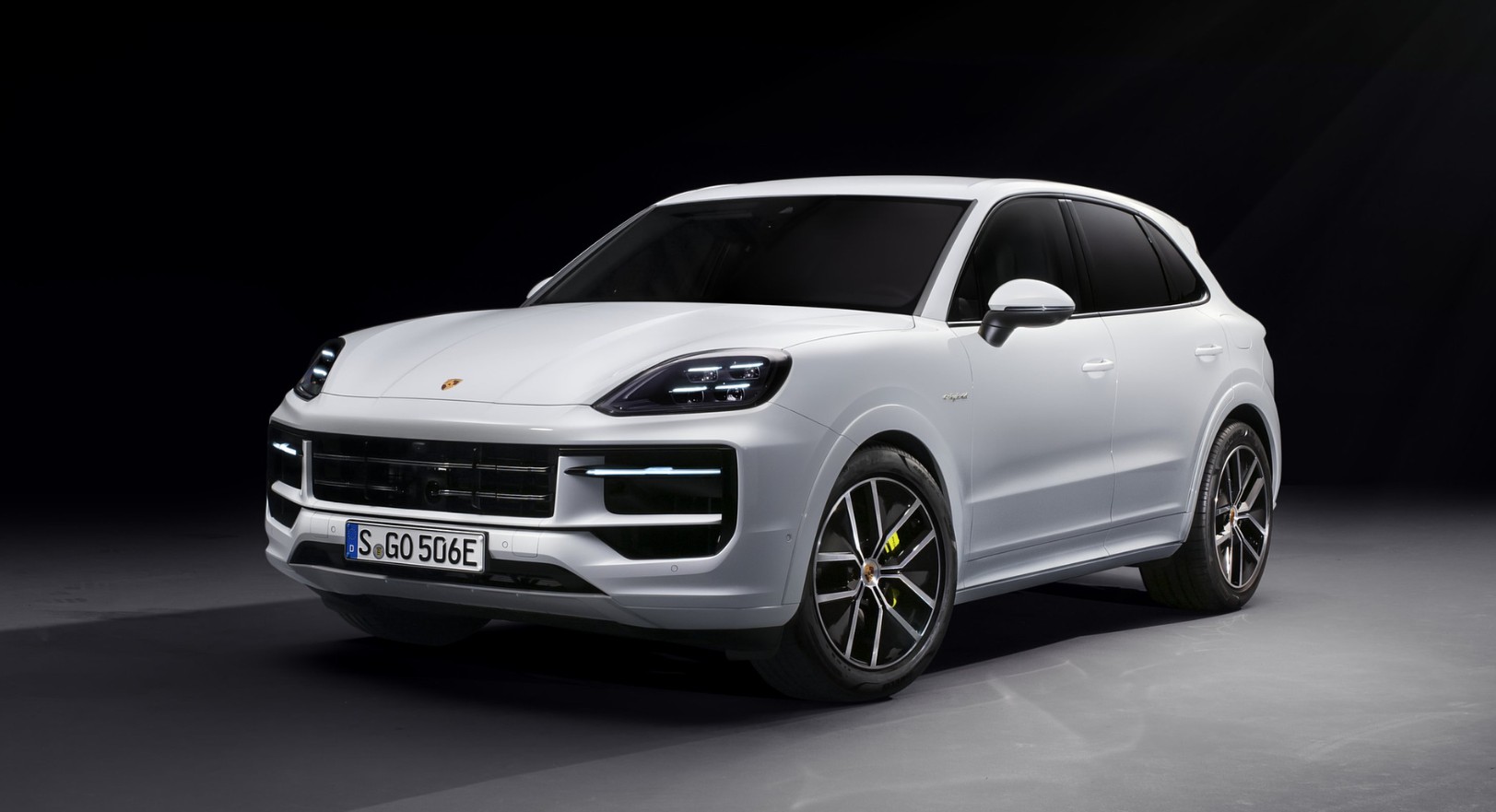
The exterior styling of the 2027 Porsche Cayenne E-Hybrid is expected to maintain Porsche’s unmistakable design language while introducing cleaner surfaces, sharper aerodynamics, and modern lighting technology. The familiar sloping hood, muscular fenders, and athletic stance will likely remain intact, preserving the SUV’s instantly recognizable silhouette. Rather than dramatic visual changes, Porsche could emphasize refinement by improving airflow, reducing drag, and integrating functional aerodynamic components that contribute directly to efficiency and high-speed stability.
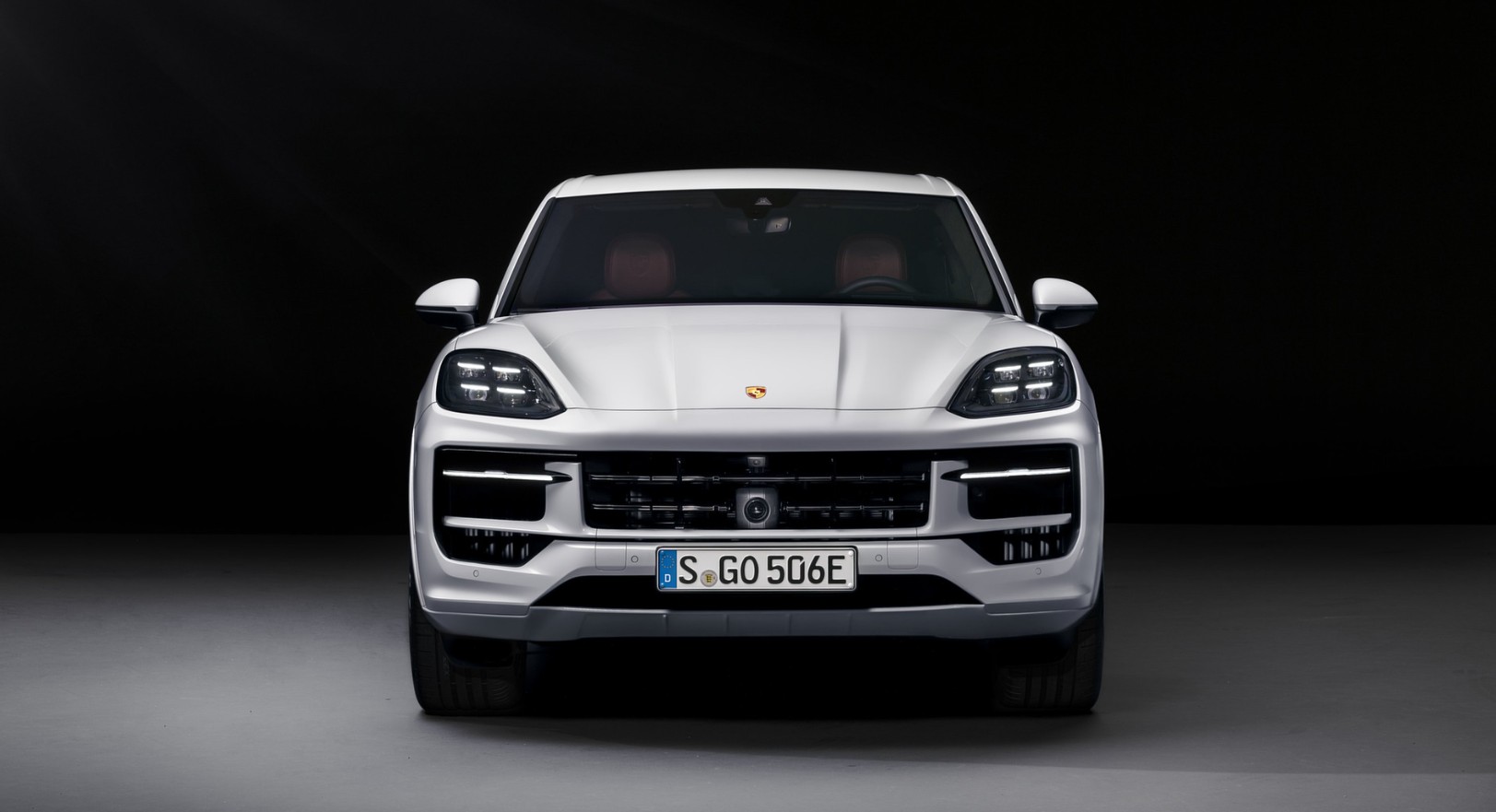
The front fascia may receive slimmer Matrix LED headlights with enhanced adaptive functionality, redesigned daytime running light signatures, and a more sculpted front bumper optimized for cooling and airflow management. The active grille shutters could become more intelligent, opening only when additional cooling is necessary and remaining closed during normal driving to improve aerodynamic performance. These subtle revisions would modernize the Cayenne’s appearance while supporting its electrified powertrain.
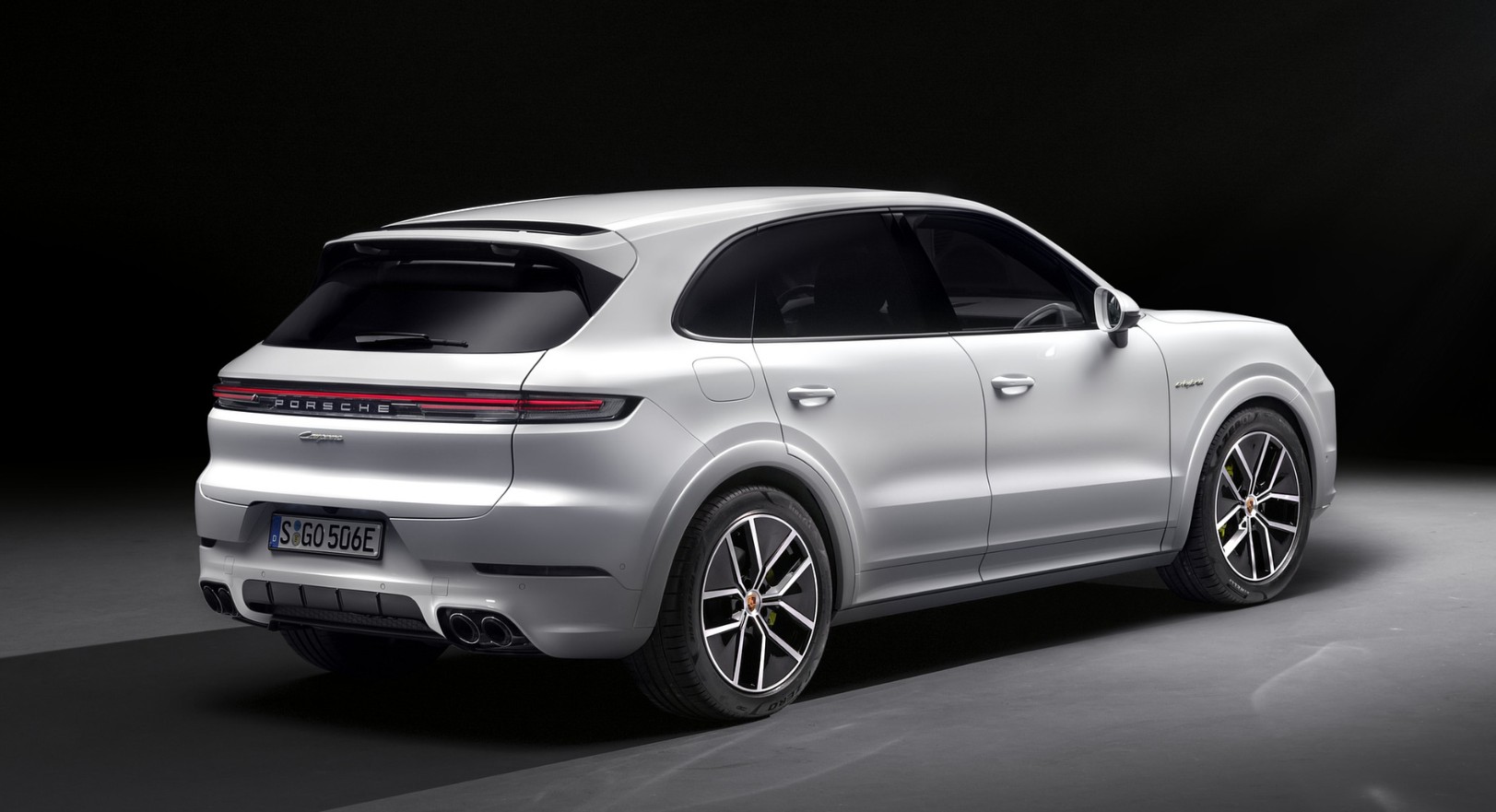
The side profile could feature newly designed lightweight alloy wheels ranging from 20 to 22 inches, flush aerodynamic detailing, revised side skirts, and premium exterior finishes. Porsche may expand personalization opportunities by offering exclusive paint colors, satin metallic finishes, carbon fiber exterior packages, and unique wheel designs exclusive to hybrid models. At the rear, slimmer full-width LED taillights, a revised roof spoiler, and a cleaner bumper design could enhance both visual appeal and aerodynamic efficiency.
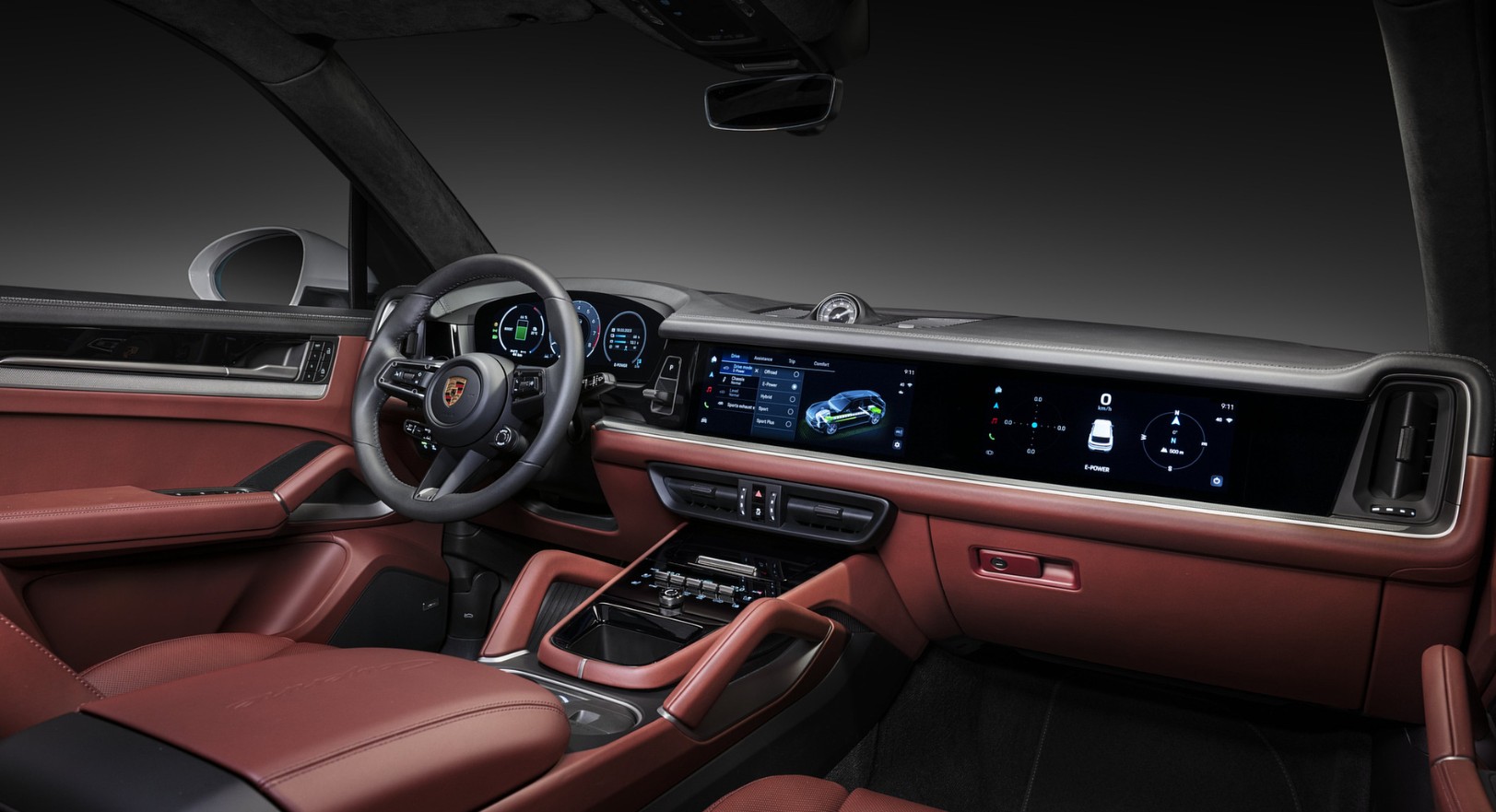
Inside the cabin, Porsche is expected to further elevate luxury while embracing digital innovation. The dashboard may feature a larger curved digital instrument cluster, an upgraded central touchscreen, and an optional passenger display integrated seamlessly into the dashboard. Premium leather upholstery, sustainable materials, brushed aluminum accents, open-pore wood trim, and carbon fiber inserts could provide extensive customization options. Improved seating ergonomics, quieter cabin insulation, enhanced ambient lighting, and additional rear passenger amenities would ensure that long journeys remain exceptionally comfortable while reinforcing the Cayenne’s premium positioning.
The 2027 Porsche Cayenne E-Hybrid is expected to receive a comprehensive evolution rather than a radical transformation. Porsche traditionally favors gradual refinement, ensuring each generation remains instantly recognizable while benefiting from significant engineering improvements underneath the bodywork. The upcoming model could adopt subtle styling enhancements alongside major advancements in electrification, software integration, and chassis technology. Every change would likely focus on increasing efficiency, improving aerodynamics, and delivering an even more connected driving experience without sacrificing the Cayenne’s unmistakable identity.
A revised platform could allow Porsche engineers to package larger battery modules more efficiently while maintaining balanced weight distribution. Stronger lightweight materials, expanded aluminum construction, and additional high-strength steel components may increase structural rigidity while reducing overall mass. These engineering improvements would enhance handling precision, improve ride comfort, and contribute to better electric driving range. Porsche has consistently prioritized chassis balance, and the 2027 Cayenne E-Hybrid could become the most refined version yet through careful weight optimization and suspension calibration.
Suspension technology is also expected to evolve substantially. Adaptive air suspension, active anti-roll systems, rear-axle steering, and Porsche Active Suspension Management could receive updated software capable of responding even faster to road conditions. The hybrid system may communicate more intelligently with the chassis electronics, allowing seamless transitions between electric cruising and performance driving. Drivers could experience improved stability through corners while passengers enjoy exceptional ride comfort during everyday commuting and highway travel.
Digital technology would likely receive equal attention during the redesign. Porsche could introduce a more advanced operating system with faster processing speeds, enhanced artificial intelligence features, expanded cloud connectivity, and more comprehensive over-the-air software updates. The vehicle may continuously improve throughout ownership, allowing new functions, performance optimizations, and navigation enhancements to be installed remotely. This software-focused development strategy would ensure the Cayenne remains technologically competitive throughout its lifecycle. 2027 Porsche Cayenne E-Hybrid Release Date
2027 Porsche Cayenne E-Hybrid Specs
Engine & Performance
Performance has always been central to the Porsche identity, and the 2027 Cayenne E-Hybrid is expected to build upon that tradition with a significantly enhanced plug-in hybrid system. A refined turbocharged gasoline engine paired with a more powerful electric motor could deliver stronger combined output, quicker throttle response, and smoother power delivery. Improved battery chemistry may allow the electric motor to contribute more consistently during spirited driving while also increasing electric-only capability during daily commuting.
The battery pack could receive a meaningful capacity increase compared with current models, allowing substantially longer electric-only driving distances. Faster AC charging and higher-capacity DC charging capability may significantly reduce charging times, making daily electric driving more convenient. Smarter battery thermal management could improve efficiency during both hot and cold weather while extending long-term battery durability. Porsche may also optimize regenerative braking to recover more energy without affecting the natural feel of the brake pedal.
Driving dynamics are expected to remain among the strongest in the luxury SUV segment. The hybrid system could work seamlessly with Porsche Traction Management, adaptive all-wheel drive, torque vectoring, and advanced stability systems to maximize grip under every condition. Instant electric torque combined with turbocharged engine performance could allow impressive acceleration while maintaining predictable handling characteristics. Steering precision, suspension control, and chassis communication would likely continue distinguishing the Cayenne E-Hybrid from many competitors.
2027 Porsche Cayenne E-Hybrid Fuel Economy
Fuel economy should improve through advances in hybrid software, lighter construction, improved aerodynamics, and greater electric driving capability. Owners who regularly recharge the battery could complete most daily commuting using little or no gasoline. During longer trips, the intelligent hybrid management system could automatically balance electric assistance and gasoline power for maximum efficiency. This combination of sports car performance and practical operating costs remains one of the Cayenne E-Hybrid’s strongest competitive advantages.
2027 Porsche Cayenne E-Hybrid Safety Features
The 2027 Porsche Cayenne E-Hybrid is expected to introduce Porsche’s latest generation of intelligent driver assistance technologies. Standard safety equipment may include adaptive cruise control with stop-and-go capability, lane keeping assistance, automatic emergency braking, blind-spot monitoring, intersection collision mitigation, rear cross-traffic alert, traffic sign recognition, and enhanced pedestrian detection. These systems would operate more smoothly through improved sensors, expanded computing power, and artificial intelligence-based predictive algorithms.
Porsche could also improve highway driving assistance by integrating higher-resolution cameras, additional radar sensors, and more advanced mapping technology. These enhancements may allow the SUV to anticipate curves, traffic flow, and changing speed limits more accurately. Parking assistance could become even more sophisticated through remote parking functions, automated maneuvering systems, and enhanced 360-degree camera resolution that simplifies navigating tight urban environments.
The trim lineup is likely to remain diverse to accommodate varying customer preferences. The standard Cayenne E-Hybrid would emphasize balanced luxury, advanced technology, and efficient performance. Higher trims could include the Cayenne E-Hybrid Platinum Edition with expanded comfort features, while performance-focused models such as the Cayenne S E-Hybrid or Turbo E-Hybrid may deliver significantly greater power outputs alongside upgraded chassis components and distinctive styling details.
Optional equipment packages could include Sport Chrono enhancements, ceramic composite brakes, active rear steering, performance exhaust systems, premium Burmester audio, executive rear seating, four-zone climate control, massaging front seats, panoramic glass roof, and advanced interior customization. Porsche’s extensive personalization program would continue allowing buyers to configure highly individualized vehicles that reflect their driving preferences and luxury expectations. 2027 Porsche Cayenne E-Hybrid Release Date
2027 Porsche Cayenne E-Hybrid Release Date & Price
The 2027 Porsche Cayenne E-Hybrid is expected to remain positioned among the most desirable luxury performance plug-in hybrid SUVs. Estimated pricing could begin around $98,000 for the standard E-Hybrid model, while better-equipped trims featuring additional luxury and performance equipment may reach approximately $115,000. High-performance Turbo E-Hybrid variants with extensive options could exceed $150,000, reflecting Porsche’s premium market positioning.
Although Porsche has not officially announced a launch schedule, industry expectations suggest that the 2027 Cayenne E-Hybrid could debut during late 2026 before reaching global dealerships as a 2027 model. Initial availability would likely focus on major international markets including Europe, North America, and Asia, followed by broader worldwide distribution.
The competitive landscape will remain challenging, with rivals including the BMW X5 xDrive50e, Mercedes-Benz GLE Plug-in Hybrid, Range Rover PHEV, Volvo XC90 Recharge, and Audi Q8 e-hybrid. However, Porsche continues distinguishing the Cayenne through superior driving dynamics, exceptional build quality, premium craftsmanship, and one of the most engaging chassis setups available in any luxury SUV.
As electrification becomes increasingly important across the premium automotive segment, the 2027 Porsche Cayenne E-Hybrid could further strengthen Porsche’s reputation for combining sustainability with genuine driving enjoyment. By delivering stronger hybrid performance, longer electric range, advanced technology, and uncompromising luxury, it has the potential to remain one of the benchmark plug-in hybrid SUVs for discerning buyers worldwide.
Conclusion
The 2027 Porsche Cayenne E-Hybrid is expected to elevate Porsche’s luxury SUV formula through an advanced plug-in hybrid powertrain, refined exterior styling, an even more sophisticated interior, improved efficiency, and state-of-the-art driver assistance technology. Combining sports car-inspired performance with everyday practicality, premium craftsmanship, and enhanced electrification, the next-generation Cayenne E-Hybrid could continue setting the benchmark for luxury performance SUVs. If Porsche delivers these anticipated improvements while preserving its legendary driving character, the 2027 Cayenne E-Hybrid will remain one of the most compelling choices for buyers seeking uncompromising performance, innovation, and luxury in a single package.
Note: The details included in this blog post are derived from pre-release material that was accessible when the article was written. If you want the latest information, you should check official sources or call your nearest dealership.