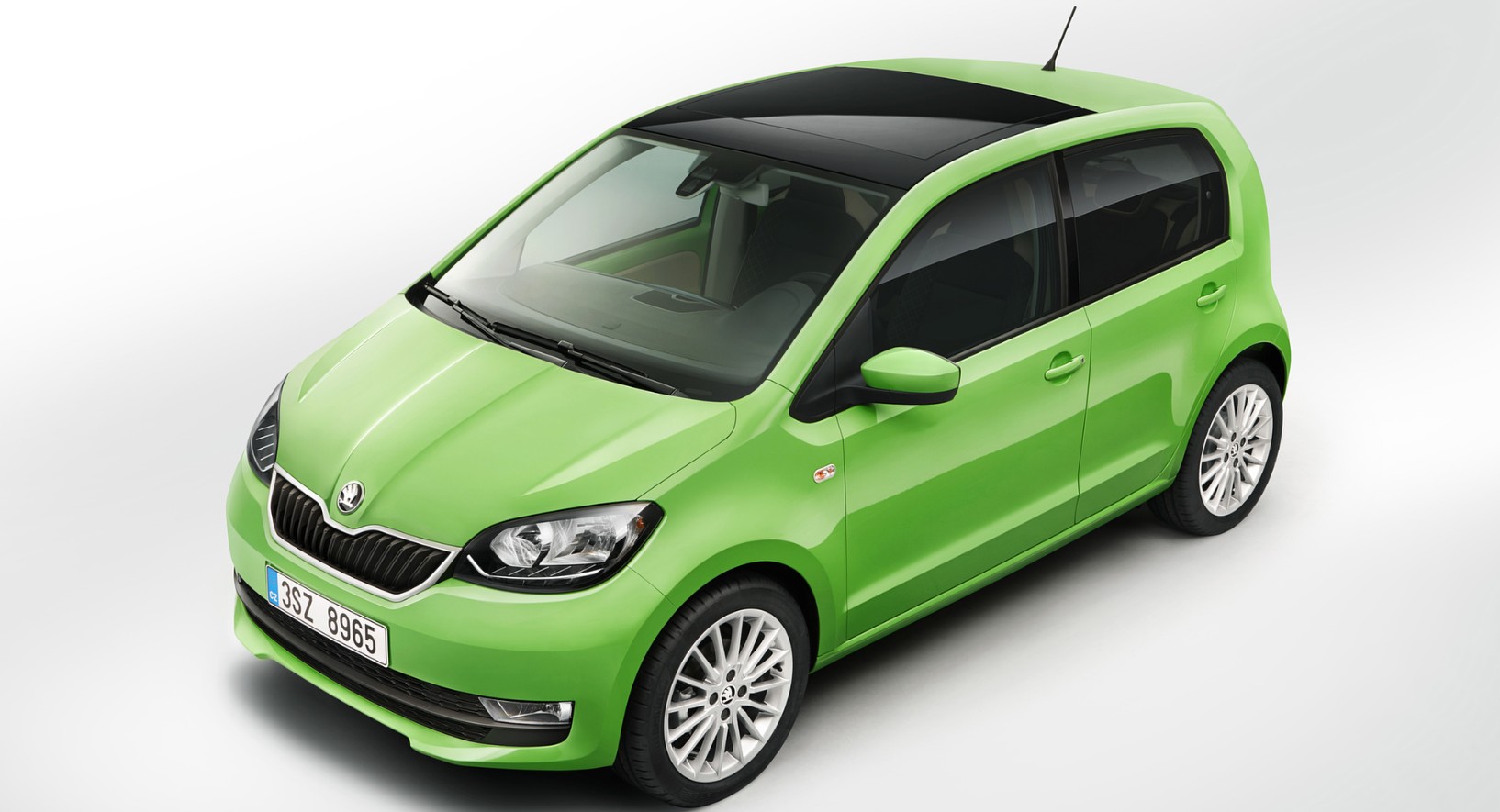
2027 Skoda Citigo Release Date, Price, Specs – The 2027 Škoda Citigo is one of those nameplates that naturally attracts attention because the original car solved a very simple problem extremely well: affordable, compact transportation for crowded European cities. Škoda introduced the Citigo in 2011 as a small city car, and the model eventually became particularly important to the brand when it evolved into the Citigoᵉ iV, Škoda’s first mass-produced fully electric vehicle. The electric version arrived in 2019 with a 36.8-kWh battery, a 61-kW electric motor and a claimed WLTP range of up to 260 km.
There is an important distinction surrounding the 2027 Škoda Citigo, however. Škoda has not officially announced a new Citigo for the 2027 model year, nor has the company published confirmed specifications, pricing, trim levels or a production launch date for such a vehicle. That makes any discussion of a next-generation Citigo necessarily forward-looking. Still, the idea makes considerable sense when viewed against Škoda’s current electrification strategy. The company has moved deeper into electric vehicles with models such as the Enyaq, Elroq and Epiq, while the Epiq specifically targets customers looking for a practical, compact electric vehicle for urban use.
If the Citigo name returns, the most logical direction would be a small electric hatchback rather than a conventional petrol city car. The automotive market has changed dramatically since the original Citigo arrived. Buyers now expect smartphone connectivity, driver-assistance technology, efficient electric powertrains and useful fast-charging capability even from relatively inexpensive vehicles. A revived Citigo could therefore become Škoda’s answer for customers who find the Epiq too large or too SUV-oriented. The challenge would be keeping the vehicle affordable while delivering enough battery capacity and technology to make it competitive against Europe’s growing selection of compact EVs.
A modern Citigo would also fit an important gap in the market. Many manufacturers have gradually abandoned traditional small hatchbacks because development costs are high and profit margins are comparatively low. Yet city cars remain extremely useful in Europe, where narrow streets, limited parking and increasingly strict emissions regulations create a strong case for compact electric transportation. A new Citigo could be considerably smaller and lighter than the Epiq while concentrating almost entirely on efficient urban mobility. If Škoda can preserve the original model’s practicality while introducing a modern electric platform, the Citigo name could return with a very different but highly relevant identity. 2027 Skoda Citigo Release Date
2027 Skoda Citigo Redesign and Update Plan
Exterior & Interior
A hypothetical 2027 Citigo would need a substantial redesign rather than a simple facelift. The previous Citigo belonged to a very different design era, with conventional headlights, a traditional grille and a compact upright body optimized primarily for low-cost urban transportation. A new version could adopt Škoda’s latest Modern Solid design language, creating a much more recognizable family connection with newer electric models. The Epiq already demonstrates how Škoda is adapting that philosophy to smaller vehicles, using a Tech-Deck Face, T-shaped lighting signatures and clean, robust surfaces.
The exterior could remain deliberately compact, potentially preserving the Citigo’s city-friendly proportions while making better use of interior space. A short front overhang, wheels positioned close to the corners and a tall roofline would help maximize cabin room without making the vehicle physically large. Aerodynamic efficiency would also become more important because every reduction in drag can improve electric range. Instead of trying to make the Citigo look like a miniature SUV, Škoda could give it a clean five-door hatchback profile with a strong shoulder line, narrow lighting elements and carefully shaped bodywork. That approach would preserve the original Citigo’s urban character while making the new model unmistakably modern.
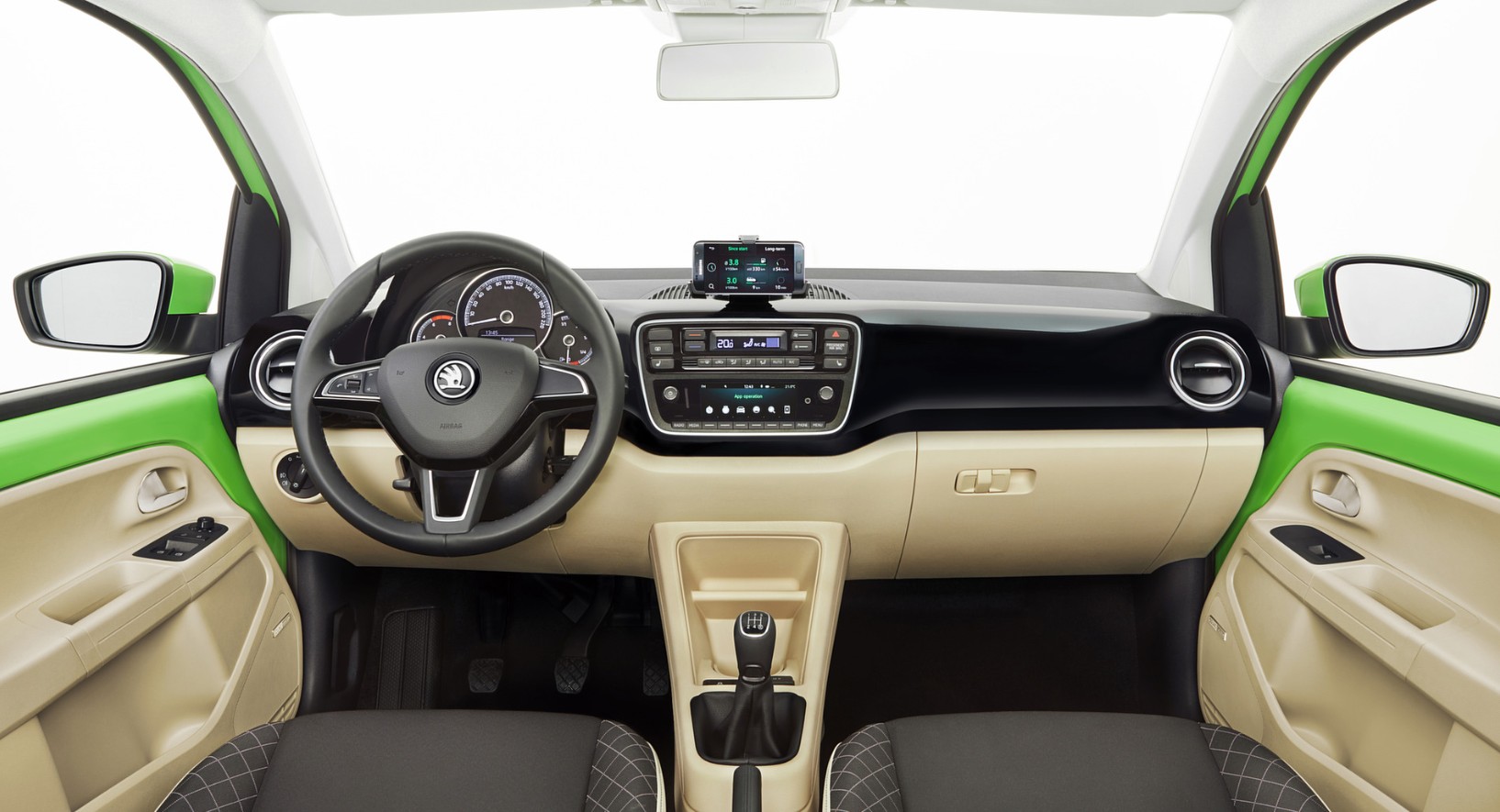
Inside, the biggest transformation would probably involve technology and perceived quality. The original Citigo was intentionally simple, but a 2027 electric city car would need a significantly more sophisticated cabin. A compact digital instrument display, central infotainment screen, wireless smartphone connectivity and a redesigned steering wheel would be logical upgrades. Physical controls should remain for frequently used functions because they are easier to operate while driving. Škoda’s newer Epiq shows that the company is not abandoning practical controls entirely; its interior combines digital interfaces with physical buttons and haptic controls while retaining the brand’s emphasis on usability.
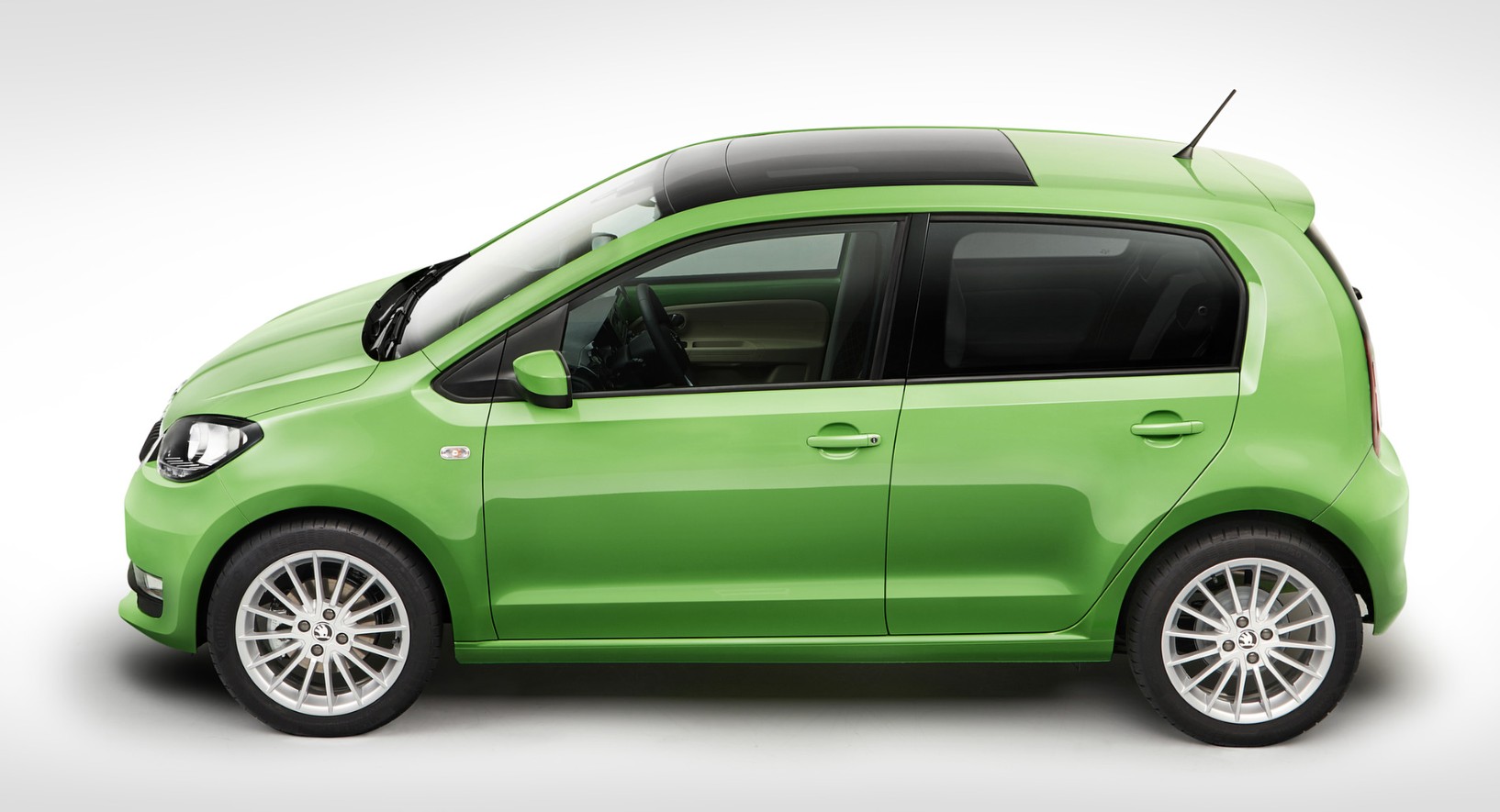
Practicality should remain the defining characteristic. A successful Citigo revival would not need to compete with larger electric SUVs on luxury equipment. Instead, it could concentrate on clever storage, easy access, excellent visibility and an efficient use of cabin volume. Škoda’s famous Simply Clever philosophy could provide useful details such as door pockets designed for everyday objects, phone storage, compact cargo solutions and flexible rear seating. The objective would be straightforward: create a car that feels small when parking but surprisingly useful once occupants are inside. That formula was central to the original Citigo, and it would remain valuable in a modern electric version.
2027 Skoda Citigo Specs
Engine & Performance
The strongest case for a 2027 Citigo is an all-electric powertrain. Škoda has already demonstrated its ability to build a compact EV with the Citigoᵉ iV, which used a 61-kW electric motor and offered up to 260 km of WLTP range. A modern replacement would need to improve substantially on those numbers because battery technology, charging infrastructure and consumer expectations have advanced considerably since 2019.
A realistic future Citigo could use a smaller battery than the Epiq in order to reduce weight and cost. Something in the neighborhood of a 30-to-40-kWh usable-class battery would make sense for a city-focused vehicle, although Škoda has not announced such specifications for a Citigo. A modest single electric motor driving the front wheels could provide enough performance for urban use while keeping energy consumption low. Acceleration would not need to be sports-car quick. Instant electric torque, light weight and a compact turning circle would matter far more in daily city driving.
The Epiq provides a useful indication of where Škoda’s small-EV technology is heading. Its current technical information lists 38.5-kWh and 55-kWh battery options, with outputs ranging from 85 kW to 155 kW and a maximum range of up to 441 km depending on version. The Epiq is built on the MEB+ platform and supports 11-kW AC charging, while its larger battery can use DC charging for a 10-to-80-percent recharge in roughly 24 minutes under the specified conditions.
The Citigo would probably require a different balance between battery size, power and range. A smaller, lighter hatchback could potentially deliver respectable real-world efficiency without carrying a large and expensive battery. That would also make the vehicle easier to drive through narrow streets and potentially more affordable to purchase. For buyers who mainly travel short urban distances, an efficient small EV with rapid enough charging could be more useful than a heavier vehicle with a huge battery. Performance should therefore focus on responsiveness, smoothness and low-speed maneuverability rather than outright horsepower. 2027 Skoda Citigo Release Date
2027 Skoda Citigo Fuel Economy
Fuel economy would obviously take a different meaning if the 2027 Citigo became fully electric. Instead of liters per 100 kilometers, buyers would focus on electricity consumption measured in kWh/100 km and the amount of driving possible between charging stops. A lightweight body and small frontal area could help the Citigo achieve strong efficiency. Its greatest advantage would come during urban driving, where regenerative braking can recover energy during repeated deceleration and the electric motor avoids the inefficiency associated with idling a conventional engine. Exact consumption figures should not be quoted until Škoda officially reveals the vehicle.
Range would need to be sufficient without pushing the price beyond the traditional city-car customer. The earlier Citigoᵉ iV offered up to 260 km of WLTP range from its 36.8-kWh battery, giving a useful reference point for the nameplate’s previous electric direction. A future model could potentially improve considerably through more efficient motors, battery chemistry and aerodynamics. However, claims of 400 km or more for a hypothetical Citigo would be premature. The current Epiq already targets more than 440 km of maximum range, suggesting that a smaller Citigo would need a different role within the lineup rather than simply becoming a shorter Epiq.
2027 Skoda Citigo Safety Features
Safety expectations have changed enormously since the first Citigo appeared. A future 2027 model would need modern driver-assistance systems to remain competitive, particularly in European markets where active safety technology is increasingly common. A revived Citigo could reasonably be expected to offer systems such as autonomous emergency braking, lane assistance, traffic-sign recognition, driver-alert monitoring and parking assistance, although Škoda has not confirmed a Citigo-specific equipment list. The current Epiq demonstrates the direction of the brand, with systems including Front Assist, Lane Assist, Driver Alert, multiple airbags and more advanced assistance technologies available in the compact EV.
Parking assistance would be particularly valuable in a city car. A small hatchback already has an advantage over larger SUVs, but cameras and sensors could make the Citigo even easier to position in tight spaces. A higher specification could potentially include a 360-degree camera system, automated parking and enhanced blind-spot monitoring. Škoda’s current Epiq includes panoramic camera functionality and intelligent parking technology, showing that advanced parking assistance is moving into smaller vehicles rather than remaining exclusive to expensive models. 2027 Skoda Citigo Release Date
2027 Skoda Citigo Release Date & Price
If Škoda brings back the Citigo for 2027, a simple trim strategy would probably make the most sense. An entry-level version could focus on affordability, offering the smaller battery, basic infotainment and essential safety systems. A mid-level trim could add a larger screen, enhanced connectivity, alloy wheels, upgraded interior materials and additional driver assistance. A higher specification could receive the larger battery, faster charging capability, premium lighting and more comfort equipment. These are potential configurations rather than confirmed Škoda specifications, because no official 2027 Citigo trim structure has been published.
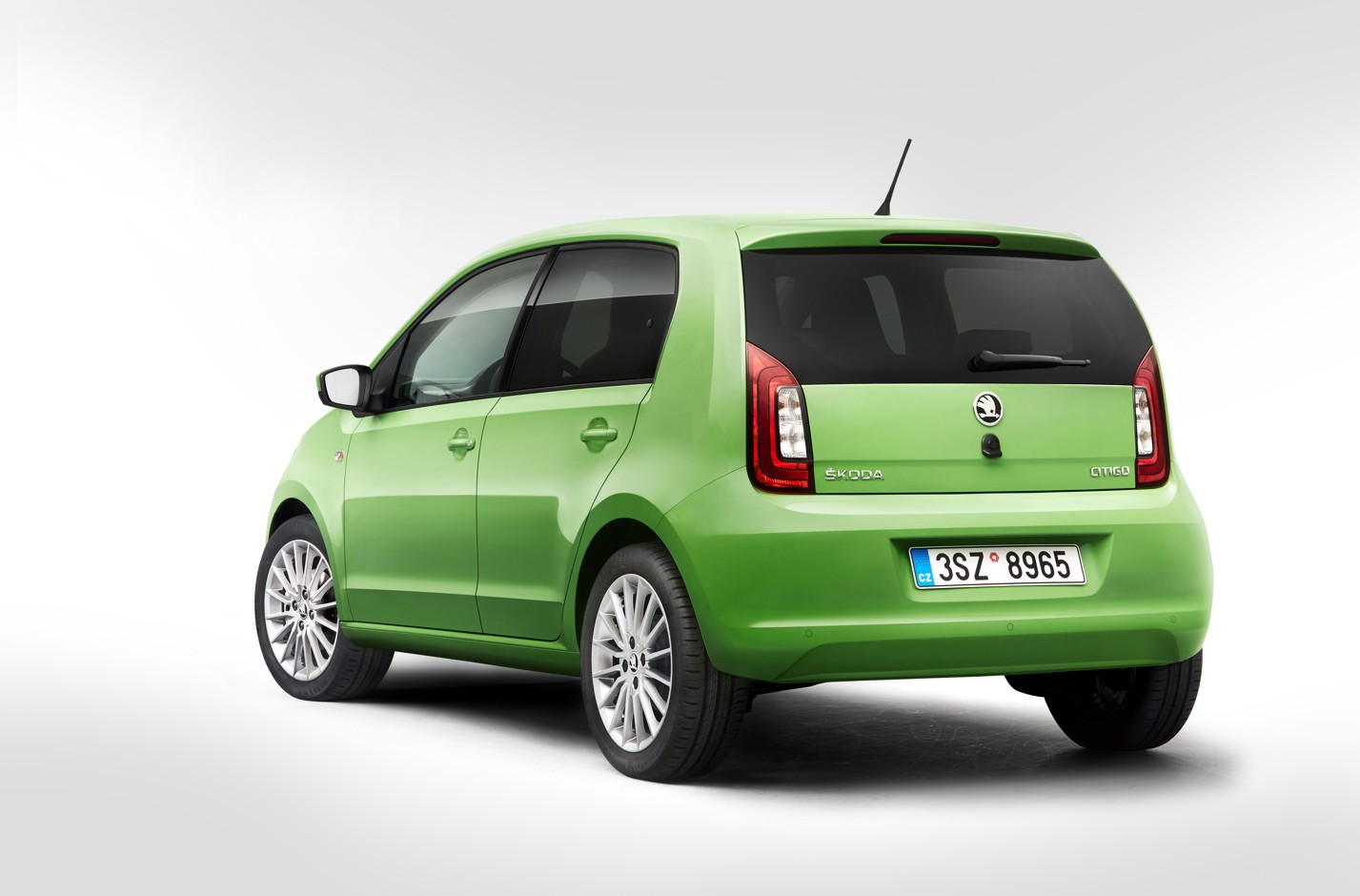
Pricing would be one of the most important factors. The original Citigo competed in the affordable city-car segment, but the economics of electric vehicles are very different. Batteries, electronics and safety systems can make a modern EV considerably more expensive to build than a basic petrol hatchback. A future Citigo would therefore need careful positioning below the Epiq if Škoda wanted to preserve a clear difference between the two models. The current Epiq is already positioned as an accessible compact electric crossover, making a smaller Citigo potentially attractive as an entry point to Škoda’s electric range.
No official MSRP has been announced for a 2027 Škoda Citigo. Any specific dollar or euro figure currently circulating online should therefore be treated as an estimate rather than confirmed pricing. The same applies to trim names, battery sizes, charging speeds and performance figures. A credible pricing strategy would likely depend heavily on where the car is produced, which battery technology is selected and whether Škoda positions it as a basic urban EV or a more premium small electric hatchback. The Epiq’s relatively accessible positioning suggests that affordability will remain an important part of Škoda’s electric-car strategy.
The release date is equally uncertain. Škoda’s current official product strategy confirms that the Epiq is the brand’s compact electric crossover, while the company’s electric lineup has expanded around the Enyaq and Elroq families. The Epiq entered production-market development as a much more concrete project than any publicly confirmed Citigo revival. Škoda’s official Epiq material states that the model was scheduled for global unveiling in mid-2026, and the production Epiq is now presented as part of the brand’s electric range.
For that reason, there is currently no confirmed 2027 Škoda Citigo release date. If the Citigo name eventually returns, an official announcement would likely precede detailed information about production, pricing and market availability. Until that happens, the most accurate interpretation is that a 2027 Citigo remains a potential future model rather than an announced production vehicle. The concept is nevertheless compelling because Škoda already has historical experience with an electric Citigo and is actively developing smaller EVs. A future city car could therefore build on technologies and lessons learned from the brand’s expanding electric portfolio.
Conclusion
The 2027 Škoda Citigo could become an interesting comeback story if Škoda decides to revive the name as a dedicated electric city car. The original Citigo established itself as a practical urban hatchback, while the Citigoᵉ iV proved that the platform and nameplate could be adapted to battery-electric driving. Škoda’s present electric strategy makes a modern successor technically plausible, particularly as the company expands its smaller EV offering with the Epiq.
The strongest version of a future Citigo would not need huge power or an enormous battery. Its appeal would come from compact dimensions, excellent efficiency, easy parking, clever interior packaging, modern safety technology and an affordable ownership proposition. That combination could give Škoda a distinct position beneath the Epiq rather than creating another electric SUV with overlapping characteristics.
For now, the key point is that Škoda has not officially confirmed a 2027 Citigo. There is no verified 2027 MSRP, trim lineup, battery specification, horsepower figure or release date. Those details should remain clearly identified as projections until the manufacturer makes an official announcement. If the Citigo name does return, however, an electric hatchback built around Škoda’s newest design and technology could be one of the most interesting small-car revivals in Europe’s rapidly changing urban mobility market.
Note: The details included in this blog post are derived from pre-release material that was accessible when the article was written. If you want the latest information, you should check official sources or call your nearest dealership.
Read Also:
- 2026 Nissan Sentra Review, Specs, Release Date
- 2026 Volkswagen Polo Specs, Price, Release Date
- 2026 Chrysler Airflow Price, Specs, Release Date
- Toyo H19 Review & Rating
- 2025 Jeep Recon EV Specs, Price, Range
Frequently Asked Questions
2027 Skoda Citigo Release Date, Price, Specs - The 2027 Škoda Citigo is one of those nameplates that naturally attracts attention because the original car solved a very simple problem extremely well: affordable, compact transportation for crowded European cities. Škoda introduced the Citigo in 2011 as a small…
There is an important distinction surrounding the 2027 Škoda Citigo, however. Škoda has not officially announced a new Citigo for the 2027 model year, nor has the company published confirmed specifications, pricing, trim levels or a production launch date for such a vehicle. That makes any discussion of…
If the Citigo name returns, the most logical direction would be a small electric hatchback rather than a conventional petrol city car. The automotive market has changed dramatically since the original Citigo arrived. Buyers now expect smartphone connectivity, driver-assistance technology, efficient electric powertrains and useful fast-charging capability even…
A modern Citigo would also fit an important gap in the market. Many manufacturers have gradually abandoned traditional small hatchbacks because development costs are high and profit margins are comparatively low. Yet city cars remain extremely useful in Europe, where narrow streets, limited parking and increasingly strict emissions…
2027 Skoda Citigo Redesign and Update Plan Exterior & Interior A hypothetical 2027 Citigo would need a substantial redesign rather than a simple facelift. The previous Citigo belonged to a very different design era, with conventional headlights, a traditional grille and a compact upright body optimized primarily for…