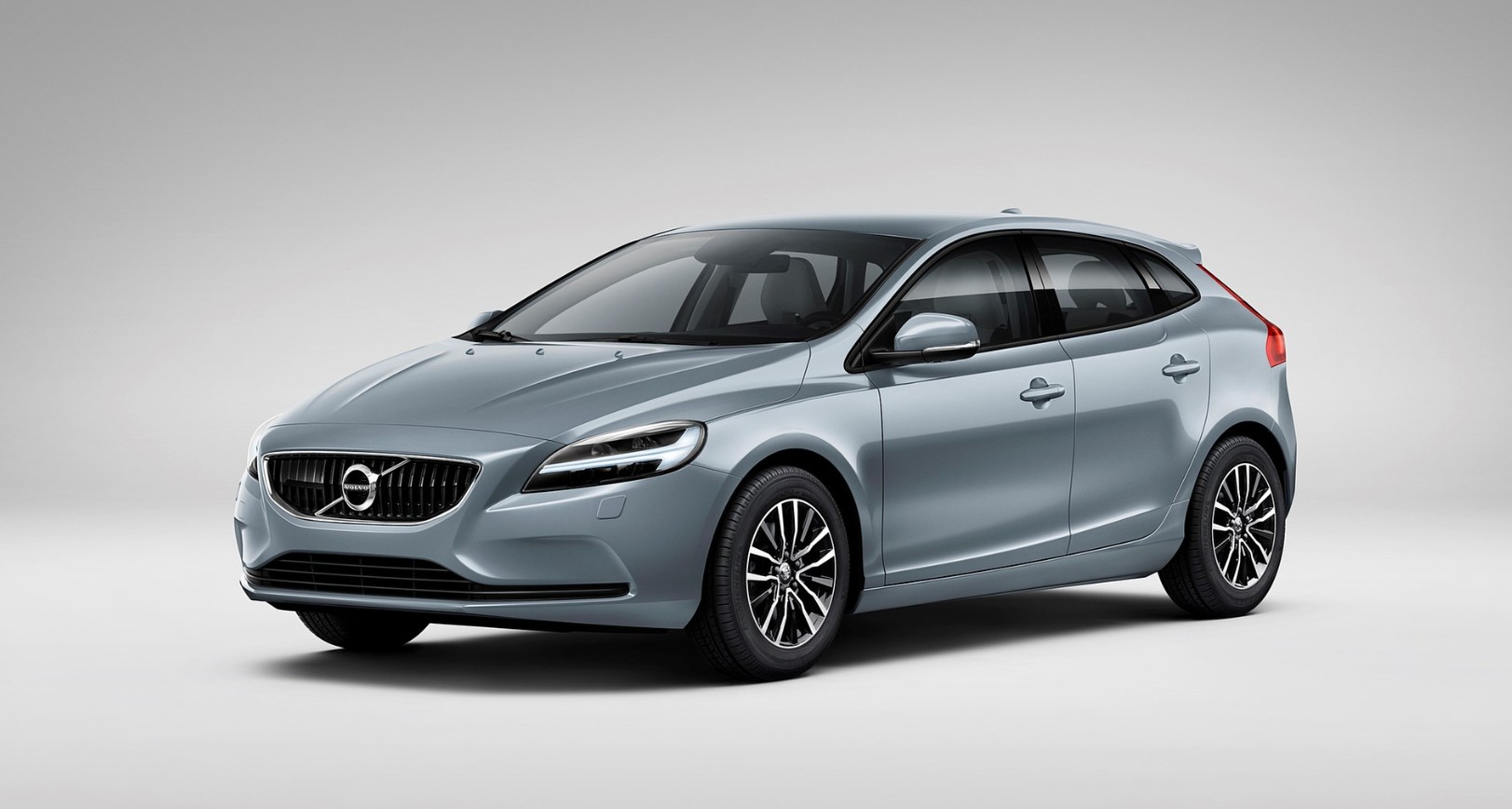
2027 Volvo V40 Review, Specs, Configurations – The compact premium hatchback market continues to evolve as buyers seek vehicles that combine sophisticated styling, advanced technology, outstanding efficiency, and everyday practicality. If Volvo decides to revive the V40 nameplate, the 2027 Volvo V40 could become one of the brand’s most compelling compact models. While Volvo has not officially confirmed a new V40, industry trends and the company’s electrification strategy suggest that a modern interpretation could deliver an ideal balance between Scandinavian luxury, innovative safety, and environmentally conscious performance.
We expect the next-generation V40 to embrace Volvo’s latest design language while introducing a more athletic and contemporary personality. Instead of simply replacing its predecessor, the new model could represent a complete reimagining of the premium hatchback formula, incorporating electrified powertrains, connected digital technologies, and a refined interior that rivals larger luxury vehicles. This approach would allow Volvo to attract younger buyers without compromising the premium qualities associated with the brand.
Competition in the premium compact segment remains intense, with manufacturers introducing increasingly sophisticated products that combine performance, comfort, and advanced driver assistance. The anticipated 2027 Volvo V40 would likely enter this competitive landscape with an emphasis on understated elegance, intelligent engineering, and everyday versatility rather than aggressive styling alone. These qualities have long distinguished Volvo from its competitors and could become even more important in the next generation.
In this comprehensive guide, we explore everything we expect from the 2027 Volvo V40, including its redesign strategy, exterior styling, interior innovations, powertrain options, performance, safety technologies, fuel economy, trim levels, estimated pricing, and expected release timeline. 2027 Volvo V40 Review
2027 Volvo V40 Redesign and Update Plan
Exterior & Interior
The exterior of the 2027 Volvo V40 is expected to showcase a sophisticated blend of elegance and sportiness that reflects Volvo’s modern design philosophy. The front end could feature the latest interpretation of the signature “Thor’s Hammer” daytime running lights integrated into slimmer adaptive LED matrix headlights. A revised grille, sculpted bumper, and carefully shaped air curtains may improve airflow while creating a cleaner and more premium appearance. Flush door handles and aerodynamic mirror designs could further enhance efficiency while contributing to the vehicle’s sleek profile.
Along the sides, the V40 is likely to feature stronger shoulder lines, pronounced rear haunches, and refined proportions that give the hatchback a more planted stance. Premium alloy wheel options ranging from 18 to 20 inches may become available depending on the trim level. New metallic and matte paint finishes inspired by Scandinavian landscapes could add visual sophistication while subtle gloss-black accents on sport-oriented variants would provide a more dynamic character without appearing overly aggressive.
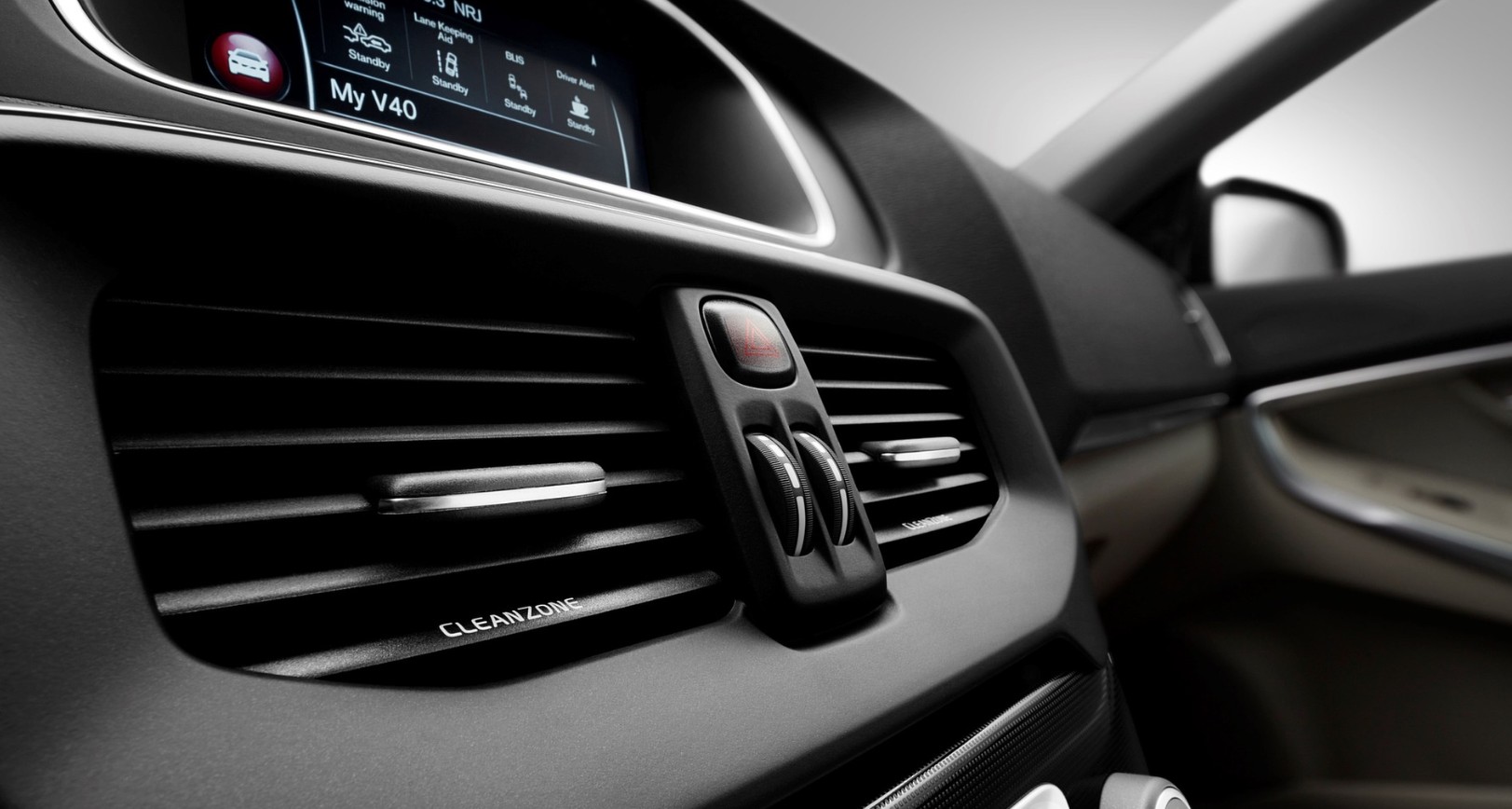
Inside the cabin, we expect Volvo to elevate craftsmanship beyond previous compact models. Sustainable premium materials, responsibly sourced wood trim, recycled aluminum finishes, soft-touch surfaces, and carefully integrated ambient lighting could define the interior environment. Redesigned front seats with improved ergonomic support, heating, ventilation, and optional massage functions may provide exceptional long-distance comfort. Rear-seat passengers should benefit from improved packaging efficiency, delivering greater legroom and headroom despite the vehicle’s compact dimensions.
Technology is expected to dominate the dashboard with a large portrait-oriented touchscreen operating Volvo’s latest infotainment software. A fully digital instrument cluster, advanced head-up display, wireless Apple CarPlay, Android Auto, 5G connectivity, cloud navigation, wireless smartphone charging, multiple USB-C ports, and a premium Harman Kardon or Bowers & Wilkins audio system could all be offered on higher trims. Together, these features would create a sophisticated environment that rivals premium vehicles from higher market segments.
The 2027 Volvo V40 is expected to receive a complete redesign that reflects Volvo’s ongoing transformation toward electrified mobility and software-defined vehicles. Rather than continuing the previous model’s design, we anticipate an entirely new platform optimized for mild-hybrid, plug-in hybrid, and potentially fully electric variants. This fresh architecture would provide greater flexibility, improved structural rigidity, enhanced ride comfort, and better packaging efficiency while allowing Volvo to integrate the latest battery technologies and connected digital systems.
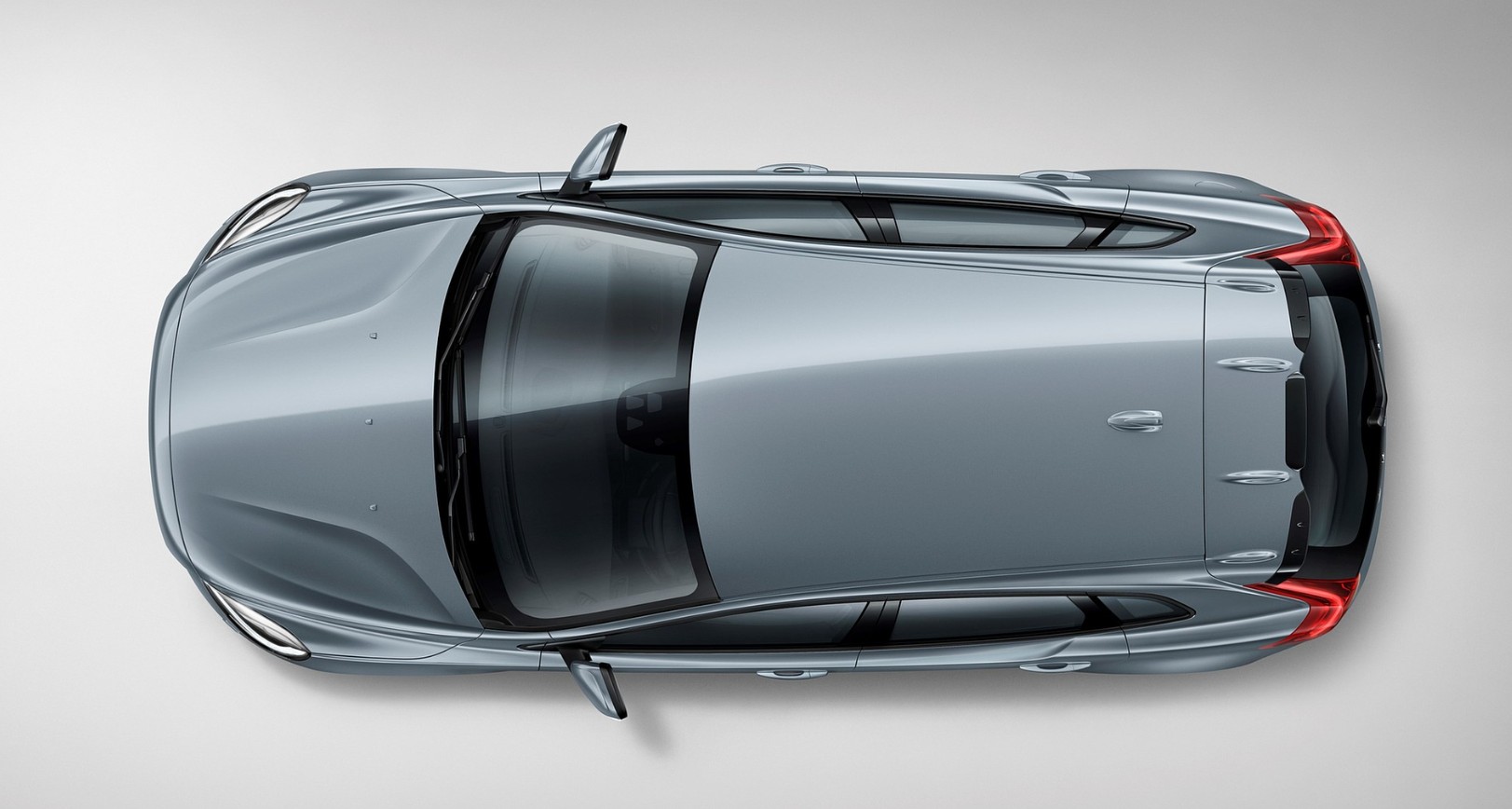
The exterior design will likely evolve significantly while preserving Volvo’s unmistakable Scandinavian identity. A cleaner front fascia featuring slimmer LED headlights, a redesigned grille, active aerodynamic elements, and a sculpted hood should modernize the V40 without sacrificing elegance. Sharper body lines, shorter overhangs, and a slightly wider stance may create a more dynamic appearance while improving stability and aerodynamic performance. These updates would position the V40 as a premium hatchback that looks contemporary without relying on unnecessary styling excess.
Structural improvements are also expected to play a major role in the redesign. Increased use of lightweight aluminum components, ultra-high-strength steel, and sustainable composite materials could reduce overall vehicle weight while enhancing crash protection and driving dynamics. A lower center of gravity combined with recalibrated suspension geometry may improve cornering precision, ride quality, and overall refinement, making the V40 equally comfortable during city commuting and long-distance touring.
Technology will likely become one of the defining characteristics of the redesigned model. We expect Volvo to introduce a next-generation software platform supporting over-the-air updates, cloud-based services, artificial intelligence-assisted navigation, enhanced voice recognition, and deeper smartphone integration. Faster processors and improved cybersecurity measures could ensure the V40 remains technologically current throughout its ownership cycle, providing a digital experience that matches the expectations of premium buyers.
2027 Volvo V40 Specs
Engine & Performance
The 2027 Volvo V40 is expected to embrace electrification across its entire lineup as Volvo continues transitioning toward cleaner mobility solutions. Traditional gasoline-only engines may gradually disappear in favor of mild-hybrid and plug-in hybrid systems designed to improve both efficiency and driving performance. Depending on regional regulations, Volvo could also introduce a fully electric V40 variant built on the same advanced platform, allowing buyers to choose the powertrain that best fits their lifestyle while maintaining a consistent premium driving experience.
The primary engine is likely to be a turbocharged 2.0-liter four-cylinder paired with a 48-volt mild-hybrid system that enhances low-speed responsiveness while reducing fuel consumption. Higher-performance plug-in hybrid versions could combine the gasoline engine with a powerful electric motor, producing a combined output exceeding 350 horsepower. Instant electric torque would improve acceleration from a standstill while maintaining smooth and refined power delivery across the entire speed range. An advanced automatic transmission and intelligent all-wheel-drive system may further optimize traction under varying road conditions.
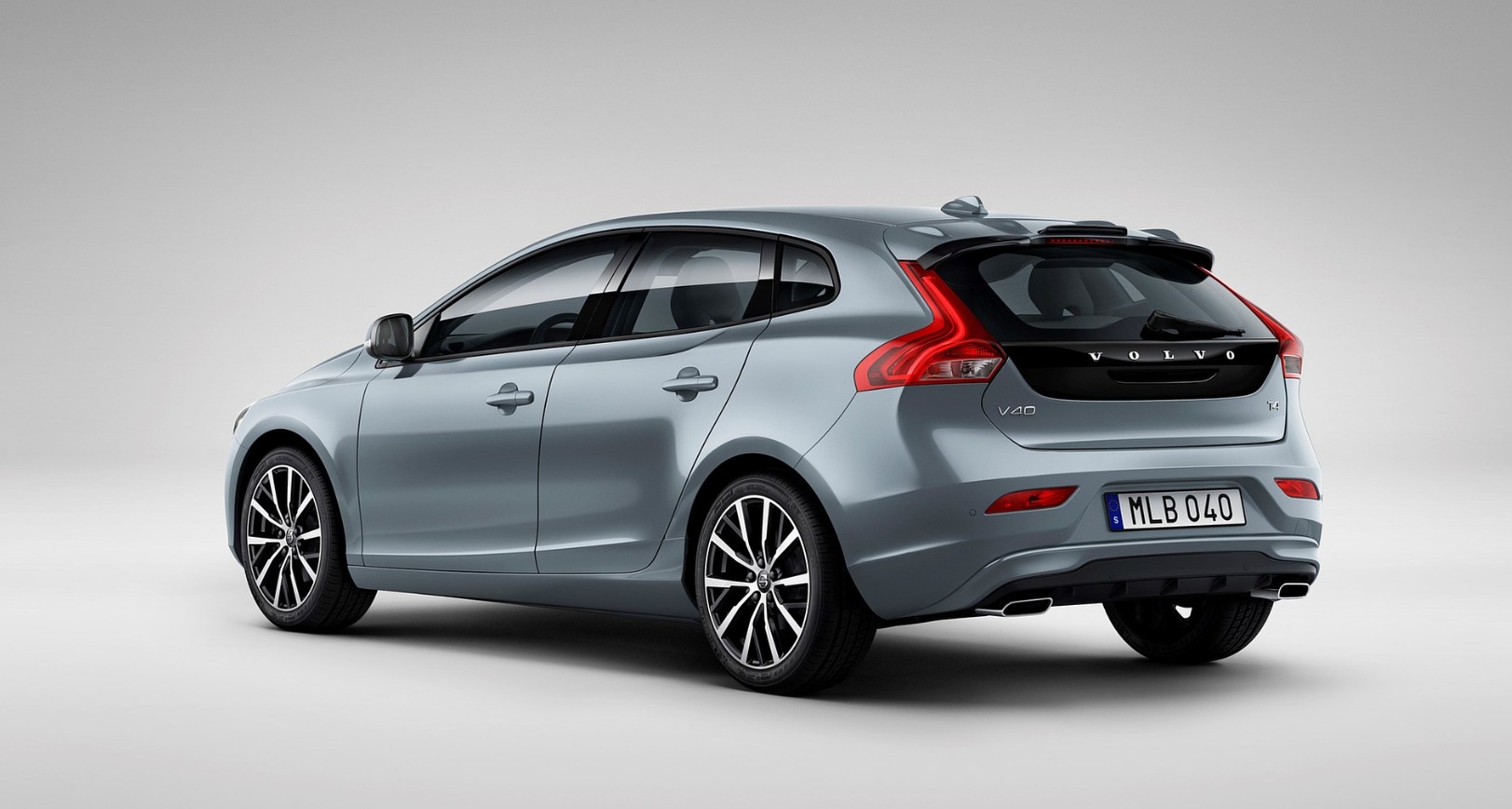
Driving dynamics should receive meaningful improvements through revised suspension tuning, adaptive dampers, and more precise steering calibration. Multiple drive modes, including Eco, Comfort, Dynamic, Individual, and Pure Electric for plug-in models, would allow drivers to tailor vehicle behavior according to their preferences. The V40 is expected to prioritize ride comfort while still delivering confident cornering and responsive handling, making it equally enjoyable during daily commuting and extended highway journeys. 2027 Volvo V40 Review
2027 Volvo V40 Fuel Economy
Fuel economy should improve substantially thanks to hybrid assistance, lightweight construction, and optimized aerodynamics. Mild-hybrid models may achieve fuel consumption approaching 45 miles per gallon under favorable conditions, while plug-in hybrid variants could offer an electric-only driving range exceeding 55 miles before the gasoline engine engages. Regenerative braking, predictive energy management, and intelligent battery optimization software are also expected to contribute to greater efficiency, allowing the V40 to deliver lower operating costs without compromising the refined performance expected from a premium Volvo.
2027 Volvo V40 Safety Features
Safety is expected to remain the defining characteristic of the 2027 Volvo V40, continuing the brand’s long-standing commitment to protecting drivers, passengers, and other road users. We anticipate the new model will incorporate Volvo’s latest active safety technologies, combining advanced radar sensors, high-resolution cameras, ultrasonic sensors, and next-generation software to monitor the vehicle’s surroundings continuously. Rather than relying on individual safety systems, the V40 will likely feature an integrated safety platform capable of predicting potential hazards and responding with minimal driver intervention. This comprehensive approach should reinforce Volvo’s reputation as one of the industry’s leading innovators in automotive safety.
Among the most significant upgrades, we expect the 2027 Volvo V40 to introduce an enhanced version of Pilot Assist with improved adaptive cruise control, lane-centering capability, automatic lane changing on compatible highways, and intelligent traffic jam assistance. Autonomous emergency braking should become even more capable by recognizing pedestrians, cyclists, motorcycles, and large animals in a broader range of lighting and weather conditions. Additional technologies such as intersection collision avoidance, rear automatic emergency braking, blind-spot intervention, and cross-traffic alert with braking assistance could further strengthen the vehicle’s ability to prevent accidents before they occur.
Convenience-oriented safety technologies are also likely to receive substantial improvements. A high-definition 360-degree surround-view camera system, transparent vehicle visualization, front and rear parking sensors, automated parking assistance, and remote parking through a smartphone application may simplify maneuvering in crowded urban environments. Drivers could also benefit from traffic sign recognition, intelligent speed adaptation, road-edge detection, driver fatigue monitoring, and predictive navigation that adjusts safety settings based on upcoming road conditions. These features would make the V40 easier and more relaxing to drive without diminishing driver engagement.
Passive safety engineering should continue evolving with a reinforced passenger safety cage constructed from ultra-high-strength steel and lightweight structural materials. Multiple airbags, advanced seatbelt pretensioners, energy-absorbing seating structures, optimized crumple zones, and improved child occupant protection systems are expected to provide exceptional crash performance. Volvo will likely refine electronic stability control, traction management, post-impact braking, and collision mitigation technologies to create one of the most comprehensive safety packages available in the premium compact segment, ensuring the V40 remains true to the brand’s heritage.
2027 Volvo V40 Release Date & Price
The 2027 Volvo V40 is expected to be offered in several trim levels that cater to a wide range of buyers, from professionals seeking a refined daily commuter to families looking for a compact premium vehicle with advanced technology and exceptional efficiency. Even the entry-level model will likely include an impressive list of standard equipment, reflecting Volvo’s philosophy of delivering premium quality without requiring customers to purchase numerous optional packages. Buyers should expect LED lighting, premium upholstery, a fully digital instrument cluster, advanced infotainment, wireless smartphone connectivity, dual-zone climate control, and an extensive collection of safety technologies as standard features.
Mid-range trims are expected to introduce additional luxury and convenience while maintaining excellent value. These variants could include larger alloy wheels, adaptive LED matrix headlights, panoramic glass roof, upgraded interior materials, heated steering wheel, ventilated front seats, premium audio system, configurable ambient lighting, and enhanced driver-assistance features. The balance between comfort, technology, and efficiency would make these trims particularly attractive to buyers seeking executive-level refinement in a compact package suitable for both city driving and extended highway travel.
At the top of the range, we anticipate a flagship performance-inspired trim featuring exclusive exterior styling, sport suspension calibration, larger wheels, unique interior finishes, premium leather alternatives, massage seating, head-up display, adaptive air suspension where available, and the most advanced infotainment and safety technologies offered by Volvo. Plug-in hybrid powertrains and intelligent all-wheel drive could become standard on these premium models, creating a driving experience that blends responsive performance with impressive efficiency. Exclusive paint colors and distinctive design details would further separate the flagship trim from the rest of the lineup.
Although Volvo has not officially confirmed the return of the V40, industry expectations suggest that if development moves forward, the model could make its public debut during the second half of 2026 before arriving in global markets as a 2027 model. Estimated pricing may begin around $38,000 for mild-hybrid variants, with well-equipped mid-level models ranging between $43,000 and $48,000. Flagship plug-in hybrid versions featuring premium equipment and all-wheel drive could approach $55,000, positioning the V40 competitively within the premium compact luxury segment while offering the distinctive Scandinavian character that continues to define Volvo. 2027 Volvo V40 Review
Conclusion
The 2027 Volvo V40 has the potential to become a remarkable return for one of Volvo’s most recognizable compact nameplates by combining timeless Scandinavian design with cutting-edge electrified technology, premium craftsmanship, and industry-leading safety innovation. Based on current automotive trends and Volvo’s strategic direction, we expect the next-generation V40 to deliver a sophisticated exterior, an elegantly minimalist interior, highly efficient hybrid powertrains, engaging driving dynamics, and an extensive suite of intelligent driver-assistance systems.
With multiple trim levels, competitive pricing, and a strong emphasis on sustainability and digital connectivity, the anticipated 2027 Volvo V40 could appeal to buyers seeking a premium hatchback that offers luxury, practicality, and efficiency in equal measure while remaining faithful to the values that have long distinguished the Volvo brand.
Note: The details included in this blog post are derived from pre-release material that was accessible when the article was written. If you want the latest information, you should check official sources or call your nearest dealership.