2027 BMW X5 Redesign, Price, Configurations – The 2027 BMW X5 stands at an important point in the evolution of BMW’s luxury SUV range. Rather than treating the new model year as a simple equipment update, the X5 can be viewed as a bridge between BMW’s established combustion-powered SUV architecture and the company’s rapidly developing electric and digital future. The X5 has built its reputation around a difficult combination of attributes: strong road performance, long-distance comfort, premium cabin quality, useful cargo capacity, confident all-weather traction, and genuine towing ability. For 2027, that formula is expected to become more sophisticated through powertrain improvements, expanded electrification, more advanced software, and a sharper visual identity.
BMW’s current U.S. information already references a 2027 X5 xDrive40 and a 2027 X5 xDrive50e, confirming that the X5 nameplate is continuing into the 2027 model year. The xDrive40 is listed at 197.2 inches long, 78.7 inches wide, and 68.9 inches tall, while the 2027 xDrive40 can tow up to 7,710 pounds when properly equipped. Those figures show that the X5 remains a substantial premium SUV rather than moving toward the smaller proportions used by some newer electric crossovers. The combination of physical presence and practical capability remains one of the strongest reasons buyers continue to consider the X5.
The 2027 BMW X5 also arrives during a period when BMW is changing the technological character of its vehicles. Neue Klasse development is pushing the brand toward a more digital, electrified, and software-driven product strategy, while the existing X5 continues to demonstrate the advantages of conventional engines and plug-in hybrid technology. That creates room for several different interpretations of the future X5. Some versions can continue using gasoline engines with 48-volt assistance, while the plug-in hybrid can provide meaningful electric driving capability. A fully electric X5 could eventually occupy a parallel position as BMW expands its dedicated electric portfolio.
For buyers, the most important aspect is that the X5 should remain recognizable as a BMW rather than becoming simply another technology-heavy luxury SUV. The driving position, rear-biased handling character, strong acceleration, high-speed stability, premium materials, and extensive customization options remain central to the vehicle’s appeal. The 2027 update should therefore focus on refinement instead of unnecessary complexity. The most convincing X5 would be one that feels more intelligent and efficient in everyday use while still delivering the powerful, composed road manners that have made the model one of BMW’s most important SUVs. 2027 BMW X5 Redesign
2027 BMW X5 Redesign and Update Plan
Exterior & Interior
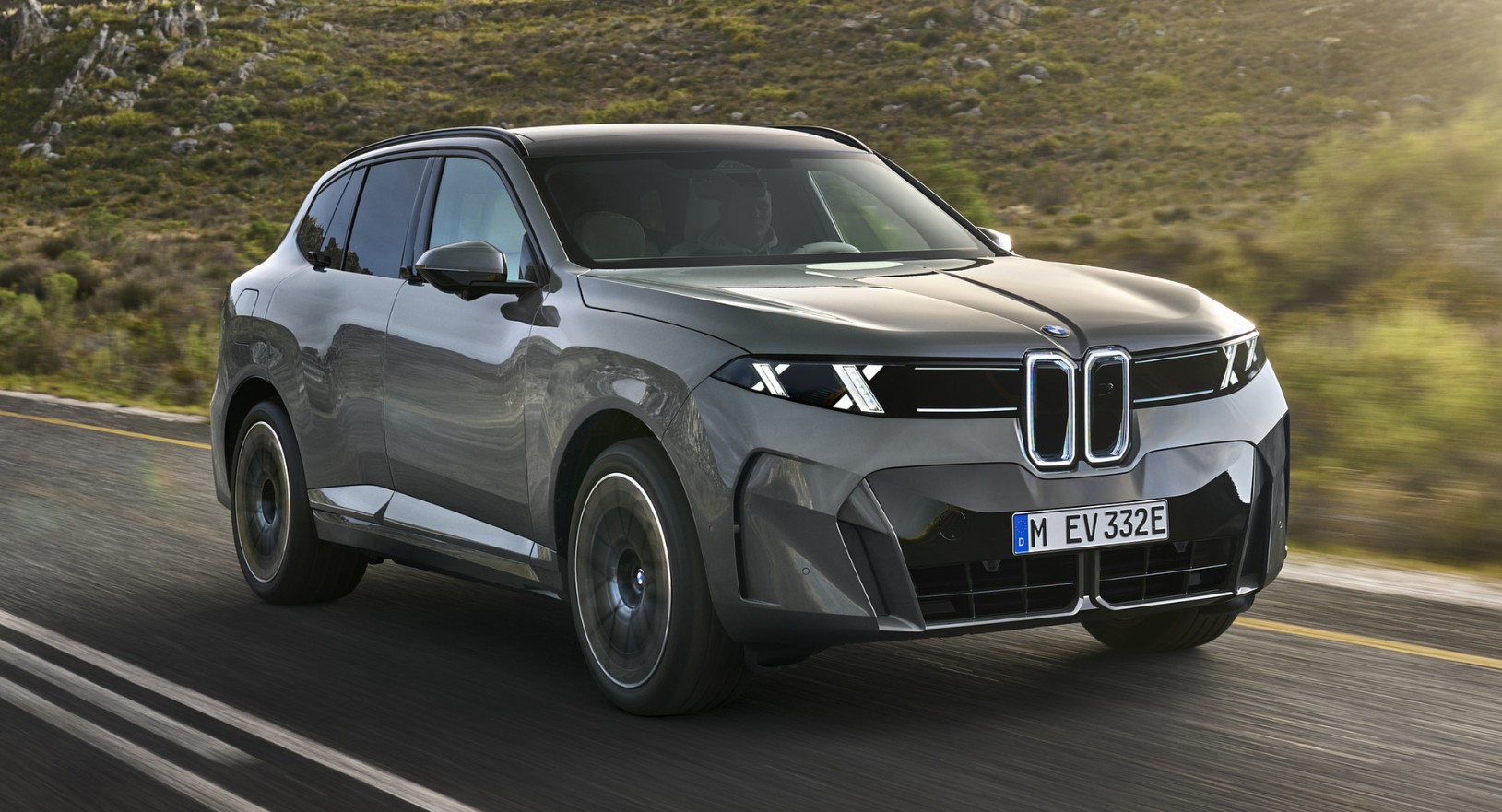
The exterior of the 2027 BMW X5 should continue to emphasize a wide, confident stance. The front end will likely remain dominated by the BMW kidney grille, but future styling could integrate it more naturally into a cleaner design. Slimmer headlights and sharper daytime-running-light signatures would help give the X5 a more modern appearance without requiring exaggerated bodywork. The lower bumper could incorporate larger functional openings for cooling while maintaining a restrained luxury appearance. M Sport versions would naturally receive a more aggressive front treatment, darker trim, larger wheels, and additional aerodynamic details.
From the side, the X5 should preserve its recognizable long-hood, upright-cabin profile. The large glasshouse remains useful for visibility and reinforces the SUV’s premium character, while sculpted doors and pronounced wheel arches provide visual strength. Wheel choices could range from efficiency-focused designs on entry-level models to large performance-oriented alloys on M Sport and M Performance versions. BMW could also offer additional two-tone or Shadowline exterior packages, allowing customers to choose between understated luxury and a more aggressive appearance.
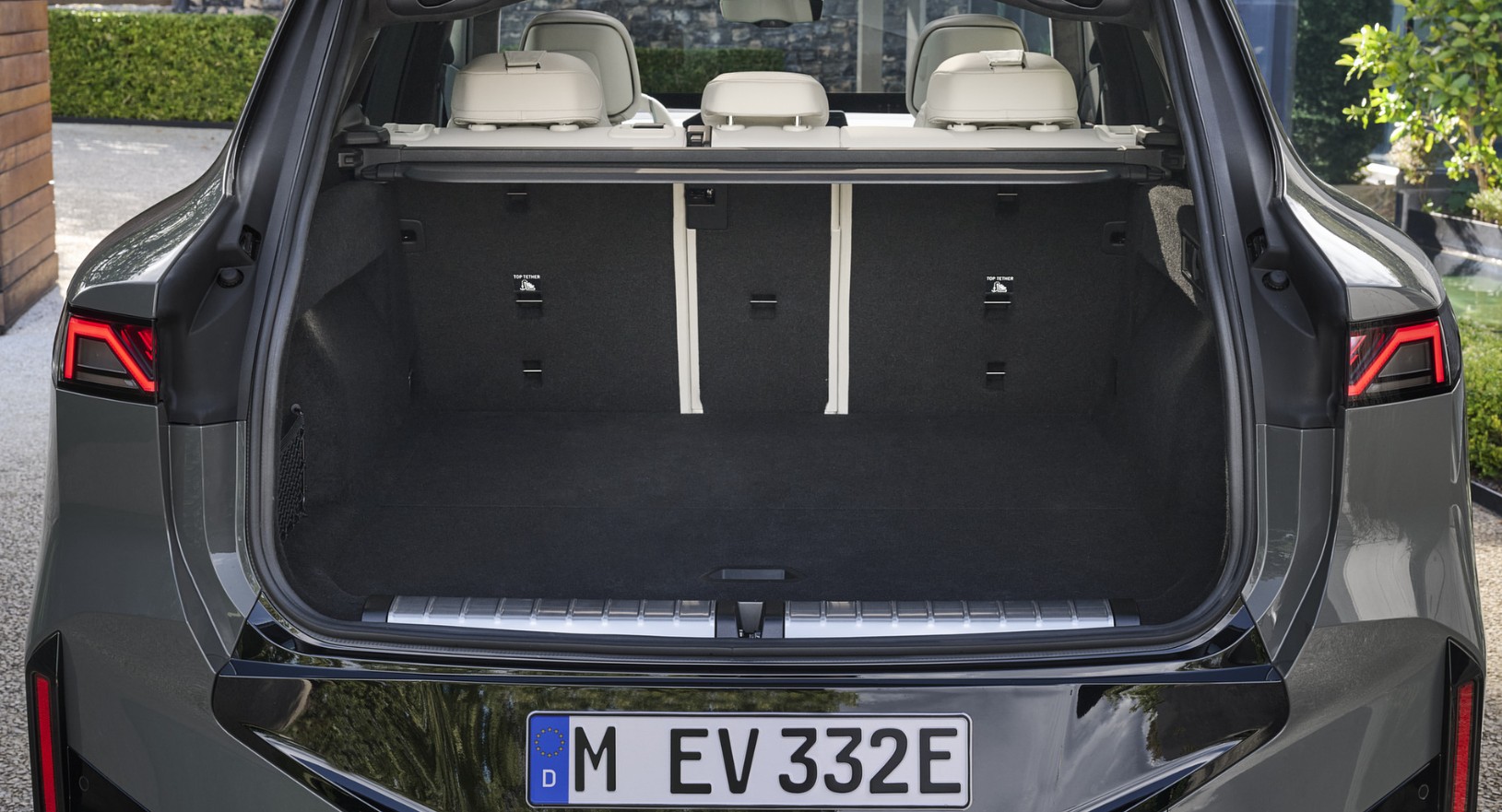
The rear design could become more distinctive through slimmer LED taillights, improved three-dimensional light graphics, and a cleaner tailgate treatment. The current X5 already uses a recognizable X-shaped motif within its rear lighting, so the 2027 model could develop that signature rather than completely replacing it. The rear bumper would vary according to powertrain and trim, with sportier versions receiving stronger visual treatment. Practicality should remain intact, including a wide tailgate opening, useful cargo floor, split-opening functionality where offered, and enough room for luggage and recreational equipment.
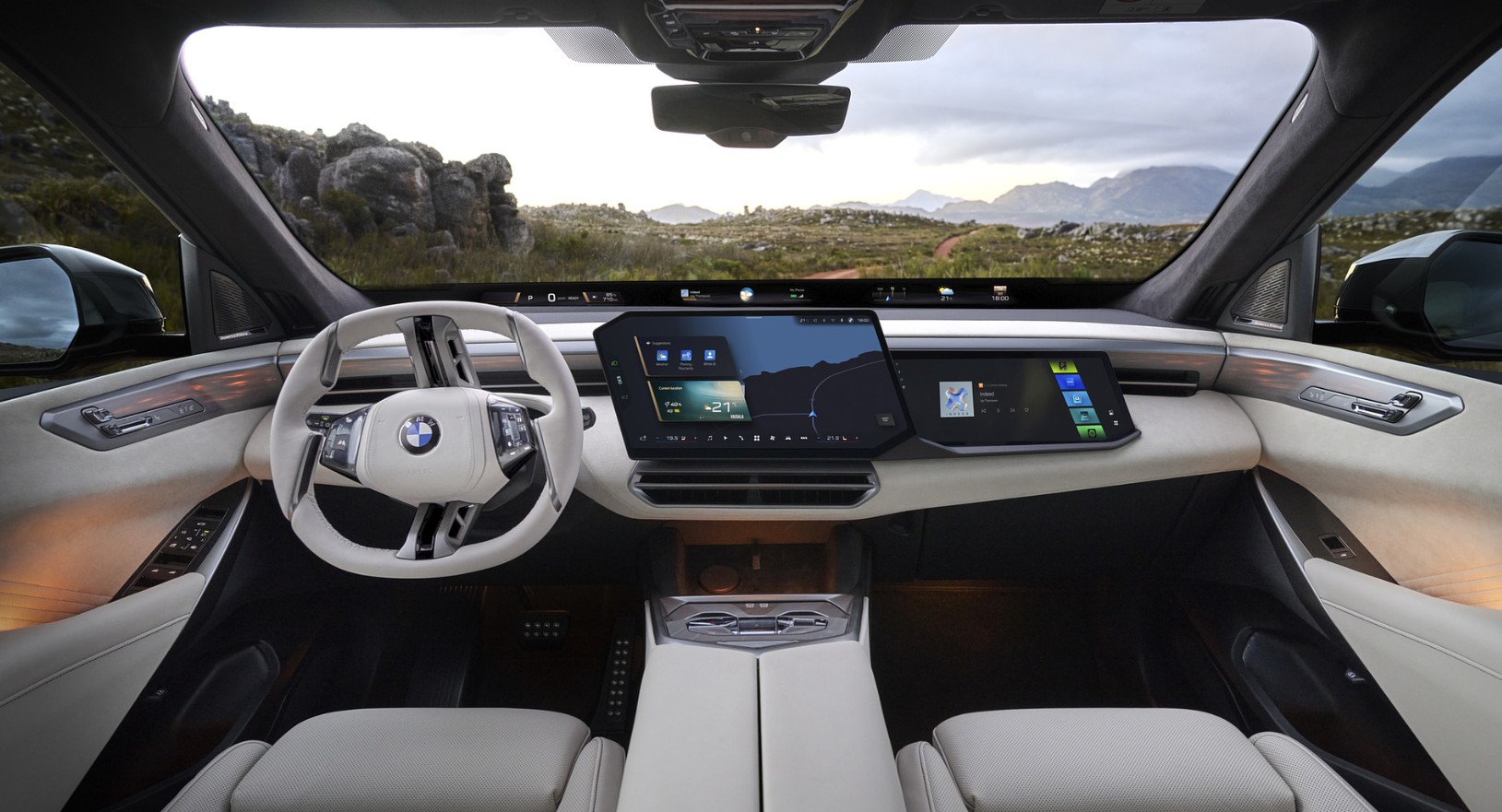
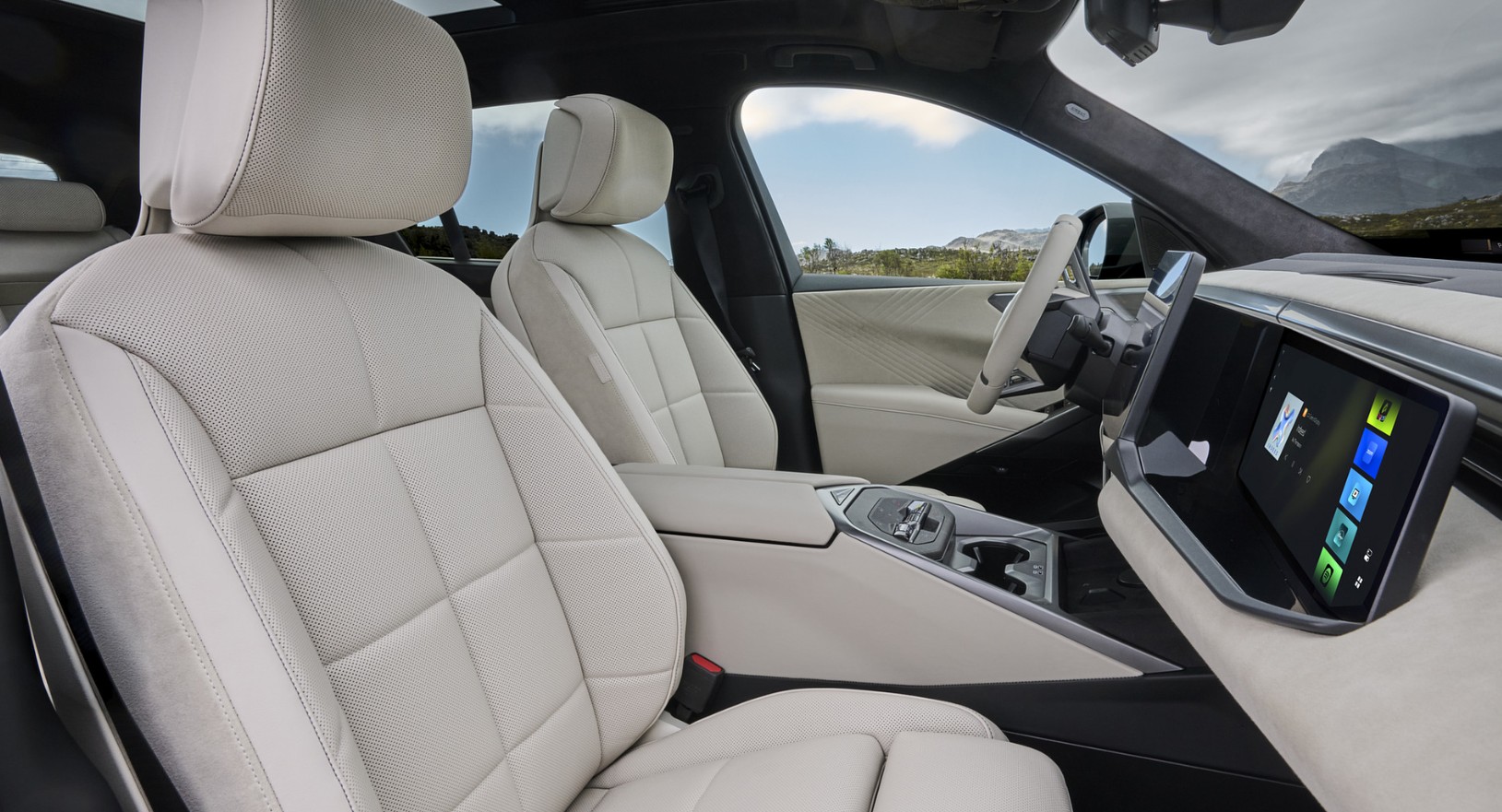
Inside, the biggest change could involve the relationship between physical controls and BMW’s digital architecture. The current X5 already uses BMW’s Curved Display and iDrive interface, while BMW’s newer products are moving toward increasingly sophisticated digital interfaces. The 2027 cabin could introduce a broader screen arrangement, faster processors, more natural voice interaction, upgraded navigation, and enhanced smartphone integration. Yet the cabin should avoid becoming a screen-filled environment that compromises usability. Climate functions, drive-mode controls, seat adjustments, and essential shortcuts should remain intuitive and easy to operate while driving.
The 2027 BMW X5 redesign is expected to concentrate on technology, lighting, aerodynamics, and detail-level exterior refinement rather than abandoning the established SUV silhouette. The current generation already received a substantial visual and technical update, including revised headlights, a redesigned kidney grille, updated front air management, and new rear lighting. BMW’s earlier update narrowed the headlight units by 35 millimeters and introduced an optional illuminated kidney grille on selected versions. A future update can take those ideas further with thinner lighting signatures, cleaner body surfacing, and a more technically defined front fascia.
The next stage of development should also emphasize aerodynamic efficiency. A large SUV generates considerable aerodynamic drag, so even modest improvements can influence fuel consumption, highway stability, wind noise, and electric range. BMW could use more carefully shaped air curtains, active grille shutters, smoother underbody panels, optimized wheel designs, and revised rear airflow management. These changes would be particularly valuable for plug-in hybrid and future electric versions because aerodynamic efficiency directly affects how effectively available energy is converted into useful driving range.
Chassis technology should receive equal attention. The X5 already offers sophisticated suspension configurations, and higher-performance versions use adaptive systems to balance comfort with body control. The 2027 model could refine this setup through faster electronic response, improved damper calibration, updated steering software, and more intelligent interaction between xDrive and the suspension. Optional rear-wheel steering could remain valuable on higher trims, making the large SUV easier to maneuver in urban environments while improving stability during rapid lane changes and high-speed cornering.
BMW should also focus on reducing unnecessary weight as new technology is added. Large displays, batteries, cameras, sensors, powerful audio systems, and advanced comfort equipment can make luxury vehicles increasingly heavy. A more extensive use of aluminum, high-strength steel, composite components, and lightweight interior structures could help offset that trend. Weight reduction would benefit every version of the X5 by improving braking, acceleration, steering response, ride quality, and efficiency. The objective should be a vehicle that feels substantial and secure without feeling cumbersome. 2027 BMW X5 Redesign
2027 BMW X5 Specs
Engine & Performance
The 2027 BMW X5 powertrain lineup is likely to remain one of the model’s biggest strengths because the SUV serves customers with very different priorities. The xDrive40 is positioned as the balanced choice, delivering the smoothness and response expected from a premium six-cylinder BMW while retaining substantial towing capability. Higher-output versions can focus on stronger acceleration and sportier handling, while the xDrive50e plug-in hybrid provides a different proposition by combining gasoline power with an electric motor and rechargeable battery. This diversified approach allows the X5 to serve both traditional performance-oriented buyers and customers prioritizing lower everyday fuel consumption.
The plug-in hybrid system is particularly important because BMW has already demonstrated how effectively electric assistance can transform the X5. The current xDrive50e offers dedicated Hybrid, Hybrid Eco Pro, Electric, Sport, and Battery Hold modes, allowing the driver to determine how electrical energy is used. BMW also uses navigation data in its anticipatory hybrid strategy, helping determine where electric driving can be most useful along a route. The 2027 model can improve that concept through smarter energy prediction, more seamless engine transitions, greater battery capacity, and stronger regenerative braking.
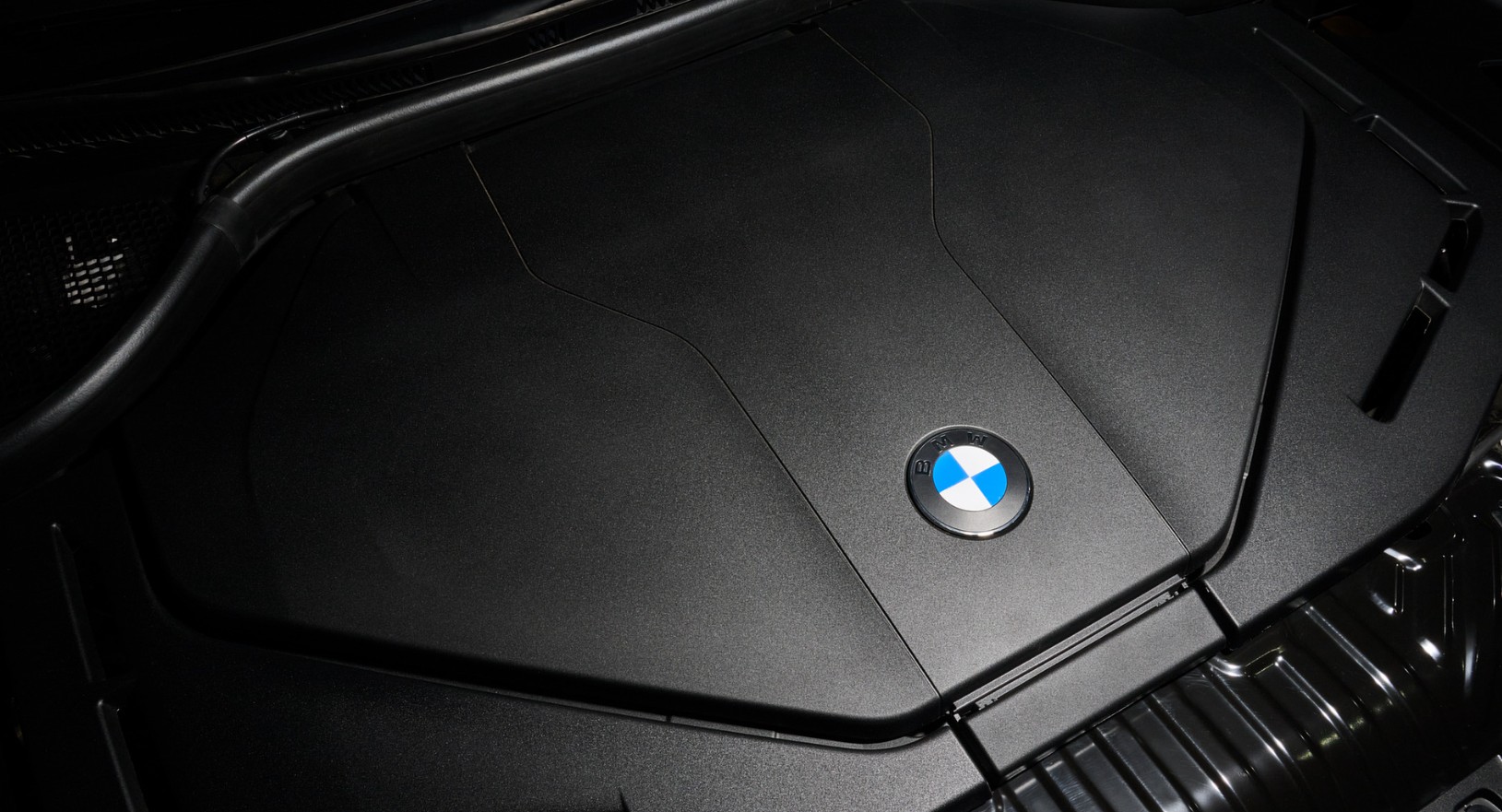
Charging convenience should also improve. BMW’s current U.S. information states that the 2027 X5 50e xDrive can charge from zero to 100 percent in about three hours using an 11-kW BMW Wallbox. That provides a practical overnight or home-based charging solution and makes the plug-in hybrid significantly more useful for owners with short daily commutes. A future update could further improve charging management through better thermal control, smarter scheduling, and software that automatically prioritizes electric driving in urban areas. The ultimate goal is to make the PHEV behave like an electric vehicle during routine local travel while retaining gasoline-powered long-distance flexibility.
Performance should remain a major part of the X5 identity. Even the regular models need enough power to merge confidently, pass on highways, tow substantial loads, and remain composed when fully occupied. Higher versions such as an M Performance model would continue to emphasize acceleration, adaptive suspension, stronger brakes, and sharper steering. BMW’s performance division is also exploring increasingly sophisticated electrified systems, so the longer-term X5 family could eventually offer an electric performance derivative with instantaneous torque and advanced all-wheel-drive control. Regardless of powertrain, the ideal 2027 X5 should deliver strong straight-line performance without sacrificing ride comfort or high-speed refinement.
2027 BMW X5 Fuel Economy
Fuel economy will depend heavily on the selected powertrain. The gasoline xDrive40 should remain the logical choice for buyers seeking a balance between performance and operating simplicity, while the plug-in hybrid xDrive50e should deliver its greatest efficiency advantage when regularly charged and driven on shorter journeys. The PHEV can operate in electric mode when sufficient battery energy is available, while Hybrid Eco Pro is designed to support more efficient driving behavior. Actual fuel consumption and electric range will vary significantly according to temperature, traffic, wheel selection, driving style, payload, and charging habits.
The trim structure should continue to provide several clear paths through the X5 lineup. A core xDrive40 would likely target buyers seeking a refined all-purpose luxury SUV, while the xDrive50e would appeal to customers wanting electrification without giving up gasoline-powered range. An M Sport package can add a more aggressive visual identity and chassis equipment, while an M Performance model would sit higher with substantially stronger acceleration and dynamic hardware. Pricing should rise with technology and equipment, so buyers should expect the top trims to move well beyond the entry point of the range. For the 2027 model year, the X5 is already referenced in BMW USA materials, meaning 2027 availability is more than a purely speculative model-year discussion; exact market-specific pricing and launch dates should still be confirmed by BMW before purchase decisions are made. 2027 BMW X5 Redesign
2027 BMW X5 Safety Features
Safety technology will remain a major selling point for the 2027 BMW X5. The SUV should offer an extensive collection of active driver-assistance systems, potentially including forward collision warning, automatic emergency braking, lane-departure assistance, blind-spot monitoring, adaptive cruise control, traffic-sign recognition, parking assistance, and surround-view camera technology. BMW already offers advanced highway-assistance functionality on X5 variants, with the company noting that its Highway Assistant can provide hands-free assistance at speeds up to 85 mph on controlled-access highways in applicable configurations. The driver must continue to monitor the road and remain responsible for vehicle operation.
2027 BMW X5 Release Date & Price
The 2027 X5 should also improve passive protection through continued development of crash structures, restraint systems, airbags, and occupant monitoring. Advanced assistance should not replace the fundamentals of a strong body structure and predictable handling. A well-calibrated xDrive system, high-quality tires, responsive brakes, stable suspension, and excellent visibility all contribute to accident avoidance. BMW can further improve safety through better sensor integration and software that understands traffic situations earlier, while allowing the driver to remain in control rather than making the vehicle feel detached from the road.
Conclusion
The 2027 BMW X5 has the opportunity to strengthen one of the most successful luxury SUV formulas in the market without abandoning the characteristics that made the nameplate important. The next stage should combine sophisticated styling, a more advanced digital cabin, improved suspension control, intelligent all-wheel drive, stronger electrification, and a broader collection of safety technology. The result should remain unmistakably BMW: comfortable enough for long journeys, powerful enough for demanding highway driving, practical enough for family use, and technically capable enough to maintain a strong performance identity.
Powertrain diversity will be central to that strategy. The gasoline-powered X5 remains attractive for buyers who prioritize immediate long-distance usability, while the xDrive50e provides a compelling middle ground between traditional combustion and full electric ownership. Its ability to charge at home and operate in electric mode for suitable trips makes it particularly relevant as fuel costs, emissions regulations, and urban restrictions continue to influence purchasing decisions. BMW’s broader electrification program also indicates that the X5 family is likely to become increasingly sophisticated rather than simply adding larger batteries to an existing vehicle.
The 2027 BMW X5 should also remain one of the more practical choices in its class. Strong towing capability, a spacious cabin, flexible cargo capacity, available all-wheel drive, and long-distance comfort give it advantages that cannot be measured by horsepower or acceleration alone. BMW’s published 2027 xDrive40 towing capacity of up to 7,710 pounds reinforces that practical capability, giving the SUV genuine utility alongside its luxury positioning.
Ultimately, the 2027 BMW X5 should be viewed as an important step in BMW’s transition toward a more electrified and software-driven luxury vehicle range. The strongest version will not be the one with the largest screen, highest horsepower figure, or most complicated technology package. It will be the X5 that integrates those advances without losing its driving character. If BMW succeeds in balancing efficiency with performance, digital innovation with usability, and luxury with practical capability, the 2027 X5 can remain a benchmark premium SUV while preparing the nameplate for the next generation of automotive technology.
Note: The details included in this blog post are derived from pre-release material that was accessible when the article was written. If you want the latest information, you should check official sources or call your nearest dealership.
Read Also:
- 2027 BMW M3 Touring Redesign, Price, Configurations
- 2027 BMW 530e iPerformance Price, Specs, Interior
- 2027 BMW M340i Sedan Review, Dimensions, Specs
- 2027 BMW X5 Release Date, Features, Performance
- 2027 BMW 4 Series Convertible Specs, Price, Release Date
Frequently Asked Questions
2027 BMW X5 Redesign, Price, Configurations - The 2027 BMW X5 stands at an important point in the evolution of BMW’s luxury SUV range. Rather than treating the new model year as a simple equipment update, the X5 can be viewed as a bridge between BMW’s established combustion-powered…
BMW’s current U.S. information already references a 2027 X5 xDrive40 and a 2027 X5 xDrive50e, confirming that the X5 nameplate is continuing into the 2027 model year. The xDrive40 is listed at 197.2 inches long, 78.7 inches wide, and 68.9 inches tall, while the 2027 xDrive40 can tow…
The 2027 BMW X5 also arrives during a period when BMW is changing the technological character of its vehicles. Neue Klasse development is pushing the brand toward a more digital, electrified, and software-driven product strategy, while the existing X5 continues to demonstrate the advantages of conventional engines and…
For buyers, the most important aspect is that the X5 should remain recognizable as a BMW rather than becoming simply another technology-heavy luxury SUV. The driving position, rear-biased handling character, strong acceleration, high-speed stability, premium materials, and extensive customization options remain central to the vehicle’s appeal. The 2027…
Fuel economy will depend heavily on the selected powertrain. The gasoline xDrive40 should remain the logical choice for buyers seeking a balance between performance and operating simplicity, while the plug-in hybrid xDrive50e should deliver its greatest efficiency advantage when regularly charged and driven on shorter journeys. The PHEV can operate in electric mode when sufficient battery energy is available, while Hybrid Eco Pro is designed to support more efficient driving behavior. Actual fuel consumption and electric range will vary significantly according to temperature, traffic, wheel selection, driving style, payload, and charging habits.