2027 Lexus UX 300h Redesign, Configurations, Interior – The 2027 Lexus UX 300h is positioned to become an important evolution of Lexus’ compact luxury crossover strategy, combining a premium urban-friendly footprint with the efficiency of a sophisticated self-charging hybrid system. The UX 300h already occupies a distinctive position because it does not attempt to compete purely through size or brute-force performance. Instead, its appeal comes from a low center of gravity, distinctive styling, compact dimensions, quiet operation, upscale cabin appointments, and impressive fuel economy. For the 2027 model year, the strongest path would be to preserve that character while introducing sharper technology, improved cabin usability, additional refinement, and carefully targeted design changes.
The latest officially documented UX 300h provides an excellent foundation for predicting the next stage. For 2026, Lexus continued the fifth-generation hybrid system introduced for the 2025 model year, producing 196 total system horsepower from a 2.0-liter four-cylinder engine and electric motors. The system uses a lightweight lithium-ion battery and a new hybrid transaxle, while buyers can choose front-wheel drive or Lexus E-Four all-wheel drive. Lexus quotes manufacturer-estimated 0-to-60-mph times of 8.0 seconds for FWD and 7.9 seconds for AWD, showing that the UX 300h prioritizes responsive everyday performance without abandoning efficiency.
The 2027 Lexus UX 300h should therefore be approached as a forward-looking model rather than a vehicle whose final specifications are already confirmed. Lexus has not published a complete official 2027 UX 300h specification sheet at the time of writing, so projected changes should not be confused with factory-confirmed equipment. The most logical development path would involve an evolution of the existing hybrid architecture, greater integration of Lexus’ latest safety and connectivity technologies, and a more contemporary interpretation of the UX exterior and interior. That approach would keep the crossover recognizable while making it more competitive against premium hybrid rivals.
From a buyer’s perspective, the UX 300h has several qualities that remain highly relevant. It is small enough for crowded city streets and parking spaces, yet it offers a raised driving position and a premium cabin that separates it from conventional compact hatchbacks. Its hybrid system reduces the need for frequent fuel stops, while available AWD adds confidence in slippery conditions. The 2027 model could strengthen this formula with a more advanced infotainment experience, improved sound insulation, refined suspension calibration, enhanced driver assistance, and potentially a modest increase in hybrid output. The result would be a compact Lexus designed around efficiency without feeling stripped down or overly utilitarian. 2027 Lexus UX 300h Redesign
2027 Lexus UX 300h Redesign and Update Plan
Exterior & Interior
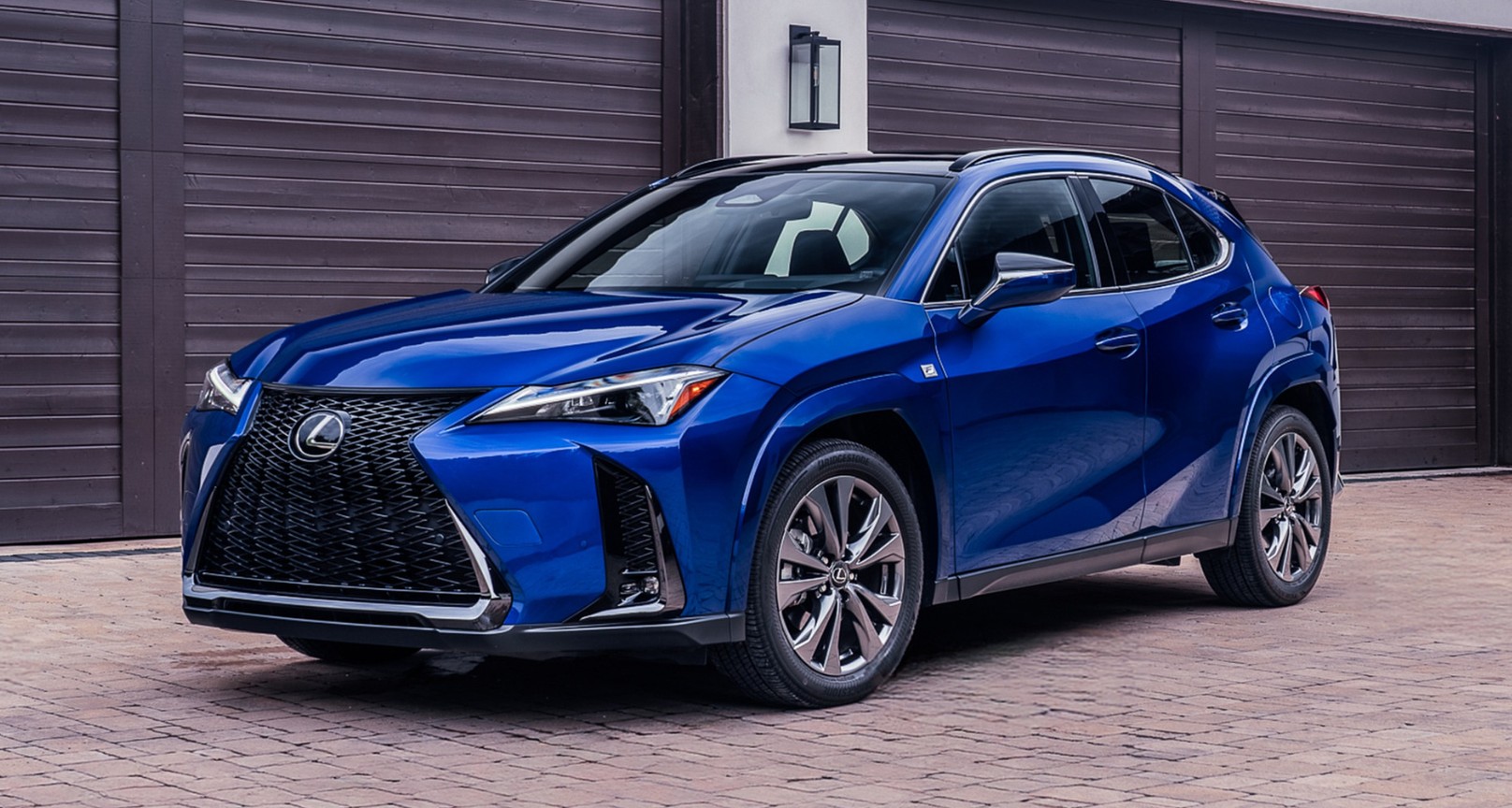
The exterior of the 2027 Lexus UX 300h should maintain the model’s distinctive proportions while giving the crossover a more contemporary appearance. The current UX already uses dramatically flared front and rear fenders, large wheels positioned close to the corners, a pronounced spindle grille, and sculpted body surfaces. Those elements create a more athletic visual presence than the vehicle’s compact dimensions might suggest. The next model could sharpen those forms with cleaner creases, slimmer lighting units, revised bumpers, and more carefully integrated aerodynamic components. The objective would be a vehicle that looks expensive and purposeful without becoming excessively aggressive.
Wheel and tire design could also receive additional attention. The current 2026 UX 300h uses standard 18-inch run-flat tires, with different alloy-wheel treatments separating Base, Premium, and F SPORT models. F SPORT versions receive split-five-spoke wheels and additional visual distinctions. For 2027, Lexus could introduce new wheel patterns designed specifically around aerodynamic efficiency, particularly on non-F SPORT versions. F SPORT models could use darker finishes and more aggressive designs, while premium versions might receive machined detailing. This would allow customers to personalize the crossover without requiring a major change to the underlying body structure.
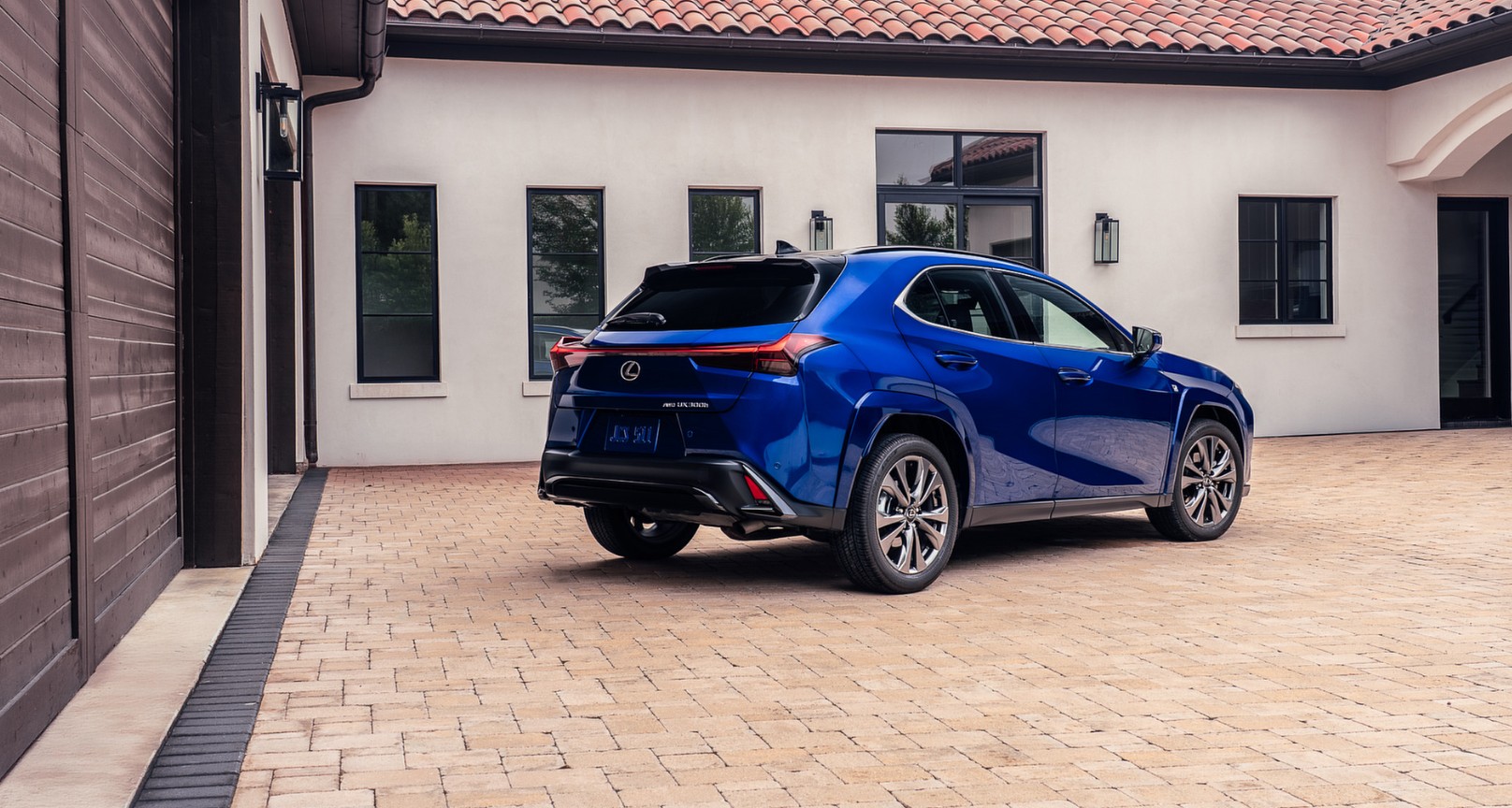
The rear of the UX 300h could receive an even more subtle but effective redesign. The current vehicle uses Aero Stabilizing Blade Lights extending across the rear, with 120 LEDs forming a distinctive nighttime signature. Lexus designed this system not only for appearance but also to influence airflow around the rear of the vehicle. The 2027 model could develop that idea with a thinner full-width lighting treatment, a cleaner tailgate design, and revised bumper geometry. A carefully shaped roof spoiler and flatter underbody could continue supporting aerodynamic performance, low wind noise, and fuel efficiency.
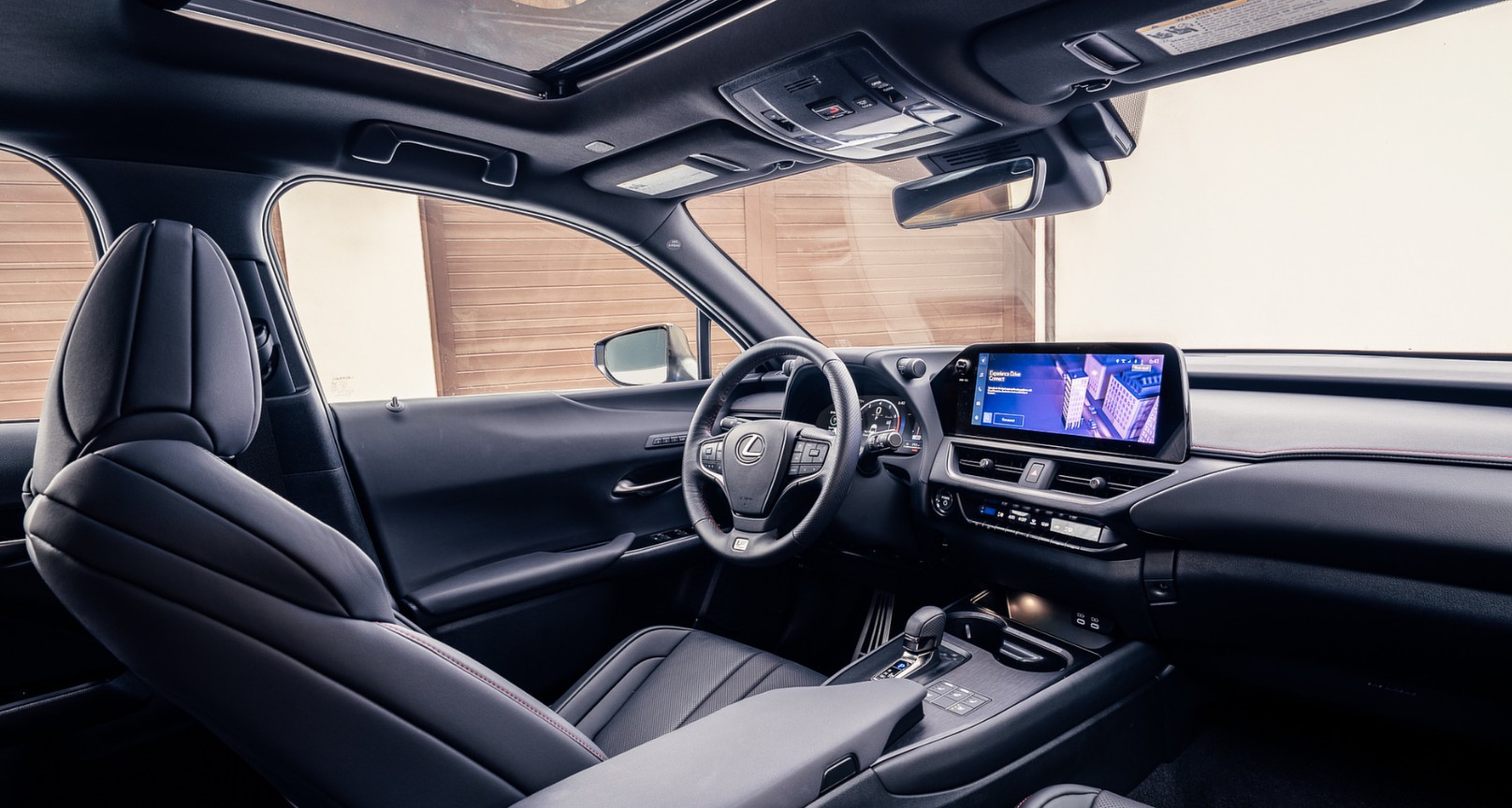
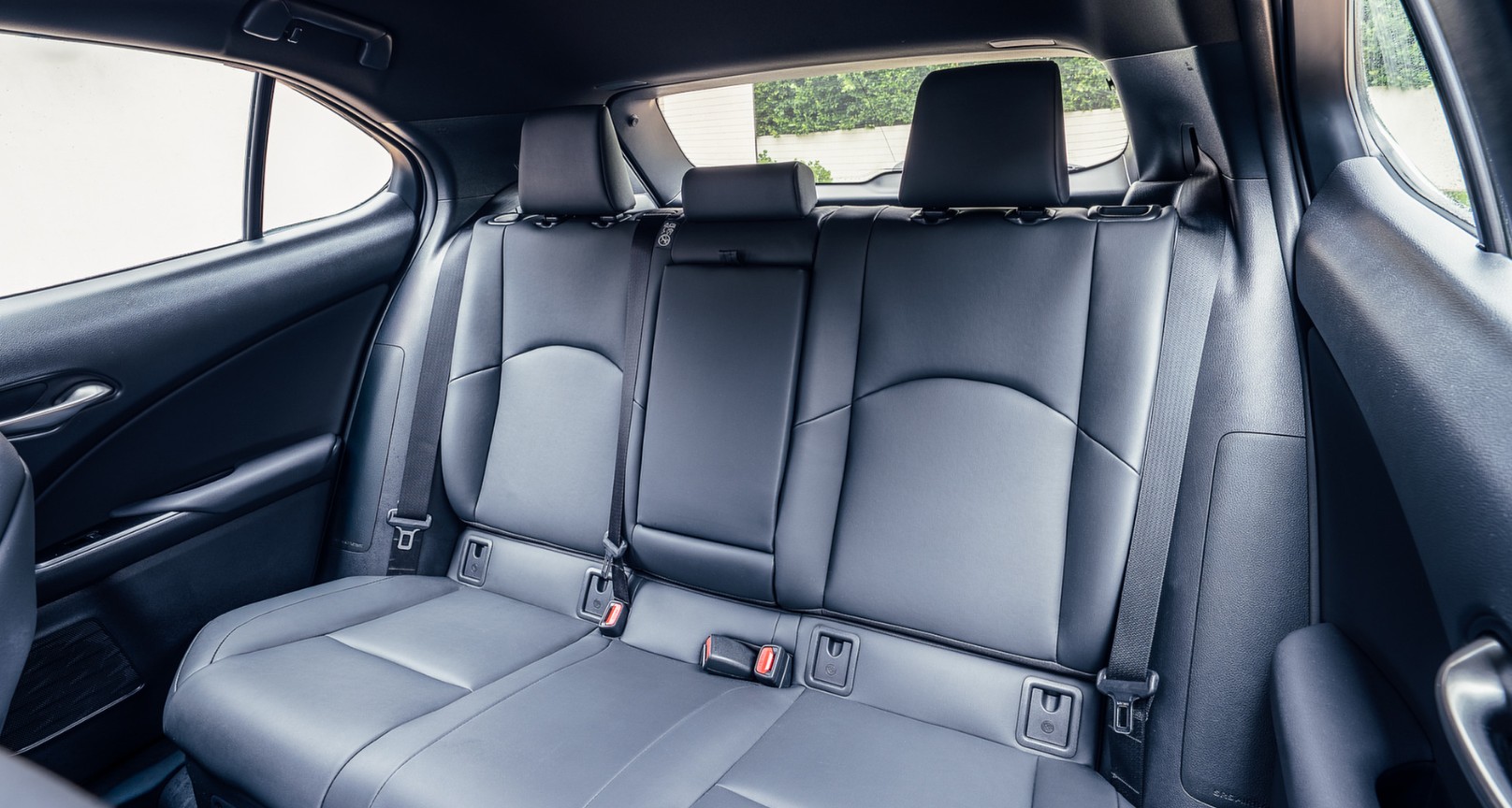
Inside, the 2027 Lexus UX 300h should continue emphasizing a driver-focused layout with premium materials and a compact footprint. The current cabin uses a low instrument panel, slim A-pillars, 8-way power-adjustable front seats, available heated and ventilated seats, and Japanese-inspired washi-style trim on several versions. Premium models already add convenience equipment such as a moonroof, rain-sensing wipers, and a power rear door with kick sensor. The next model could improve seat cushioning, rear-seat comfort, storage compartments, ambient lighting, acoustic insulation, and material quality while preserving the cabin’s relatively intimate atmosphere.
The redesign strategy for the 2027 Lexus UX 300h should focus on refinement rather than a complete departure from the current vehicle. Lexus has already given the UX 300h a significant mechanical upgrade with its fifth-generation hybrid system, so the next logical step would be to refresh the areas customers interact with most frequently. A sharper front fascia, revised lighting, new wheel designs, improved aerodynamic detailing, and a more sophisticated cabin interface could give the crossover a stronger visual identity without sacrificing the compact proportions that make it appealing in urban environments.
The front end could receive the most noticeable changes. Lexus’ spindle grille has already evolved considerably across the company’s newest products, and the UX could adopt a cleaner interpretation with more integrated lighting and a less visually busy bumper. Slimmer LED headlights and a more distinctive daytime-running-light signature could give the crossover a sharper appearance. Active grille shutters and carefully revised airflow channels could also improve aerodynamic efficiency. Such changes would be particularly useful for a hybrid vehicle because reducing aerodynamic drag can contribute to both fuel economy and high-speed refinement.
Underneath the body, the 2027 UX 300h could benefit from additional chassis tuning. The current UX uses a MacPherson-strut front suspension and trailing-arm double-wishbone rear arrangement, while Lexus uses high-strength steel, adhesives, laser screw welding, aluminum body panels, and composite materials to support rigidity and a low center of gravity. Lexus quotes a 23.4-inch center of gravity for the current UXh. A future model could build on this architecture with revised dampers, updated steering software, improved bushing characteristics, and more precise suspension calibration.
Technology should represent another major area of the update. The current UX 300h already provides Lexus Interface, wireless Apple CarPlay and Android Auto, available cloud navigation, Intelligent Assistant functionality, Digital Key capability, and multiple USB ports. For 2027, the interface could become faster and more intuitive, with enhanced voice recognition, more sophisticated navigation, improved smartphone integration, and broader remote vehicle functions. The emphasis should remain on usability. A compact luxury crossover does not need technology for its own sake; it needs systems that work quickly, remain easy to understand, and reduce the amount of attention required to manage routine functions while driving. 2027 Lexus UX 300h Redesign
2027 Lexus UX 300h Specs
Engine & Performance
The powertrain will remain the central selling point of the 2027 Lexus UX 300h. The current fifth-generation Lexus Hybrid System pairs a 2.0-liter inline-four gasoline engine with two motor-generators through a planetary-type continuously variable transmission. A lightweight lithium-ion battery is positioned under the rear seat, while the revised transaxle allows higher output from the electric motors. Combined system output reaches 196 horsepower, which represents a substantial increase over the previous UX 250h. For the 2027 model, an outright power increase is possible, but greater refinement and improved efficiency may be more valuable than simply chasing a larger horsepower figure.
A future UX 300h could receive software and thermal-management improvements that make the existing powertrain feel more responsive. Better calibration of the accelerator pedal, electric-motor deployment, regenerative braking, and engine start-stop behavior could make acceleration smoother and more immediate. The hybrid system could also become quieter under hard acceleration through improved insulation and revised engine-control strategies. The objective should be a powertrain that feels naturally responsive in city traffic, confident during highway merging, and smooth during repeated transitions between electric and gasoline operation.
All-wheel drive should remain an important part of the lineup. Lexus’ E-Four system uses a permanent synchronous motor at the rear axle, allowing near-instantaneous rear-wheel drive force when additional traction is required during acceleration or low-grip situations. Unlike a traditional mechanical AWD system, this arrangement does not require a conventional driveshaft connecting the front and rear axles. For the 2027 UX 300h, software could make the system even more predictive by improving torque allocation according to wheel slip, steering angle, throttle position, road conditions, and vehicle speed.
Performance should remain balanced rather than extreme. The current UX 300h reaches 60 mph in an estimated 8.0 seconds with FWD and 7.9 seconds with AWD, which is sufficient for normal urban and highway driving but clearly places the crossover in the efficiency-focused portion of the luxury market. A 2027 version could potentially improve those figures through better motor response, reduced weight, and software optimization. More importantly, Lexus should preserve the UX’s low center of gravity and agile suspension tuning so that the crossover remains composed through corners. The ideal upgrade would make the vehicle feel quicker and more confident without turning it into an unnecessarily firm performance crossover.
2027 Lexus UX 300h Fuel Economy
Fuel economy is one of the biggest reasons to consider the UX 300h instead of a conventional luxury crossover. Lexus currently lists a manufacturer-estimated combined rating of 43 mpg for FWD and 41 mpg for AWD on the 2026 UX 300h. Earlier Lexus specifications also show 45/41/43 mpg city/highway/combined for FWD and 44/40/42 mpg for AWD under the cited EPA estimates, illustrating the vehicle’s strong efficiency relative to many gasoline-powered premium crossovers. The 2027 model could potentially improve these numbers through aerodynamic refinement, low-friction components, software optimization, and more effective energy recovery, although final EPA ratings would need official confirmation. 2027 Lexus UX 300h Redesign
2027 Lexus UX 300h Safety Features
Safety should remain a major strength of the 2027 Lexus UX 300h. The latest model already includes Lexus Safety System+ 3.0 as standard, bringing together Pre-Collision System with Pedestrian Detection, All-Speed Dynamic Radar Cruise Control, Lane Tracing Assist, Lane Departure Alert with Steering Assist, Road Sign Assist, and Proactive Driving Assist. The system also incorporates newer functions such as Risk Avoidance Emergency Steer Assist and left-turn oncoming-vehicle detection and braking under specified operating conditions. A future UX 300h could further improve these capabilities through enhanced cameras, radar processing, software refinement, and more accurate object recognition.
Additional safety and convenience features should include technologies such as Safe Exit Alert, blind-spot monitoring, rear cross-traffic alert, parking assistance, and a surround-view camera system depending on trim and package selection. The next generation could also provide more sophisticated highway assistance and parking automation. Lexus should continue maintaining an important distinction between driver assistance and autonomous driving. These systems are intended to support the driver rather than replace attention behind the wheel. The most effective safety package is therefore one that reduces workload while keeping the driver clearly informed about what the vehicle is doing.
2027 Lexus UX 300h Release Date & Price
Trim strategy should continue to give buyers several distinct ways to configure the UX 300h. The latest U.S. lineup includes Base, Premium, F SPORT Design, and F SPORT Handling grades, with both FWD and AWD configurations available. For reference, 2026 MSRP including the listed $1,395 delivery, processing, and handling fee starts at $38,850 for the UX 300h, $42,120 for Premium, $42,685 for F SPORT Design, and $47,270 for F SPORT Handling; AWD versions range from $40,420 to $48,850. A 2027 model would likely command a modest increase if additional equipment is introduced, potentially placing the entry model around the upper-$30,000 to low-$40,000 range and highly equipped F SPORT versions around or above $50,000. These are projections, not confirmed 2027 pricing.
The release schedule requires similar caution. Lexus has officially documented the 2026 UX 300h, but final 2027 U.S. launch timing, specifications, MSRP, and trim availability should be treated as unconfirmed until Lexus publishes its 2027 model information. If Lexus follows its established annual product cadence, a 2027 UX 300h could be introduced during the 2026 calendar year, with sales beginning before or during the 2027 model year depending on market. The most likely strategy would be a carryover of the proven 196-hp hybrid system accompanied by targeted technology, color, equipment, and appearance changes. A more comprehensive redesign would require a separate Lexus announcement and should not be assumed simply from the 2027 model-year designation.
Conclusion
The 2027 Lexus UX 300h has a strong opportunity to build on an already convincing compact luxury hybrid formula. The current vehicle delivers 196 horsepower, an efficient fifth-generation hybrid system, available E-Four all-wheel drive, a low center of gravity, distinctive styling, and fuel economy that reaches a manufacturer-estimated 43 mpg combined in FWD form. Rather than radically changing those fundamentals, Lexus can concentrate on the areas most likely to influence the ownership experience: cabin technology, acoustic refinement, suspension tuning, exterior detailing, safety software, and everyday convenience.
The powertrain is particularly well suited to the UX’s mission. The combination of a 2.0-liter four-cylinder engine, electric motors, lithium-ion battery, and electronically controlled CVT produces the smooth response expected from a Lexus while avoiding the fuel consumption associated with many conventional luxury crossovers. AWD adds another layer of versatility, while the compact dimensions make the UX 300h easier to maneuver in crowded urban areas. A future model with improved calibration and even stronger energy management could become more efficient without requiring an entirely new mechanical architecture.
The cabin should also remain one of the 2027 model’s most important selling points. Lexus has already introduced a stronger technology package, including Lexus Interface, wireless smartphone integration, available cloud navigation, Digital Key, larger digital displays on higher grades, and an extensive standard safety package. Future improvements should focus on making these technologies faster and easier to use rather than simply adding more features. Premium materials, supportive seats, improved noise isolation, and thoughtful storage would help maintain the refined character buyers expect from the Lexus name.
Ultimately, the 2027 Lexus UX 300h should continue to occupy a useful space between a premium hatchback and a compact luxury SUV. It does not need to become the fastest crossover in its segment or the largest vehicle in the Lexus lineup. Its advantage comes from balance: efficient hybrid performance, compact dimensions, distinctive design, premium appointments, available AWD, and strong safety technology. If Lexus applies targeted improvements while retaining those strengths, the 2027 UX 300h could remain a highly competitive choice for buyers seeking a stylish, economical, and genuinely upscale hybrid crossover.
Note: The details included in this blog post are derived from pre-release material that was accessible when the article was written. If you want the latest information, you should check official sources or call your nearest dealership.
Read Also:
- 2027 Lexus GS 350 F-Sport Redesign, Specs, Dimensions
- 2027 Lexus RC Coupe Review, Specs, Price
- 2027 Lexus LS Release Date, Features, Changes
- 2027 Lexus RZ 450e Specs, Interior, Engine
- 2027 Lexus RX Release Date, Changes, Price
Frequently Asked Questions
2027 Lexus UX 300h Redesign, Configurations, Interior - The 2027 Lexus UX 300h is positioned to become an important evolution of Lexus’ compact luxury crossover strategy, combining a premium urban-friendly footprint with the efficiency of a sophisticated self-charging hybrid system. The UX 300h already occupies a distinctive position…
The latest officially documented UX 300h provides an excellent foundation for predicting the next stage. For 2026, Lexus continued the fifth-generation hybrid system introduced for the 2025 model year, producing 196 total system horsepower from a 2.0-liter four-cylinder engine and electric motors. The system uses a lightweight lithium-ion…
The 2027 Lexus UX 300h should therefore be approached as a forward-looking model rather than a vehicle whose final specifications are already confirmed. Lexus has not published a complete official 2027 UX 300h specification sheet at the time of writing, so projected changes should not be confused with…
From a buyer’s perspective, the UX 300h has several qualities that remain highly relevant. It is small enough for crowded city streets and parking spaces, yet it offers a raised driving position and a premium cabin that separates it from conventional compact hatchbacks. Its hybrid system reduces the…
2027 Lexus UX 300h Redesign and Update Plan Exterior & Interior The exterior of the 2027 Lexus UX 300h should maintain the model’s distinctive proportions while giving the crossover a more contemporary appearance. The current UX already uses dramatically flared front and rear fenders, large wheels positioned close…