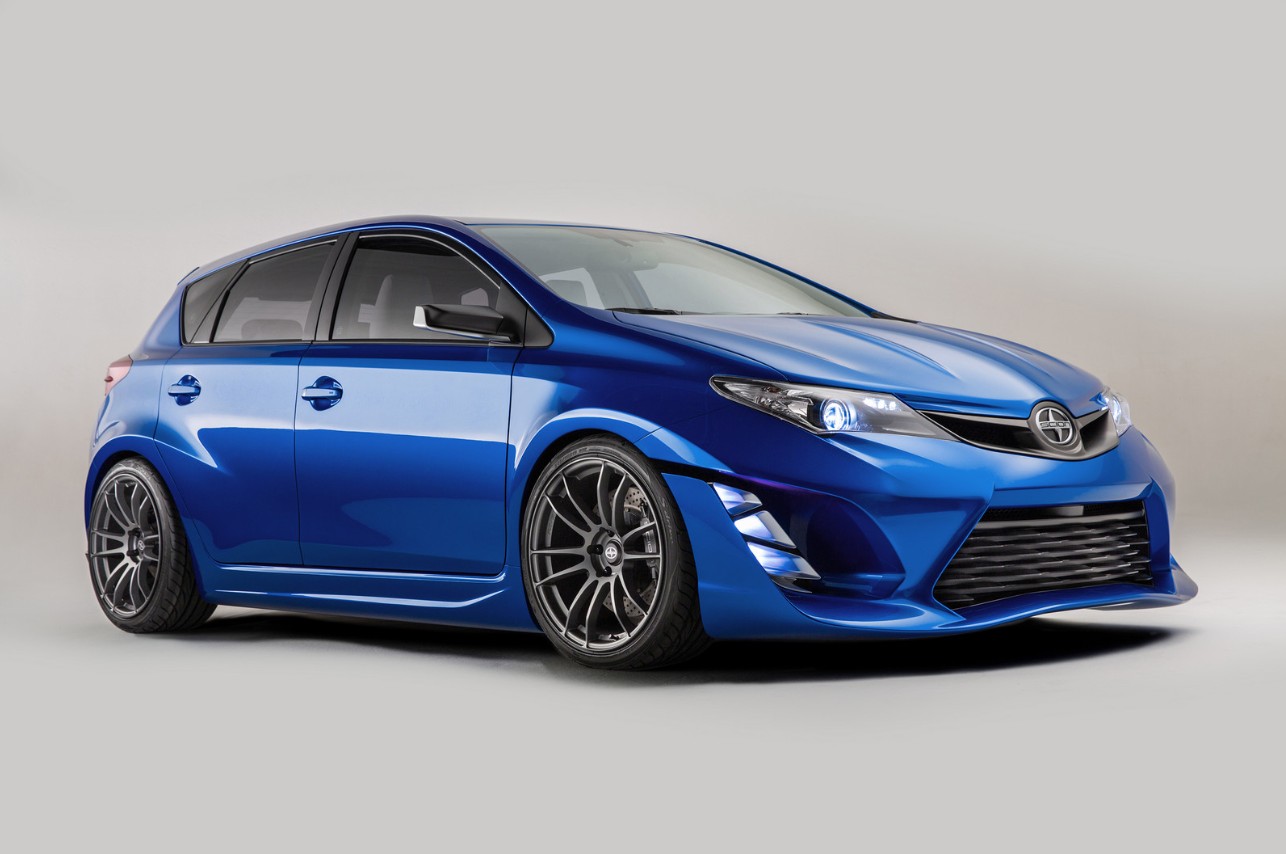
2027 Scion iM Release Date, Price, Specs – The 2027 Scion iM is an intriguing name for anyone who remembers the short-lived Scion brand and its practical compact hatchback lineup. The iM was introduced in the United States as a sporty five-door hatchback based on Toyota’s international Auris, offering buyers a combination of youthful styling, useful cargo space, straightforward engineering, and an affordable price. Scion was discontinued after the 2016 model year, with several products transitioning into the Toyota lineup. Because of that history, there is currently no officially confirmed 2027 Scion iM. Still, the idea of bringing back the name as a modern compact hatchback is attractive, particularly as demand grows for efficient, affordable vehicles with more personality than conventional economy cars.
A hypothetical New 2027 Scion iM would need to be substantially different from the original model. Modern buyers expect hybrid efficiency, sophisticated driver-assistance technology, smartphone connectivity, better interior materials, and stronger safety equipment. A revived iM could potentially use Toyota’s latest compact-car architecture and electrified powertrain technology while keeping the lightweight, practical character associated with the original hatchback. The result could be positioned as an affordable alternative to larger SUVs and as a more youthful companion to Toyota’s mainstream compact models.
The most logical update strategy would focus on simplicity, efficiency, and driving enjoyment rather than turning the iM into an expensive performance car. A modern Scion revival could use a naturally aspirated or hybrid four-cylinder engine, front-wheel drive, and an electronically controlled continuously variable transmission. A sportier version could potentially receive a more responsive suspension, larger wheels, upgraded brakes, and unique exterior styling. The emphasis would remain on creating an affordable daily driver that looks exciting without carrying the high price of a premium performance vehicle.
The potential return of Scion also raises an important question about Toyota’s current brand strategy. Scion was originally created to attract younger buyers with unconventional styling, accessible prices, and products that felt different from traditional Toyota vehicles. If the name were revived for 2027, the iM could serve a similar role with modern technology and electrification. However, Toyota has not announced plans to revive the Scion brand or launch a 2027 iM, so all future specifications, pricing, trims, and release information remain speculative. 2027 Scion iM Release Date
2027 Scion iM Redesign and Update Plan
Exterior & Interior
The exterior of a hypothetical 2027 Scion iM could retain the practical five-door hatchback shape while adopting a much more modern design. The original iM had a relatively conservative profile compared with today’s compact hatchbacks, so a new model would likely feature sharper lines, a lower-looking roofline, distinctive LED lighting, and more sculpted bodywork. The proportions could remain compact enough for urban driving while offering enough cabin and cargo space for everyday practicality.
The front fascia could become one of the most recognizable parts of the redesigned iM. Instead of the original model’s conventional grille, a new version could use a compact grille opening surrounded by slim LED headlights and functional aerodynamic elements. If Toyota chose a hybrid powertrain, the front design could be partially closed to improve aerodynamic efficiency. A sport package could add a more aggressive lower bumper, larger air curtains, black exterior accents, and a unique front splitter.
From the side, the 2027 iM could combine short overhangs with a long cabin and pronounced shoulder line. Lightweight alloy wheels could range from approximately 17 to 19 inches depending on trim. Higher versions could receive sportier tires, darker window trim, and a lower suspension setup. A selection of bold paint colors would also fit the original Scion philosophy, which emphasized personalization and youthful styling. A modern iM should look distinctive without becoming excessively complicated or expensive to manufacture.
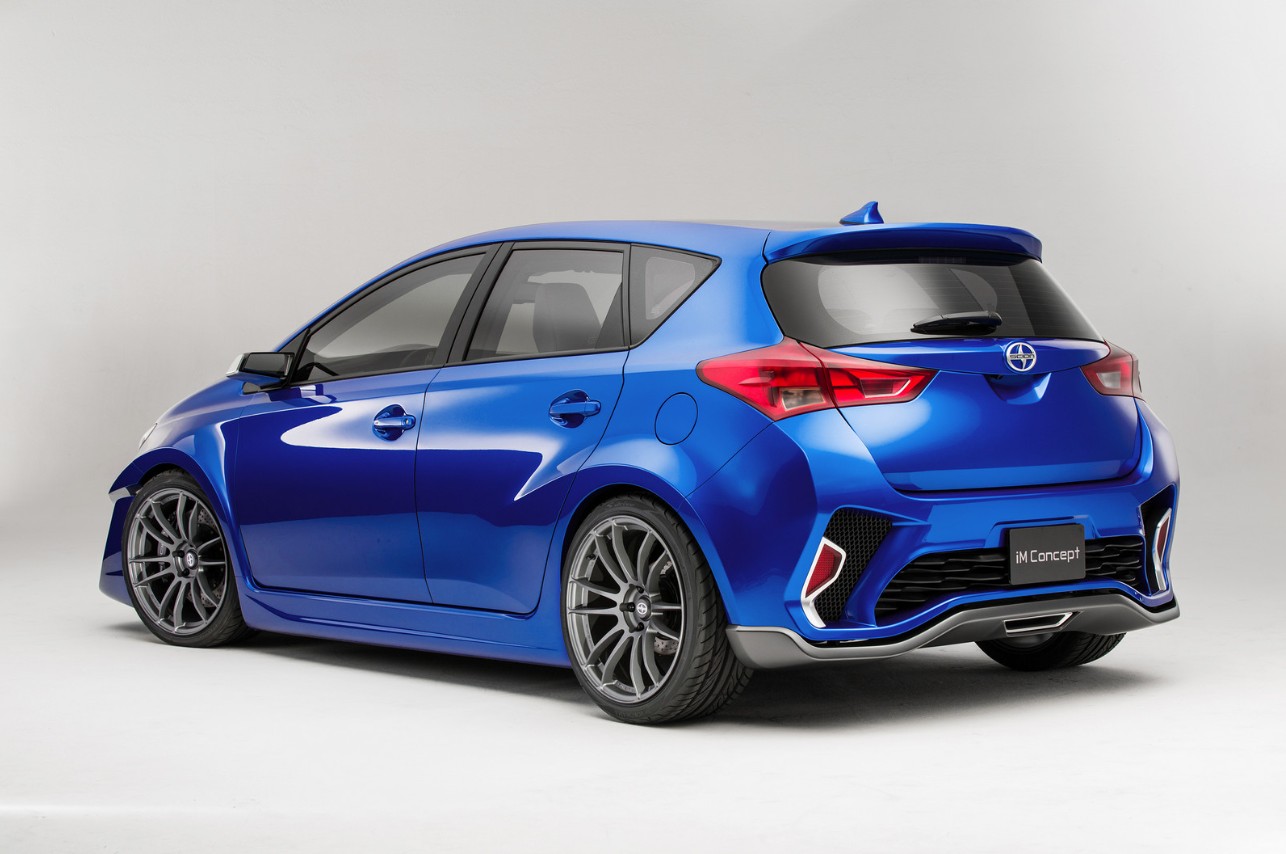
The rear could feature a full-width lighting signature or slim horizontal LED taillights, depending on Toyota’s final design direction. A roof spoiler could improve the sporty appearance while providing a practical aerodynamic function. The hatchback configuration would remain essential because cargo flexibility is one of the vehicle’s strongest advantages over traditional sedans. Foldable rear seats could create a large loading area for bicycles, luggage, shopping, or other everyday equipment.
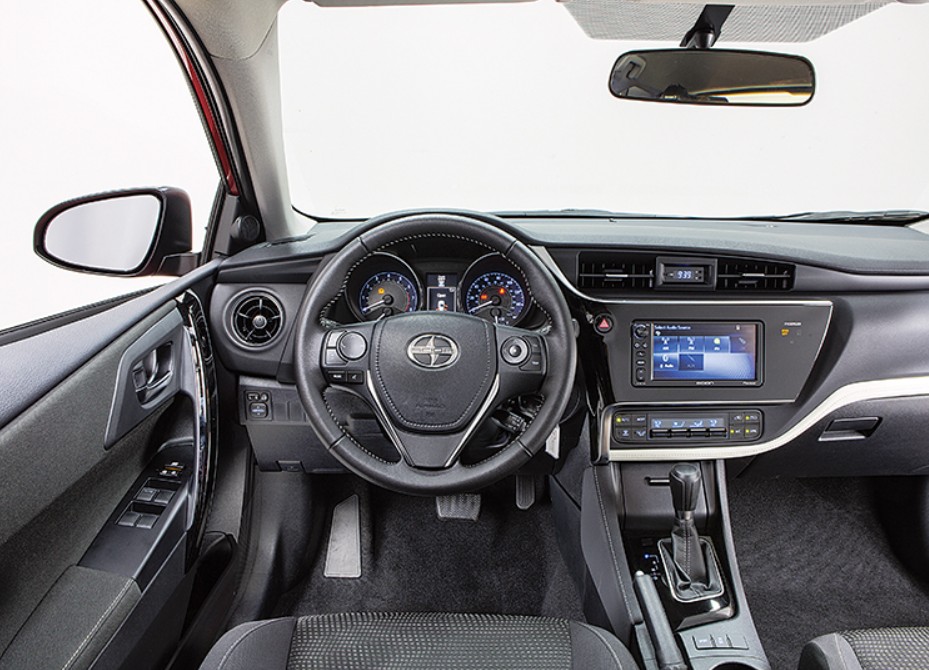
Inside, the 2027 Scion iM interior could focus on intelligent packaging rather than excessive luxury. The cabin would likely use durable materials with soft-touch surfaces in important areas, while higher trims could add synthetic leather upholstery, contrast stitching, and premium trim accents. A clean dashboard design could give the car a more sophisticated appearance without adding unnecessary complexity.
The driver could receive a digital instrument cluster paired with a centrally mounted touchscreen infotainment system. Depending on Toyota’s technology strategy, the system could include wireless Apple CarPlay and Android Auto, voice controls, cloud-based navigation, connected services, and over-the-air software updates. Physical controls for important functions such as climate settings would remain useful because they allow drivers to adjust basic features without navigating through menus.
Front-seat comfort would be another important consideration. A revived iM could use supportive seats with greater lateral bolstering in sport-oriented trims while retaining enough cushioning for long commutes. The compact exterior would not necessarily mean a cramped interior. Intelligent packaging could provide useful rear-seat legroom and headroom, while multiple storage compartments could improve everyday convenience.
Cargo flexibility could remain one of the iM’s biggest selling points. Unlike many small sedans, a hatchback provides easy access to a tall and practical cargo area. Folding the rear seats could significantly expand available storage space. A low cargo floor, under-floor storage, adjustable cargo cover, and wide hatch opening would make the vehicle useful for owners who need more flexibility than a conventional small sedan can provide.
2027 Scion iM Specs
Engine & Performance
The powertrain would determine whether a future 2027 Scion iM could successfully compete in the modern compact market. Toyota has extensive experience with hybrid technology, making an electrified four-cylinder system one of the most logical possibilities for a hypothetical revival. A compact hybrid powertrain could deliver strong low-speed response through electric assistance while maintaining excellent highway efficiency. Front-wheel drive would likely remain the standard configuration because it keeps weight, complexity, and production costs under control.
A conventional gasoline engine could also be offered on an entry-level version. A modern 2.0-liter four-cylinder engine could provide a balance of performance and efficiency, while an electronically controlled CVT would prioritize smooth operation. If Toyota wanted the iM to feel more engaging, transmission programming could simulate stepped gear changes under hard acceleration and provide stronger engine braking during spirited driving.
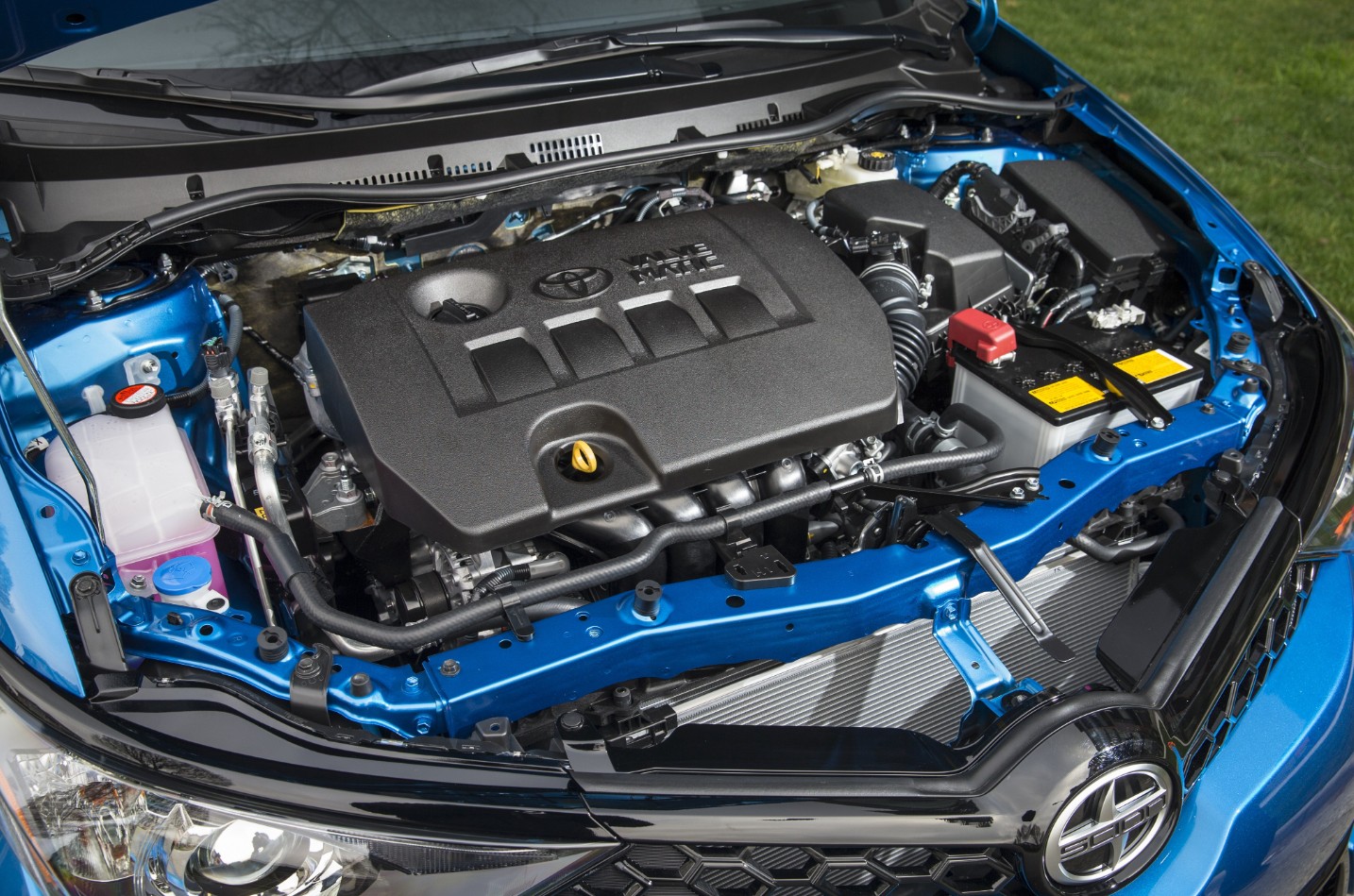
A hybrid version could become the most attractive configuration for buyers focused on fuel savings. Electric motors provide immediate torque, allowing a compact vehicle to feel responsive when leaving traffic lights or merging into busy roads. Hybrid technology would also allow the gasoline engine to shut down during certain driving situations, reducing unnecessary fuel consumption. Regenerative braking would recover energy and return it to the battery rather than wasting all of it as heat.
Performance would likely prioritize agility rather than outright speed. The original iM was not designed as a serious performance hatchback, but a modern successor could offer sharper handling through a stiffer chassis, revised suspension geometry, and more responsive steering. A sport trim could include larger brakes, performance tires, adaptive dampers, and a lower ride height without turning the car into an uncomfortable track-focused machine.
A potential Scion iM sport version could become the enthusiast-oriented model in the lineup. Rather than using an extremely powerful engine, Toyota could focus on reducing weight and improving chassis balance. Approximately 200 horsepower would already provide lively performance in a lightweight compact hatchback, while a hybrid performance configuration could potentially deliver stronger torque without dramatically increasing fuel consumption. 2027 Scion iM Release Date
2027 Scion iM Fuel Economy
Fuel economy would likely be one of the strongest reasons to consider a revived iM. A hybrid model could potentially target fuel economy in the upper-40s or even around 50 mpg combined depending on final weight, aerodynamics, battery technology, and powertrain configuration. A conventional gasoline model would likely deliver lower numbers but could remain competitive within the compact hatchback segment.
The vehicle could also benefit from multiple selectable drive modes. Eco mode could prioritize efficiency by softening accelerator response and maximizing electric operation. Normal mode would provide a balanced setting for daily use, while Sport mode could sharpen throttle response, steering, transmission behavior, and potentially suspension tuning. A custom mode could allow drivers to select individual settings on higher trims.
2027 Scion iM Safety Features
A modern 2027 Scion iM would need significantly more advanced safety equipment than the original model. Toyota’s current safety technology provides a strong foundation for a hypothetical successor. The vehicle could feature a comprehensive suite including automatic emergency braking, pedestrian and cyclist detection, adaptive cruise control, lane departure warning, lane tracing assistance, and road-sign recognition.
Blind-spot monitoring and rear cross-traffic alert would be particularly useful in a compact hatchback. These systems could provide additional awareness when changing lanes or reversing from crowded parking spaces. Higher trims could add a surround-view camera system that provides a virtual overhead view of the vehicle, making tight parking areas considerably easier to navigate.
The hypothetical iM could also benefit from more advanced highway assistance. Adaptive cruise control could maintain a selected following distance, while lane-centering technology could provide steering assistance on clearly marked roads. Such systems would not replace driver attention, but they could make long-distance commuting less tiring. Toyota could also use improved sensors and cameras to enhance collision avoidance performance in difficult traffic conditions.
The infotainment package would likely differ according to trim. An entry model could use a reasonably sized touchscreen with wireless smartphone connectivity, while higher trims could receive a larger display, upgraded navigation, premium audio, wireless charging, and additional connected services. Multiple USB-C ports would be important for passengers, particularly in a vehicle intended for younger buyers and daily commuters.
A likely trim structure could begin with an iM LE, followed by an iM SE, iM XSE, and potentially a performance-focused iM Sport. The LE could concentrate on affordability and fuel economy, while the SE could add larger wheels and additional convenience features. The XSE could bring premium interior materials and technology, while the Sport could receive chassis upgrades and exclusive styling.
A special launch edition could also make sense if Toyota ever revived the Scion name. A limited model could feature unique paint, exclusive wheels, upgraded interior trim, numbered badging, and additional technology. Such a version could appeal strongly to enthusiasts who remember Scion’s original personality while attracting younger customers interested in limited-production vehicles. 2027 Scion iM Release Date
2027 Scion iM Release Date & Price
Because there is currently no official announcement confirming a 2027 Scion iM, there is no manufacturer-confirmed MSRP. If Toyota ever revived the model as an affordable compact hatchback, competitive pricing would be essential. The original Scion philosophy centered on accessible pricing and straightforward equipment, so a new iM would likely need to remain below the pricing of larger premium vehicles and expensive performance hatchbacks.
A hypothetical 2027 Scion iM price could begin around $25,000 for an entry-level gasoline model, with hybrid versions potentially starting in the upper-$20,000 range. Higher trims could approach $32,000 to $35,000, while a performance-focused version could move beyond that range depending on engine output, suspension equipment, brakes, wheels, and interior technology. These are estimates rather than confirmed prices.
The 2027 Scion iM release date is also unconfirmed. Toyota has not announced plans to bring back Scion as a separate brand or to introduce a new iM. If such a project were approved, development and production could take several years. A future announcement would likely begin with a concept vehicle or design study before production specifications and pricing were revealed.
The market opportunity would nevertheless be interesting. Small hatchbacks have become less common in the United States as consumers have moved toward crossovers, but there is still a group of buyers looking for efficient, affordable, easy-to-park vehicles with practical cargo areas. A modern iM could target those customers while providing a more distinctive alternative to conventional compact cars.
A revived Scion iM would also benefit from Toyota’s reputation for reliability. Combining a proven hybrid system, modern safety technology, practical hatchback packaging, and accessible pricing could produce a vehicle with strong long-term appeal. The biggest challenge would be finding enough market demand to justify production in an era dominated by compact SUVs and crossovers.
Conclusion
The 2027 Scion iM remains an unconfirmed concept rather than an announced production vehicle, but the idea has considerable potential. A modern interpretation could preserve the original iM’s practical hatchback format while adding hybrid efficiency, advanced safety technology, digital connectivity, improved materials, and much sharper styling.
A successful revival would need to keep the formula simple. Affordable pricing, low running costs, useful cargo space, distinctive design, and dependable engineering would matter more than excessive luxury equipment. A hybrid powertrain could make the iM especially attractive to commuters who want excellent fuel economy without moving into a larger crossover.
The possibility of a sport-oriented trim would add another layer of appeal. With sharper suspension tuning, larger brakes, stronger tires, and more aggressive styling, the iM could become an affordable enthusiast hatchback without losing its everyday practicality. That combination could give the vehicle an identity that many mainstream compact cars lack.
For now, there is no confirmed 2027 Scion iM price, engine lineup, trim structure, or release date. Any specifications discussed for a potential revival should therefore be treated as projections rather than official Toyota information. If the Scion name ever returns, however, the iM could be an interesting candidate for a modern comeback—especially if Toyota combines its legendary hybrid technology with the compact hatchback formula that made the original model memorable.
Note: The details included in this blog post are derived from pre-release material that was accessible when the article was written. If you want the latest information, you should check official sources or call your nearest dealership.
Read Also:
Frequently Asked Questions
2027 Scion iM Release Date, Price, Specs - The 2027 Scion iM is an intriguing name for anyone who remembers the short-lived Scion brand and its practical compact hatchback lineup. The iM was introduced in the United States as a sporty five-door hatchback based on Toyota’s international Auris,…
A hypothetical New 2027 Scion iM would need to be substantially different from the original model. Modern buyers expect hybrid efficiency, sophisticated driver-assistance technology, smartphone connectivity, better interior materials, and stronger safety equipment. A revived iM could potentially use Toyota’s latest compact-car architecture and electrified powertrain technology while…
The most logical update strategy would focus on simplicity, efficiency, and driving enjoyment rather than turning the iM into an expensive performance car. A modern Scion revival could use a naturally aspirated or hybrid four-cylinder engine, front-wheel drive, and an electronically controlled continuously variable transmission. A sportier version…
The potential return of Scion also raises an important question about Toyota’s current brand strategy. Scion was originally created to attract younger buyers with unconventional styling, accessible prices, and products that felt different from traditional Toyota vehicles. If the name were revived for 2027, the iM could serve…
2027 Scion iM Redesign and Update Plan Exterior & Interior The exterior of a hypothetical 2027 Scion iM could retain the practical five-door hatchback shape while adopting a much more modern design. The original iM had a relatively conservative profile compared with today’s compact hatchbacks, so a new…