2028 Lexus UX Redesign, Price, Specs – The 2028 Lexus UX would be an interesting prospect for drivers seeking a compact luxury crossover that combines elegant styling, hybrid efficiency, premium cabin materials, and easy maneuverability in crowded cities. The UX has traditionally occupied the entry point of Lexus’s SUV range in several markets, offering a more compact alternative to the Lexus NX and RX. Its combination of a refined driving experience, distinctive exterior details, and an efficient hybrid powertrain has helped it appeal to urban professionals and small households. However, the future of this nameplate is uncertain: Lexus Japan has announced that UX production is scheduled to end in February 2027, and no direct successor has been officially confirmed.
The existing Lexus UX 300h provides a useful starting point for understanding what a future model might need to deliver. Its fifth-generation hybrid system combines a 2.0-liter four-cylinder gasoline engine with electric assistance to produce 196 horsepower in the U.S. specification. The powertrain is designed to balance responsive everyday performance with low fuel consumption, making the crossover suitable for commuting, shopping, and longer weekend journeys. The current UX also offers a choice of front-wheel drive and all-wheel drive in the United States, depending on trim. These established features represent the current model’s strengths, but they should not be mistaken for confirmed specifications of a hypothetical 2028 vehicle.
If Lexus eventually revives the UX name, a future version could require more substantial development than a routine model-year refresh. Buyers increasingly expect advanced driver assistance, seamless smartphone connectivity, efficient powertrains, and cabin technology that feels contemporary throughout the ownership period. A successor might therefore feature revised electronics, a redesigned dashboard, improved hybrid efficiency, or a more extensive electrification strategy. A fully electric version is also conceivable as a product-planning possibility, but Lexus has not confirmed that a 2028 UX will use an electric-only powertrain. Until an official announcement arrives, any discussion of a new generation must remain an informed projection rather than a description of a production-ready vehicle.
For prospective buyers, the most important issue is whether Lexus will introduce a direct replacement or allow the UX nameplate to leave the lineup. The smaller Lexus LBX serves a related role in selected international markets, while the NX offers more space and a broader range of powertrain choices in many regions. Lexus could use these existing models to cover some of the demand previously served by the UX, or it could introduce a new compact crossover later. Neither outcome confirms a 2028 UX. This article therefore examines the design, performance, safety, efficiency, trim possibilities, pricing considerations, and potential release timing of a future model while keeping known information separate from speculation. 2028 Lexus UX Redesign
2028 Lexus UX Redesign and Update Plan
Exterior & Interior
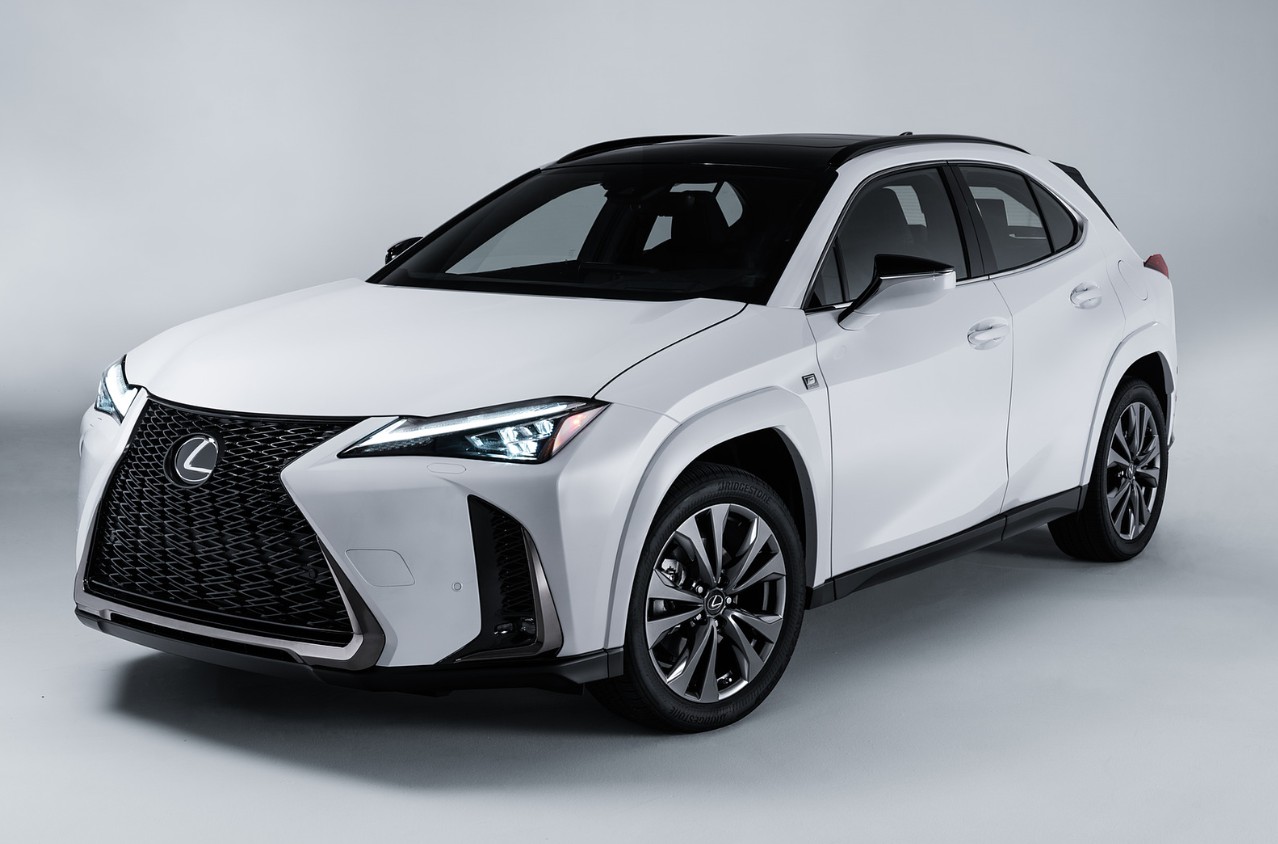
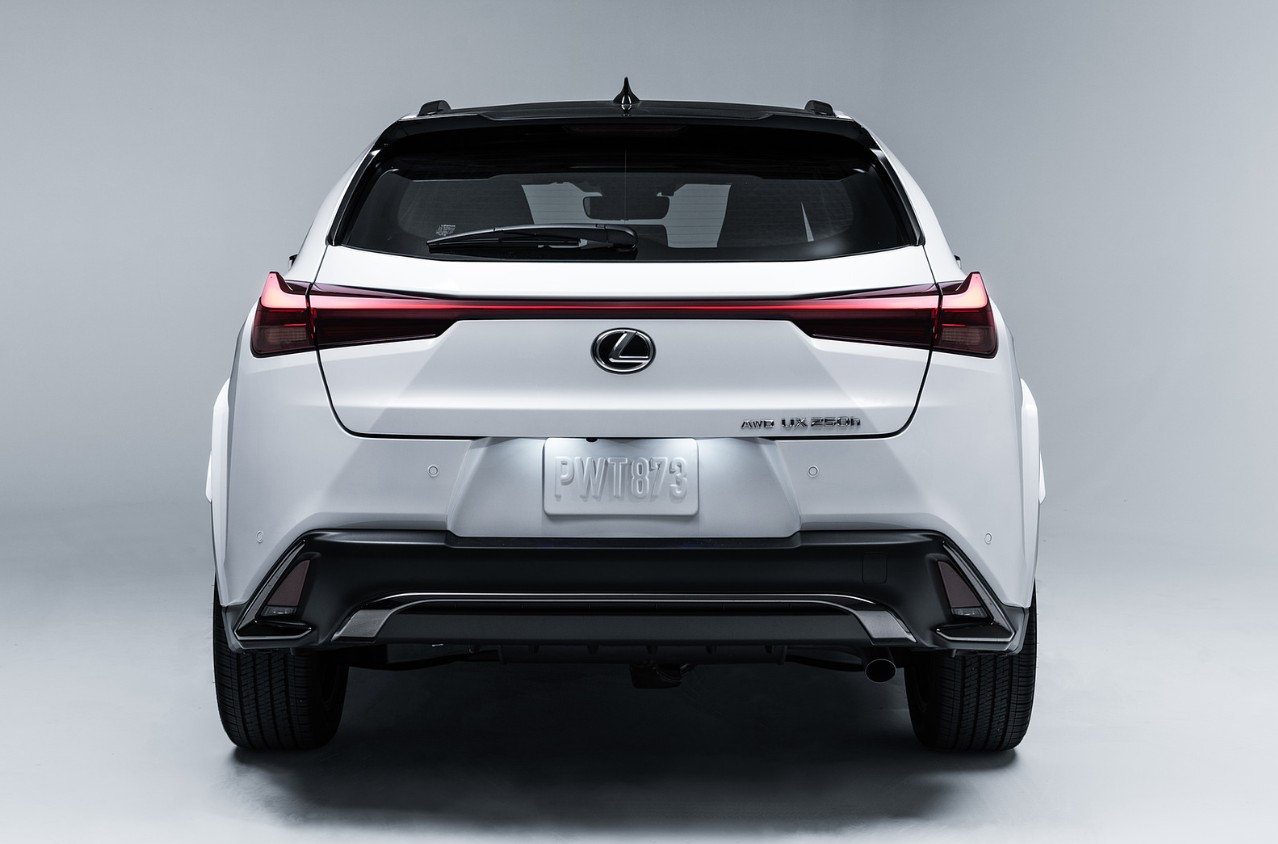
If Lexus develops a 2028 UX successor, its exterior design would likely need to preserve the compact proportions and distinctive character that have defined the existing crossover. The current UX features a sculpted body, a sharply contoured front end, pronounced wheel arches, and carefully shaped lighting elements. These details give it a more dynamic appearance than many conventional small SUVs without making it unnecessarily large. A future design could evolve the signature Lexus spindle-inspired front styling into a more integrated treatment, particularly if electrification becomes a greater priority. Slimmer lighting, revised bumper surfaces, and new wheel designs would be plausible updates, but no exterior design for a 2028 UX has been officially revealed.
The body proportions would be important if Lexus wanted to maintain the UX’s appeal to urban drivers. A compact footprint makes parking garages, narrow streets, and crowded shopping areas easier to navigate than they are in larger premium SUVs. A successor could retain a relatively short overhang and a high seating position while improving the use of interior space. Wheel designs could range from efficiency-oriented alloys to larger, sportier options on an F SPORT-inspired version. Lexus might also introduce new paint colors and contrasting roof finishes to give buyers more personalization choices. These possibilities remain projections, as the company has not announced the dimensions, body styles, or exterior packages of a 2028 model.
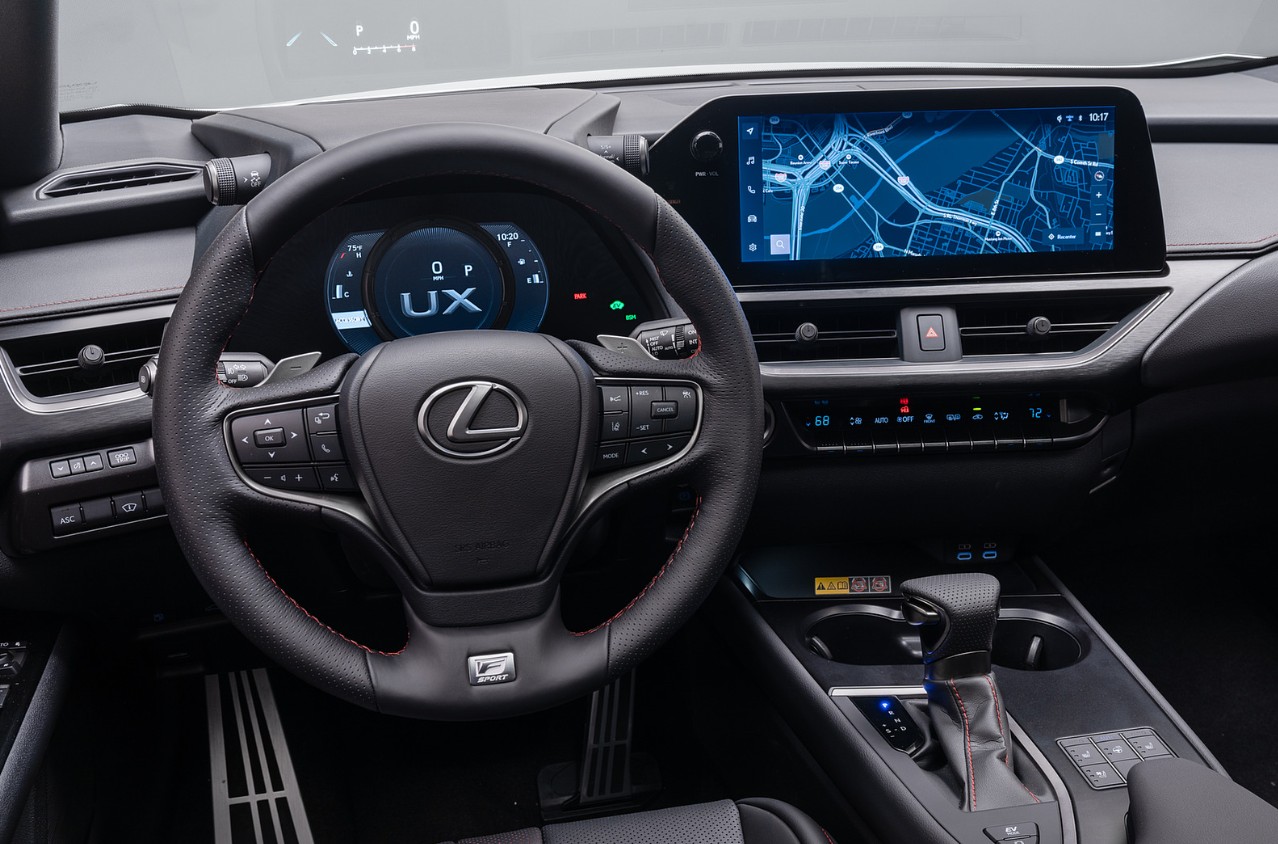
Inside, a future Lexus UX could focus on a cleaner dashboard layout, higher-quality touchpoints, and improved digital integration. The current UX provides a compact premium cabin with supportive seats, carefully arranged controls, and an infotainment system that varies by specification and market. A redesigned interior could offer a larger central display, a more configurable digital instrument cluster, wireless smartphone connectivity, and improved voice-control functions. Lexus could also refine storage areas and door pockets to make better use of the limited space available in a small crossover. Any new materials, seat designs, ambient lighting, or screen dimensions would need confirmation before they could be treated as actual 2028 equipment.
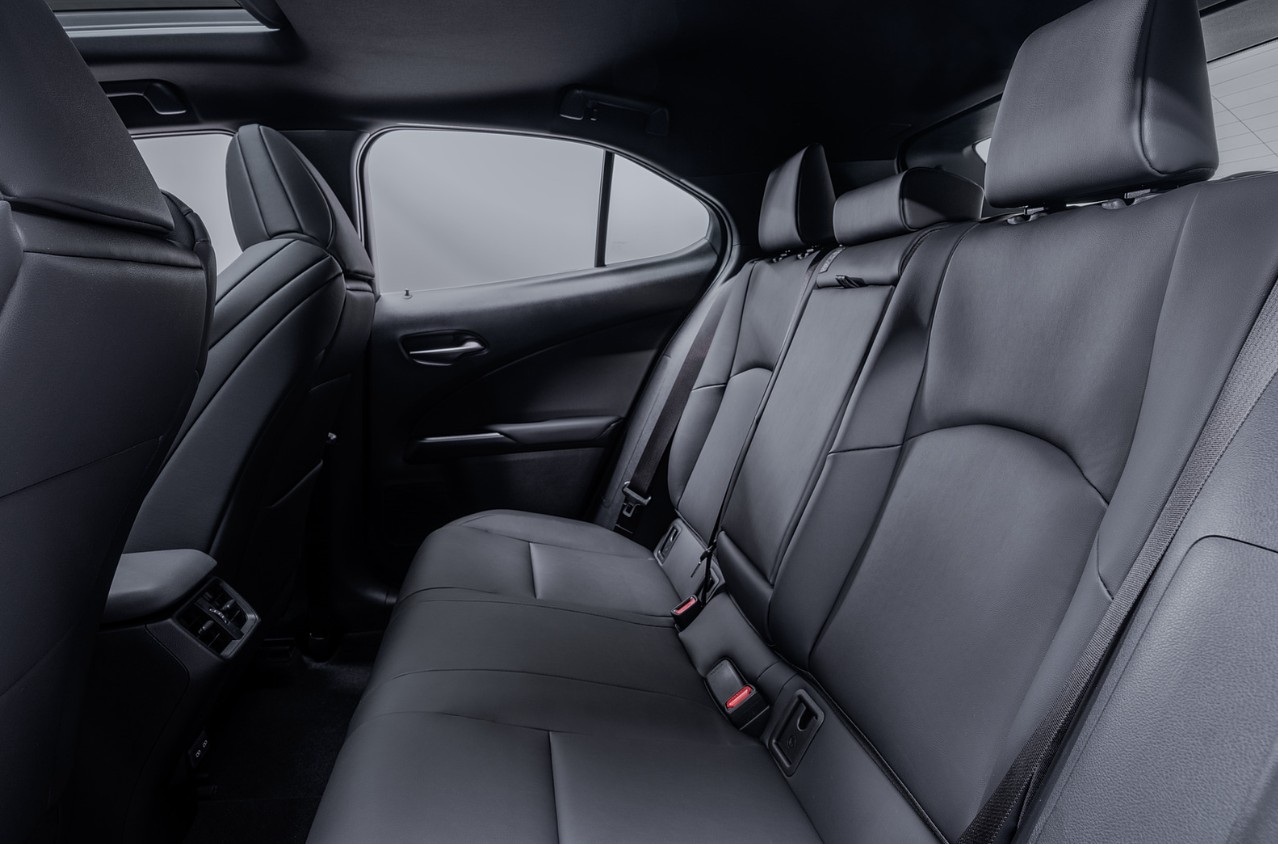
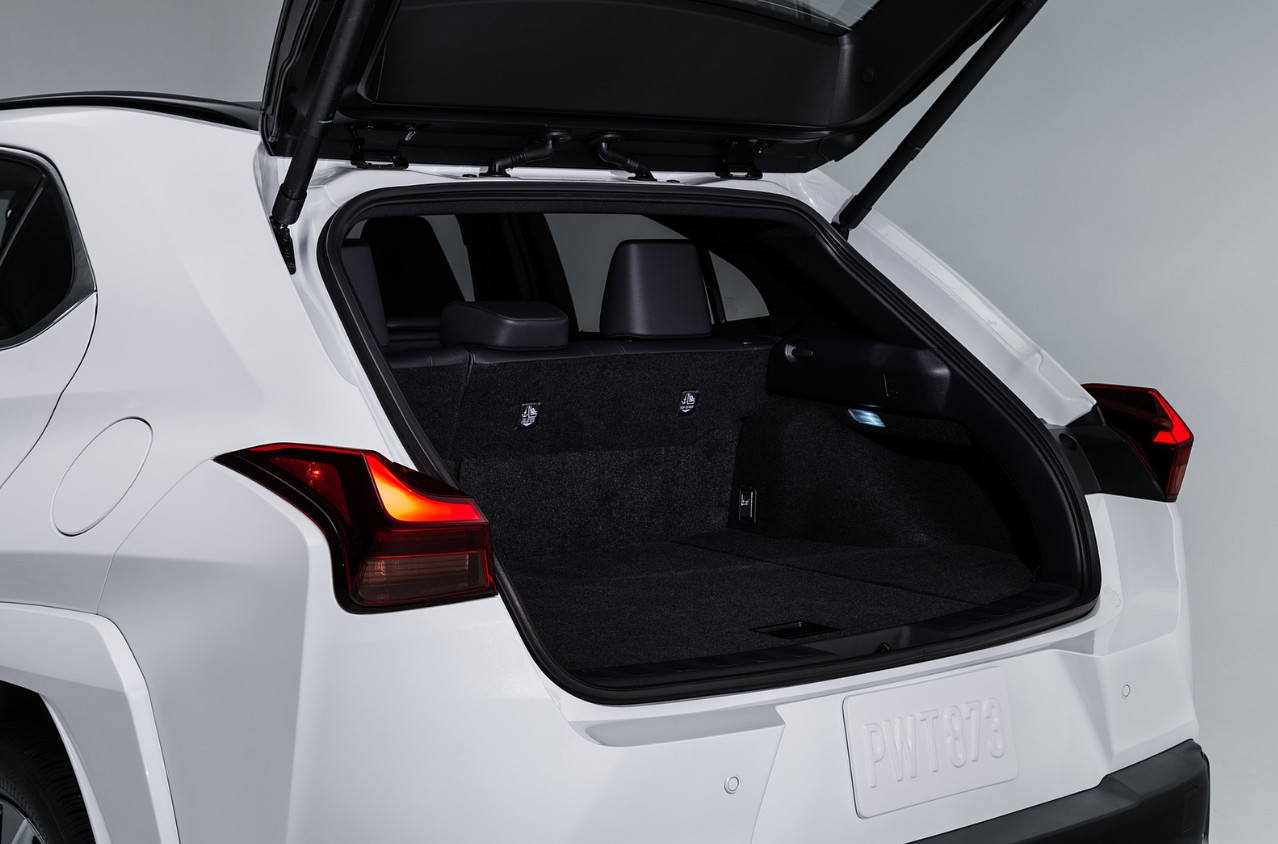
Passenger comfort and cargo practicality would remain essential to the success of any replacement. The current UX is easier to maneuver than a larger SUV, but its compact body naturally limits rear-seat room and cargo capacity compared with vehicles such as the Lexus NX. A successor could attempt to improve packaging through revised seat structures, a different floor layout, or more efficient use of the rear compartment. Better sound insulation and improved suspension tuning could also help create a more relaxed driving environment. If Lexus develops an electric version, the placement of the battery and electric-drive components could influence cabin space and luggage capacity. None of these improvements has been confirmed for a future UX, so buyers should wait for official dimensions and interior specifications.
2028 Lexus UX Specs
Engine & Performance
The current Lexus UX 300h uses a 2.0-liter four-cylinder gasoline engine paired with Lexus’s fifth-generation hybrid system. In the U.S. market, the combined output is rated at 196 horsepower, with an electronically controlled continuously variable transmission managing power delivery. The hybrid system is designed to combine gasoline-engine performance with electric assistance, particularly during lower-speed driving and acceleration. A future 2028 UX could build on this approach with improved energy management or revised engine calibration if Lexus decides to continue the hybrid formula. However, the company has not confirmed a 2028 engine, output figure, transmission, or drivetrain configuration, and the current system should be regarded only as a reference point.
For everyday driving, the existing UX prioritizes smoothness and efficiency rather than aggressive acceleration. The hybrid system can deliver electric assistance when appropriate, while the gasoline engine provides sustained power for faster roads and longer journeys. Front-wheel-drive and all-wheel-drive versions are available in the current U.S. lineup, with the all-wheel-drive configuration adding traction capability in changing weather conditions. A future model could retain these choices or move toward a different electrification strategy, depending on market demand and Lexus’s wider product plans. A plug-in hybrid or battery-electric UX would represent a more significant change than a conventional update, and neither powertrain has been officially confirmed for the 2028 model.
2028 Lexus UX Fuel Economy
Fuel efficiency is one of the strongest attributes of the current UX 300h. Lexus lists an EPA-estimated combined fuel economy of approximately 43 mpg for the U.S. front-wheel-drive version and 42 mpg for the all-wheel-drive version, with exact results varying by configuration. These figures provide useful context for buyers who prioritize fuel savings in a premium crossover. A future successor could potentially improve efficiency through reduced weight, optimized hybrid controls, improved aerodynamics, or changes to the powertrain. Such improvements remain hypothetical, and official consumption figures will depend on the final production vehicle and the testing standards used in each country. Real-world economy will also vary with traffic, temperature, terrain, tire choice, and driving habits. 2028 Lexus UX Redesign
2028 Lexus UX Safety Features
Safety technology would be another important consideration for a future Lexus UX. The current U.S. model includes Lexus Safety System+ 3.0, a suite of driver-assistance technologies designed to help drivers detect certain hazards and manage selected driving situations. Depending on the system and market specification, features can include pre-collision assistance, lane-departure alerts with steering assistance, lane-tracing assistance, adaptive cruise control, and automatic high beams. Blind-spot monitoring and parking assistance may also be available depending on trim and equipment. A 2028 successor could receive updated sensors, more capable software, or improved camera-based functions, but no specific future safety package or crash-test rating has been announced. These systems would remain driver aids, not substitutes for attentive driving.
2028 Lexus UX Release Date & Price
The release date of the 2028 Lexus UX is unknown because Lexus has not confirmed that a vehicle with this model-year designation will enter production. More importantly, Lexus Japan has published a notice stating that UX production is scheduled to end in February 2027. This makes a direct 2028 continuation uncertain rather than a routine expectation. The production notice does not, by itself, establish whether Lexus will eventually introduce a successor under the UX name or replace it with a differently named model. Buyers should therefore avoid treating online renderings, speculative specification lists, or predicted launch calendars as official product information until Lexus releases a confirmed announcement.
Market availability could differ depending on the future product strategy and the country in question. The current UX is sold in selected markets, including the United States, Canada, the United Kingdom, and Japan, but powertrain options, trim names, prices, and equipment are not identical everywhere. If a successor is introduced, Lexus may choose to prioritize certain regions or offer different powertrains according to local demand and regulations. A 2028 UX should not be assumed to arrive in every market simply because the existing model has been sold there. Prospective buyers should check official Lexus communications and local distributor information for confirmation of model availability, order timing, warranty coverage, and servicing arrangements.
For buyers considering a UX today, the production announcement makes timing especially relevant. Depending on the market, existing inventory may remain available after production ends, but the selection of colors, grades, and drivetrain configurations could become more limited as remaining vehicles are sold. Customers who prefer the current hybrid model should confirm availability directly with an authorized dealer rather than assuming that every trim will remain orderable until February 2027. Those who would rather wait for a new design should recognize that no successor has been confirmed and that the future product could have a different name, powertrain, size, or price. Comparing the existing UX with the Lexus LBX and NX can help clarify which vehicle best fits current needs.
A future 2028 Lexus UX could offer several equipment grades designed to serve different buyers, but no official trim structure has been announced. The current U.S. UX 300h lineup includes standard, Premium, F SPORT Design, and F SPORT Handling versions, with front-wheel-drive and all-wheel-drive configurations available across selected grades. These options allow customers to prioritize price, comfort, sporty styling, or additional driving equipment. If Lexus introduces a successor, it could preserve a similar hierarchy or reorganize the range around new technology and electrification. Current trim names should not be assumed to carry over unchanged, especially given the uncertainty surrounding the model’s future.
An entry-level version of a hypothetical 2028 UX would likely emphasize the core luxury experience while keeping the price relatively accessible within the Lexus lineup. Buyers could expect the usual priorities of comfortable seating, climate control, smartphone connectivity, driver-assistance features, and a carefully finished cabin, although no future standard-equipment list exists. A Premium-style grade could potentially add upgraded upholstery, additional seat adjustments, convenience features, and more cabin customization. Such a model would appeal to drivers who value comfort and everyday usability more than sporty styling. These are examples of how a future range could be organized, not confirmed equipment descriptions for an actual 2028 vehicle.
A sport-oriented version could follow the current F SPORT approach, emphasizing more assertive exterior details and a driving experience tailored to customers who prefer a firmer, more responsive feel. The existing F SPORT Handling grade includes model-specific styling and chassis-related equipment, with features varying by market. A future equivalent might feature distinctive alloy wheels, unique seat upholstery, sportier trim accents, and revised suspension tuning. However, an F SPORT badge does not automatically mean that a vehicle has a more powerful engine, and no 2028 performance grade has been announced. Any decision between comfort-oriented and sport-oriented equipment would ultimately depend on the final product range, if Lexus decides to introduce a successor.
Pricing remains impossible to establish accurately without a confirmed 2028 vehicle and an official market-specific price list. As a reference, Lexus announced U.S. starting prices for the 2026 UX 300h of $38,850 for the base model, $42,120 for Premium, $42,685 for F SPORT Design, and $47,270 for F SPORT Handling, including the then-listed delivery, processing, and handling fee. The current Lexus U.S. website may display updated figures, so these announced prices should be treated as historical reference points rather than current offers or predictions. If a new UX arrives in a later year, its price could depend on inflation, equipment, powertrain technology, production costs, and its positioning relative to the LBX and NX. 2028 Lexus UX Redesign
Conclusion
In conclusion, the 2028 Lexus UX remains an uncertain prospect rather than a confirmed upcoming luxury crossover. The existing UX 300h demonstrates the qualities that have made the nameplate appealing: a 196-horsepower hybrid system, fuel-efficient operation, compact dimensions, a refined cabin, and a comprehensive collection of driver-assistance technologies. A future successor could bring a fresh exterior design, improved digital features, better space utilization, and further electrification, but none of those changes has been officially announced. With Lexus Japan scheduling UX production to end in February 2027 and no direct replacement confirmed, the most accurate approach is to distinguish the proven strengths of the current model from speculation about its future. Official Lexus announcements will determine whether the UX returns for 2028 or gives way to a different compact luxury vehicle.
Note: The details included in this blog post are derived from pre-release material that was accessible when the article was written. If you want the latest information, you should check official sources or call your nearest dealership.
Read Also:
- 2028 Lexus LC 500 Convertible Release Date, Specs, Performance
- 2028 Lexus LC 500 Inspiration Series Redesign, Specs, Price
- 2027 Lexus UX 300h Redesign, Configurations, Interior
- 2027 Lexus GS 350 F-Sport Redesign, Specs, Dimensions
- 2027 Lexus RC Coupe Review, Specs, Price
Frequently Asked Questions
2028 Lexus UX Redesign, Price, Specs - The 2028 Lexus UX would be an interesting prospect for drivers seeking a compact luxury crossover that combines elegant styling, hybrid efficiency, premium cabin materials, and easy maneuverability in crowded cities. The UX has traditionally occupied the entry point of Lexus's…
The existing Lexus UX 300h provides a useful starting point for understanding what a future model might need to deliver. Its fifth-generation hybrid system combines a 2.0-liter four-cylinder gasoline engine with electric assistance to produce 196 horsepower in the U.S. specification. The powertrain is designed to balance responsive…
If Lexus eventually revives the UX name, a future version could require more substantial development than a routine model-year refresh. Buyers increasingly expect advanced driver assistance, seamless smartphone connectivity, efficient powertrains, and cabin technology that feels contemporary throughout the ownership period. A successor might therefore feature revised electronics,…
For prospective buyers, the most important issue is whether Lexus will introduce a direct replacement or allow the UX nameplate to leave the lineup. The smaller Lexus LBX serves a related role in selected international markets, while the NX offers more space and a broader range of powertrain…
2028 Lexus UX Redesign and Update Plan Exterior & Interior If Lexus develops a 2028 UX successor, its exterior design would likely need to preserve the compact proportions and distinctive character that have defined the existing crossover. The current UX features a sculpted body, a sharply contoured front…