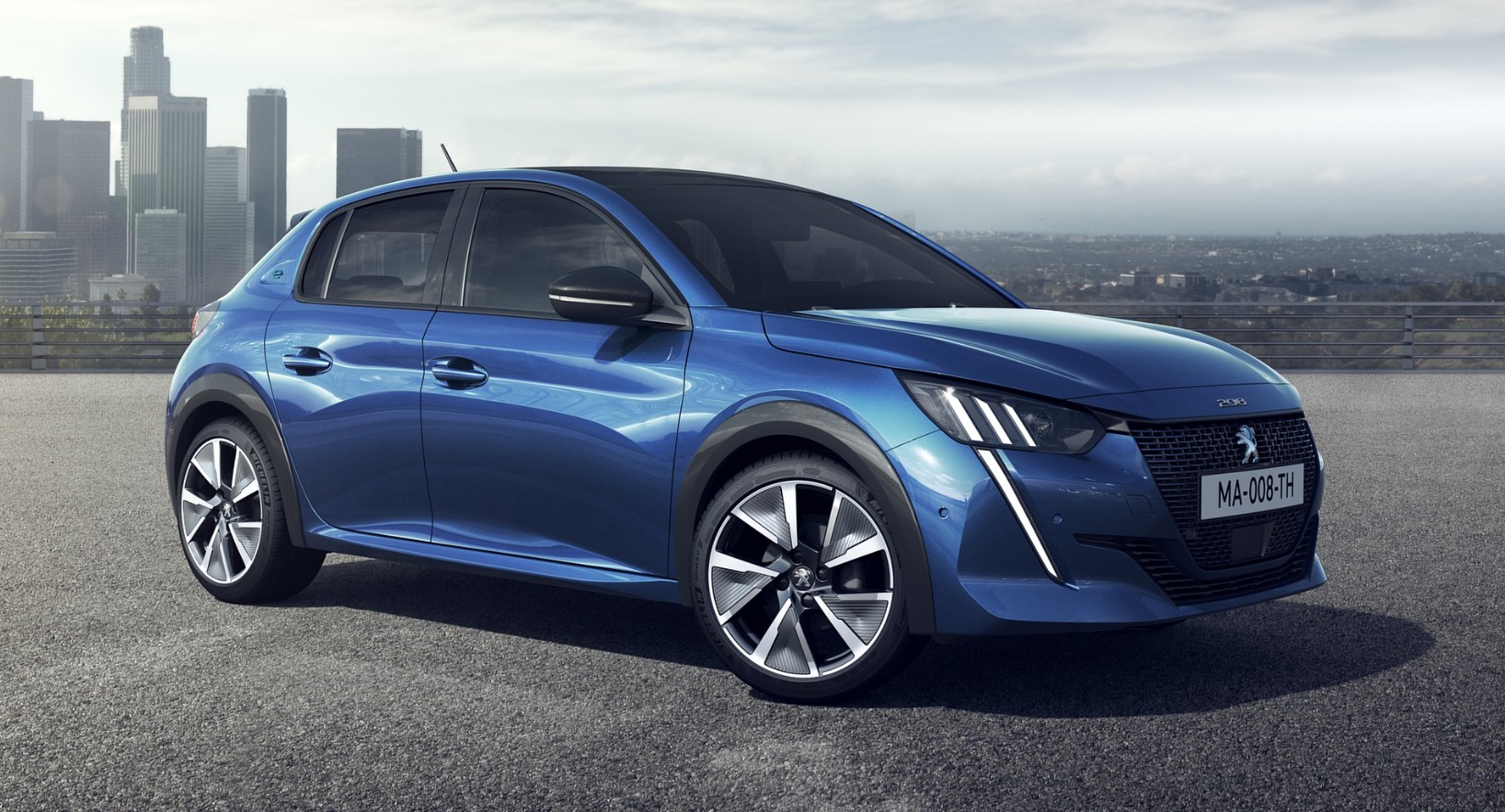
2028 Peugeot e-208 EV Release Date, Specs, Interior – The 2028 Peugeot e-208 EV is shaping up to be one of the most important small electric cars in Peugeot’s next-generation lineup. Rather than treating the future model as a simple facelift of today’s e-208, current industry reporting points toward a substantially new generation built around Stellantis’ next small-vehicle architecture. The future e-208 is expected to arrive as part of Peugeot’s transition toward a more advanced electric platform, with improved battery packaging, more efficient electronics, new software, and a significantly more sophisticated cabin. The result could be a small hatchback positioned closer to the premium end of the European B-segment rather than simply competing on purchase price.
The timing is particularly important. The current Peugeot e-208 has already established the basic formula: compact dimensions, front-wheel-drive electric power, a 50- or 51-kWh-class battery depending on specification, and a maximum output of 156 hp in its more efficient configuration. Peugeot’s current UK specification quotes up to 268 miles of WLTP range for the 156-hp version, while DC charging from 20 to 80 percent can take around 27 minutes. Those numbers give the next-generation car a strong starting point, but the 2028 model should be viewed as a more substantial technological step. Industry reporting indicates that the next e-208 could approach 500 km of WLTP range in its highest-range configuration.
The biggest technical change should come underneath the body. Reports identify the upcoming e-208 as the launch model for Stellantis’ STLA Small architecture, subsequently associated with the STLA One name in newer product planning. The platform is being developed specifically to improve the efficiency and cost structure of smaller electric vehicles. Reports also indicate that the next e-208 is expected to use LFP battery chemistry rather than the NMC chemistry used in the current car. That does not automatically mean a larger battery will be dramatically heavier; improved packaging, electronics, aerodynamics, and energy management could allow Peugeot to extract considerably more usable driving range from a relatively compact battery pack.
For buyers considering the 2028 Peugeot e-208 EV, the most important distinction is between what is already established and what remains projected. Peugeot has not published a complete final 2028 specification sheet covering battery capacity, official range, charging rate, trim levels, or pricing. Therefore, figures such as approximately 500 km of WLTP range and potential pricing below €30,000 should be treated as industry expectations rather than finalized manufacturer specifications. The next e-208 is nevertheless one of the clearer future Peugeot projects, with reporting pointing to a second-half-2027 introduction and a continued presence through the 2028 model year. 2028 Peugeot e-208 EV Release Date
2028 Peugeot e-208 EV Redesign and Update Plan
Exterior & Interior
The exterior design of the 2028 Peugeot e-208 EV is expected to move beyond the current generation’s aggressive compact-hatchback appearance. Peugeot’s latest design language has already introduced sharper lighting signatures, larger visual elements, more pronounced surfaces, and distinctive three-claw daytime running lights. The next e-208 is expected to develop those themes into a more futuristic shape while maintaining the recognizable proportions that have helped the 208 become one of Peugeot’s strongest European nameplates. A more aerodynamic front end should also contribute directly to the car’s electric efficiency.
Aerodynamics will likely receive considerably more attention than before. On a small EV, every improvement in drag can influence real-world range, particularly at motorway speeds. The next e-208 could therefore use a smoother front fascia, carefully shaped wheel designs, revised underbody panels, optimized rear detailing, and more tightly integrated air-management features. Peugeot does not need to make the car look like a dedicated aerodynamic experiment; the objective is more likely to combine a recognizable Peugeot identity with lower aerodynamic resistance. The result should be a hatchback that looks sporty without relying entirely on oversized grilles or decorative styling elements.
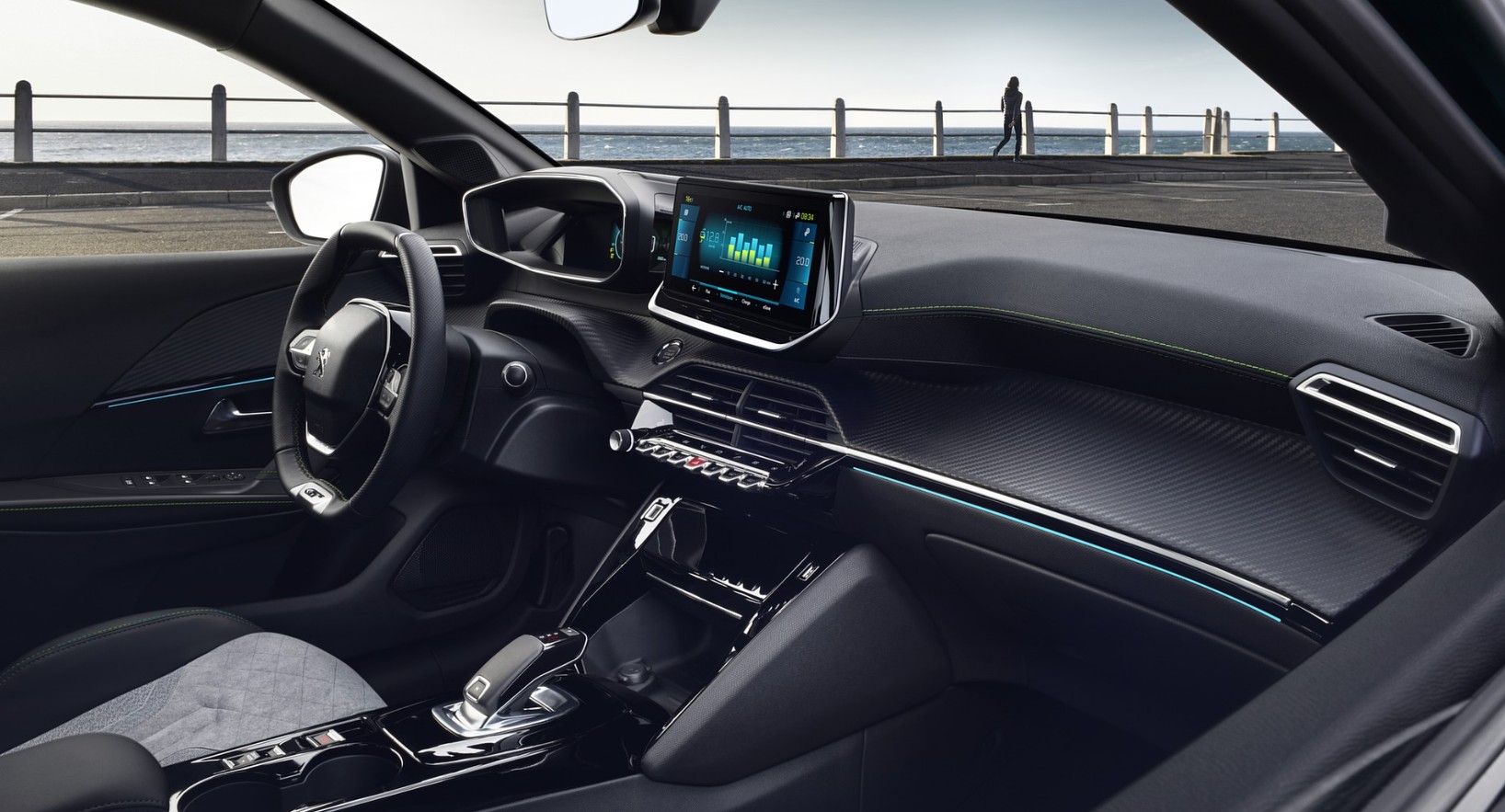
Inside, the biggest transformation could involve the next evolution of Peugeot’s i-Cockpit. The current e-208 already offers Peugeot’s compact steering wheel, elevated digital instrumentation, and touchscreen-focused dashboard. A future steer-by-wire system would give designers considerably more freedom to rethink the relationship between the steering control, driver display, and dashboard. The Hypersquare concept suggests a rectangular steering interface rather than a conventional circular wheel, although the exact production design and specifications should not be treated as confirmed until Peugeot releases the final vehicle.
The cabin should also place greater emphasis on connectivity and perceived quality. A larger central display, improved voice control, wireless smartphone integration, connected navigation, and faster system response would fit naturally into Peugeot’s next-generation technology strategy. Higher trims could feature premium upholstery, ambient lighting, upgraded sound systems, heated seats, advanced navigation, and a larger digital instrument display. Passenger space should benefit from the EV-focused platform as well, although the e-208 will remain a compact B-segment hatchback rather than becoming a small family car. Cargo capacity should therefore remain practical for urban use without becoming the primary selling point.
The 2028 Peugeot e-208 EV should represent a much more meaningful redesign than the latest facelift of the current generation. The current 208 architecture has evolved from the CMP/e-CMP family, while the next electric model is expected to introduce STLA Small or STLA One technology. This new foundation should give Peugeot greater freedom to optimize battery placement, cabin packaging, suspension geometry, electronic architecture, and energy consumption. Instead of adapting an existing small-car structure for electric propulsion, the next e-208 is expected to be engineered around electric driving from the beginning. That distinction could improve both interior space and efficiency.
One of the most interesting developments is the expected use of an LFP battery. Current reporting suggests that the new e-208 will adopt a 400-volt LFP battery integrated using a cell-to-body approach. LFP chemistry generally offers advantages in cost, durability, and thermal stability, although it has lower energy density than many NMC battery designs. Peugeot therefore appears to be relying on better overall vehicle efficiency rather than simply installing an enormous battery. Improved aerodynamics, lighter components, optimized cooling, more efficient inverters, and better software could all contribute to the target of approaching 500 km of WLTP range in a high-specification version.
The steering system could become another defining feature. Reports indicate that the next e-208 may introduce Peugeot’s Hypersquare steering concept together with steer-by-wire technology. Instead of a traditional mechanical steering column connecting the steering wheel to the front wheels, steer-by-wire electronically transmits steering commands. The production system is expected to be developed for Stellantis with hardware manufactured in France. If the system reaches production as reported, the e-208 could become one of the first mainstream European superminis to use this type of architecture. That would also require a redesigned cockpit and a different approach to driver ergonomics.
Software should play a much larger role as well. The next-generation architecture is expected to integrate more advanced electronic control systems, connected functions, and driver-assistance technology. Industry reporting has linked the future Peugeot to the STLA Brain ecosystem and Qualcomm-based computing technology. That could allow the e-208 to process more sensor information and support more sophisticated assistance functions than the current car. A future-proof electronic architecture would also make software updates more important, potentially allowing Peugeot to improve certain functions during the vehicle’s lifetime instead of relying exclusively on traditional workshop upgrades. 2028 Peugeot e-208 EV Release Date
2028 Peugeot e-208 EV Specs
Engine & Performance
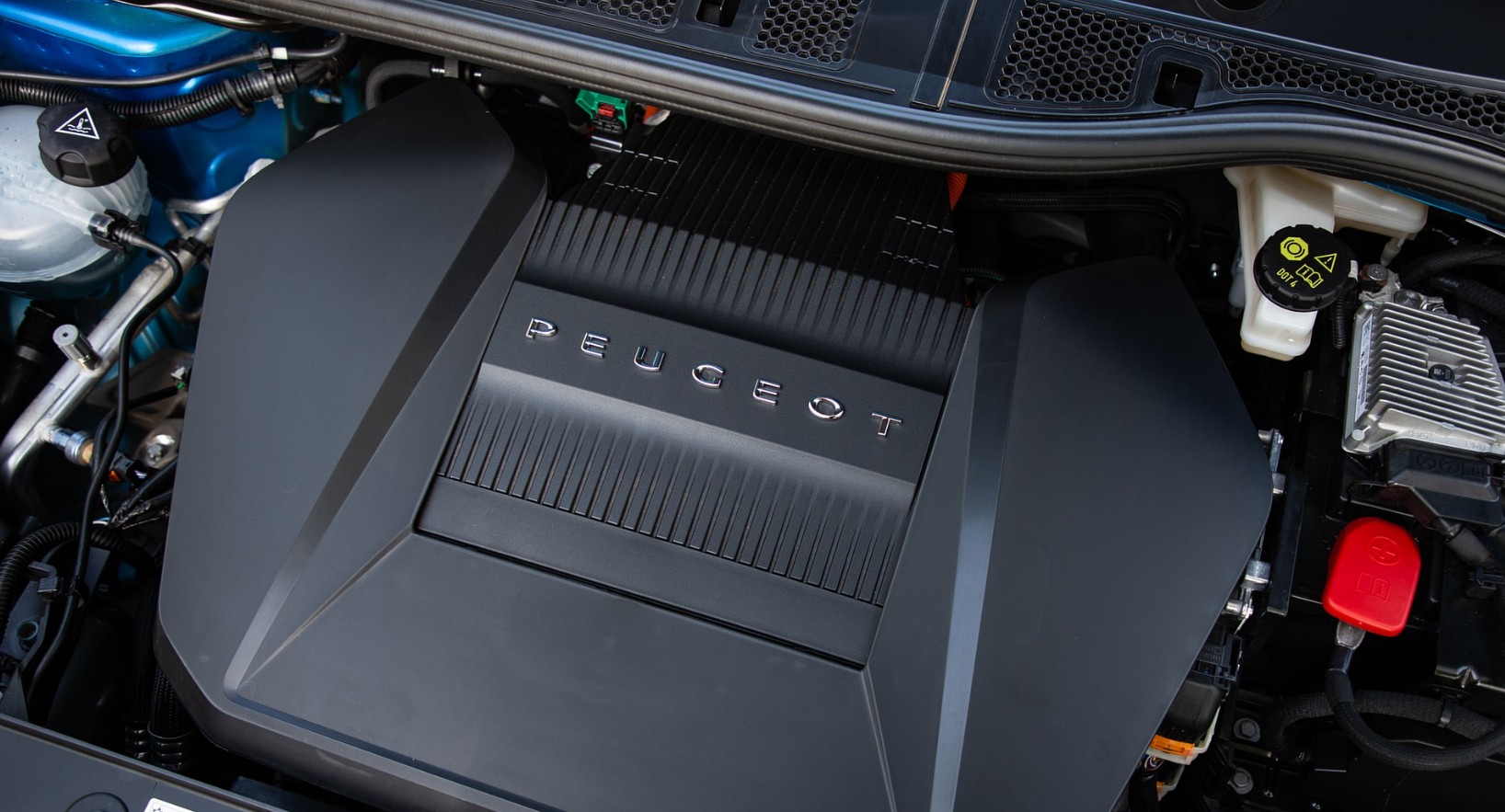
The 2028 Peugeot e-208 EV is expected to retain a front-mounted electric motor configuration, but the exact output range remains unconfirmed. The current e-208 provides a useful benchmark. Peugeot’s latest standard model offers an electric motor producing up to 156 hp, while the lower-output version produces 136 hp. Reports about the next-generation e-208 suggest that power may remain within a broadly similar range for mainstream versions, with Peugeot concentrating on efficiency and range rather than simply increasing horsepower. That strategy makes sense for an urban hatchback where low energy consumption can be more valuable than extreme acceleration.
A lower-powered version could also become important for keeping the entry price competitive. Industry reporting has indicated that Peugeot may offer a less powerful motor in the next e-208 to create a lower-cost version, while higher trims could use a more powerful setup. This would give Peugeot the ability to address several segments of the market without requiring completely different vehicle architectures. An entry-level e-208 could prioritize affordable urban transportation, while higher versions could combine the larger battery with stronger performance and additional equipment.
The performance story becomes considerably more interesting when the E-208 GTi is considered. Peugeot has already introduced an electric E-208 GTi with 281 PS, 345 Nm of torque, a 0-to-62-mph time of 5.5 seconds, a 112-mph limited top speed, and a 54-kWh gross battery with 51 kWh usable. It also receives substantial chassis modifications, including a 25-mm lower ride height, wider tracks, performance suspension, 18-inch wheels, and a mechanical limited-slip differential. This demonstrates that Peugeot is willing to apply serious performance engineering to the e-208 nameplate rather than treating it purely as an economy-focused EV.
For the standard 2028 e-208, however, efficiency should remain the priority. The car is unlikely to need the GTi’s extreme chassis hardware or high-output motor. A mainstream version with around 150–160 hp would provide more than enough performance for normal urban and motorway driving, while a future performance derivative could occupy the higher end of the range. Depending on final battery and motor specifications, a zero-to-62-mph time somewhere around the seven-to-eight-second region would be plausible for a mainstream version, but Peugeot has not confirmed such a figure. The key advantage should be immediate electric torque, smooth acceleration, and quiet operation rather than headline horsepower.
2028 Peugeot e-208 EV Fuel Economy
Range will probably be the headline feature of the 2028 Peugeot e-208 EV. Current reporting points toward a target approaching 500 km of WLTP range for a high-end configuration, compared with the current car’s maximum of up to 268 miles, or roughly 431 km, in UK WLTP testing. Achieving that target would represent a substantial improvement without necessarily requiring an enormous battery. LFP chemistry, optimized packaging, lower aerodynamic drag, improved electronics, and more sophisticated energy management are all expected to contribute. Actual range will naturally vary according to wheel size, weather, speed, temperature, driving style, traffic, and vehicle load.
Charging performance should also improve, although the final specifications remain unconfirmed. The current e-208 can charge from 20 to 80 percent in approximately 27 minutes using an appropriate high-power public charger, while an AC wallbox takes considerably longer. The next-generation vehicle is expected to maintain a practical 400-volt electrical architecture, with faster and more efficient charging management. A future e-208 could potentially target a 20-to-80-percent session around the 20-to-30-minute range, but that is an expectation rather than an official Peugeot specification. Battery preconditioning and route-based charging preparation could become just as important as peak charging power.
2028 Peugeot e-208 EV Safety Features
Safety technology should receive a significant upgrade because the new platform is expected to support a more advanced sensor and computing architecture. Depending on final trim and market, buyers could see adaptive cruise control, lane-position assistance, automatic emergency braking, blind-spot monitoring, traffic-sign recognition, driver monitoring, rear cross-traffic alert, a 360-degree camera system, and improved parking assistance. Reports have also highlighted a 360-degree sensor strategy for the next-generation model. Final Euro NCAP results, however, cannot be predicted before the production vehicle is tested under the applicable safety protocol. 2028 Peugeot e-208 EV Release Date
2028 Peugeot e-208 EV Release Date & Price
The release schedule is one area where the available reporting is relatively consistent. The next-generation e-208 is expected to arrive before the 2028 model year, with reports pointing to a 2027 market introduction. More recent reporting has placed its presentation around spring 2027 and production around July 2027, meaning the 2028 model year could represent the first full year in which the new-generation car becomes widely established. Peugeot has not yet published a complete global launch calendar, so market-specific availability will likely vary across France, the United Kingdom, Germany, other European markets, and potentially markets outside Europe.
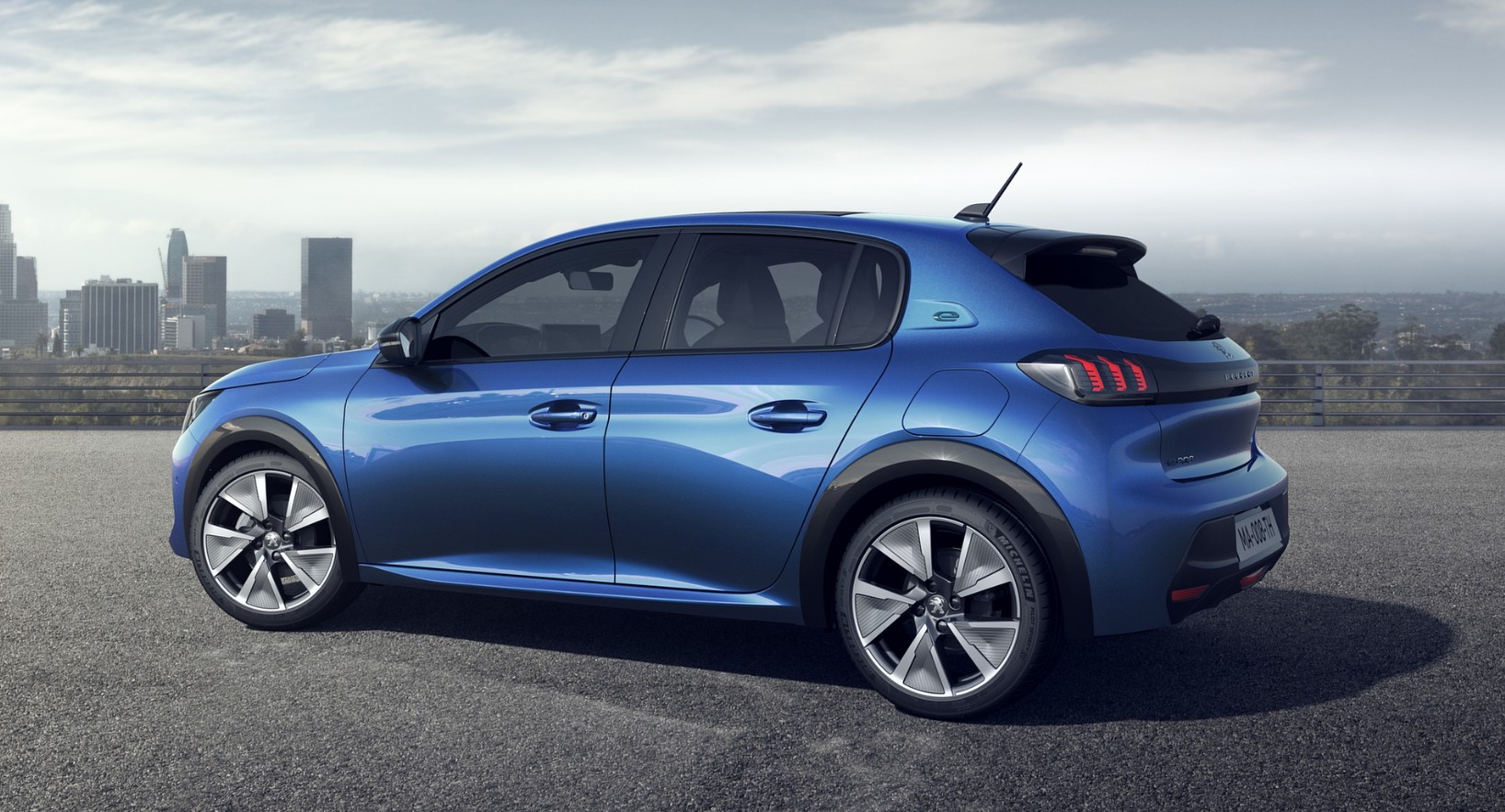
The 2028 model should therefore be understood as the second phase of a new e-208 generation rather than an entirely separate vehicle launched from scratch in 2028. By then, the STLA Small/STLA One architecture should be established, giving Peugeot an opportunity to refine software, battery management, charging performance, and equipment. The first production cars will provide the foundation, while later model-year vehicles could benefit from specification changes and additional variants. This makes 2028 particularly relevant for buyers who want the newer platform without necessarily purchasing during the first launch phase.
Peugeot’s current electric strategy also suggests that the e-208 will remain central to its European small-car business. The brand has already demonstrated that it can combine a compact footprint with premium interior presentation and increasingly sophisticated electric technology. The next generation takes that philosophy further by integrating a new architecture, new battery chemistry, advanced steering technology, and more capable computing. If the projected range approaches 500 km WLTP while the entry price remains below €30,000, the e-208 could occupy an increasingly competitive position against other European electric superminis.
Peugeot has not announced final 2028 e-208 trim levels or prices. A reasonable expectation is that the range could continue with a lower-cost entry specification followed by Allure and GT-style versions, while a GTi or performance derivative could occupy the top of the range. Current reporting suggests Peugeot is targeting a starting price below €30,000, although it is not expected to chase the very lowest prices in the segment. For reference, current UK e-208 versions include GT and GT Premium, while the electric GTi starts at £34,995. The next mainstream e-208 could therefore remain positioned as a relatively premium small EV.
Conclusion
The 2028 Peugeot e-208 EV should not be viewed simply as another update to an existing electric hatchback. The upcoming generation is expected to introduce a new architecture, LFP battery technology, revised electric powertrains, improved aerodynamics, a redesigned i-Cockpit, and potentially Peugeot’s Hypersquare steer-by-wire system. Those changes could fundamentally alter how the e-208 drives, charges, and uses its available energy.
The projected range approaching 500 km WLTP is particularly significant because it would move the e-208 beyond the role of a purely urban EV. Combined with compact dimensions, fast charging, improved software, and a more premium interior, the car could become a practical all-rounder for European buyers who want electric transportation without moving into a larger and more expensive crossover.
The most important figures remain subject to official confirmation. Peugeot has not yet published final 2028 battery capacities, exact motor outputs, trim specifications, official prices, or definitive range figures. For now, the strongest indications point toward a 2027 launch of the new generation, followed by the 2028 model year with the STLA Small/STLA One platform at its core.
If Peugeot delivers the efficiency, technology, and range currently being reported, the 2028 e-208 could become a substantially more sophisticated electric supermini while preserving the compact footprint that defines the nameplate.
Note: The details included in this blog post are derived from pre-release material that was accessible when the article was written. If you want the latest information, you should check official sources or call your nearest dealership.
Frequently Asked Questions
2028 Peugeot e-208 EV Release Date, Specs, Interior - The 2028 Peugeot e-208 EV is shaping up to be one of the most important small electric cars in Peugeot’s next-generation lineup. Rather than treating the future model as a simple facelift of today’s e-208, current industry reporting points…
The timing is particularly important. The current Peugeot e-208 has already established the basic formula: compact dimensions, front-wheel-drive electric power, a 50- or 51-kWh-class battery depending on specification, and a maximum output of 156 hp in its more efficient configuration. Peugeot’s current UK specification quotes up to 268…
The biggest technical change should come underneath the body. Reports identify the upcoming e-208 as the launch model for Stellantis’ STLA Small architecture, subsequently associated with the STLA One name in newer product planning. The platform is being developed specifically to improve the efficiency and cost structure of…
For buyers considering the 2028 Peugeot e-208 EV, the most important distinction is between what is already established and what remains projected. Peugeot has not published a complete final 2028 specification sheet covering battery capacity, official range, charging rate, trim levels, or pricing. Therefore, figures such as approximately…
2028 Peugeot e-208 EV Redesign and Update Plan Exterior & Interior The exterior design of the 2028 Peugeot e-208 EV is expected to move beyond the current generation’s aggressive compact-hatchback appearance. Peugeot’s latest design language has already introduced sharper lighting signatures, larger visual elements, more pronounced surfaces, and…